eISSN: 2576-4470


Review Article Volume 10 Issue 3

Departments of Health Sciences, Higher Polytechnic Institute of Catepa, Angola
Correspondence: Abreu Dala Gonga, Departments of Health Sciences, Higher Polytechnic Institute of Catepa, Malanje, Angola
Received: June 14, 2026 | Published: June 19, 2026
Citation: Gonga AD. Between faith and expansion: an analysis of the proliferation of churches in Luanda. Sociol Int J. 2026;10(3):77-85. DOI: 10.15406/sij.2026.10.00461
The present study, centred on the issue of religious proliferation in Luanda, aims to understand the reasons underlying the emergence of New Religious Movements (NRMs) in Luanda, as well as to identify immigration as a factor contributing to the emergence of these movements, describe the factors that lead members to join NRMs, and identify some of the religious organizations operating in suburban areas of Luanda, specifically in the Rocha Pinto neighbourhood along 21 de Janeiro Avenue. The issue of religious proliferation is currently one of the most significant topics in contemporary Angolan society due to its complexity and its consequences. At present, numerous religious organizations have been emerging as a result of the diverse socio-economic circumstances experienced by the country since the post-independence period and following the end of the civil war in 2002. These events rendered the Angolan social fabric vulnerable, given the limitations of public policies and their insufficient capacity to address major social challenges such as unemployment, hunger, poverty, health problems, infertility, and upward social mobility. New Religious Movements (NRMs) have therefore emerged as a means of refuge for many believers seeking answers to existential and social concerns, since these organizations promote the prosperity theology, a religious current that emphasizes the social dilemmas experienced in the everyday lives of believers. The phenomenon of religious proliferation in Angola, particularly in the city of Luanda, is associated with guiding souls to Christ, restoring individuals affected by drug addiction and prostitution, and spreading the message of salvation and the Gospel by proclaiming Jesus Christ as Lord.
Keywords: religion, church, sect, new religious movements (NRMs)
The issue of religious proliferation has become one of the most important topics in contemporary Angolan society due to its complexity and its consequences. Studies indicate that this phenomenon has been growing in Angola since the 1980s.1 Today, particularly in Angola’s capital city, Luanda, the phenomenon has reached critical proportions. It is common to observe churches and sects operating in several neighbourhoods of the capital, many of which carry out their activities without official government authorization.
The diversity of churches and the complexity of this phenomenon pose a potential threat to the country's stability. For this reason, the Ministry of Culture, through the National Institute for Religious Affairs (INAR), has devoted considerable attention to this issue, as evidenced by the numerous texts published in journals and other INAR publications, such as The Religious Phenomenon: A Recurring Debate; Religions in Angola: The Reality of the Post-Independence Period (1975–2010); Religion and Society; among many others. Other significant studies in this field have also been conducted by Professor Fátima Viegas, notably Overview of Religions in Independent Angola (1975–2007); Angola and Religions: A Social Perspective; African Neo-Traditional Churches in Healing and Social Reintegration (1992–2002): A Case Study of Luanda; and Traditional Therapeutic Knowledge and Practices Outside the National Health System: The Case of Traditional Healers in Angola.
Viegas2 highlights the importance of the civil wars that have occurred since Angola’s independence in fostering the growth of religious denominations in the country, given that the war generated many of the social problems identified by the author. Closely associated with this issue is the “social exclusion to which a large proportion of Angolans are subjected”.3 In our view, these constitute fundamental premises for the expansion of churches in Angola.
Given the social contingencies affecting the social fabric, it becomes evident that “Angolans join religious institutions because they are perceived as places of refuge, networks of solidarity, and systems that provide responses to the social problems affecting a large proportion of their followers”.4 The number and diversity of religious denominations in the neighbourhood under study appear excessive, considering its population density and geographical boundaries.
For this reason, society needs to identify appropriate ways of guiding religious practices, since the issue of religion and its social practices continues not only to attract the interdisciplinary interest of social scientists but also to constitute a challenge for Angolan society as a whole, with the aim of generating social dynamics that promote social cohesion.
Faced with this phenomenon, which has increasingly gained prominence within the Angolan context, this study seeks to answer the following question: What are the reasons underlying the emergence of New Religious Movements in Angola, particularly in the Rocha Pinto neighbourhood of the city of Luanda?
The study sought to understand the reasons underlying the emergence of New Religious Movements (NRMs), as well as to identify the religious practices of these movements, describe the factors that lead individuals to join them, and identify some of the religious organizations operating within the neighbourhood under study.
Religion
According to Émile Durkheim,5 “Religion is a unified system of beliefs and practices relating to sacred things, that is, things set apart and forbidden; these beliefs and practices unite into a single moral community called a Church all those who adhere to them” (p. 79). Conversely, religion is inseparable from the idea of the Church (op. cit.).
One of the functions of religion is “to regulate the relationships between human beings and the divinities”.5 Furthermore, according to Durkheim, as cited by Oliveira,6 “morality can only exist if society possesses a value superior to that of its individual members; an act can only be considered moral if its object transcends its author” (p. 4). In Durkheim’s view, this superior reality can only be God or society, which for the author are essentially the same, since religion is nothing more than the worship of society in its transfigured form (ibid.).
From the perspective of Réville,5 “religion is the determination of human life through the feeling of a bond that unites the human spirit with the mysterious spirit whose dominion over the world and over itself it acknowledges and with which it desires to be united” (p. 60).
Religion therefore performs the function of integrating individuals into society, “serving as an instrument of social control and the maintenance of social order”. 6
Thus, in light of Durkheim’s ideas, religion can be understood as providing an explanation of the world by seeking to interpret the religious phenomena that affect the lives of believers. Religion emanates from supernatural forces and aims to illuminate the contingencies emerging from the complex fabric of social life.
The church
According to Émile Durkheim,5 “the Church is a moral community formed by all believers of the same faith, including both the faithful and the clergy” (p. 77).
From a theological perspective, the Church is regarded as the “sacrament of salvation,” being a “space of forgiveness and reconciliation,” as well as a place of encounter and dialogue.4 In this sense, the Church embodies the idea of an organic community composed of men and women, young and old, rich and poor, together with its institutions, values, and operational norms.
According to Troeltsch, as cited by Campos,7 the Church is an “institution which, as a result of the work of redemption, has been endowed with grace and salvation” and is therefore capable of “embracing the masses and adapting itself to the world” (p. 99). Likewise, Weber, as cited by Rodrigues,8 argues that in its relationship with the world, “the Church seeks universality, not merely in a geographical sense, but as the dominant religious institution that preserves the monopoly over the production and distribution of the symbolic goods of salvation” (p. 19).
Pierre Bourdieu, as cited by Rodrigues,8 argues that:
The Church seeks to preserve a monopoly over an “institutional or sacramental capital of grace” by controlling access to the means of production, reproduction, and distribution of the goods of salvation. The effective management of accumulated religious capital, aimed at ensuring its preservation and expansion, can only be achieved through a bureaucratic apparatus—an institution such as the Church—which is therefore capable of ensuring its own survival “by reproducing the producers of the goods of salvation” through the establishment of a body of priests and religious services (p. 20).
Weber, as cited by Rodrigues,8 further emphasizes that in its pursuit of universality, the Church enjoys a significant advantage over sects because its potential followers are generally born and baptized within the Church itself (p. 20). Moreover, according to Weber, the Church is non-exclusive; that is, the criteria for admitting new members are minimal, while cases of expulsion are rare and generally limited to matters concerning its theological body (ibid.).
In summary, the principal characteristics of the Church, as presented by Troeltsch and cited by Rodrigues,8 are as follows:
The sect
According to Troeltsch, as cited in O’Dea,9 a sect is “a voluntary society composed of rigorous and explicit Christian believers, united by the fact that they have all experienced the new birth” (p. 97).
Sects, in turn, “do not aspire to the universality of the Church, since they are more exclusivist; their admission criteria are stringent, accepting only applicants considered suitable on the basis of their religious and moral qualities”.8
Sects are therefore highly inward-looking, as also confirmed by Viega,4 who states that they “do not engage in interreligious dialogue, considering themselves the possessors of absolute truth and believing themselves to be purer than other religious organizations or religious groups” (p. 29).
According to Troeltsch, as cited in Rodrigues,8 sects are hostile and potentially dangerous not only to the official Church but also to the established economic and political powers—that is, to the dominant social order. This explains, naturally, the pejorative connotation associated with the concept of a sect and, in some cases, the unjustified defamation campaigns promoted by the State and the majority Church against particular religious movements.
According to Rodrigues,8 sects may exhibit the following characteristics:
The phenomenon of immigration and the proliferation of healing churches in Luanda
José10 argues that the issue of the proliferation of churches, immigration, and other related matters falls within the scope of human societies as processes of cultural formation and assimilation.
Given the continuous growth of immigration and the proliferation of “healing churches,” it becomes necessary to understand how religious and even cultural coexistence is established between these immigrants and the communities in which they are integrated.10 From this perspective, religion is analysed not merely as a manifestation of faith but also as a space for social integration, identity construction, and social adaptation. Consequently, the expansion of the so-called “healing churches” accompanies migratory movements and individuals’ need for integration into new social contexts, thereby becoming a mechanism of cultural assimilation and the strengthening of community ties.
In the aforementioned work, the author seeks to examine two phenomena that have dominated sociological inquiry in recent decades, namely the issues of religion and immigration. Among other objectives, the study aims to identify the factors that lead immigrants to establish churches in the Hoji-ya-Henda Commune of Luanda, the origins of the founders of these “healing churches,” and the backgrounds of the believers who attend them.10
In addressing the reality of the Hoji-ya-Henda Commune, the author demonstrates that the establishment of these churches by immigrants does not occur randomly but is closely associated with the economic, social, and cultural conditions that characterize the urban environment of Luanda. Accordingly, the investigation sought to identify who the founders of these churches are, their origins, and the profile of their congregants, showing that religious expansion accompanies the demographic transformations generated by immigration. Thus, religious proliferation emerges as a complex social phenomenon, influenced both by population mobility and by the spiritual and material needs of local communities.
José10 makes it clear that the emergence and rapid proliferation of sects developing within the Hoji-ya-Henda Commune constitute an unforeseen consequence of the deteriorating condition of society, particularly among the population of Luanda. These effects are rooted in the Angolan civil war, which left a profound negative impact on the city. It is from this perspective that the author seeks to understand the issue of immigration and, consequently, the proliferation of churches in Luanda, considering it to be a conjunctural phenomenon.
The author argues that the rapid expansion of sects and healing churches is a consequence of the context of social vulnerability experienced by the population, particularly in the aftermath of the Angolan civil war. Economic hardship, family disruption, precarious living conditions, and social insecurity created an environment conducive to the emergence of new religious expressions that offer immediate responses to individual and collective anxieties. Therefore, the proliferation of these churches should be understood as a conjunctural phenomenon, closely linked to the historical and social circumstances that have shaped the reality of Luanda.
It is evident that societies face numerous challenges, and consequently churches and sects emerge to respond to these aspirations by “personally welcoming individuals with kindness and love, introducing them into small communities where they receive attention and affection, where they feel safe and protected, and where each person is ultimately regarded as worthy”.10
According to José:10
Healing churches in Angola are currently at the forefront of religious developments and occupy a leading position when discussing New Religious Movements. The proliferation of healing churches in Luanda may be considered merely the embryo of even larger constellations of such churches, given the speed at which they continue to multiply. We therefore believe that, as these churches proliferate, the traditional church gradually disappears (p. 44).
The analysis also demonstrates that these churches perform an important function of social reception and inclusion. As the author emphasizes, they welcome individuals with attention, affection, and closeness, providing them with a sense of belonging and protection that is often absent from other social institutions. The formation of small communities based on solidarity and personal recognition strengthens the bonds among believers and helps explain the increasing adherence to these religious movements. Consequently, beyond their spiritual dimension, these organizations also perform functions of emotional support and social integration.
It is noteworthy that healing is perceived not only as a more or less lasting relief but also as a return to a state of well-being in which body and spirit are closely and inseparably connected. These churches explain their healing power through the action of the “divine” manifested in specific performative rituals. However, each church possesses its own repertoire for interpreting the causes of “illnesses” (diagnosis) and the appropriate solutions (therapy and healing). While some rely on the intervention of the Holy Spirit, others invoke ancestral spirits and elements of nature, manipulating these transcendent forces through practices such as anointing with oils, ritual bathing—sometimes mixed with salt or scented with perfumes, herbs, or flowers—the prohibition of certain foods, or sessions of trance and spirit possession achieved through the power of individual and collective prayer.11
New religious movements
From the perspective advanced by Rodrigues,8 it is argued that, following the Second World War, and particularly from the late 1960s onwards, a significant transformation occurred within the global religious landscape with the proliferation of New Religious Movements (NRMs). According to the author, “this important phenomenon has attracted the attention of many social scientists. However, owing to its high visibility and its considerable impact on society, it has also received extensive coverage in the mass media”.8
For Rodrigues,8 “New Religious Movements is a sociological concept created during the 1950s to designate and replace the classical typology of Church–Denomination–Sect–Cult” (p. 29).
Barker, as cited in Rodrigues,8 argues that “in almost all contemporary countries, whether wealthy or poor, despite their particular specificities, the context of globalization provides fertile ground for the emergence of new religious movements, whether of Judeo-Christian, Eastern, philosophical, or (pseudo-)scientific origin” (p. 29).
Soares, as cited in Rodrigues,8 maintains that:
Nowadays, most people live with the hope that, at any moment, circumstances will change for the better: “God will certainly help us; God is great; He is a father, not a stepfather” are expressions that are constantly heard among people (p. 31).
It is within this context that sects, churches, and religious denominations emerge, promising rapid and effective solutions to all forms of material and spiritual problems (ibid.).
From the perspective of Berger, as cited in Rodrigues,8 “the various religious manifestations have historically been associated with periods of natural tragedy and social crises. One of the principal reasons for the growth of religions, according to Prandi, is the poverty experienced by populations” (p. 31).
According to Leonildo Silveira Campos,7 New Religious Movements display several characteristics, which may be summarized as follows:
According to Pierucci, as cited in Oliveira,6 the emergence of these new (non-traditional) forms of religiosity can be explained by the very advance of the process of secularization, as they represent an expression of a general decline in religious commitment (p. 6). From Pierucci’s perspective, these new movements merely reflect the reduction of religion to another consumer commodity, and they are able to coexist only because secularization continues to advance (ibid.).
Moliner12 argues that religious pluralism “is a reality experienced anew not only through knowledge of other religious systems, but especially through contact with other religious individuals, since not only ideas migrate, but people themselves also migrate” (p. 87).
Despite acknowledging this proliferation of new religious movements, Pierucci, as cited in Oliveira,6 argues that “contemporary religions have ceased to be a source of ethical and moral values, transforming instead into pragmatic attitudes and ‘magical-mystical marketplaces’” (p. 7). The author refers to this phenomenon as demoralization.
According to Bernadetti, as cited in Rodrigues,8 when addressing New Religious Movements, it is important to:
refer to the phenomenon of religious mobility, whereby believers, over the course of their lives, encounter alternative religious options—or, more precisely, alternative paths to the salvation of the soul—and consequently abandon their original Church or religious denomination, changing denomination, religion, or Church in a continuous process of “religious nomadism” (p. 32).
The adherence of populations to religious institutions appears to be increasingly pronounced, making it difficult to estimate both the number of individuals who share a particular religion and the specific religious institution to which they belong. This is because many members “move from church to church, from sect to sect, and from one religious movement to another, in search of the fulfilment of their spiritual and even material needs”.4
The fieldwork was conducted in the Rocha Pinto neighborhood, as it constitutes a fertile setting for this study due to the diversity of religious organizations established in that area.
To achieve the objectives of the research, a qualitative approach was adopted, since this type of research “allows the researcher to establish direct contact with the observed phenomenon in order to obtain information about the reality of social actors within their own contexts”.13
The empirical data presented were collected Within the framework of an investigation carried out in the city of Luanda, specifically in the Rocha Pinto neighborhood, between 30 September and 5 October 2014, along 21 de Janeiro Avenue, an area characterized by the continuous growth of religious organizations. To conduct the study, the semi-structured interview technique was selected as the most appropriate method for explaining the phenomenon under investigation. The target population consisted of church leaders and members of the religious organizations located in the study area.
The principle of data saturation14 was adopted, meaning that data collection was discontinued when it became evident that no new elements capable of supporting the intended theoretical development—or that which was possible under the existing circumstances—could be derived from the field observations.
During the fieldwork, 14 participants were interviewed, comprising three members from the Carmelo Evangelical Mission, two from Centro Semeador, two from the Pentecostal Assembly of God–Excellent Grace Church, three from the Church of Jesus Christ of the Spirit of Truth (BIMA), two from the Assembly of God – The Way of Life in Angola (ADCVA), and two from the Good News Message Church – IBNM–12 Apostles. The variation in the number of participants from each church was determined by the level of access that the researchers were able to obtain within each religious institution.
The national origin of church founders and immigration as a factor in the emergence of new religious denominations in rocha pinto neighborhood
A significant proportion of the founders of churches in Rocha Pinto Neighborhood are of foreign origin, with three churches having founders of Congolese origin and an equal number founded by Angolan nationals, as shown in the Table below.
|
Church |
National origin of the founder |
|
Centro semeador |
Congolese |
|
Church of jesus christ of the spirit of truth – BIMA |
Congolese |
|
Boa nova mensagem church – IBNM – 12 Apostles |
Congolese |
|
Carmelo evangelical mission |
Congolese |
|
Pentecostal assembly of god church – excellent grace |
Congolese |
|
Assembly of god: the way of life in angola – ADCVA |
Congolese |
Source Research data
According to the statements provided by the interviewees, it can be observed that the national origin of the founders of these churches is closely associated with foreign immigration, with particular emphasis on individuals of Congolese nationality.
Regarding the role of immigration, the respondents explained that the emergence of these churches has been facilitated by the movement of people from foreign countries who bring with them their own religious traditions and practices.
The immigration process that Angola has experienced in recent years constitutes one of the most significant factors contributing to the proliferation of religious sects, considering that human beings are social actors and reflections of the environments in which they are embedded. In this sense, religion can be understood as a product of both culture and the social context in which individuals live.
“But other churches also emerge because of the movement of people. Those who leave their countries also bring their religious customs with them, and thus churches begin to emerge as a way of preserving those religious traditions.” (E-7)
“Others also emerge because of the current situation in the country, where there are many immigrants today, who likewise come here with their own churches.” (E-10)
The observed reality suggests that the emergence of these churches in Rocha Pinto Neighborhood is closely linked to the intensification of migratory movements that Angola has experienced over recent decades. Migration processes involve not only the physical movement of people but also the circulation of values, identities, cultural practices, and religious beliefs that accompany migrants. Consequently, immigrants tend to reproduce within the new social environment the religious traditions that constitute part of their historical background and collective identity, thereby contributing to the diversification of the local religious landscape and to the establishment of new churches and religious denominations within the neighborhood.
Within this context, religion, as a transnational institution, performs functions that extend beyond its strictly spiritual dimension. It serves as a mechanism for social integration, cultural preservation, and the strengthening of solidarity among members of the same community of origin. Simultaneously, it functions as a channel for interaction between different cultures, fostering processes of symbolic exchange and identity reconstruction. Nevertheless, under certain circumstances, this dynamic may develop outside the legal procedures established by the State for the recognition and operation of religious organizations, resulting in forms of religious activity that may be regarded as irregular or informal.
It is also evident that a proportion of immigrants from the Democratic Republic of the Congo enter Angolan territory identifying themselves as missionaries or evangelists, promoting religious activities and organizing communities of believers. This phenomenon has contributed to the expansion of new religious denominations and expressions within the Angolan context and, more specifically, within Rocha Pinto Neighborhood, where cultural diversity and high levels of population mobility create favorable conditions for the establishment and dissemination of such religious organizations. Consequently, the growth of these churches may be understood as the outcome of the interaction between migratory flows, the transnational circulation of religious practices, and the sociocultural dynamics characteristic of the urban environment.
The primary objective behind the emergence of churches in rocha pinto neighbourhood
Regarding the primary objectives underlying the establishment of these churches, the main purposes identified include leading souls to Christ, rehabilitating individuals affected by drug addiction and prostitution, rescuing souls for salvation, spreading the Gospel by proclaiming Jesus Christ as Lord, and winning souls for salvation, which is understood as a commandment left by Christ. These objectives are reflected in the following testimonies:
“It is simply to bring souls to Christ. You can see that inside the church we have believers who used to smoke, take drugs, and engage in prostitution. But since we arrived in Rocha Pinto, there have been many conversions, and many families have been transformed.” (E-1)
“Well, the central objective of the establishment of this church is to rescue the Lord’s souls for salvation.” (E-3)
“The emergence of this church is solely for preaching the Word of God because it is a commandment that Christ left: ‘Go into all the world and preach the Word of God for the salvation of souls.’ Considering what we observe today in the context of globalization, a man can marry another man and a woman can marry another woman. This is something we do not accept because it is contrary to the Word of God. It was precisely such practices that led to the destruction of Sodom and Gomorrah.” (E-10)
Based on these statements, churches can be understood as institutions of social integration and moral guidance, insofar as, beyond their evangelizing mission, they also play a role in integrating individuals into social life. As indicated in these accounts, the Church functions as an institution that seeks to promote harmony, cohesion, and social stability among believers. This perspective is consistent with the ideas of Weber, as cited by O’Dea,9 who argued that religion is fundamentally concerned with what he termed “the problem of meaning” (p. 22). By this expression, he referred to the fact that human beings require not only emotional adjustment but also cognitive security when confronting issues such as suffering and death. In other words, individuals seek answers concerning human destiny, the demands of morality and discipline, and the realities of injustice, suffering, and death (ibid.).
From social dilemmas to religious conversion
Prior to their conversion to these churches, the interviewees described a series of challenges they had experienced. Among the most prominent were family disharmony, personal turmoil, social problems, sadness, and health-related difficulties.
“Only God knows the problems I faced. I could not live in harmony with my own family, and I was unable to find my true spiritual self amid so much turmoil.” (E-8)
“Before attending the evangelical community, my life was marked by social problems and sadness…” (E-11)
“I suffered from illnesses and narrowly escaped death in 2010. There were many problems in my life.” (E-9)
An examination of the testimonies above makes it evident that, prior to their conversion to these churches, many of these believers experienced social, familial, spiritual, and health-related problems, which they perceived as sources of suffering and instability in their lives. The narratives demonstrate that the experience of conversion does not occur randomly; rather, it emerges within a context of vulnerability in which individuals seek alternatives capable of providing meaning to their hardships and hope for overcoming their challenges.
Within this context, the church is represented by the interviewees as a space of acceptance, personal reconstruction, and response to the existential crises they were facing. Joining the religious community is associated with the possibility of life renewal, characterized by the search for inner peace, spiritual strengthening, and the reorganization of family and social relationships. Consequently, conversion is interpreted by the believers themselves as a turning point, marking the transition from a life characterized by suffering to one guided by faith and hope.
For many of these faithful, regeneration occurs precisely when they encounter within religious institutions symbolic and spiritual mechanisms that enable them to reinterpret their experiences and assign new meanings to the difficulties they had previously endured. In this way, religion assumes an integrative function, offering not only explanations for suffering but also moral and communal resources that facilitate coping with the adversities embedded in the social fabric (Figure 1).
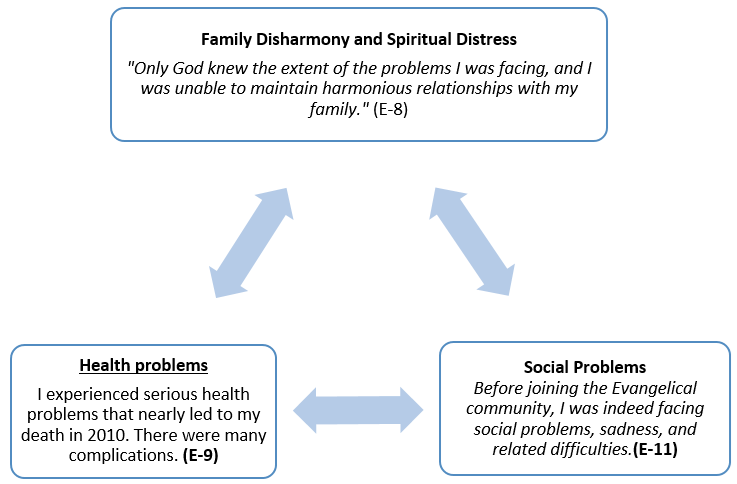
Figure 1 From social dilemmas to religious conversion.
This interpretation is supported by Weber’s perspective, as cited by O’Dea,9 who argues that many human problems arise from fundamental elements of the human condition, namely “contingency, impotence, and scarcity” (p. 22). For this reason, religion may be understood as a human response to situations of frustration and deprivation, constituting social and symbolic forms through which individuals confront unhappiness, attribute meaning to suffering, and develop mechanisms of adaptation to reality. In this sense, the interviewees’ testimonies reveal that the search for the church is closely linked to the need to find spiritual and social support in the face of life’s limitations and uncertainties.
Among the reasons that lead individuals to religious conversion are the effective organisation of the religious community, the sense of unity among its members, spiritual deliverance and family intercession, the teaching of biblical prophecy, faith healing, spiritual motivations, physical health problems (illnesses), and evangelisation.
“The reasons that initially led me to attend this community were its good organisation, the unity that exists among its members, and, above all, the fact that it is a church committed to spiritual deliverance and the intercession for families...” (E-8).
“Well, the primary reason in our church is that, besides teaching God’s Word through prophecy, we heal the sick in the name of the Lord Jesus Christ. Therefore, this is the main reason why believers come to our congregation—to receive healing through Jesus Christ. We heal all kinds of illnesses in the name of the Lord, truly and faithfully.” (E-7).
These accounts indicate that individuals seek out these religious organisations in search of spirituality, a more fulfilling life, harmony, and improved family relationships. It can therefore be argued that a clear transformation in both family and interpersonal relationships is taking place within this context.
Another noteworthy aspect emerging from these testimonies is the healing of illnesses, which is also regarded as a significant factor in conversion to these churches. Such organisations become particularly attractive because they recognise and address the need to reframe the understanding of illness within the broader context of spiritual beliefs. According to Kezita Michingi,15 Johrei is considered a liberating instrument against humanity’s three major afflictions: illness, conflict, and poverty.
Changes following religious conversion
Regarding the changes experienced after religious conversion, the interviewees highlighted behavioural changes, spiritual transformation, modifications in character, in their way of being and acting, and, ultimately, the discovery of the truth.
“After conversion, the changes we observe are behavioural and spiritual because every human being needs God above all else. However, it is after receiving the calling that we undergo repentance, and through repentance we become a new being, a new creature. In other words, throughout this process, the individual is moulded and transformed. Through conversion, we become a new creation, as proclaimed in the Holy Scriptures. This means that our former self—our character, our ideas, our way of thinking, and our way of being and acting, both spiritually and humanly—is transformed according to our faith in Jesus Christ.” (E11)
“In the name of the Eternal God, I have experienced many changes because, before, I was a person who did not show much respect. At times, I would spend time with other people, and we would go to places where we danced and drank, although I did not always drink. Sometimes we danced, and sometimes we behaved disrespectfully. I did not know how to speak appropriately to those around me or to my neighbours. But now I communicate much better with those close to me, I show respect, and I know the truth. I also understand that engaging in those behaviours is a sin.” (E13)
Following their conversion to these churches, believers report undergoing a profound process of personal transformation, characterised by the emergence of a renewed self and the abandonment of practices associated with their former way of life. The testimonies indicate that this change is understood not merely as adherence to a new religious affiliation but rather as a comprehensive reconstruction of personal identity, encompassing behavioural, spiritual, and social dimensions.
The interviewees associate conversion with repentance and the birth of a “new creature,” an expression rooted in the Christian tradition and understood as a continuous process of renewing one’s character, ideas, patterns of thought, and attitudes towards life. From this perspective, the former self is progressively replaced by a new way of being, shaped by the teachings and values attributed to Jesus Christ, thereby making the religious experience a mechanism for moral and ethical reorientation.
The accounts further demonstrate that this transformation has significant implications for interpersonal relationships. Practices previously regarded as inappropriate, such as the consumption of alcoholic beverages, certain deviant behaviours, and attitudes of disrespect towards the collective conscience, are subsequently rejected by the believers themselves, who report developing greater respect for family members, neighbours, and the wider community. Consequently, conversion is perceived as a process of spiritual refinement that produces tangible effects in everyday life, influencing the manner in which individuals interpret their actions and establish social relationships.
Main religious ceremonies
With regard to the main religious ceremonies, the most prominent include worship services, praise services, prayer vigils, victory vigils, Holy Communion, baptism, regular divine services, divine services with matrimonial effects, divine services in favour of the deceased, marriage ceremonies, deliverance, conversion, seminars, and biblical conferences. As reflected in the participants’ statements:
“The first is the worship service, which is the Sunday service. On Sundays, we also hold praise services, which are concerts that we organise in the church. We have prayer vigils, victory vigils, youth gatherings, Holy Communion, marriage ceremonies, and many other activities, including baptism.” (E-11)
“There are many ceremonies: baptism, Holy Communion.” (E-4)
“We have Holy Communion, which is the principal ceremony for us; we also have preaching and seminars.” (E-5)
“Well, we have baptism, Holy Communion, marriage, deliverance, conversion, seminars, and biblical conferences.” (E-1)
The interviewees’ statements demonstrate that the churches investigated conduct a diverse range of religious ceremonies and practices that guide the spiritual and communal life of their members. Among the most recurrent activities are Sunday worship services, praise concerts, prayer vigils, youth meetings, Holy Communion, baptisms, marriage ceremonies, seminars, biblical conferences, and ceremonies of deliverance and conversion. The recurrence of these practices in the participants’ accounts indicates that they are not merely occasional events but rather constitute central moments of religious socialisation, the strengthening of faith, and the reaffirmation of the collective identity of the Christian community.
The empirical evidence shows that these ceremonies hold profound significance in the religious life of the members, as they are understood as spiritual manifestations that bring human beings closer to God and guide their process of moral and spiritual development. In this context, rites such as baptism symbolise formal admission into the community of faith and spiritual rebirth; Holy Communion represents communion with Christ and with fellow believers; while seminars and biblical conferences fulfil a pedagogical function by promoting a deeper understanding of the Scriptures and the doctrinal formation of believers. Likewise, vigils and victory services are conceived as moments of intense spirituality during which participants seek to strengthen their faith, obtain divine protection, and overcome the challenges of everyday life.
Another important aspect to consider is that, within the context of African religious traditions, the veneration of ancestral spirits, expressed through worship, rituals, and offerings performed by the living, constitutes a symbolic element associated with the pursuit of harmony, balance, and communal well-being. Although the interviewees emphasise ceremonies that are characteristic of the Christian tradition, African religiosity has historically exhibited a strong ritual dimension, in which ceremonial practices play a fundamental role in mediating between the visible and the invisible worlds and in preserving social cohesion.
This interpretation is supported by O'Dea,9 who argues that, in most religions, a salient feature “is the existence of ritual and liturgy, which enable human beings to enter into relationships with God, gods, and other sacred forces, while also expressing the responses and sentiments inherent in such relationships” (p. 16). From this perspective, religious rituals transcend a strictly symbolic dimension, becoming mechanisms for the expression of faith, the transmission of values, and the integration of individuals into the religious community.
Religious mobility
It was observed that a large proportion of the interviewees had previously attended other churches. Regarding the religious mobility of the fourteen (14) respondents, one (1) indicated that they had formerly belonged to a Protestant church and currently attend the Excellent Grace Pentecostal Assembly of God Church. Another respondent (1) reported having attended MERE and Carmelo,and currently worships at Centro Semeador. One (1) interviewee stated that they were initially a Kimbanguist, later became Catholic, and currently attend the Boa Nova Mensagem Church. Another respondent (1) affirmed that they had been a member of the Catholic Church before joining the Church of Jesus Christ of the Spirit of Truth – BIMA.
“Yes, I have. For example, I started at MERE, then went to Carmelo, and now I am at Semeador. Well, I did not really abandon the previous churches, but my wife was the one who took me to Centro Semeador.” (E4)
“Yes, I have. I was Kimbanguist. I did not abandon it completely; I grew up in the Kimbanguist Church, and what I experienced there eventually led me to the Catholic Church, where I attended for several years. It did not work out, and then I discovered this church. I liked it, fell in love with it, and now I attend Boa Nova Mensagem Church.” (E13)
“I was first a Catholic, but when I left the Catholic Church, well, I felt that I was not experiencing true well-being. God called me through a dream in which I was shown that I should join the Church of Jesus Christ of the Spirit of Truth – BIMA.” (E9)
These findings indicate that, in contemporary society, religion has adapted to an environment characterised by freedom of choice, enabling individuals to select, from among numerous possibilities and according to their personal needs, the religious affiliation that they perceive as most beneficial. The evidence also demonstrates that, throughout their lives, individuals encounter alternative religious paths—or, more precisely, different ways of attaining the salvation of the soul—and consequently abandon their original church or religious denomination.
With regard to religious mobility, it is worth noting that one of its most distinctive characteristics is that a significant proportion of converts already possess prior religious experience. Discussing religious mobility today reveals that many believers, in their search for fulfilment and answers to their personal dilemmas, experience different religious traditions. This movement is often influenced by the prosperity theology, which has become one of the main factors motivating people to migrate from one church to another. As Rev. José Evaristo Abias16 argues, one of the most striking aspects of this new religious dynamic is the dulling of religious consciousness and the ease with which individuals move from one denomination to another without any sense of constraint. We are living in the era of a borderless religious marketplace, where religion spreads and fragments itself, making its origins increasingly difficult to identify. It continuously reshapes itself in response to new demands, expands into new social spaces, and enters the marketplace. Religion proliferates and becomes increasingly pluralistic; consequently, it is subjected to the logic of competition and, like a commodity, is offered and consumed (ibid.). In a society where there are few restrictions within the religious sphere, believers are free to embrace those religious beliefs that they perceive as providing answers to conditions of contingency, scarcity, and human powerlessness (Figure 2).
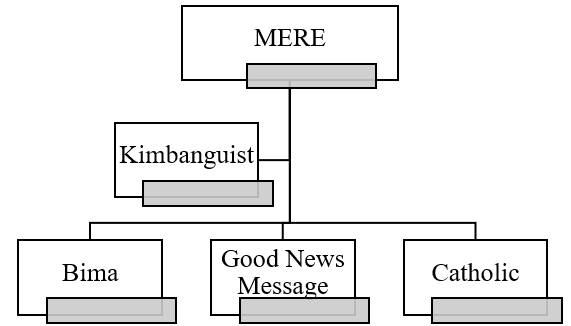
Figure 1 Religious mobility.
The data obtained indicate that a proportion of the respondents have a religious trajectory characterised by affiliation with different churches, thereby evidencing the phenomenon of religious mobility within the context under study. Of the fourteen (14) participants, four (4) reported having previously belonged to other denominations before joining the church they currently attend, whereas the remaining respondents either maintained their original religious affiliation or did not report any change in denominational membership.
The testimonies reveal that these transitions were not necessarily the result of institutional conflicts or dissatisfaction with their previous churches, but rather stemmed from personal processes of spiritual search, family influence, and identification with new religious experiences. In the case of respondent E4, for example, his passage through MERE and subsequently through Carmelo culminated in his affiliation with Centro Semeador. This decision was influenced by his wife, demonstrating the significant role that family relationships can play in religious mobility. The respondent himself stated that he did not leave his previous churches because of disagreement with them, but rather due to circumstances associated with his family context.
Similarly, respondent E13 reported having been raised in the Kimbanguist Church, later joining the Catholic Church and subsequently the Boa Nova Mensagem Church. His narrative illustrates a gradual process of religious identity formation, in which his continued membership in his current church is justified by a sense of affinity and spiritual fulfilment, as reflected in his statement that he “liked and loved” that religious community.
In turn, respondent E9 attributed his transition from the Catholic Church to the Church of Jesus Christ of the Spirit of Truth – BIMA to a spiritual experience. He explained that he did not feel fully fulfilled in his previous church and that his adherence to the new denomination was motivated by a dream, which he interpreted as a divine calling. This testimony demonstrates that, for some believers, subjective and symbolic experiences play a decisive role in the choice of religious affiliation.
The process of church recognition in rocha pinto neighborhood
Regarding the recognition of churches in this neighborhood, one of the religious leaders stated that the documentation required for legal recognition is currently being processed by the Ministry of Justice and also indicated that the church is a member of CIRA. Another respondent (1) reported only that the church is recognized by the Council of Revival Churches in Angola (CIRA). The interviewees stated as follows:
“Well, we have the documents; they are with the Ministry of Justice, but the process is still ongoing. You see, among the churches that have documentation through the Culture sector, we have documents with the Justice authorities, and we are also members of CIRA.” (E1)
“Well, it is recognized through CIRA, which is the Council of Revival Churches in Angola. As for the dates, they are somewhat difficult to specify, but they are contained in the documents that we possess.” (E10)
The statements provided by the interviewees suggest that a significant proportion of these churches conduct their religious activities without the appropriate legal recognition from the Angolan State. From the participants’ perspective, the absence of official accreditation constitutes an indicator of irregular operation, raising concerns regarding the legality of their activities and the mechanisms of state oversight.
It is important to note that, in Angola, the legal recognition of religious denominations falls under the authority of the State, with the process being administered by the Ministry of Justice and Human Rights in accordance with the legal requirements established by national legislation and subject to the opinion of the competent bodies responsible for religious affairs. Among these institutions, the National Institute for Religious Affairs (INAR) plays a central role, being responsible for the study, monitoring, and analysis of religious phenomena within the country. In this context, legal recognition constitutes an institutional regulatory mechanism designed to ensure that religious organizations operate in compliance with the national legal framework.
The testimonies of the interviewees further reveal the perception that many churches operating within the neighborhood function illegally, precisely because they lack official recognition from the Angolan State. According to this interpretation, some of these institutions rely on the Council of Revival Churches in Angola (CIRA) as a means of legitimizing their activities. However, it is important to emphasize that CIRA is an ecclesiastical associative organization rather than a state authority empowered to grant legal personality or official recognition to churches. Consequently, affiliation with or membership in CIRA does not replace the legal recognition process prescribed by Angolan legislation. For this reason, from the perspective of the interviewees, many of these churches remain in a situation of administrative irregularity.
Throughout this study, we had the privilege of reflecting on the phenomenon of religious proliferation in the Rocha Pinto neighbourhood. This process constituted an important opportunity for empirical learning.
To achieve the research objectives, a qualitative approach was adopted, employing semi-structured interviews as the primary data collection technique. A total of fourteen (14) participants were interviewed. This methodological approach made it possible to accomplish all the objectives initially established. The findings confirm that the proliferation of new religious movements is closely associated with intense migratory flows, as well as with individuals’ search for stability and solutions to their personal challenges. Membership in these movements is primarily motivated by the pursuit of spiritual, social, and physical well-being and by the expectation of resolving problems affecting these dimensions of life.
The study further revealed that participants attend these churches in search of spirituality, healing, and family unity. In light of their lived realities, these churches emerge as responses to the spiritual and social needs experienced by the interviewees. The findings also demonstrate that the proliferation of churches in recent years has expanded significantly alongside the increasing migration of individuals from foreign countries who present themselves as missionaries. Evidently, there is a relationship between the phenomenon of international immigration and the issue of religious proliferation, as the participants’ testimonies describe immigration as a mechanism through which new religious beliefs and denominations emerge within the religious landscape. Furthermore, many of the adherents to these movements had previously belonged to other religious traditions and, in many cases, had abandoned their former churches.
The participants indicated that they join these new religious movements in search of spirituality, deliverance, family intercession, and healing from illness. We therefore consider this phenomenon to be an increasingly significant issue within contemporary society, particularly as the country continues to experience a constant and often unregulated influx of immigrants, contributing to a growing fragmentation of the religious field.
None.
The authors declares that there are no conflicts of interest.

©2026 Gonga. This is an open access article distributed under the terms of the, which permits unrestricted use, distribution, and build upon your work non-commercially.