Journal of
eISSN: 2574-8114


Research Article Volume 12 Issue 1
 Md Nazrul Islam, Md Al Amin, Sajal Mazumdar
Department of Fashion Design & Technology (FDT), Sonargaon University (SU), Dhaka, Bangladesh
Correspondence: Md Ahshan Habib, Md Nazrul Islam, Md Al Amin, Sajal Mazumdar, Department of Fashion Design & Technology (FDT), Sonargaon University (SU), Dhaka, Bangladesh, Tel +8801955529877
Received: December 17, 2025 | Published: January 12, 2026
Citation: Habib A, Islam N, Amin A, et al. The role of traffic light-based real-time process quality control in increasing production efficiency and customer satisfaction in the RMG industry of Bangladesh. J Textile Eng Fashion Technol. 2026;12(1):1-9. DOI: 10.15406/jteft.2026.12.00442
Consumers and retailers worldwide increasingly seek high-quality apparel at competitive prices. However, the rising expenses associated with rework, inspection, and comprehensive quality assurance create a critical challenge for manufacturers to sustain both quality and production efficiency. End-of-line inspection processes are costly and often lead to high rejection rates, production delays, and reduced profitability, resulting in losses for buyers, manufacturers, and consumers alike. To address these challenges, real-time process quality control offers a proactive approach to identifying and solving problems during production. One effective method is the Traffic Light-Based Quality Control System, which visually signals real-time production status using color codes (Red, Yellow, and Green) to represent different quality states. This enables operators and supervisors to take immediate corrective actions, ensuring smoother operations and preventing defects before they escalate. This study examines the effectiveness of the traffic light quality system in improving First-Pass Quality (FPQ) and overall production efficiency in the ready-made garment (RMG) industry of Bangladesh. Empirical data were collected from 94 production lines across three factories to analyze the system’s impact on Defects per Hundred Units (DHU), line efficiency, and hit rate. The research also evaluates the role of operator responsiveness, standard operating procedures (SOPs), and employee training programs in reinforcing the factory’s quality management culture.
The Two-Factor ANOVA results demonstrate highly statistically significant improvements in process performance. The Group Factor (TLS implementation vs. Control) was highly significant across all metrics: DHU (P=0.00035), Line Efficiency (P=0.000843), and Hit Rate (P=0.00389). This confirms significant improvements in process stability, quality, and production efficiency, which leads to higher customer satisfaction. The study confirms that traffic light-based real-time quality control is a strategic tool for achieving sustainable competitiveness in the global apparel market.
Keywords: real-time process control, traffic light system, production efficiency, quality improvement, customer satisfaction, Defects per Hundred Units (DHU), RMG industry
Background of the study
The Ready-Made Garments (RMG) industry is widely recognized as the backbone of the Bangladeshi economy. This sector contributes significantly to the national export revenue, accounting for over 81.29 % in 2023/2024 and 84.21 % in 2018/2019 of the country’s total exports, while providing employment for more than four million people.1 Bangladesh’s RMG industry is a key driver of economic growth, contributing a large share of export earnings and maintaining the country's economic trajectory. This growth is accompanied by dynamic factors such as escalating consumer demands, rapidly shifting global fashion trends, and intense competition, all of which necessitate effective merchandising strategies and properly maintained quality control.1,2 The rising consumer demand for readymade garments in Bangladesh is influenced by factors including price, style, comfort, quality, and availability. Due to varied consumer tastes and purposes across different groups, demographic and psychographic segmentation also significantly impacts quality control requirements and purchasing decisions.2
To retain the satisfaction of the thousands of foreign buyers and international brands that source from Bangladesh, ensuring consistent, high-quality garments through stringent quality control measures is indispensable. While this sector's contribution to the economy is substantial, the inherent challenges of the ready-made garment sector require strategic steps to ensure long-term competitiveness and sustained growth.3
The imperative for process improvement
The garment industry is moving rapidly due to globalization. In this increasingly competitive global market, it is imperative for garment manufacturers to maintain high production efficiency, ensure excellent garment quality, and consistently meet demanding customer requirements.4 Every garment manufacturer in Bangladesh must prioritize its valuable customers. Modern buyers are highly standardized, and maintaining a high standard inspection policy is crucial to motivate them to place more orders in the country. Therefore, establishing various modern standardization methods and quality management strategies is essential for the development of the readymade garment sector in Bangladesh.5
However, traditional end-of-line quality control methods which rely exclusively on final inspection are inherently reactive. Such methods invariably result in rework, excessive waste, and costly delays. Specific drawbacks include production disruptions, delays in preventing defects, difficulty in identifying the root causes, the inability to assign responsibility for defects within the manufacturing process, and an increased cost of correction.6 These traditional quality control systems can ultimately lead to product quality and production disruptions, thus highlighting the need for a proactive alternative.
Real-time quality control: the traffic light system
To address these challenges, the implementation of traffic light-based real-time process control systems introduces a proactive approach.7 Process-wise defects must be prevented early in the product production cycle by checking the quality of the manufactured product at the right time.8 By immediately signaling quality or productivity issues to both operators and supervisors, these systems facilitate instant intervention, thereby reducing errors and optimizing workflow. The active benefits of a traffic light-based real-time process control system include:
Research aim and scope
In light of the pressing need for proactive quality control in the Bangladeshi RMG industry, this study examines the effectiveness of the traffic light quality system in improving First-Pass Quality (FPQ) and overall production efficiency. Empirical data were collected from multiple production lines to analyze the system’s impact on Defects per Hundred Units (DHU), defect frequency, and line productivity. The research also evaluates the role of operator responsiveness, standard operating procedures (SOPs), and employee training programs in reinforcing the factory’s quality management culture. Findings are expected to show significant improvements in process stability, final inspection pass rates, and customer satisfaction, confirming that traffic light-based real-time quality control serves as a strategic tool for sustainable competitiveness in the global apparel market.
Problem statement and rationale of the study
Bangladeshi garment factories continue to face persistent operational bottlenecks that compromise production efficiency and weaken product quality. Traditional, reactive quality assurance systems are characterized by critical deficiencies, including communication gaps between sewing operators, line supervisors, and end-table quality inspectors. Furthermore, inconsistent line balancing and slow, reactive responses to emerging production issues frequently disrupt workflow and compound the likelihood of errors. These conditions are further aggravated by the absence of a structured, real-time mechanism to identify operator-specific defects, resulting in high defect rates, excessive rework, unstable quality outputs, and, ultimately, dissatisfaction among buyers due to delayed shipments or uneven product standards.
These systemic inefficiencies underscore the need for a more proactive, real-time approach to production oversight, which the Traffic Light-Based Real-Time Process Control System (TLS) is uniquely positioned to address. The TLS offers a viable solution by providing immediate visual indicators of process deviations, identifying problem areas at the moment they occur, and enabling supervisors to take prompt corrective action before defects escalate. In addition, the system facilitates operator-level performance tracking, supporting the recognition of high-performing workers and enabling targeted skill development where needed. Given these combined benefits, investigating the traffic light-based approach is a strategic necessity for improving production efficiency, minimizing errors, strengthening quality consistency, and enhancing overall customer satisfaction within the Bangladeshi RMG sector.
Research objectives
The primary objective of this study is to conduct an empirical examination of the role of traffic light-based real-time process control systems in improving operational performance within Bangladesh’s ready-made garment (RMG) industry.
The specific objectives are:
Importance of the study
This research holds significant implications for both industrial practice and academic inquiry. Specifically, it demonstrates how traffic light-based real-time process control systems address critical challenges of efficiency, quality, and consistency in Bangladesh’s ready-made garment (RMG) sector, a major contributor to national economic growth. For Industry Stakeholders: These systems offer data-driven insights that empower managers, supervisors, and quality professionals to make proactive, data-driven decisions, thereby reducing operational errors, ensuring product uniformity, and improving overall productivity. By supporting earlier interventions and minimizing defects, traffic light-based controls help factories consistently meet stringent buyer expectations, comply with international quality requirements, and maintain stable delivery schedules. For Academics and Policymakers: The findings provide empirical evidence illustrating how real-time process control can reinforce global supply chain standards, encourage technological modernization, and promote sustainable manufacturing practices. This study contributes specifically to the body of literature on continuous process improvement and quality management within the context of developing economies. Ultimately, this research presents a forward-looking pathway for the technological advancement and structural improvement of Bangladesh’s RMG sector, demonstrating how wider adoption of real-time, data-centered quality control technologies can enhance long-term competitiveness in the international apparel market.
Theoretical and conceptual foundations
Concept of real-time process control
Real-time process control (RTPC) is a proactive approach to managing industrial operations that involves continuous monitoring, immediate analysis, and rapid adjustment of production parameters to maintain process stability, efficiency, and quality. Unlike traditional end-of-line quality inspections, which detect defects only after completion of production, real-time control systems enable early identification of deviations, minimizing rework, waste, and production disruptions.11 In industrial contexts, including the ready-made garment (RMG) sector, real-time process control ensures that operations remain within defined tolerances, reducing variability and enhancing consistency across production lines.
Central to real-time control is the integration of sensors, data acquisition systems, and automated or semi-automated feedback mechanisms. These systems collect data on operational parameters such as machine performance, line speed, and output quality, allowing for immediate corrective interventions if deviations are detected. Real-time monitoring systems are closely aligned with Lean Manufacturing principles, Six Sigma, and Total Quality Management (TQM) philosophies, which emphasize continuous improvement, waste reduction, and data-driven decision-making.12–14
In Lean systems, real-time control prevents bottlenecks, optimizes workflow, and ensures a smooth process flow. In Six Sigma contexts, it reduces process variability and enhances process capability, while TQM emphasizes consistent quality standards supported by immediate feedback loops. Within the RMG industry, operational challenges such as line balancing inefficiencies, inconsistent operator performance, high defect rates, and delays in communication between sewing operators, line supervisors, and quality inspectors are widespread. Real-time process control addresses these challenges by providing immediate visibility into process deviations, allowing supervisors and operators to implement corrective actions before defects escalate.
Traffic light-based quality control systems
A widely adopted application of real-time process control in the RMG sector is the Traffic Light-Based Quality Control System (TLS). This system uses color-coded indicators to signal the quality status of production operations.10,15
Green Light: Indicates Normal operation, where production targets are achieved, zero defect rates are maintained, and operator performance is satisfactory.
Yellow Light: Functions as a Warning, signaling minor defects, slight delays, or minor machine malfunctions, requiring supervisor intervention or minor adjustments.
Red Light: Indicates a Critical state, signaling major quality issues, machine breakdowns, or target failures, which require immediate corrective action.10,15
This visual signaling approach allows for real-time tracking of operator performance, machine efficiency, and overall line productivity. Supervisors can record the duration of each workstation under each color condition, providing a quantitative basis for evaluating operator efficiency and identifying areas requiring intervention.
Operational protocol and standard sample size
The operational protocol is known as the Hourly 5/7/10 Pieces Inspection & Process Control by Traffic Light Chart System. The Operator Quality Performance Sheet by Traffic Light System is a card hung on each machine, detailing the standard sample size (5, 7, or 10 pieces per hour), the color assigned, the findings, and the operational instruction. Process-wise, the line quality supervisor checks the first 7/5/10 pieces of output each hour, maintaining a check record. The TLS uses three color cards-GREEN, YELLOW, and RED which operate according to defined defect quantities:
|
Status color |
Quality finding (Defect Count) |
Operational implication |
|
Green |
Zero Defects in the inspection sample. |
Normal Operation: Process continues. |
|
Yellow |
One Defect found in the sample. |
Warning: Supervisor provides immediate training/intervention. |
|
Red |
Two or More Defects found, or a repeated yellow issue. |
Critical: Production stops; immediate and severe corrective action (e.g., operator change/machine |
The most common system used by factories is the 7/0 system; however, the 10/0 system is considered the best for a Good/Strong Quality system, with 5/0 also being widely used.
The purpose of the traffic light system is multi-faceted:
Defect prevention at source: By signaling issues as they occur, operators can immediately correct errors, preventing defective garments from progressing further in the production line.7
Enhanced operator accountability: Operator-level monitoring enables recognition of high-performing individuals and targeted training for those needing improvement.10
Reduction of rework and waste: Early detection minimizes the number of defective garments, reduces the cost of rectification, and increases overall productivity.
Process transparency and motivation: Real-time visual feedback creates physiological motivation for operators to maintain high quality standards and consistent performance.
Studies indicate that implementing traffic light systems enhances not only operational efficiency but also quality outcomes. For instance, a Bangladeshi RMG firm successfully demonstrated that a traffic-light system increased monthly production capacity without additional resources and strengthened supply chain performance.7
Operationalization and implementation in RMG factories
The traffic light quality system is operationalized through structured in-line inspections, which typically include:
First-hour output check: Supervisors inspect all machines and first-hour outputs (8:00 - 9:00 a.m.), reviewing needle size, thread tension, mockup accuracy, and sample garments for compliance with buyer specifications.
Hourly random checks (5/7/10 pcs.): Line quality Controllers check 5/7/10 pcs random samples of garments every 2 hours. If defects are identified, the operator receives immediate feedback. Three consecutive defective instances trigger corrective actions, such as operator retraining, machine adjustments, or temporary line reallocation.
Bi-daily audits: QC inspectors conduct random checks before and after lunch to verify size, measurement, and overall quality compliance. Defective garments are returned to operators for correction, and the corrective actions are documented in the operator’s performance sheet.
This system ensures continuous monitoring, immediate intervention, and systematic documentation, enabling factories to achieve high First-Pass Quality (FPQ) rates, lower Defects per Hundred Units (DHU), and improved operator performance. The traffic light approach also includes operator-based performance tracking, which provides a basis for recognition and incentives, aligning human resource management with production goals. High-performing operators can be identified, rewarded, and used as benchmarks, while underperforming individuals receive targeted support. This dual focus on accountability and skill development fosters a culture of continuous improvement.10
Production efficiency metrics
Several Key Performance Indicators (KPIs) are critical to measuring the impact of traffic light systems on efficiency and quality:
These metrics provide a quantitative basis to assess how traffic light systems influence efficiency and overall line performance. Previous research highlights that improvements in FPQ, DHU, and line efficiency are strongly associated with reduced rework, lower operational costs, and higher profitability in RMG factories.7
Customer satisfaction in the RMG sector
Customer satisfaction is a critical outcome of operational performance, encompassing timeliness, product consistency, compliance with specifications, and on-time delivery (Theseus, 2022). By integrating real-time process control with traffic light systems, RMG factories can:
The literature emphasizes that aligning operational efficiency with customer-focused KPIs establishes a feedback loop where improved process control directly translates to enhance market competitiveness and buyer trust.16
Linking operator performance to quality
A key advantage of the traffic light system is its ability to link operator-specific performance to overall production quality. By documenting defects, machine issues, and corrective actions for each operator, management can: identify consistently high-performing operators; target training and mentoring interventions for operators with frequent defects; and provide motivation and recognition for superior performance. This approach supports a data-driven human resource strategy that complements technological interventions, reinforcing quality culture in the factory.10
Process-wise defect prevention and root cause analysis
Real-time traffic light systems facilitate process-wise defect prevention, ensuring that defects are addressed at their source rather than after production completion. This involves: continuous monitoring of machine settings, operator performance, and output quality; immediate corrective action upon detection of deviations; and root cause analysis for recurring defects, enabling process improvements and prevention of future errors. Empirical studies in RMG contexts have shown that this approach reduces DHU, minimizes rework, and stabilizes FPQ, which collectively improves production efficiency and customer satisfaction.7
Integration with lean and six sigma practices
Traffic light systems are complementary to Lean and Six Sigma methodologies: Lean Integration supports smooth workflow, reduces bottlenecks, and prevents waste by maintaining continuous process monitoring, while Six Sigma Integration ensures operations remain within statistical control limits, reducing process variation and enhancing product quality. By embedding traffic light systems within existing quality frameworks, factories can achieve sustained process improvements, consistent output quality, and measurable efficiency gains.17
Summary of theoretical and conceptual foundations
Overall, the literature demonstrates that traffic light-based real-time process control systems provide tangible benefits for the RMG industry by:
These findings provide a strong foundation for the present study, which seeks to empirically validate these benefits in the Bangladeshi RMG context through a comparative, data-driven analysis across multiple factories and production lines. The literature supports the study’s focus on DHU, FPQ, line efficiency, operator performance, and customer-focused KPIs as critical indicators of system effectiveness, ensuring alignment between theory, methodology, and research objectives.
Research design
This study employed a comparative, quasi-experimental research design utilizing quantitative methods. The design focused on comparing the operational performance of production lines exposed to the Traffic Light System (TLS) intervention against a control group operating under standard procedures. This approach allows for the rigorous, evidence-based evaluation of the system's effectiveness by testing for statistically significant differences in Key Performance Indicators (KPIs) between the groups over a defined period.
Study context and sample
The research was conducted within the Ready-Made Garment (RMG) sector in Narayanganj, Bangladesh, using a purposive sample of 94 production lines across three factories of the NR Group to facilitate comparative analysis. As this study employed a quasi-experimental design, the total sample of 94 production lines was divided into two experimental groups and one non-equivalent control group, as summarized in Table 1.
|
Factory (Group Name) |
TLS status (Group) |
Lines observed |
Purpose |
|
AR-Tex |
Experimental Group (TLS) |
34 Lines |
Comparison of performance after TLS implementation. |
|
NRK |
Experimental Group (TLS) |
28 Lines |
Comparison of performance after TLS implementation. |
|
NRG Knit Composite |
Control Group (No TLS) |
32 Lines |
Serves as the control for quantifying efficiency and quality gains. |
Table 1 Composition of the study sample and research design groups
The sampling framework, consisting of the three factory groups (AR-Tex, NRK, and NRG Knit Composite), captures variation across operators, line types, and production processes, allowing for rigorous comparison between lines with and without real-time traffic light monitoring.
Data collection and operationalization
Data collection relied on both production records (secondary data) and manager/supervisor input (primary data). Data were collected and tracked over a three-month period (August–October, 2025) to evaluate both immediate and sustained changes in performance.
Sample size justification: The study utilized a sample size of 94 production lines across three different factory environments. This sample size was determined to provide sufficient statistical power to detect meaningful differences in DHU, Line Efficiency, and Hit Rate through Two-Factor ANOVA. Furthermore, this scale allowed for the collection of high-fidelity, real-time data without exceeding the logistical capacity for consistent daily monitoring over a three-month period.
Traffic light quality control data (In-Line Process)
The operational data for the TLS groups (AR-Tex and NRK) were derived from real-time monitoring and documented inspection protocols:
Dependent variable data collection (All Groups)
Data for the dependent variables Defects per Hundred Units (DHU), Line Efficiency, and Hit Rate were collected weekly across all three groups (AR-Tex, NRK, and NRG Knit Composite) for the three-month period. This common data source ensures direct comparability across the experimental and control groups.
Production and Customer-Focused Key Performance Indicators (KPIs)
The following KPIs were collected and aggregated into monthly averages to measure the Dependent Variables (Table 2):
|
Factory (Group Name) |
TLS status (Group) |
Lines observed |
Purpose |
|
AR-Tex |
Experimental Group (TLS) |
34 Lines |
Comparison of performance after TLS implementation. |
|
NRK |
Experimental Group (TLS) |
28 Lines |
Comparison of performance after TLS implementation. |
|
NRG Knit Composite |
Control Group (No TLS) |
32 Lines |
Serves as the control for quantifying efficiency and quality gains. |
Table 2 Operational definitions of dependent variables (KPIs)
Data analysis
The quantitative data collected were subjected to a rigorous analysis aimed at testing the statistical significance of the Traffic Light System (TLS) intervention. The analysis utilized software was Excel Data Analysis Toolpak.
Comparative analysis: Data from factories with TLS (AR-Tex and NRK) were compared against the control factory (NRG Knit Composite) to quantify efficiency gains and defect reduction.
Longitudinal analysis: Key operational data (DHU, Line Efficiency, and Hit Rate) were tracked over a three-month period (August-October, 2025) to observe trends and the sustainability of improvements.
Statistical methods: Descriptive statistics were used to establish baseline and average performance across groups and months. The primary inferential test employed was the Two-Factor ANOVA without Replication. This method was used to test the statistical significance of differences across the three factory groups (Factor 1: Groups) and across the three time periods (Factor 2: Time) for each KPI. The Two-Factor ANOVA without Replication was selected because it is ideal for analyzing data collected from pre-existing, non-randomized groups (quasi-experimental design) measured repeatedly over time.
Ethical considerations
Participation in the study was entirely voluntary, and all operator-specific data collected from performance sheets were anonymized to ensure the confidentiality and privacy of the individuals involved. The research strictly adhered to the principle of non-maleficence: data collection involved only the observation and use of existing factory records, causing no production disruptions beyond normal operational adjustments. Furthermore, all intervention and corrective actions followed established factory Standard Operating Procedures (SOPs) to maintain safety and compliance throughout the study period.
Summary
This methodology provides a strong framework by operationalizing the core concepts of real-time process control and key performance monitoring. It employs a comparative, quasi-experimental approach and utilizes the Two-Factor ANOVA without Replication to deliver a statistically rigorous, evidence-based assessment of the traffic light-based system's effectiveness across critical quality and productivity metrics.
This chapter presents the quantitative findings from the statistical analysis of the three core Key Performance Indicators (KPIs) Defects per Hundred Units (DHU), Line Efficiency, and Hit Rate across the three factory groups (AR-Tex, NRK, and NRG Knit Composite) over the three-month study period (August to October). A Two-Factor Analysis of Variance (ANOVA) Without Replication was conducted on the aggregated monthly data for each KPI to test for statistically significant differences across the groups (Comparative Analysis) and over time (Longitudinal Analysis).
Defects per Hundred Units (DHU) Analysis (Quality)
Descriptive Findings (DHU): The descriptive statistics for DHU indicate a substantial visible difference in quality performance between the groups. The average DHU for the Traffic Light System (TLS) groups (AR-Tex: 5.34% and NRK: 5.39%) was visibly lower than that of the Control group (NRG Knit Composite) at 8.36%.
As illustrated in Figure 1, the TLS groups demonstrated a favorable reduction in average DHU over the intervention period. Specifically, the AR-Tex group dropped its DHU from 5.62% in August to 4.90% in October, and the NRK group showed a similar improvement, dropping from 5.78% to 4.94%. In stark contrast, the Control group’s DHU trended horizontally, remaining relatively constant and significantly higher than the TLS groups, fluctuating only slightly between 8.38% and 8.49% across the three months. This visual representation confirms the initial descriptive finding that the TLS groups outperformed the Control group in quality during the study period. The complete data breakdown for these figures is provided in Appendix A.
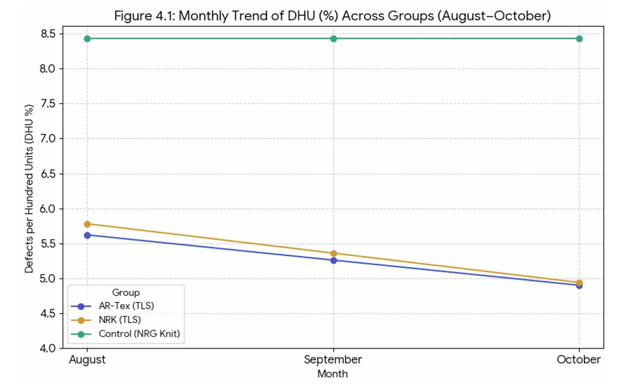
Figure 1 Monthly trend of DHU (%) across groups (August-October).
Inferential Findings (DHU ANOVA): A Two-Factor ANOVA without Replication was conducted on the DHU data to determine the effect of the TLS intervention (Table 3).
|
Source of variation |
Sum of squares (SS) |
df |
Mean square (MS) |
F |
P-value |
|
Groups (Columns) |
0.001797378 |
2 |
0.000898689 |
104.467 |
0.00035 |
|
Time (Rows) |
3.53E-05 |
2 |
1.77E-05 |
2.05 |
0.24365 |
|
Error |
3.44E-05 |
4 |
8.60E-06 |
||
|
Total |
0.001867089 |
8 |
|
|
|
Table 3 Two-Factor ANOVA without replication results for Defects per Hundred Units (DHU)
Group factor (Comparative Analysis): The analysis revealed a highly statistically significant difference between the Group Factor (TLS vs. Control), with an F-statistic of 104.47 and a P-value of 0.00035. Since P < 0.05, the null hypothesis of no difference between the groups is rejected. This provides strong empirical evidence that the Traffic Light System is associated with significantly lower DHU compared to the standard process control. The complete data breakdown and analysis for these figures is provided in Appendix A.
Time factor (Longitudinal Analysis): Conversely, the Time Factor (August to October) was found to be not statistically significant (F = 2.05, P = 0.24365). This indicates that the observed reduction in DHU was not large enough to be statistically significant across all groups combined over the three months.
Line efficiency analysis (Productivity)
Descriptive findings (Line Efficiency): The Line Efficiency data demonstrated varied performance across the groups. Group 1 (AR-Tex) showed the highest overall average (0.670062), while the Control group was intermediate (0.586645) and Group 2 (NRK) was lowest (0.519433). Figure 2 Overall Average Line Efficiency by Group. As depicted in Figure 2, the overall average line efficiency exhibited a notable spread across the groups. The figure clearly highlights AR-Tex's leading position, recording an average efficiency of approximately 0.67, significantly exceeding both the intermediate Control group (approx. 0.59) and the NRK group (approx.0.52). While the two TLS groups did not perform uniformly, the data visually confirms that one of the TLS groups achieved the highest productivity average in the study. The complete data breakdown for these figures is provided in Appendix B.
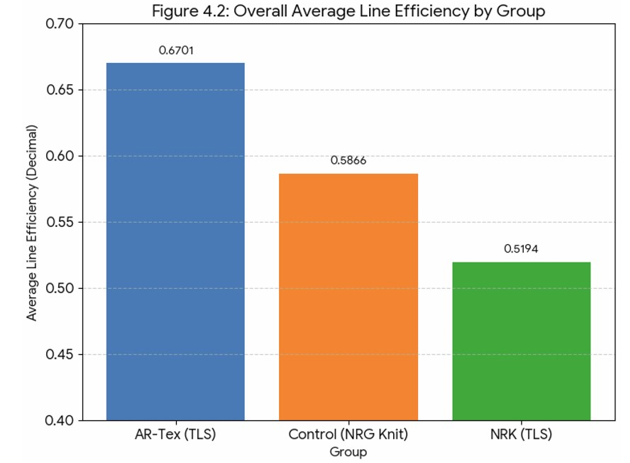
Figure 2 Overall average line efficiency by group.
Inferential findings (Line Efficiency ANOVA): A Two-Factor ANOVA without Replication was conducted on the Line Efficiency data (Table 4).
|
Source of variation |
Sum of squares (SS) |
df |
Mean square (MS) |
F |
P-value |
|
Rows (Time) |
0.002232 |
2 |
0.001116 |
4.369 |
0.098607 |
|
Columns (Groups) |
0.034165 |
2 |
0.017082 |
66.863 |
0.000843 |
|
Error |
0.001023 |
4 |
0.00025575 |
||
|
Total |
0.03742 |
8 |
|
|
|
Table 4 Two-Factor ANOVA without replication results for line efficiency (%)
Group Factor (Comparative Analysis): The analysis demonstrated a highly statistically significant difference in Line Efficiency between the Group Factor (TLS vs. Control), yielding an F-statistic of 66.86 and a P-value of 0.000843. This highly significant result provides strong empirical evidence that the groups differ significantly in productivity. Time Factor (Longitudinal Analysis): The Time Factor (August to October) was found to be not statistically significant (F = 4.37, P = 0.0986). This indicates that the overall change across the three-month period was not statistically proven across all groups combined. The complete data breakdown and analysis for these figures is provided in Appendix B.
Hit rate analysis (Productivity)
Descriptive findings (Hit Rate): The Hit Rate data showed that both TLS groups achieved high average performance, with NRK averaging 0.983466 and AR-Tex averaging 0.982216, while the Control group averaged 0.912757. Figure 3 Overall Average Hit Rate by Group.
As shown in Figure 3, the Hit Rate averages clearly segregated the groups into two distinct clusters. Both TLS groups, NRK and AR-Tex, demonstrated an exceptionally high average Hit Rate, close to 0.98 (or 98%), visually confirming their superior productivity in this measure. In contrast, the Control group’s average Hit Rate clustered significantly lower, around 0.91. This visual gap strongly reinforces the descriptive finding that the TLS intervention is associated with a much higher quality of production flow (Hit Rate) compared to the standard process. The complete data breakdown for these figures is provided in Appendix C.
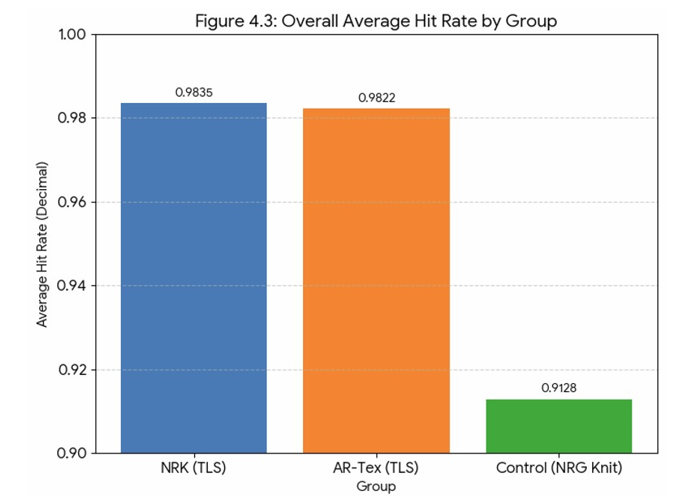
Figure 3 Overall average hit rate by group.
Inferential findings (Hit Rate ANOVA): The final analysis tested the Hit Rate using a Two-Factor ANOVA without Replication (Table 5).
|
Source of variation |
Sum of squares (SS) |
df |
Mean square (MS) |
F |
P-value |
|
Rows (Time) |
0.002274 |
2 |
0.001137 |
6.956 |
0.049862 |
|
Columns (Groups) |
0.009826 |
2 |
0.004913 |
30.062 |
0.003891 |
|
Error |
0.000654 |
4 |
0.0001635 |
||
|
Total |
0.012754 |
8 |
|
|
|
Table 5 Two-Factor ANOVA without replication results for hit rate (%)
Group Factor (Comparative Analysis): The analysis yielded a statistically significant difference for the Group Factor (F = 30.06, P = 0.00389). This result confirms that the implementation of the Traffic Light System (TLS) is associated with a significantly different Hit Rate compared to the standard Control group.
Time Factor (Longitudinal Analysis): In a distinct finding, the Time Factor was also found to be statistically significant (F = 6.96, P = 0.04986. This indicates that the Hit Rate across all groups underwent a significant collective change over the August to October period. The complete data breakdown and analysis for these figures is provided in Appendix C.
Summary of inferential findings: The consistent statistically significant differences found in the Group Factor across all three KPIs demonstrate that the TLS intervention is highly effective compared to the control process.
|
KPI |
Groups (P-value) |
Time (P-value) |
Key conclusion |
|
DHU (Quality) |
0.00035 (Significant) |
0.24365 (Not Sig.) |
TLS groups have significantly better quality. |
|
Line Efficiency (Prod.) |
0.00084 (Significant) |
0.09860 (Not Sig.) |
Groups differ significantly in Line Efficiency. |
|
Hit Rate (Prod.) |
0.00389 (Significant) |
0.04986 (Significant) |
Groups differ significantly in Hit Rate, and performance changed over time. |
The empirical analysis yielded consistent and robust statistical evidence supporting the efficacy of the Traffic Light System (TLS) intervention across all measured operational metrics. The highly significant Group Factor observed across DHU (P=0.00035), Line Efficiency (P=0.000843), and Hit Rate (P=0.00389) confirms the study’s central hypothesis that TLS leads to measurably superior performance compared to traditional, reactive control methods.
Quality improvement (DHU)
The strongest statistical effect was found in the DHU analysis (P = 0.00035). This result validates the shift from end-of-line defect detection to real-time defect prevention at the source. The TLS mechanism where yellow and red signals trigger immediate, operator-specific intervention effectively closes the communication and response gap. The significant reduction in DHU is a direct measure of this proactive intervention, confirming that defects were prevented early, reducing the overall cost and volume of rework.
Production efficiency gains (Line Efficiency and Hit Rate)
The significant results for both efficiency metrics confirm TLS as a comprehensive driver of production performance:
The role of time (Longitudinal Effect)
While the Group Factor demonstrated the superiority of the TLS intervention, the Time Factor was also statistically significant for the Hit Rate metric (P = 0.04986). This suggests a collective change in process stability across all groups over the three months. However, the overwhelming significance of the Group Factor across all three metrics (DHU, Line Efficiency, and Hit Rate) indicates that the improvements seen in the TLS factories were systemic and attributable to the TLS intervention itself, not merely a general trend over time.
Study limitations and variability
While both experimental groups (AR-Tex and NRK) implemented the same Traffic Light System (TLS) framework, variance in their efficiency gains suggests potential factory-level confounding effects. These differences may be attributed to internal variables such as:
The primary objective of this study was successfully met by empirically validating the impact of Traffic Light-Based Real-Time Process Quality Control in the Bangladeshi RMG industry.
Recommendations
Based on the empirical findings and their implications, the following recommendations are proposed for industry stakeholders and future academic research:
Industry recommendations (Practice)
Future Research Recommendations (Academic)
None.
None.
The authors declare no conflict of interest.

©2026 Habib, et al. This is an open access article distributed under the terms of the, which permits unrestricted use, distribution, and build upon your work non-commercially.