Journal of
eISSN: 2574-8114


Research Article Volume 11 Issue 2
 Yonggang Su
College of Design, Sichuan Fine Arts Institute, Chongqing, China
Correspondence: Yonggang Su, College of Design, Sichuan Fine Arts Institute, Chongqing, China
Received: April 20, 2025 | Published: May 1, 2025
Citation: Liu J, Su Y. Research on clothing design from the perspective of emotional healing: supported by traditional Chinese culture. J Textile Eng Fashion Technol. 2025;11(2):92-96. DOI: 10.15406/jteft.2025.11.00409
In recent years, emotional healing has emerged as a vital paradigm in fashion design, shifting the function of clothing from aesthetic and physical protection toward psychological comfort and emotional resonance. This study proposes an emotional healing garment system that integrates traditional Chinese cultural theories—particularly the Five Colors and Five Tones of the Huangdi Neijing—with multisensory design and interactive technologies. The research employs a multi-method approach, including theoretical modeling, visual and auditory system design, and a quantitative experiment involving 32 participants. Through the experimental fashion project Lingshu · Five Colors, the study demonstrates how visual-auditory interactions embedded in garments can positively influence emotional states and foster cultural resonance. Results from the PANAS scale and t-test analysis show a significant increase in positive affect after wearing the interactive garment, validating the potential of such systems in psychological intervention. This research expands the scope of emotional design by bridging Eastern philosophy with contemporary wearable technology, offering a culturally rooted and sensorially rich pathway for therapeutic fashion design.
Keywords: emotional design, healing garments, traditional Chinese culture, five tones, wearable interaction, multisensory fashion, cultural symbolism
In the post-pandemic era, the societal understanding of “health” has gradually extended beyond the realm of physical medicine to encompass psychological and emotional well-being. The conventional functions of clothing—covering the body and enhancing aesthetics—are increasingly shifting toward addressing the emotional experiences and psychological comfort of the wearer. As the “second skin” of the body, clothing plays a vital role in human-machine interaction, sensory stimulation, and psychological identification, and is progressively endowed with so-called “non-functional functionalities”.1,2
Emotional healing design, as a key emerging direction in contemporary design research, emphasizes the stimulation of positive emotional states and internal emotional regulation through sensory elements such as vision, hearing, and touch.3 Rooted in the psychological model of Positive Emotion Intervention, this concept was later introduced into product experience design by Don Norman and has since expanded into fields such as fashion, interactive devices, and spatial design.4,5
Simultaneously, Chinese traditional culture has long embraced a holistic view of the body and mind, emphasizing the cultivation of emotions and mental well-being. The Huangdi Neijing explicitly states: “All illnesses arise from qi; anger causes qi to rise, joy causes qi to relax,” and it proposes the regulation of organ functions and emotional states through symbolic systems such as the Five Elements (Wu Xing), Five Colors, and Five Tones.6 This systematic theory, highlighting the correspondence between nature, the human body, and emotions, offers a symbolic and cultural foundation for emotion regulation mechanisms in contemporary design.7
With the advancement of wearable technologies and smart materials, emotional healing design is transitioning from symbolic construction to sensory interaction. Clothing, as a medium, is being integrated with physiological sensing feedback and other technological modules, forming intelligent emotional systems capable of interactive perception. Such multisensory intervention mechanisms help establish feedback channels between the body, perception, and emotion, enhancing the psychological support experience for the wearer.8,9
This study aims to construct an emotional healing garment system that integrates cultural depth with technological interactivity, through an analysis of emotional healing design theory and expressive frameworks in traditional Chinese culture. Focusing on Eastern philosophical systems—particularly the Huangdi Neijing’s theories of the Five Colors and Five Tones—this research explores how these concepts can be transformed into perceptible visual and auditory languages. It further analyzes the sensory mechanisms of emotional healing garments and their internal logic in cultural resonance. An experimental fashion design project, Lingshu · Five Colors, is presented as a case study to demonstrate the integration of multisensory interactive systems in emotional healing clothing and their cultural significance and methodological implications. Through the design of an emotional regulation system, this research contributes to broadening the cross-cultural trajectory of emotional healing design and establishing a perceptual dialogue between Eastern philosophy and contemporary technology.10 By bridging traditional Chinese culture and modern expressive languages, the study deepens the humanistic connotation of clothing and leverages vision and sound as core sensory touchpoints to stimulate the potential of multisensory synergy in cultural contextualization, ultimately opening multidimensional expressive channels for emotional healing garments.
This study aims to develop an emotional healing garment system, focusing on the visual and auditory sensory dimensions, and incorporates quantitative experimental methods to evaluate the system’s influence on the wearer’s emotional states. The research methodology consists of four components: conceptual model construction, visual healing system design, auditory healing interaction system development, and an emotional intervention experiment.
Construction of the emotional healing conceptual model
During the preparatory phase, a systematic literature review and analysis were conducted to clarify the conceptual boundaries and research orientation of emotional healing design. Particular attention was paid to multisensory mechanisms and psychological intervention pathways in fashion design. The literature covered areas such as emotional design theory, color psychology, auditory intervention mechanisms, and the Five Elements theory in traditional Chinese medicine, which together formed the theoretical foundation for modeling the sensory-emotion relationship in garments.1,4,6 Traditional Chinese cultural content, primarily derived from the Huangdi Neijing, was analyzed to extract relationships between sensory elements and emotional regulation, particularly those rooted in the concepts of mind-body unity and the Five Colors–Five Tones system, providing the symbolic framework for visual and auditory design.
Visual healing system design
The visual design emphasizes soothing emotional stimuli and reinforcing cultural identity, focusing on four key elements: color, silhouette, pattern, and fabric texture. The color design integrates the Five Elements color system with contemporary color psychology, establishing correlations between five hues—green (wood), red (fire), yellow (earth), white (metal), and black (water)—and emotional states, based on existing color-emotion research.11 In silhouette and structural design, inclusive and fluid forms were prioritized to enhance perceptions of “safety” and “relaxation.” Fabric selection emphasized soft, natural, and low-reflectivity materials to achieve visual psychological decompression effects.12 Pattern language incorporated natural imagery and symbolic systems from traditional Chinese medicine, such as meridian diagrams and cosmological motifs, while adapting them through modern graphic language to ensure both cultural coherence and universal aesthetic appeal.13
Construction of the auditory healing interaction system
The auditory system serves as a complementary emotional intervention mechanism, realized through both material-based sound feedback and triggered sound modules. During material selection, sound-producing fabrics such as gauze, metal foils, acrylics, and coated textiles were tested through actions like friction and waving. Audio characteristics were recorded to identify sources with soft timbres, stable frequencies, and gentle rhythms. The sound interaction module utilized Bare Conductive’s electrically conductive ink technology to construct circuits, enabling localized sound feedback through micro voice chips. The sound content consists of preprogrammed natural sounds (e.g., water, wood, wind), structured to correspond with the Five Tones (Gong, Shang, Jue, Zhi, Yu), forming a symbolic auditory logic system.14 The sound system was confined to near-field operation, ensuring auditory privacy and immersion consistent with the introspective emotional regulation modes typical in Eastern philosophy.
Emotional intervention experiment design and evaluation
To assess the psychological effects of the emotional healing garment system, a quantitative experiment was designed. The study recruited 32 healthy volunteers aged 20 to 26, randomly assigned to an experimental group and a control group (16 participants each). The experimental group wore garments equipped with visual-auditory interactive systems, while the control group wore identical garments without interactive modules. The procedure comprised three stages: pre-test of emotional state, a 10-minute interactive experience, and post-test assessment. Emotional changes were measured using a simplified version of the PANAS (Positive and Negative Affect Schedule), including 20 items covering positive (e.g., calmness, satisfaction, focus) and negative emotions (e.g., irritability, tension, anxiety), rated on a five-point Likert scale (1 = very slightly or not at all, 5 = extremely).15 The data were analyzed using SPSS 26.0 with paired sample t-tests to determine the statistical significance of emotional changes and to evaluate the specific impact of the interactive system on emotional indicators.
Conceptual model of emotional healing
The conceptual model begins with sensory stimuli as the initiating units, including color, material, silhouette, and sound as sources of emotional activation. Upon visual and auditory perception, the wearer experiences an initial phase of emotional arousal, manifesting in states such as relaxation, comfort, alertness, or pleasure—responses that vary significantly across individuals. Subsequently, these emotional responses may evolve into a deeper level of cultural resonance, particularly through the symbolic framework of the Five Colors and Five Tones in traditional Eastern systems, prompting symbolic cognition regarding the relationships between body, environment, and self. Unlike the pleasure-seeking behavior triggered by general functional garments, this nested cultural-emotional experience embodies wholeness and rituality.
The model also emphasizes an emotional feedback mechanism, wherein the wearer’s willingness to continue interacting with or rewearing the garment—especially by repeatedly activating sound modules—becomes a critical indicator of experience completeness.
In addition, this model verifies the coupling relationship among vision, hearing, and psychological states, offering a structured theoretical foundation and practical framework for multisensory emotional healing fashion design. Compared to function-driven interactive design, this model highlights the mediating role of cultural meaning in sensory stimulation and emotional regulation, reflecting the systematic nature of emotion-oriented design within an Eastern cultural context. The overall structure of the model is illustrated in Figure 1.
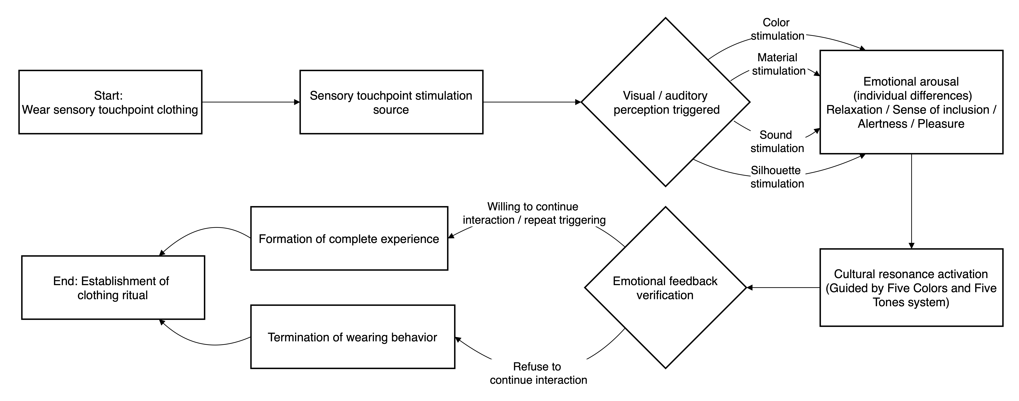
Figure 1 Conceptual model of emotional healing garment.
Visual healing system
As the dominant sensory channel in emotion-driven fashion design, the visual system conveys strong emotional implications and cultural symbolism through design elements such as color, material, silhouette, and pattern. By integrating the traditional Chinese color system with modern psychological theories, the visual design not only fulfills aesthetic goals but also facilitates emotional modulation for the wearer.11,16
Color, in particular, plays a dual role—supported both theoretically and empirically—in emotional induction. The Huangdi Neijing associates green, red, yellow, white, and black with the five internal organs and five emotions, forming an interactional system linking color, emotion, and physiological function.3 The emotional mapping of the five color is demonstrated in Table.1.
|
Element (Wu Xing) |
Color |
Associated emotion |
Expressive traits |
|
Wood |
Green |
Anger → Release |
Flow, movement, catharsis |
|
Fire |
Red |
Joy → Activation |
Warmth, openness, stimulation |
|
Earth |
Yellow |
Contemplation → Balance |
Stability, introspection, grounding |
|
Metal |
White |
Grief → Lightness |
Clarity, detachment, transcendence |
|
Water |
Black |
Fear → Contraction |
Depth, calm, self-protection |
Table 1 Emotional mapping of the five colors
In terms of materials and silhouettes, soft, smooth, and fluid fabrics visually convey emotional messages such as “gentleness,” “embrace,” and “protection,” thereby influencing psychological perception.12 Studies indicate that silky materials (e.g., satin, silk) are often associated with feelings of calm and elegance, while inclusive silhouettes (e.g., capes, dropped shoulders, A-line) enhance the wearer’s sense of safety and reduce anxiety stemming from personal boundaries.
Furthermore, pattern and texture act as symbolic systems. Natural motifs (e.g., water ripples, leaf veins, stones) and Eastern philosophical elements (e.g., Taiji, meridians, Wu Xing symbols) are incorporated to construct a visual language that evokes subconscious cultural archetypes.13 These symbols not only contribute to visual storytelling but also form a “visual comfort system,” turning clothing into a perceptual medium connecting nature, the body, and inner emotion. The application of meridian symbols in garment pattern design is presented in Figure 2. Therefore, in emotion-healing garments, the visual system serves not merely as an aesthetic medium but as a culturally encoded and emotionally responsive mechanism, capable of stimulating emotional associations and providing symbolic support through sensory perception.17
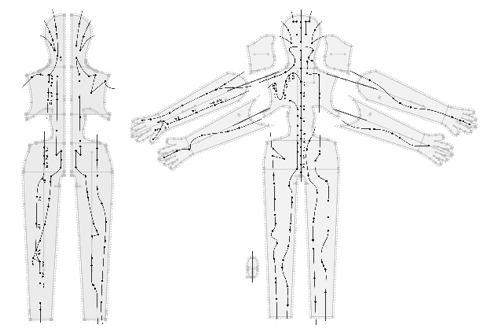
Figure 2 Application of meridian symbols in garment pattern design.
Auditory healing interaction system
Hearing, as a dynamic sensory channel, remains an underexplored domain in fashion. By integrating the Five Tones theory, natural sound simulation, and user-triggered interaction, this study developed a “hearable, perceptible, and controllable” sound feedback system aimed at alleviating negative emotions and enhancing bodily awareness.
In traditional Chinese logic, the Five Tones (Gong, Shang, Jue, Zhi, Yu) correspond to the Five Organs (heart, lung, liver, spleen, kidney) and the Five Emotions (joy, grief, anger, contemplation, fear), forming intrinsic connections between pitch, physiology, and emotion,3 as illustrated in Table 2, and the five tones were distributed across five garment-trigger zones as demonstrated in Table 3.
|
Tone (Yin) |
Element (Wu Xing) |
Organ (Zang) |
Emotion |
Musical characteristics |
Healing function |
|
Gong (宫) |
Earth |
Spleen |
Joy |
Balanced, stable melodies with a broad, solemn tone |
Regulates spleen qi; supports digestion; calms the heart; promotes emotional warmth |
|
Shang (商) |
Metal |
Lung |
Grief |
Gentle and restrained; melancholic yet not depressing |
Benefits lung function; soothes sadness; relieves irritability and breathlessness |
|
Jue (角) |
Wood |
Liver |
Anger |
Flowing, expansive, and lively melodies |
Eases liver qi stagnation; dispels anger; improves focus and emotional circulation |
|
Zhi (徵) |
Fire |
Heart |
Contemplation |
Passionate, uplifting, and energetic tones |
Stimulates the heart; alleviates mental fatigue; enhances clarity and optimism |
|
Yu (羽) |
Water |
Kidney |
Fear |
Deep, gentle, and fluid tones resembling water movement |
Nourishes kidney yin; calms anxiety; induces introspection and emotional grounding |
Table 2 Correlations between tones, emotions, and organs
|
Tone |
Emotion |
Trigger zone |
Sound type |
Auditory description |
|
Gong (宫) |
Joy |
Chest |
Low-frequency drum |
Resonant, enveloping, grounding |
|
Shang (商) |
Grief |
Inner sleeve |
Soft metallic friction |
Cool, light, with a sense of release |
|
Jue (角) |
Anger |
Spine center |
Wind-like tones |
Elongated sound with guiding diffusion |
|
Zhi (徵) |
Contemplation |
Upper abdomen |
Mid-frequency wood taps |
Rhythmic and centering |
|
Yu (羽) |
Fear |
Lower back (kidneys) |
Flowing water sounds |
Lubricating and immersive |
Table 3 Auditory design and emotional trigger mapping
Technically, Bare Conductive’s conductive ink was used to create sound circuits on the garment. These circuits were connected to microchips preloaded with natural audio clips. Through simple touch gestures, the wearer could trigger specific sound responses, forming an interactive loop of “action–sound–emotion”.18 The auditory feedback system was designed to operate within personal sound fields, ensuring focused, intimate experiences without disturbing others—aligning with the inward, restorative philosophy of Eastern healing traditions.14 The effect of the screen-printed conductive ink circuit is presented in Figure 3.
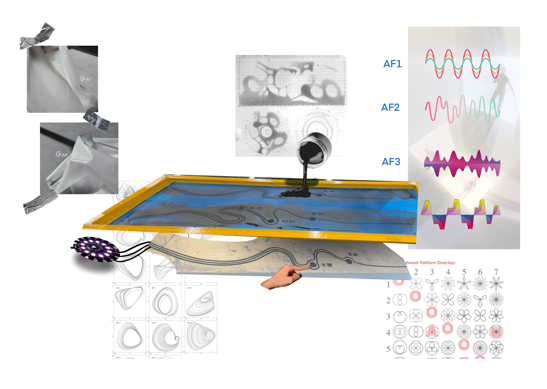
Figure 3 Screen-printed conductive ink circuit.
Emotional Intervention Experiment
To preliminarily validate the psychological effects of the emotional healing garment system in real-world wear scenarios, the experimental fashion design project Lingshu · Five Colors was selected as a practice-based case study (Figure 4). Inspired by the Huangdi Neijing’s theory of correspondences among color, tone, organ, and emotion, Lingshu · Five Colors integrates Eastern medical philosophy with emotional healing concepts. The design employs the Five Colors of the Five Elements as its visual foundation and uses screen-printed conductive ink to construct wearable circuits, linking them to sound chips and natural audio modules to enable sound-triggered emotional interventions (Figure 5). Its pattern structures simulate the flow of meridians, and the use of soft, calming materials enhances both visual and tactile perceptions of comfort. The project constructs a multidimensional interaction system—combining vision, sound, and cultural symbolism—to explore emotional healing through multisensory and traditional-cultural fusion in fashion design.
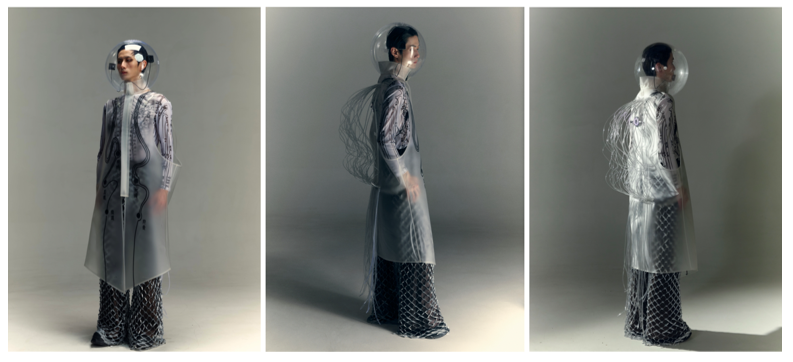
Figure 4 Front, side, and back views of lingshu • five colors.
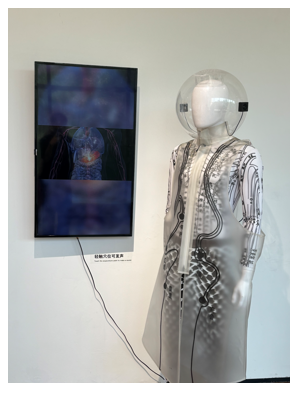
Figure 5 On-site emotional intervention experiment with lingshu • five colors.
The simplified version of the PANAS (Positive and Negative Affect Schedule) was used to measure changes in emotional state, with descriptive statistical results is presented in Table 4, and the data were then further processed using SPSS 26.0, and paired sample t-tests were conducted to examine the significance of emotional changes (Table 5).
|
Emotional dimension |
Time point |
Mean (M) |
Standard Deviation (SD) |
Minimum |
Maximum |
|
Positive affect total |
Before trial |
26.31 |
4.52 |
18 |
34 |
|
Positive affect total |
After trial |
29.61 |
4.17 |
22 |
36 |
|
Negative affect total |
Before trial |
15.78 |
3.75 |
10 |
23 |
|
Negative affect total |
After trial |
14.47 |
3.38 |
9 |
21 |
Table 4 Descriptive statistics of emotional states before and after wearing (n = 32)
|
Emotional dimension |
t-value |
df |
p-value |
Significance |
|
Positive affect |
4.28 |
31 |
0 |
*** |
|
Negative affect |
-1.92 |
31 |
0.063 |
n.s. |
Table 5 Paired sample t-test of emotional changes before and after wearing
Note: *** p < 0.001; n.s. = Not Significant
The data suggest that the interactive experience of wearing the garment significantly increased positive affect (p < 0.001), with particularly noticeable improvements in dimensions such as calmness, pleasure, and a sense of care. Although the decrease in negative affect did not reach statistical significance, a marginal downward trend was observed in specific sub-dimensions such as anxiety and stress. These findings indicate that visual-auditory interaction may contribute to the alleviation of certain negative emotional states.15
Both statistical results and subjective feedback show that the visual-auditory garment system—based on the traditional Chinese correlations among tone, color, and emotion—elicits synesthetic emotional responses in wearers. This interactive logic not only enhances the emotional dimension of the fashion experience but also offers a nonverbal channel for psychological regulation. Although the current sample size is limited, and further studies with broader populations and controlled variables are needed, this preliminary exploration provides empirical evidence and methodological guidance for future development of “multisensory–multicultural–emotion-regulating” wearable systems.
Rooted in the philosophical and medical framework of Eastern culture, this study constructs an emotional healing garment system that integrates visual, auditory, and symbolic elements. By leveraging the synergy of multiple sensory touchpoints, the research repositions clothing from a passive wearable object to an active medium for emotional interaction. Through systematic testing of material-based sound feedback, the development of a responsive auditory system, and quantitative empirical validation, the emotional modulation function of such garments is confirmed.
Experimental results demonstrate that garments equipped with sound-interactive features significantly enhance positive emotional states and moderately reduce perceived negative emotions, indicating notable potential for psychological intervention and mood enhancement in wearable design.15,19
The design practice Lingshu · Five Colors embodies the research outcomes through a cohesive integration of form, color, and sound. It translates traditional Chinese cultural theories into a contemporary fashion language, demonstrating the adaptability and technical integration potential of ancient symbolic systems within therapeutic design. This approach offers a culturally and functionally rich pathway for emotional healing garment development.
Future research could further expand the sensory dimensions to include olfactory cues, thermal feedback, and tactile textures, thereby constructing a comprehensive multisensory healing system that strengthens emotional perception and resonance experiences.20 On this basis, theoretical and methodological contributions from psychology, neuroscience, and human-computer interaction could be incorporated to reinforce the scientific validation of such systems. Ultimately, emotional healing garments may evolve from conceptual design to applied domains such as clinical therapy, rehabilitation, education, elder care, and psychological support for special populations, responding to broader societal needs for mental and emotional well-being.21
None.
None.
The authors declare that there is no conflict of interest.

©2025 Liu, et al. This is an open access article distributed under the terms of the, which permits unrestricted use, distribution, and build upon your work non-commercially.