Journal of
eISSN: 2574-8114


Research Article Volume 11 Issue 3

School of Fashion and Textiles, RMIT University, Australia
Correspondence: Carolina Quintero Rodriguez, School of Fashion and Textiles, RMIT University, Melbourne, 25 Dawson St, Brunswick VIC 3056, Australia
Received: March 07, 2025 | Published: May 28, 2025
Citation: Rodriguez CQ. Mapping deformation and pressure distribution of elastic maternity support garments for optimized therapeutic design. J Textile Eng Fashion Technol. 2025;11(3):118-130. DOI: 10.15406/jteft.2025.11.00413
Maternity support garments (MSGs) are therapeutic garments concerned with the alleviation of pain, body support and improvement of the wearer’s comfort. MSGs have been demonstrated to be effective in reducing lower back pain (LBP) and pelvic girdle pain (PGP), in increasing balance and the wearer’s functionality and mobility. MSG are worn next to the skin and are commonly made of elastic materials. They are constructed to have a negative fit, meaning the garment is smaller than the body over which it is fitted. This design generates pressure on the underlying tissue, compresses and maintains body parts in correct anatomical position, reduces muscle oscillation, and supports the underlying tissues.
Although it is commonly believed that garments made from elastic materials can accommodate the body contours and shape differences among wearers of the same size, inadequate fit can cause discomfort and irritation to the skin and body. This often discourages their use. If the garment does not apply the appropriate interface pressure to the intended body part, it may have no beneficial effect or could even cause negative effects for the wearer. This can impact the effectiveness of the therapy and reduce patient adherence.
This study aims to understand the elastic behavior of MSG during wear and to create a body map of its distribution. It also seeks to determine the pressure these garments exert on the underlying body and how this relates to fabric stretch. These insights will help in engineering MSG for specific body parts and functions.
Keywords: fabric stretch, elastic materials, therapeutic garments, maternity support garments, interface pressure, compression
MSGs, maternity support garments; LBP, lower back pain; PGP, pelvic girdle pain
Therapeutic garments can be defined as garments developed with the purpose of treating or alleviating pain and discomfort.1 They are used for multiple applications such as medical, in which case, they are used for the treatment of conditions such as venous diseases, burns, hypertrophic scars, and others. They are also used in sportswear to improve body performance and speed recovery. Other applications include providing body support, enhancing body alignment, improving proprioception, and increasing comfort during therapy.
MSG are therapeutic garments concerned with the alleviation of pain, body support and improvement of wearers’ comfort. They are commonly worn next to the skin and must meet the needs of the pregnant body as well as the requirements of the wearer’s intended activities. These garments have demonstrated to be effective to reduce LBP2,3 and PGP,4,5 to increase balance6 and to increase the wearer’s functionality and mobility.2,5 They achieve this by supporting the increased abdominal weight, improving posture and joint stability, and reducing body laxity—all without restricting fetal growth.
There are four main types of commercially available garments in the form of panties or briefs, cradles, belts or girdles and torso supports,7 with the last two being the most recommended by women’s health specialists.
Commercially available MSG are typically made of elastic materials and constructed to have a negative fit, meaning the garment is smaller than the body over which it is fitted.8 This generates pressure on the underlying tissue, compresses and maintains correct anatomical positions, reduces muscle oscillation9 and may help stabilize or support underlying tissues.10 The correct elastic attributes of pressure therapeutic garments allow them to fit better to the body contours of the wearer, and therefore allows for better comfort, functionality, and ultimately contributes to the wearer adherence to the intended therapy and the effectiveness of the garment.
Although it is commonly believed that elastic garments can accommodate different body contours and shapes among wearers of the same size, inadequate fit can cause discomfort and irritation to the skin and body, discouraging their use. In addition, if the garment does not apply appropriate interface pressure to the intended body part, it may fail to provide the desired therapeutic effect or could even have negative consequences for the wearer. Troynikov, Ashayeri11 and MacRae, Cotter10 determined that the degree of pressure generated by the garment is influenced by several factors. These include the garment's construction and fit, the structure and physical properties of its materials, the size and shape of the body part to which it is applied, and the nature of the activity performed.
There is extensive literature defining the ideal interface pressure which a compression garment should exert to the different parts of the body according to the intended use, such as hypertrophic scar management, sports applications, medical hosiery, and others. For hypertrophic scar management, authors agree that a range between 15mmHg and 25mmHg brings benefits the body part being treated12,13 and that pressure over 30-40mmHG can be detrimental to the wearer.14 For medical compression hosiery, the German Standard for Medical Compression Hosiery, RAL 200815 proposed a range of compression classes, ranging between 18mmHg and 49+mmHg according to the end use. This study did not find research focused on determining the 'ideal pressure' for MSG. However, three studies16–18 concluded that a pelvic belt tensioned at 50 N could sufficiently reduce sacroiliac joint mobility to protect the pelvic ring against pain during activities of daily living (ADL).16
The interface pressure produced by a compression garment can be achieved in two ways: by using fabric with greater inherent tension at a particular extension (fabric stiffness), or by increasing the reduction factor (RF), which also increases fabric extension.12 RF is defined as the percentage by which the garment is reduced in size relative to the body part over which it is worn.19
In agreement with Macintyre12 and Troynikov, Ashayeri,11 Bera, Chattopadhay,20 in their study, also concluded that the interface pressure generated by garments to the underlying body part, depended upon the fit, which was the function of the RF of the garment and the tensile properties of the fabrics. Increasing the RF used in pressure garment construction would increase the pressure delivered by the garment to the underlying body part.12
The interface pressure generated by garments to the body parts had been predicted by authors using a modified Laplace’s equation (Eq.1).11,12
(1)
Whereis the predictive interface pressure in mmHg, T is the tension force in the fabric and C is the body part circumference that is accepted as a cylinder. With fabric tension T, being affected by the physical and structural characteristics of the fabric11,21 and the extension experienced by fabric during practical wear.12,22
The German Standard for Medical Compression Hosiery, RAL 2008,15 defines fabric extension as the change in the size of the fabric in weft or warp direction as a percentage ratio of a stretched to a non-stretched fabric under specific load stress. It also defines practical elongation as the percentage ratio of the hosiery circumference over a leg to a non-stretched hosiery circumference at respective measuring points. Although RAL 2008 standard defines the extensibility ratios of medical hosiery for providing specific interface pressure, they are not applicable to MSG because the structure of the women’s torso during pregnancy is different to a leg structure and because, as mentioned before, the specific pressure profile required for a MSG is not known.
Multiple investigations have shown the benefits of studying the elastic behavior of compression garments’ fabrics during wear for: defining theoretical interface pressure using Laplace’s equation; calculating the RF for product engineering and for conducting laboratory testing for physical attributes and comfort properties in a context closer to practical wear conditions. Most studies found have analyzed the fabrics’ deformation behavior during wear, using the garments in the form of circular sleeves and considering the fabric to be a homogeneous material.
Giele, Liddiard23 studied the interfacial pressure generated by garments used for managing burn scars. They showed that pressure garments made of elastic materials could stretch up to 10% in length and 60% in width when worn. Variations in body circumference can affect the pressure imparted by the garment and the comfort properties of the fabrics. Watkins24 also studied the elastic behavior of a garment made of elastic materials over the whole-body contour to optimize pattern fit and define seam alignment. This was done by drawing a grid on the relaxed garment and having a participant wear it. The study analyzed how the grid aligned to specific body landmarks and assessed its elastic behavior by measuring the grid at specific body parts and in different postural positions. These measurements were then compared to the pattern measurements of the garment. This analysis concluded that understanding the elastic behavior of elastic fabrics was important in predicting the pattern profile geometry for improvement of fit, which would contribute to the wearer’s comfort and freedom of movements.
Macintyre12 studied the effects of different garment stretch and RF on the pressure exerted by the garment and found that if the relationship between fabric stretch and fabric tension was known, then Laplace’s Law could be used to design pressure garments that would exert specific pressure to the body part. In addition, the study concluded that garments constructed with different fabric modulus and one RF exerted different interface pressure. However, it would be impractical to design garments using different fabrics in order to achieve a specific pressure, whereas designing pressure garments using different RF would be relatively simple, which could be applicable to the engineering of a MSG.
In another study, Ashayeri22 investigated the theoretical pressure and comfort properties (thermo physiological, tactile and physical properties) of sport compression garments by modifying the practical elongation of the garments at different measuring points. Consequently, it established the ‘ideal’ RF for a specific fabric to achieve a specific interface pressure.
Finally, Bera, Chattopadhay20 studied the tension generated by different levels of fabric stretch when worn on a body. They measured the pressure exerted by fabrics at different stretches on a rigid cylinder and concluded that increasing the RF increases fabric stretch, which in turn increases interface pressure. This research also studied the effect of different RF on interfacial pressure and concluded that it was affected by the RF of the garment, the linear density of fabric inlay yarns, and the curvature of the body, where, according to the author, higher pressure would be recorded at higher-curvature body parts, such as ankles, and lower pressure would be recorded in lower curvature body parts, such as thighs.
Despite the demonstrated benefits of maternity support garments (MSG) in alleviating pain and improving mobility during pregnancy, there is a notable lack of research establishing the ideal interface pressure or pressure distribution specifically required for MSGs. Existing standards and guidelines for compression garments, such as those for medical hosiery or scar management, are not applicable to the unique anatomical and functional needs of pregnant women. Furthermore, previous studies on compression garments have primarily focused on other body areas or have used simplified models, failing to map the practical deformation and pressure behavior of MSGs on the pregnant torso. As a result, there is a critical need for targeted research that examines the elastic behavior, body mapping, and interface pressure of MSGs during wear to inform evidence-based design and optimize comfort, support, and therapeutic effectiveness for pregnant users.
Thus, this study aims to understand the elastic behavior of MSG during wear, to create a body map of its distribution across specific body parts and to determine the pressure exerted by these garments to the underlying body shape and its relation to fabric stretch.
Body mapping has been widely used as visual representation of a part of or all the body to examine different occurrences within or related to the body, such as sweat rates, body temperature, acuity for touch, pain sensations and others.25–27 As a matter of fact, it has shown to be beneficial for the design and engineering of optimized garments for applications such as sports garments. As such, it will help in defining the design characteristics required for the development of an evidence-based MSG that provides mechanisms to support the increased weight of the abdomen, to improve body posture and joint stability and to reduce body laxity, improving the comfort experience of the wearer during pregnancy and the effectiveness of the intended therapy.
Study design
The study of the elastic behavior of MSG when worn and the determination of the pressure exerted by the garment to the underlying body shape were done through the objective study of the changes in dimensions of a grid drawn on a garment when placed over a pregnant dress form and the measurement of the interface pressure exerted by the garment to the underlying body part with a pressure sensor device.
First, the experimental MSG was characterized in terms of its dimensions and physical and structural properties. Secondly, a grid of determined cell size was drawn on the relaxed garment which was then donned to a pregnant dress form, where dimensions of each grid cell were systematically measured in the course and wale direction. The collected measurements were used for the definition of different stretch ranges based on the amount of extension of the grid cells. Third, a body map of the stretch ranges was carried out, and a visual representation was created.
After this, the measurement of the interface pressure induced by the garment to the body shape was carried out. A pressure sensor device was placed between the garment and the dress form, and the interface pressure was measured across the garment area. Finally, a body map of the interface pressure distribution was created, and its relationship with the garment’s elastic behavior analyzed.
In this study, a commercially available garment (Tubigrip® - Mölnlycke Health Care) was selected. It is a product that is commonly used at the majority of Australian hospitals for the treatment of pregnancy-related discomforts experienced by women during gestation. This garment was selected because of its tubular construction, assuming fabric homogeneity.
Tubigrip® is a circular weft knitted 1x1 rib and of tubular structure, made of cotton, elastomer and polyamide yarns and available in three different sizes (J, K, and L) for torso applications.28 During pregnancy, it is worn as a double layer, and it extends from the mid-thoracic spine to the sacral bone of the body (Figure 1).29
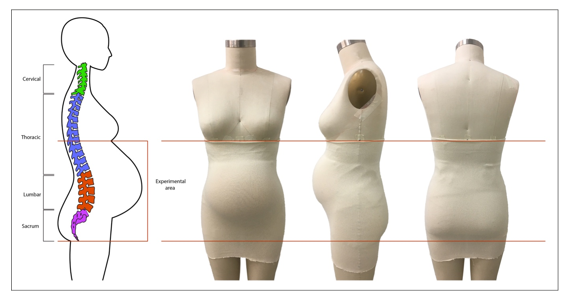
Figure 1 Experimental area of garment Tubigrip®.
Based on the measurement guide provided by the manufacturer of the garment28 and the measurements provided by the dress form manufacturer for a size 14 (Waist 77.47cm and hip 102.87), a garment size L was selected for this study.
Also, a pressure measuring device, PicoPress® (Figure 2), was used during this study. PicoPress® is a portable digital gauge, for medical purposes, used to measure the pressure exerted by a garment to the underlying body part and manufactured by MediGroup, Australia. It measures pressures ranging from 0 to 189mmHg with the highest degree of accuracy among multiple pressure measuring devices.30,31 The capabilities of PicoPress® include accurately measuring static and dynamic readings and utilizing multiple sensors for different locations on the body.32
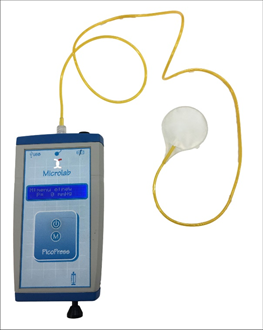
Figure 2 Pressure measuring device: PicoPress® and pressure sensor.
The instrument, which is comprised of a digital display and small plunger at the bottom of the device, uses a rounded pressure sensor, made of an ultra-thin biocompatible material in which a known quantity of air is inserted.33 The pressure sensors used for this study were 5cm in diameter (Microlab, Italy) and were placed between the dress form and the garment (Figure 3) after it was activated by compressed air before each measurement.34,35
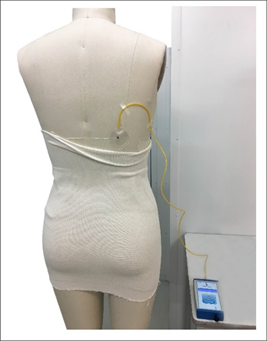
Figure 3 Pressure sensor device application.
Prior to testing, the garment, in its relaxed state, was conditioned for 24 hours in standard atmosphere of 20±2°C and 65±2% relative humidity as per AS 2001.1-1995 (AS 1995) to obtain fabric moisture equilibrium and to standardize the influence of atmospheric moisture on the dimensional and mechanical properties of the fiber.36
Structural and physical attributes of the garment and its fabric
The garment was characterized in terms of its dimensions, and the fabric was characterized in terms of structural and physical parameters such as mass per unit area, thickness and stitch density (Table 1).
|
Relevance |
Characteristics and attributes |
Method |
|
Garment dimensions |
Measurements of garment width and length |
Manually, with a measuring tape |
|
Structural and physical attributes of fabrics |
Mass per Unit Area |
AS2001.2.13 1987 (AS 1987) |
|
Thickness |
AS2001.2.15 1987 (AS 1987) |
|
|
Stitch density (courses and wale) |
AS2001.2.6 2001 |
Table 1 Experimental materials
The garment in a relaxed state was placed over a flat surface and measured 5 times as to determine its dimensions. Following this, fabric specimens for testing were cut from the garment and tested as per methods in Table 1. For fabric mass per unit area, 5 specimens of 40mmx40mm were cut and weighted, and the mean Mass per Unit area was calculated. Thickness was measured as the distance between the reference plate and parallel presser foot of the measuring instrument.36 It was calculated as the mean of 5 measurements recorded. Finally, Stitch density was measured by counting the number of wales and courses along a line at the right angles to the wale or course being considered. Stitch density was calculated as the mean of counts of 5 specimens in wale and course direction.
Measurement of garment stretch
The garment stretch measurement was carried out through the analysis of the extension of a grid drawn on the selected garment when worn on the dress form. A commercially available dress form, size 14, compliant to ASTM 5585.11 standard was used in this study. It measured 102.87cm at the hip circumference and 78.5 at the waist circumference (Figure 4). The dress form was fitted with a commercially available silicon pregnant belly of a medium (M) size, which resembled a pregnant belly between 13 and 27 weeks, weighing 2kg (Figure 5).37
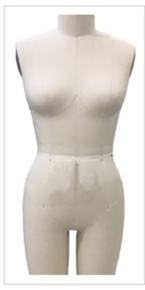
Figure 4 Dress form size 14.
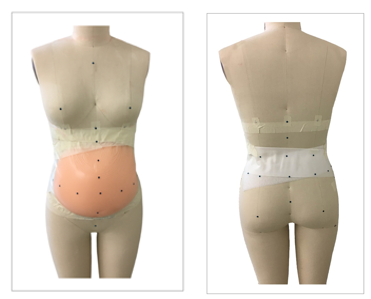
Figure 5 Fitted belly on a dress form.
A grid of 2.5cm x 2.5cm was drawn on a garment in a relaxed state, (Figure 6) and the axes of the cells were numbered 1 to 25 in the course direction and 1 to 19 in the wale direction (Figure 7) as to enable the record of measurements of each cell.
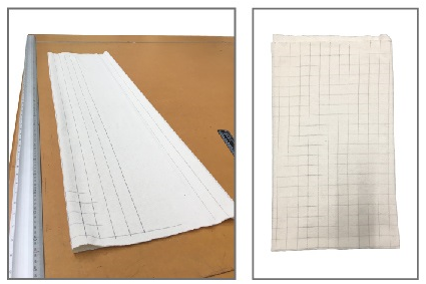
Figure 6 Grid drawn on a relaxed garment.
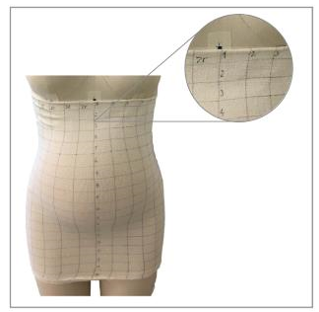
Figure 7 Numbered grid.
The side-line of the cell ‘1’ was placed on the sagittal frontal plane. The side-lines of the cells 19 and 8 were located on the lateral plane (Figure 8).
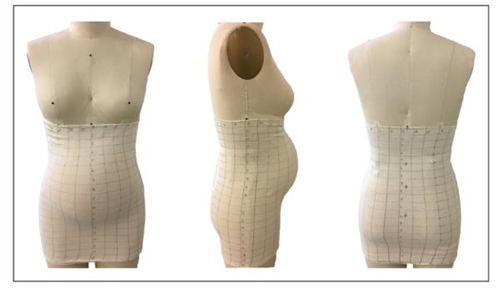
Figure 8 MSG donned on the dress form.
The garment was donned on the dress form, and two of each of the cell sides were measured in wale and course direction (Figure 9) with a tape measure. The measurements of all selected cell sides were repeated five times. After the completion of each set of measurements, the garment was doffed off the dress form and was tumble-dried at 40°C for 10 minutes to allow for its relaxation. After this, the garment was donned on to the dress form for a consecutive set of measurements. Each measurement was repeated five times and mean values reported.
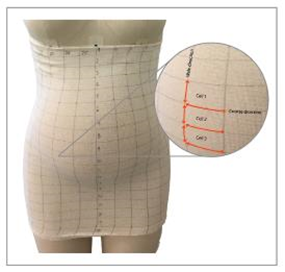
Figure 9 Measurement of wale and course direction sides of each grid cell.
The stretch undergone by each cell in the wale and course direction was calculated by using the formula below (Eq.2).
(2)
Where:
S is the stretch of the side of the cell (wale or course), %
is the initial length of the side of the cell, cm
is the final length of the side of the cell, cm
Also, the total stretch undergone by the garment was calculated using the formula below (Eq.3):
(3)
Where
is the total garment stretch undergone by the garment, %
is the total area of the garment in stretched form, calculated by multiplying the width by the length of the garment, cm2
is the total garment area in relaxed form, calculated by multipliying the width by the length of the garment, cm2
In order to visually show different levels of magnitude for the stretch undergone by the garment, stretch values were divided into 5 ranges (Figure 10): maximum, high, medium, low and minimum. Those ranges were used for both dimensions: course and wale
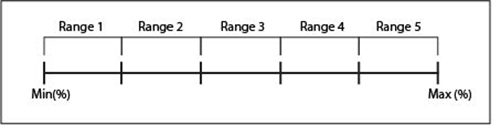
Figure 10 Ranges.
The range size was defined as per the formula below (Eq.4).
(4)
Where:
is the range size Smax Is the maximum stretch, %
is the minimum stretch, %
N is the number of ranges (N=5)
The range sizes s were rounded to 1 decimal point.
Finally, the percentage of cells contained in each range was calculated using the formula (Eq. 5):
(5)
Where
is the percentage of cells pertaining to range (i), with (i) varying from 1 to 5, (%)
is the number of cells in range i
is the number of cells in the total garment area
Mapping and visual representation of fabric stretch ranges
For the visual representation of the stretch ranges, a different color was allocated to each range (Figure 11) and a scale was created: beige was used for the minimum stretch range, yellow for the low stretch range, tan for medium stretch range, orange for high stretch range and red for maximum stretch range (Figure 12).
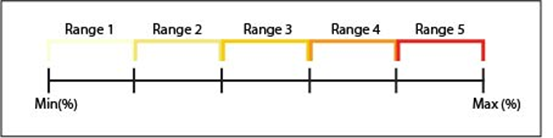
Figure 11 Color allocation of stretch ranges.
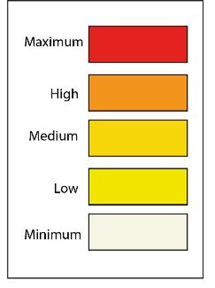
Figure 12 Scale for allocation of stretch ranges.
The spreadsheet containing the collected data was colored in Microsoft Excell, according to the range to which they belonged.
Then, a 2D map of the garment containing stretch areas was developed by drawing in Adobe Illustrator CS5 an image of a human-like pregnant body with similar dimensions to the dress form used in this study. The drawing was superimposed to an image of the dress form with the garment donned on. A horizontal line was drawn at the highest point where the garments would usually sit on the wale direction, marked with number 1, and a second line at the lowest point, where the garment would usually sit on the body, marked with cell 19.
The colored and numbered spreadsheet that contained the data collected was placed under the drawing and was aligned to the horizontal lines drawn. The spreadsheet was re-sized to fit within the pregnant body image created and the horizontal lines drawn (Figure 13).
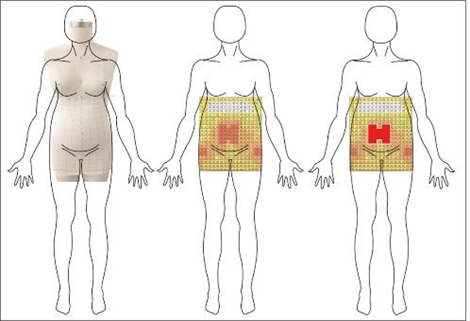
Figure 13 Method for 2D map development.
Once the spreadsheet was aligned with the location of the donned-on garment on the dress form, the ranges were drawn, with the pencil tool, using the grid results as a guide. The same process was done for the anterior, lateral and posterior view.
Finally, a 3D map was developed by using a photograph of the dress form with the garment donned on and tracing it with the pen tool in Adobe Illustrator CS5. Each of the cells was colored according to the distribution of the colors on the spreadsheet (Figure 14). It allowed the visualization of the different stretch areas within the body shape.
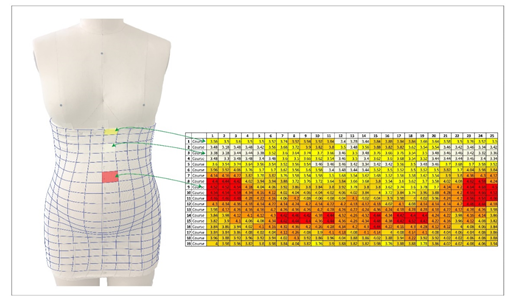
Figure 14 Method for 2D map development.
Measurement of interface pressure induced by MSG
The measurement of the interface pressure applied by the garment to the underlying body shape was done by donning the garment to the study’s dress form and placing the pressure sensor between the garment and the dress form (Figure 15). Once the pressure sensor was placed, the plunger was pressed in, sending a small amount of air to the pressure sensor and displaying zero mmHg pressure measurement on the device. After the measurement was displayed and a wait of 3 seconds had passed, the measurements were recorded directly from the instrument.
Based on the grid drawn on the garment previously, the pressure sensor was placed across 4 cells of the grid, starting at the frontal sagittal plane numbered 1 and 25 and measured sequentially, every four cells (Figure 15). The measurements were repeated five times, recorded in a spreadsheet and mean values reported.
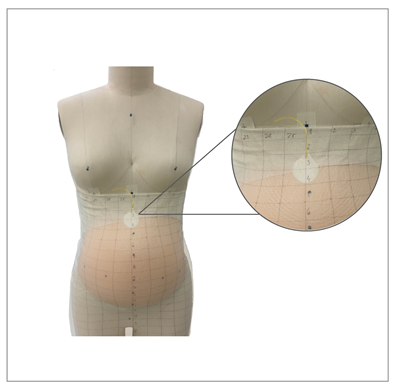
Figure 15 Placement of a pressure sensor on a dress form.
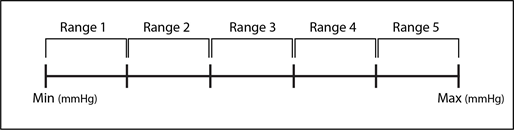
Figure 16 Ranges of interface pressure.
In order to visually show different levels of magnitude of interface pressure, the values were divided into 5 ranges (Figure 16).
The range size was defined as per the formula below (Eq. 6).
(6)
Where:
is the range size
is the maximum pressure measurement, mmHG
is the minimum pressure measurement, mmHG
N is the number of ranges (N=5)
The range sizes were rounded to 1 decimal point.
Mapping and visual representation of interface pressure ranges
For the visual representation of the interface pressure ranges, a different color was allocated to each range (Figure 17) and a scale was created: light pink was used for the minimum interface pressure range, pink for the low interface pressure range, dark pink for medium interface pressure range, magenta for high interface pressure range and wine for maximum interface pressure range (Figure 18).
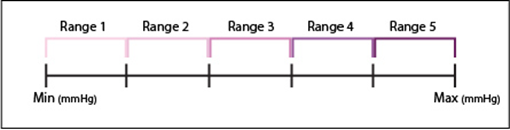
Figure 17 Color Allocation to Interface pressure ranges.
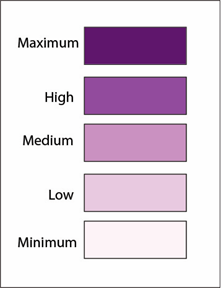
Figure 18 Scale for allocation of interface pressure ranges.
The spreadsheet containing all measurements was colored according to the scale created, and a 3D map was developed by using a photograph of the dress form with the garment donned on and tracing it with the pen tool in Adobe Illustrator CS5. Each of the cells was colored according to the distribution of the colors on the spreadsheet (Figure 19). It allowed the visualization of the different interface pressure ranges exerted by the garment to the underlying dress form.
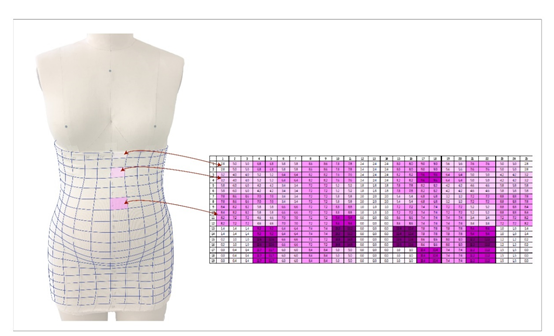
Figure 19 Method for 3D map development on an image of a dress form.
Data analysis
Statistical Package for Social Sciences (SPSS) Statistic Version 24 was used to analyze data in this study. For the study of the stretch undergone by the garments during wear and the interface pressure exerted by the garment to the underlying body shape, descriptive statistics including measures of central tendency and variability (mean, minimum and maximum) were reported. For analyzing the significance of the difference between the measurements of the ranges of the stretch, a parametric test (ANOVA) was carried out. The hypothesis tested was:
H0: the difference in measurements between the ranges from stretch to non-stretch are statistically significant.
H1: the difference in measurements between the ranges from stretch to non-stretch are not statistically significant.
If p-value was > 0.05, H0 would be accepted and if p-value was <0.05, H0 would be rejected.
If H1 was rejected, a further analysis of the percentage which each range represented in the total garment area was calculated.
A Pearson correlation analysis was carried out, as to establish if there was a correlation between the percentage of garment stretch and the pressure measurements of each cell. The Null-hypothesis tested was: There is a statistically significant relationship between the stretch of each cell and the pressure induced by the garments to the underlying “body part.”
The correlation was denoted by r and constrained as follow: -1≤ r ≤1. Furthermore, positive values denoted a positive linear correlation, while negative values denoted a negative correlation and a stronger linear correlation was denoted if the value was close to zero (0).
Structural and physical attributes of the garment and its comprising fabric
The width of the garment was calculated as 31.2 cm (62.4cm circumference) and the length as 47.4cm. The fabric is a 1x1 rib knit, composed of 83% Cotton, 9% Elastomer and 8% Polyamide. The mean stitch density is 392 per cm2, the mean thickness of the fabric is 1.30mm, and the mean mass per unit area is 320 g/m2.
6.2. Measurement of garment stretch
The stretch undergone by the garment during wear was calculated as per Table 2.
|
Fabric direction |
Mean (cm) |
SD |
Min. value (cm) |
Max. value (cm) |
|
Course |
3.9202 |
0.3277 |
3.18 |
4.68 |
|
Wale |
2.5149 |
0.04318 |
2.5 |
2.7 |
Table 2 Experimental materials
The total stretch undergone by the garment was calculated as 58.6%.
The measurements of stretch in wale direction presented a range of varying from 0% to 8% (2.7cm) as per Table 3.
|
Number of cells |
Stretch (%) |
Total garment area (%) |
|
416 |
0 |
87.58 |
|
45 |
4 |
9.47 |
|
14 |
8 |
2.94 |
Table 3 Experimental materials
Given that, in wale direction, 87.58% of the garment did not present any stretch, and the maximum calculated garment stretch in this direction was 8%, it was decided not to take it into consideration for this study and to base all further results on stretch in course direction only.
In course direction, the garment presented a range of stretch from 27% to 87.6%
The ranges of stretch were defined as follows (Figure 20) (Figure 21):
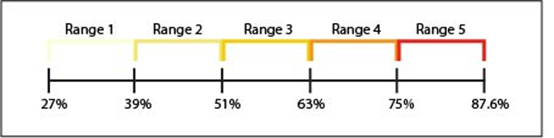
Figure 20 Ranges of stretch.
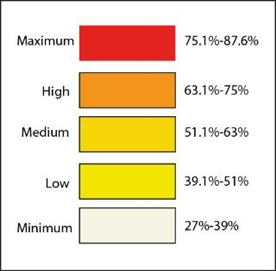
Figure 21 Stretch scale used during the study.
Range 1: minimum stretch, between 27% and 39%
Range 2: low stretch, between 39.1% and 51%
Range 3: medium stretch, between 51.1% and 63%
Range 4: high stretch, between 63.1% and 75%, and
Range 5: maximum stretch, between 75.1% 87.6%.
The averaged data collected when colored, based on the above scale, allows one to see the distribution of the garment stretch on the total area of the garment (Figure 22).
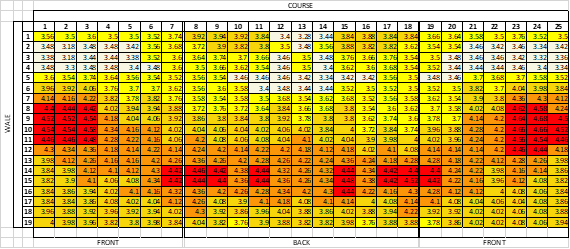
Figure 22 Distribution of garment stretch in course direction.
The ANOVA test which calculated a p-value of 0.00 and H0 was rejected, concluding that the difference of the measurements of the ranges were statistically significant (Figure 23).
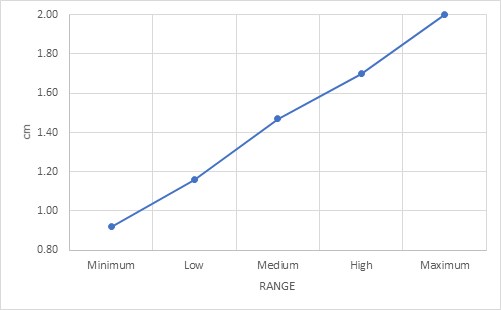
Figure 23 Average of the difference in measurements per range (from stretch to non-stretch).
Given that the difference between the ranges was statistically significant, the percentage that each range represented in the total garment area was calculated according to the defined ranges (Figure 24).
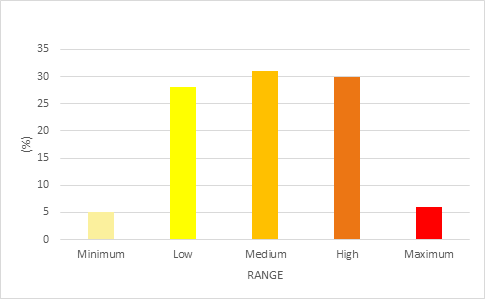
Figure 24 Percentage of each stretch range in the total number of cells.
Mapping and visual representation of garment stretch
The map of the ranges of the stretch was developed in the anterior, lateral and posterior view (Figures 25–27).
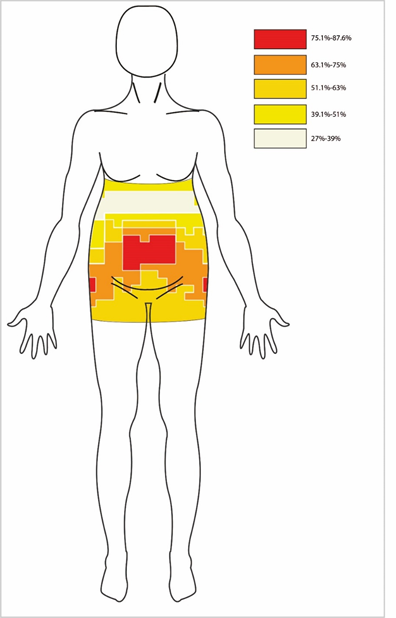
Figure 25 Map of stretch ranges of elastic MSG – Anterior.
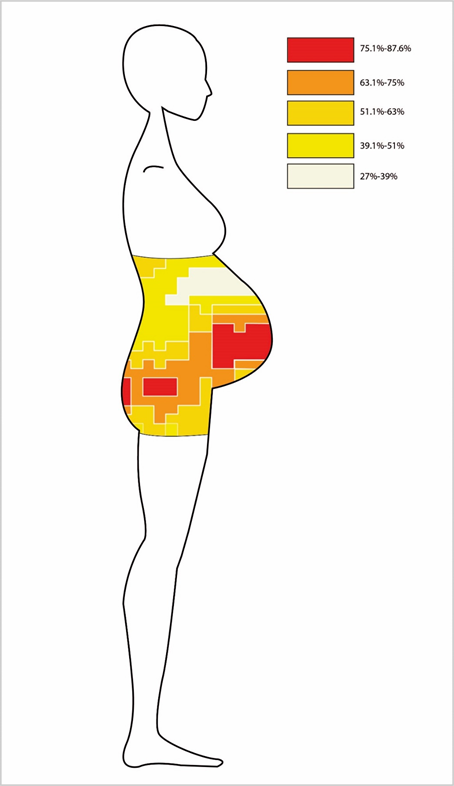
Figure 26 Map of stretch ranges of elastic MSG-lateral.
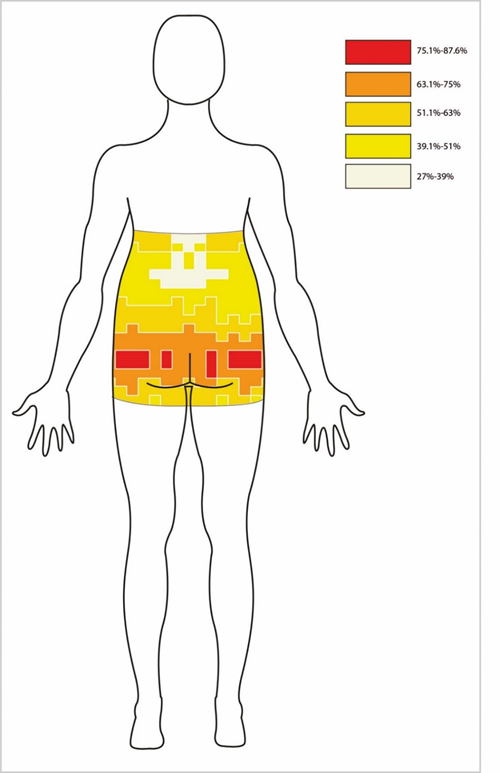
Figure 27 Map of stretch ranges of elastic MSG – Posterior.
These maps show the distribution of the stretch areas in a pregnant body shape, with the ranges of higher stretch located on the belly and hip areas, which are the biggest circumferences in the pregnant torso, and the minimum stretch located around the midriff area and the upper back area, where the smaller circumferences of the pregnant torso were measured.
Finally, the 3D representation of the stretch ranges on the dress form is shown below (Figure 28).
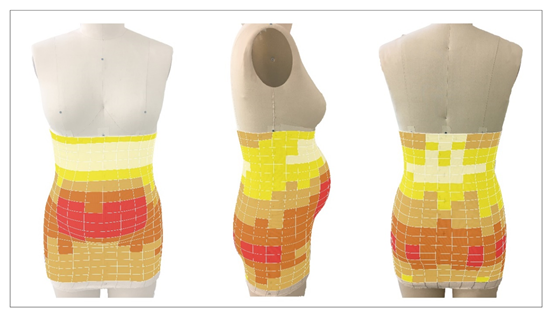
Figure 28 Visualization of stretch ranges on a dress form.
These maps can provide reliable information on the elastic behavior of an elastic garment when placed on a pregnant body and the location of the different ranges of stretch for the design and engineering process of a MSG.
Measurements of interface pressure induced by MSG
The interface pressure induced by the garment to the underlying body varies from 0mmHg to 14.8mmH, with an average interface pressure of 6mmHg.
The ranges of interface pressure were defined as follows (Figure 29) (Figure 30):
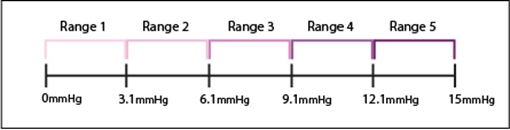
Figure 29 Ranges of interface pressure.
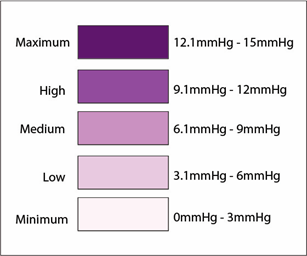
Figure 30 Interface pressure scale used during the study.
Range 1: minimum interface pressure, between 0mmHg and 3mmHg
Range 2: low interface pressure, between 3.1mmHg and 6mmHg
Range 3: medium interface pressure, between 6.1mmHg and 9mmHg
Range 4: high interface pressure, between 9.1mmHg and 12mmHg
Range 5: maximum interface pressure, between 12.1mmHg and 15mmHg
The averaged data collected when colored, based on the above scale, allows one to see the distribution of the interface pressure on the total area of the garment (Figure 31).
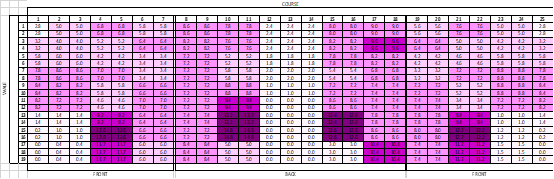
Figure 31 Distribution of interface pressure distribution.
Mapping and visual representation of interface pressure ranges
The map of the ranges of interface pressure was developed in the anterior, lateral and posterior view (Figures 32–34).
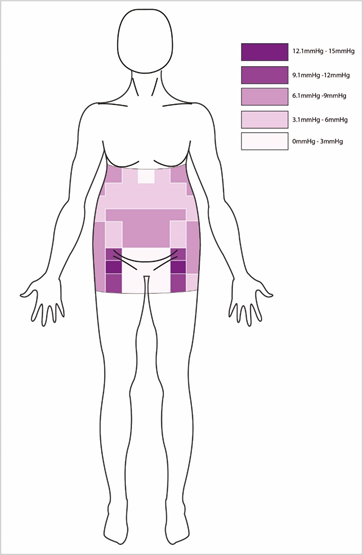
Figure 32 Map of interface pressure ranges of elastic MSG – Anterior.
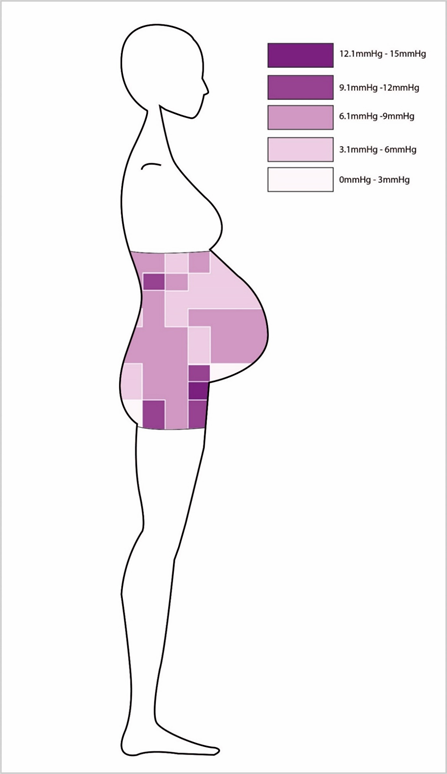
Figure 33 Map of interface pressure ranges of elastic MSG – Lateral.
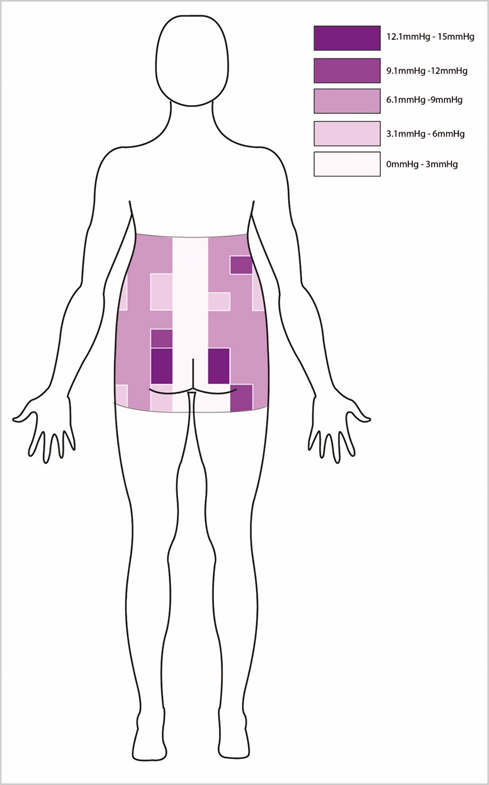
Figure 34 Map of interface pressure ranges of elastic MSG – Anterior.
The maps show the distribution of the ranges of interface pressure in a pregnant body shape: Ranges of lower interface pressure were found under the pregnant abdomen, at the back of the dress form and under the buttocks and the ranges of higher interface pressure around the hip areas, where the fabric presented a higher stretch.
It is important to highlight that although the higher fabric stretch ranges were found on the belly and hip areas, the interface pressure measurements were not found in this same area. Multiple factors might have affected the measurements, such as the curvature of the body part, the positioning of the pressure sensor and the consistency of the underlying tissue.
The 3D representation of the interface pressure ranges on the dress form are shown below (Figure 35).
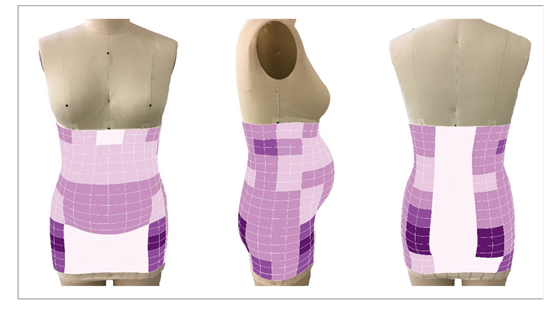
Figure 35 Visualization of interface pressure ranges on a dress form.
MSG as therapeutic intervention during pregnancy has been shown to have a significant impact on the reduction of LBP and PGP and the improvement of comfort during pregnancy.2–6 The garments, widely commercially available and frequently recommended by women’s health specialists, are commonly made of elastic fabrics and engineered with a negative fit to generate pressure on the underlying tissue, compressing and keeping the body parts in correct anatomical position, reducing muscle oscillation and supporting the underlying tissue, nonetheless, there are no studies found by this research, analyzing the elastic behavior of the garments and the interface pressure induced by a MSG to the underlying body part; which may be due to the constant grow and change of the pregnant body and the temporary characteristics of discomforts during pregnancy. Therefore, the objectives of this study were to analyze the elastic behavior of a MSG, the interface pressure exerted by these garments to the underlying body shape and its relation to fabric stretch, as to define the design characteristics required for engineering and developing an evidence-based MSG garment.
Fabric stretch influences the interface pressure exerted by the garment to the underlying body part, which at the same time is influences the garment comfort during wear38 and consequently the patient adherence to the therapy. Although the use of MSG is an important intervention during pregnancy and their effectiveness relies on the fabric attributes, the garment design, and their compressive characteristics of the garment, there are no scientific recommendations available about the “ideal pressure” required for a MSG to ensure efficiency and effectiveness of the garment.
The results of the current study showed that the garment stretch varied from 27% to 87.6%, which, with the increase of stretch, is assumed an increase of the interface pressure that was delivered to the underlying body part.11,12,20 The garment stretch maps showed the maximum ranges of fabric stretch, between 75.1% and 87.6%, located around the larger circumferences of the pregnant body, with one of the maximum areas of stretch located on top of the belly, which may mean that unnecessary pressure is delivered to this area, making the wearer uncomfortable and potentially restricting the growth of the pregnant abdomen. The minimum ranges of garment stretch, between 27% and 39% were found around the midriff area, which presented the smaller circumference of the pregnant torso and an unusual shape because of the belly attachment used the current study (Figure 5). Also, it was also shown that the garment presented medium fabric stretch, between 51.1% and 63% in the area located under the belly, which may demonstrate that the interface pressure exerted by the garment in this area might not be enough for providing support to the abdomen of the wearer, as required in a MSG.
This study also has mapped the interface pressure exerted by MSG to the underlying body form, finding that the average pressure exerted by the garments was 6mmHg with variations between 0 and 15mmHg across the torso, however, as the guideline for the selection and application of the garment provided by the garment manufacturer is not precise, the measurement of stretch and interface pressure of the garment might be compromised.
Although, the analysis of correlation between fabric stretch and interface pressure was calculated to be positively moderate which could serve garment engineers and designers as an indicator of the pressure behavior of the garment during practical wear, it is important to consider that the interface pressure exerted by a garment to the underlying body part is influenced by different factors such as the curvature of the body part, the fabric stretch, the positioning of the pressure sensor, the consistency of the underlying tissue and in this particular case, the way the belly was fitted to the dress form.
It was noted that the fabric stretch measurement at the belly and buttock areas were on the maximal ranges but the interface pressure measurements on the same areas ranged between medium and high, with the widest point of the buttocks showing maximum fabric stretch and interface pressure, which could be attributed to the differences in hardness of the material between the belly and the rest of the dress form, which agrees with authors40,41 who mentioned that interface pressure should not be measured over bony prominences or tendons as the hardness of the underlying structures would greatly influence the measured pressure.
Although Tubigrip® garment has been considered to be suitable for MSG applications because of its simplicity, great stretch tolerance and the need for fewer measurements to proper fit,39 authors have mentioned in previous studies that some of the mechanisms of action that make a MSG effective are related to the support they provide to the growing abdomen, the help with improving body posture and joint stability, the reduction of body laxity and the increase of body proprioception during wear. Based on the stretch and interface pressure measurements gathered during the current study, it can be concluded that, because of the compressive effect of the garment to the underlying body part, the garment of study may help in the reduction of body laxity and improvement of joint stability and to enhance the proprioception of the body,11,41 however the pressure measurements gathered from the area under the belly (between 0mmHg and 3mmHg) may suggest that the garment is not close to the body or next to the skin and does not provide any support to this area.
The maps developed in this study can be used for understanding the deformation of the garment during practical wear; for achieving a specific pressure profile by the determination of the “ideal” RF; to understanding the interface pressure exerted by current commercially available MSG; and for the engineering of a segmented garment, with biomechanical considerations that have the capacity to respond to specific areas of the body, such as convexities and concavities (metacarpal arch and the transverse diameter of the thoracic cage),40 increasing the balance required for a garment to be effective, comfortable, allow ease of movement and fulfil its functional purpose.
The findings of this study have direct implications for the practical design of MSGs and the effectiveness of therapeutic interventions during pregnancy. By systematically mapping the deformation behavior and interface pressure distribution of MSGs on the pregnant form, this research provides evidence-based guidance for optimizing garment fit, fabric selection, and construction methods. Such insights enable designers to engineer MSGs that deliver targeted support and appropriate pressure to specific body regions, thereby enhancing wearer comfort and promoting adherence to therapeutic use. Furthermore, understanding the relationship between fabric stretch, body mapping, and pressure distribution supports the development of garments that more effectively alleviate pregnancy-related discomfort and improve mobility. In this way, the study bridges the gap between laboratory analysis and real-world application, offering practical strategies for the creation of more effective and user-centered maternity support garments that can positively impact therapy outcomes.
None.
The authors declare that they have no conflict of interest. The author does not have any association with the manufacturers or products investigated in this research.
None.

©2025 Rodriguez. This is an open access article distributed under the terms of the, which permits unrestricted use, distribution, and build upon your work non-commercially.