Journal of
eISSN: 2574-8114


Research Article Volume 11 Issue 5

1Department of Fashion Design, Tagore University of Creative Arts (TUCA), Dhaka, Bangladesh
2Department of Fashion Design & Technology (FDT), BGMEA University of Fashion & Technology (BUFT), Dhaka, Bangladesh
Correspondence: Md Moniruzzaman, Department of Fashion Design & Technology (FDT), BGMEA University of Fashion & Technology (BUFT), Dhaka, Bangladesh
Received: August 10, 2025 | Published: October 15, 2025
Citation: Paul O, Moniruzzaman MD. High-end fashion from traditional cultural heritage in Bangladesh: an insightful future propositions of “The Tangail Handloom Tant”. J Textile Eng Fashion Technol. 2025;11(5):266-272. DOI: 10.15406/jteft.2025.11.00432
The purpose of this study is to investigate the traditional Tangail handloom techniques with future propositions to modern fashion design. Tangail handloom emphasizes sustainability while preserving the region's rich legacy by focusing on traditional concepts of cultural preservation, environmental awareness, workmanship, natural materials, minimal disposal, and fair trading. The different facts of the Tangail handloom are examined in this study, including its historical background, manufacturing procedure, design motifs, and prospective applications in contemporary fashion design practices. This inquiry intends to support the preservation of this traditional art form and stimulate its adaptation in the international fashion business by looking at how “Tangail Handloom Tant” is used in modern clothing. A series of collections were made at the end of the study to demonstrate a new approach to design techniques letting unknown people from the region's outskirts find the source of inspiration for their ideation and concept of fashion design practice.
Keywords: fashion, handloom, craftsmanship, preservation, sustainability, motifs
This study makes an original contribution by combining cultural heritage analysis with sustainable design practices through a qualitative case study of Tangail Handloom. The research specifically investigates how traditional weaving techniques can be adapted for contemporary high-end fashion. The guiding research question is: How can Tangail Handloom practices be reinterpreted to create sustainable, high-end fashion while preserving cultural identity and economic empowerment? The methodology integrates both secondary data from literature and primary insights from artisan interviews and field observations to ensure a comprehensive understanding of the phenomenon.
One of Bangladesh's traditional cottage industries is handloom weaving. It is the second-largest source of employment and revenue in rural areas, after agriculture. Bangladesh's weaving industry has a lengthy history.1 The Tangail district carries on the customs of earlier times, just as other areas of Bangladesh do. Tangail's experienced craftspeople have been producing different kinds of cloth for centuries, since the dawn of civilization. Due to the sarees made there, Tangail's repute or notoriety is now recognized beyond national lines. Tangail revolutionized the weaving industry with his soft silk and cotton sarees. This saree has a remarkable weave and pattern. The border or edge work is a defining feature of Tangail saris. Lungis and silk cotton blend sarees are available. In addition to this, the Tangail weavers create sarees, lungis, towels, and chadors. It is reported that muslin sarees were traditionally woven by Tangail workers. This muslin once traveled freely between the royal house in Britain and the Mughal court in Delhi. The muslin cloth was victimized by the machinations of international business circles and over time. Still, Tangail's Jamdani, Benarasi, and Tant sarees continue to exist as their deserving replacements.2 Muslims who weave were known as Zola. These Zola weavers were concentrated in the Tangail, Kalihati, and Gopalpur regions. Again, Nathpanthi and Debnath are used as Kaulik titles for Yugis or Jungis. They were the only ones who could weave coarse cloth. Every family owned a spinning wheel, and sons and daughters, as well as fathers and mothers, spent the entire day spinning and weaving cloth. In the Tangail Kalihati and Gopalpur localities, Yugi community members settled. In terms of producing kshaum, towels, and mosquito nets, the Yugis were almost self-sufficient. It is also common knowledge that the Hindu weavers of Tangail go by the surname Basak. They are concentrated in the villages of Bajitpur and Nalsunda. However, there aren't many Muslim artisans (Zola) in Balla and Ratanganj. But in Balla and Ratanganj, the number of Muslim artisans (zola) is a few thousand, and many are quite wealthy. The captivating sound of spiders can be heard day and night coming from all these communities. Aside from the spiders' snarling, it's also really endearing to see the weavers working with their hands to create the Nipur saree. The handlooms of Tangail are a source of income for around five lakh people.3 And Tangail is home to thousands of looms. These millions of looms do not all manufacture Tangail sarees. Less than 20,000 of these looms are present in Tangail. And the villages of Bajitpur, Patrail, Nalsunda, Chandi, Bishnapur, and Binnaphair are where this traditional saree is primarily created. Tangail weave sarees are handcrafted in a very delicate and lovely way, with great care and a strong emotional connection. Men use looms to weave, and domestic women assist with spinning, dying, and lacemaking. The weavers mix colors to create various motifs or artistically doodle designs on the fabric of the saree, such as flowers.
The border or edge work is a defining feature of Tangail sarees. There are two different kinds of saree-weaving looms in Tangail: the Chittaranjan (Mihi) loom and the Pitlum (Khatkhti) loom. These two different kinds of looms are utilized to create sarees in a variety of hues and patterns. A few examples include Jamdani or Soft Silk, Half Silk, Tangail BT, Baluchari, Uzvarad, Hazarbuti, Sutipard, Katki, Swarnchur, Ikkat, Anarkali, Devdas, Kumkum, Sananda, Nilambari, Mayurkanthi, and sarees of generally good quality. Different brands and sarees of various qualities, handiwork, colors, and textures are sold, with costs ranging from 200 taka to 50,000 taka. Jamdani, or delicate silk, is the most expensive of these. International standards are followed in the production of Jamdani sarees. This saree is made by weavers using 100-count Japanese yarn. Other sarees are also made with 100-count thread in addition to this one. Occasionally, Narayanganj-produced 80, 82, and 84-count yarns are also utilized.4
The Tangail weavers' sari bazaar used to be in Kolkata before the country was divided. From Charabari Ghat, Porabari Ghat, Nalchia Ghat, and Subarkhali Harbour, weavers would go by steamer launches and ships to Calcutta from various parts of Tangail. These exquisitely crafted loom sarees were once purchased by the sari traders of Kolkata and West Bengal. Since the country was divided, Bajitpur in Tangail has served as the primary market for Tangail weaving. One and a half kilometers south of Tangail's main place is Bajitpur Hat. Every Monday through Friday of the week, there are markets. Here, the heat begins early in the evening, and the hustle and Up until 9 or 10 a.m., the heat is still busy. Moneylenders make up the majority of the market's buyers. From this market, moneylenders purchase clothing at wholesale prices and distribute it to numerous large marketplaces, shopping centers, and fashion companies across the nation. Table 1 shows the different elements and material terminology used in this study.
|
Particulars |
Issue |
Technical explanation |
References |
|
Material |
Handloom |
Handloom is a wood or iron (some portion) made device, used for producing woven fabric. It is generally run by a man with a hand and foot without any electric motor. |
|
|
Jamdani |
Jamdani is a fine muslin textile produced for centuries in South Rupshi of Narayanganj district in Bangladesh on the bank of the Shitalakhwa River. Whether figured or flowered, jamdani is a woven fabric in cotton. This weaving method uses supplemental wefts in addition to the usual weft used to hold the warp threads together, which creates the decorative patterns. |
||
|
Muslin |
Originally, only cotton was used to make muslins. These textiles were incredibly thin, transparent, delicate, and light as a feather. Some varieties of muslin were so thin that they could even pass through the aperture of a lady finger-ring. |
||
|
Fabric |
Banarasi Saree |
A Banarasi sari is one that was created in Varanasi, a historic city also known as Benares (Banaras). The saris are renowned for their luxurious needlework, exquisite silk, and gold and silver brocade or zari. |
|
|
Katan Saree |
Katan was a scrap of silk fabric. Its warp and weft were both made of double-twisted, pure silk threads. |
||
|
Tant Saree |
Tant sarees are made of cotton strands and are characterized by their transparency and lightness. Given the hot and humid atmosphere on the Indian subcontinent, it is regarded as the most comfortable saree. |
||
|
Art |
Kalka |
A curving textile motif or pattern from the Mughal period is called kalka. There are several theories about the Kalka’s beginnings. Its shape has been compared to that of a mango. |
|
|
Shotoranji |
Shotoranji's weaving style is comparable to that of a contemporary tapestry. It was a royal family insignia that was utilized as a carpet, wall mat, sitting cover, and other fashionable goods. |
||
|
Festival |
Pohela Boishakh |
Boishakh is the first month of the Bengali calendar, while Pohela is Bengali for "first." Bengali speakers refer to the Bengali New Year as Nobo Borsho, where Nobo stands for new and Borsho for a year. |
Table 1 Study elements and materials terminology
An industry-wide paradigm shift in design techniques is necessary as sustainability has become a crucial worldwide issue. There is an increasing need for sustainable design solutions that not only solve environmental problems but also safeguard cultural heritage as social injustices and environmental challenges worsen.10–12 Due to their innate eco-friendly methods, longevity, and cultural value, traditional crafts have come to be recognized as excellent resources for sustainable design.13,14 A fascinating case study for examining the possibility of sustainable design methods drawn from traditional craftsmanship is the Bangladeshi Tangail handloom, a traditional weaving process. Fashion design and the production of clothing nowadays are evolving daily. Modern fashion designers are attracted to experimenting with novel fabrics, hues, trends, patterns, and cut lines.15–17 According to this theory, certain fashion designers in Bangladesh are currently producing Western clothes from traditional Tangail weaving industry saree materials. The Tangail weaving industry may play a role in preserving tradition and heritage.
Research objective
To explore the potential integration of Tangail handloom in fashion design. The integration of Tangail handloom in fashion design can offer a unique and culturally rich aesthetic to contemporary fashion. It is a renowned handloom weaving tradition from Bangladesh, specifically from the Tangail district. It is characterized by its intricate motifs, vibrant colors, and fine craftsmanship. The ultimate objectives are enlisted as follows:
Primary and secondary data are analyzed to complete the study. Qualitative data from the literature is used to explore for an depth understanding of the culture and heritage of Tthe angail district, Bangladesh where a remarkable number of loom industries are located. The author interviewed the artist, supplier, and seller to examine the process of design to consumption. The outcome of this research exposed high-end fashion from heritage materials to protect the tradition and explore new wings for fashion design practice. The design processes initiated from the research of trend materialized through Mind mapping, research board, and final range. The contemporary trend has been analyzed through WGSN to design high-end fashion with the blending of material, fabric, and art of “Tangail Handloom Tant”. Though the ideation generated a manual method of drawings digital software (Adobe Illustrator, cs6) was also used to draw the final range. The color, silhouette, fabrication, and surface are designed based on the trend report. The findings of this research can play a significant role in further design practice and design education nationally and globally.
Tangail handloom; history of cultural heritage
The handloom industry in Tangail had an explosion in the last few decades of the 19th century. The Tangail weavers took over from those who created the highly loved Muslin variety of fabrics. They mainly originated from Dhaka's Chowhatta and Dhamrai Bangladeshi populations. The zamindars (landlords) eventually extended an invitation to the weavers to live in Tangail village. During the struggle for independence, Mahatma Gandhi advocated for a widespread boycott of imported cotton textiles, which led to a boom in the handloom industry in East Bengal of then-divided India (now Bangladesh).18 The Tangail saree has developed further since then. There have been many periods in the social and political history of Bengal.
History has shown that the weavers of the Basak group are the original Tangail weavers, that is, they are members of the Tantubai tribe. They can be classified as a class of nomads because they first arrived in West Bengal's Murshidabad from the Indus basin and began weaving there. They migrated to the Rajshahi district of Bangladesh after realizing that the climate there was not improving the quality of the saree. Because of the adverse weather conditions, the squatters split into two groups and relocated to Bajitpur in Kishoreganj and Dhamrai in Dhaka, respectively. However, several of them stayed in Rajshahi due to their connections to the silk industry. The Basaks got into arguments before they started working in Dhamrai. As a result, many Basaks split up and moved to the neighboring country's Chohatta region. Following this, Chauhatta and Dhamraiya were the two groups into which the Basak weavers were permanently divided. The manufacturing of fiber was progressing well at Chauhatta and Dhamrai. However, numerous migrants arrived in Tangail and established themselves there in pursuit of a better position. They're weaving since the climate here is unpleasant for them. Generation after generation has used weaving looms in Tangail. The Basak class once resided in Tangail, where they oversaw the quality of textiles through the Basak Samiti and instructed novice weavers. Many Basak weavers went to India following the War of Independence in 1971 and Partition in 1947.19 Other communities, besides the Basaks, also got very interested in the weaving industry at this time. They improved to the level of Basak weavers.
Influence of cultural heritage on modern fashion design strategies
The fabric and weaving process known as Tangail Handloom originates from the Bangladeshi district of Tangail. It has grown in prominence in the fashion sector as a result of its distinctive designs and excellent construction. Tangail handloom fabric is appreciated for crafting gorgeous clothing because of its unique patterns and vivid colors. In fashion design, Tangail handloom fabric is highly valued for its versatility and cultural significance. Designers often incorporate this fabric into their collections to add a touch of traditional elegance and showcase the rich heritage of Bangladesh. The fabric can be used to create various types of garments, such as sarees, salwars, suits, tunics, shirts, gowns, Panjabi, fashionable dresses, and accessories. Designers may choose to use Tangail handloom fabric in its pure form or combine it with other textiles to create innovative designs. The lightweight and breathable nature of the fabric makes it suitable for both casual and formal wear, making it a popular choice among fashion enthusiasts. Tangail handloom fabric is known for its durability and longevity, making it a sustainable choice in fashion design. The weaving process involves skilled artisans operating handlooms, preserving traditional techniques that have been passed down through generations. This focus on craftsmanship and ethical production methods aligns with the growing demand for sustainable and ethical fashion.20 Overall, Tangail handloom plays a significant role in the fashion industry, representing a fusion of tradition and contemporary design. Its unique patterns, vibrant colors, and cultural significance make it a prized fabric among fashion designers who seek to create garments that are not only stylish but also celebrate heritage and craftsmanship.
The way forward: high-end fashion from Tangail heritage
Traditional handmade tapestries from Bangladesh known as Tangail handloom are prized for their intricate designs and bright colors. It is typically used to produce sarees, but due to its adaptability, it may also be used for novel designs in clothing and other fashion design innovations. Tangail handloom cloth can be used in fashion design in the following ways:
Fashion design practices in Bangladesh
During the design process designers should keep in mind the ecological, sustainable, and ethical understanding of fashion in terms of its production, design, and consumption.21 Though the design process will demonstrate a sequence of analyzing states through research, ideation, sketch, pattern, and final production. Each state of the analysis reflects the findings of this study. At the end of this process, the author will illustrate a series of flats ketches designed to understand the method and result.
Mind map
The Mind mapping process expresses the way of thinking regarding a particular topic. Initially, the keyword that comes to mind.
After hearing the theme have been scattered into a frame creatively.22,23 The elements that will apply and popularly related to the creation have been given priority. Figure 1 illustrates the outcome of the concept regarding the collection.
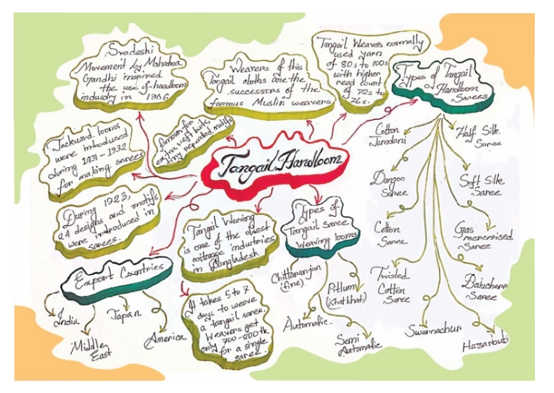
Figure 1 Mind map of the collection development.
Research board
The research board illustrates the design analysis scheme from silhouette, color, texture, motif, fabrication & and styling.15 Mainly the contemporary design practice has been examined to understand the fashion trend globally. Figure 2 demonstrates the integration of design elements relating to the study collections.
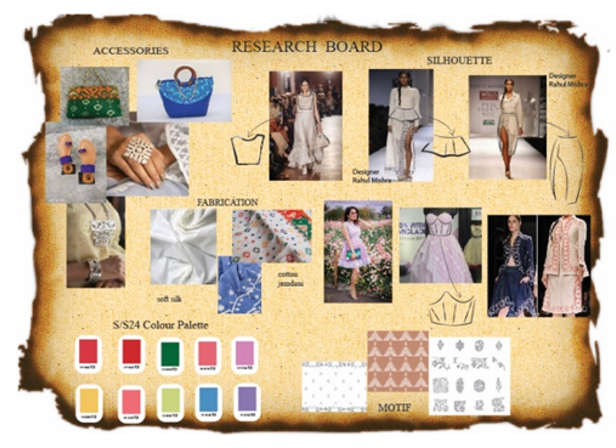
Figure 2 Research board of design elements.
Final Range
There are six high-end dresses designed based on the traditional heritage of Tangail handloom. The color, motif, and fabrication are the key factors of this following series. The silhouette has been taken from the trend report analysis and accessories are made of heritage materials. Western cutline of dresses gives a fusion look to the entire range. Figure 3 depicts the possible outcome of this study.
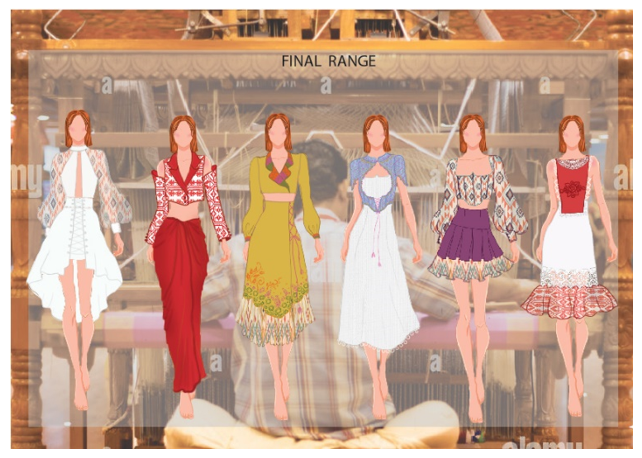
Figure 3 Final range.
Design production method (Bespoke)
Bespoke or individual dress-making process chains from the heritage are illustrated in the following table. The design ideas are used to describe with the client for their better understanding regarding embellishment, fabric performance, durability, fit, and care. Sometime client opinion is also incorporated with the ideation for further development. This method is suitable for personal measurement rather than standard. Table 2 shows the production process (Bespoke) flow of the collection.
|
Process sequence |
Main tasks |
|
Design illustration digital/manual |
Ideas, fabric, style, and embellishment are discussed with the client. |
|
Specification sheet preparation |
Once the design is chosen, fabrics are sourced and measurements are recorded from the customer. |
|
Pattern creation |
According to the measurement, the basic bodies are drafted manually on pattern paper or digitally using CAD. The bodies are adapted to the design. |
|
Proto sample development |
Proto-type samples are developed through muslin fabric or actual fabric to check out styling features and measurements. |
|
Modification or sample review |
Based on the fitting and appearance modifications are done to the pattern. Muslin may recut and a second fitting sample done before the next stage. |
|
Final garment cut and basted for fitting |
Actual fabric cut based on the second review and assembled for basting. Final fit checked on the client with possible adjustments made for proportion. |
|
Final garment production |
A machine or manual sewing technique is applied to assemble different parts based on fabric properties. |
|
Finishing |
Unexpected materials are cut and removed from the garments and necessary fastening trims are with finished garments. |
Table 2 Design production method (Bespoke)
Measurement directives
The measurement directives depict the specification of body dimension which has relevance for pattern drafting also needed to adapt the styling features of a design. The net measurement without ease allowance is incorporated in the directives. Additional ease can be added or subtracted based on styling features. The front view and Back view of the model were inserted to understand the body proportions. The design of this study adopted the pattern as per following specification directives by adding wearing ease as well as designing ease allowance. Table 3 presents the measurement directives of pattern development and Figure 4.
|
Code |
Body measurements |
Value (cm) |
|
1 |
Bust |
91.5 |
|
2 |
Waist |
70 |
|
3 |
Abdomen |
86.5 |
|
4 |
Hip |
95.25 |
|
5a |
Front neck drop to waist |
37.1 |
|
5b |
Back neck drop to waist |
42.5 |
|
6 |
HSP to waist |
17.6 |
|
7 |
STP to waist |
45 |
|
8 |
New strap |
45 |
|
9 |
Bust depth |
24.1 |
|
10 |
Bust radius |
7.6 |
|
11 |
Bust span |
10 |
|
12 |
Side length |
21.3 |
|
13 |
Back neck |
10 |
|
14 |
Shoulder length |
13.3 |
|
15 |
Across front |
17.1 |
|
16 |
Across back |
17.8 |
|
17 |
Bust arc |
25.4 |
|
18 |
Back arc |
21.9 |
|
19a |
Waist arc front |
17.8 |
|
19b |
Waist arc back |
16.8 |
|
20a |
Dart placement front |
8.25 |
|
20b |
Dart placement back |
8.25 |
|
21a |
Abdomen front arc |
21 |
|
21b |
Abdomen back-arc |
21.5 |
|
22a |
Front hip arc |
23.2 |
|
22b |
Back hip arc |
24.5 |
|
23 |
Front hip depth |
20.3 |
|
24 |
Back hip depth |
20 |
|
25 |
Side hip depth |
20.6 |
|
26 |
Waist to knee |
58.5 |
|
27 |
Sleeve length |
55.9 |
|
28 |
Cap height |
14.6 |
|
29 |
Bicep |
33 |
|
30 |
Armhole straight |
19 |
Table 3 Measurement detectives of pattern

Figure 4 Female dummy, size 10.
Bangladesh's Fashion and Clothing Design Statement
Individual cultures typically have their customs and clothing that show the vibrant heritage of their culture from ancient times to the present.21 Contemporary fashion designers frequently take influence from heritage, but they also update and modify conventional clothing. Although Bangladesh is a small country it has enough resources to resurface the contemporary fashion design system through cultural heritage.24,25 This study mainly examines four important criteria to amylase the fashion design process of Bangladesh namely silhouette, color, pattern, and fabrication. The Bangladesh fashion system is occasion-driven.26 Traditional Bangladeshi costumes are of the surface with stripes, geometric, and various floral pattern of motifs.
A part from few traditional motifs "butidar" (small floral motifs) and "kalka" (paisley motifs), animal portrait, storing, Angti, Shamuk, Moyur Pekhom, Tajel, Kajal lata, Sandesh, Panki, Panpata are offer applied on the dresses embroidery, appliqué or print format. The design of the texture is divided into three parts: Buta, Jaal, and Tesri. Among the textures, Hajar Tara, Motor Dana, Noyon Sukh, Moyur Jora, Kadam Bahar, Jibon Tara, Sankhmati, Kalsi Ful, Goj Moti, etc. are also notable. Names of several tribal motifs and fabrics such as Anaj (pineapple), Azathang (duck feet), BangalChabugi (small flower), Bago choke (tigers eye), Begum bichi (seed of eggplant), Bourgogaw (like Bangla alphabet letter), ChabaKangel (snake twist), Choriphool (design on clay water pot), Kanjal (snake curve) Kangara (crab), Padicabanggach (king of design) etc.
Bangladesh conventional clothing item kamiz, fotua, Panjabi, and kurti are likely straight fit “H” silhouette. The coat, shirt, jacket, waistcoat are following ‘X’ silhouette. The skirt, palazzo, trousers, lehenga are of them seem in an ‘A’ shape. While there is no specific color that can be considered the traditional color for fashion in Bangladesh, there are certain colors that are commonly associated with the country's traditional attire and festivals.27 Here are a few colors that are often seen in traditional Bangladeshi fashion. Red, Green, White, Yellow, Black, and Blue. Red is a popular color in Bangladeshi fashion and is often associated with celebrations and festivities.28 It is commonly worn during weddings, religious ceremonies, Independent Day, Pohela Boishakh (Bengali New Year), and other joyous occasions. White is considered an auspicious color in many South Asian cultures, including Bangladesh. It is often worn during religious festivals and ceremonies, International Mather Language Day as well as for formal occasions. Yellow is a vibrant and cheerful color that is commonly seen in Bangladeshi fashion. It is often worn during festivals like Pohela Falgun (the first day month of spring) and Eid, as well as during (Holud) wedding ceremonies. Green holds a special significance in Bangladesh as it represents the country's natural beauty and agriculture.29 It is often associated with rural life and is a common color in traditional Bangladeshi textiles and garments. Blue is another color commonly found in traditional Bangladeshi fashion. It is often seen in textiles like jamdani and is worn during various cultural and religious events.
Traditional Bangladeshi fabric includes a variety of textiles that are woven or produced in Bangladesh using traditional methods. These fabrics often showcase the rich cultural heritage of the country and are known for their vibrant colors, intricate designs, and skilled craftsmanship. Traditional Fabrics in Bangladesh are Jamdani, Muslin, Khadi, Tangail (Tant Hand-loom), Rajshahi Silk, Baluchari, and Nakshi Kantha.
Consequences of the Bangladesh fashion system: Economic and Symbolic:
For several reasons, it is crucial to maintain ancient handloom techniques like Tangail weaving. Let's investigate some of the main arguments for and against of tangible handloom preservation and promotion.
Cultural heritage: Bangladesh's cultural history is firmly anchored in Tangail handloom weaving. It is a representation of the regional cultures' artistic creativity, handiwork, and customs. By safeguarding Tangail handloom techniques, we make sure that this rich cultural history is transmitted to subsequent generations, generating a sense of pride and identity.
Economic empowerment: Numerous artists and weavers sometimes rely on handloom weaving, including Tangail, for their living, especially in rural areas. By supporting and protecting cultural customs, we strengthen the regional economy, provide employment opportunities, and give makers more financial power. It supports sustainable development, raises living standards, and lowers poverty.
Sustainability and Environment: Handloom weaving is generally considered to be an eco-friendly and sustainable practice compared to mass production methods. It utilizes natural fibers, such as cotton or silk, and relies on manual labor instead of machines. Preserving Tangail handloom practices promotes sustainable fashion and reduces the environmental impact caused by the textile industry.
Unique craftsmanship: Tangail weaving is known for its intricate patterns, vibrant colors, and fine craftsmanship. Each piece created through this technique is unique and represents the skill and creativity of the weaver. Preserving this craftsmanship ensures that the artistry and skills involved in Tangail weaving are cherished and recognized worldwide.
Cultural exchange and Tourism: Sarees, shawls, and other handcrafted textiles from Tangail have become more well-known both domestically and abroad. We promote cross-cultural dialogue and draw visitors interested in discovering the region's history and workmanship by maintaining Tangail handloom traditions. As a result, the economy as a whole, local companies, and tourism are all boosted.
Identity and Fashion: Tangail handloom products have become an integral part of the fashion industry, representing the distinctive style and identity of Bangladesh. Preserving Tangail handloom practices ensures that traditional textiles and designs remain relevant in the contemporary fashion world. It allows for the fusion of traditional and modern aesthetics, creating a unique and globally recognized fashion statement.
The results of this study reveal that Tangail Handloom serves as a multidimensional model for sustainable fashion. From the cultural perspective, the weaving tradition reinforces local identity and craftsmanship. Economically, it empowers rural artisans by creating livelihood opportunities through fair trade and niche markets. Environmentally, the practice supports low-carbon production by relying on manual looms and natural fibers. Socially, it fosters community collaboration and intergenerational skill transmission. The analysis of interviews and literature indicates that incorporating Tangail motifs and fabrics into contemporary silhouettes can successfully bridge heritage with modern aesthetics. This hybrid design practice also supports the circular economy principles by minimizing waste and promoting slow fashion approaches. These findings collectively demonstrate that Tangail Handloom is not merely a traditional craft but a viable framework for sustainable innovation in modern fashion design.
A variety of theoretical approaches have been applied to the study of fashionable clothing but the influential factors remain unimportant as the subject has come from many different disciplines. Heritage can be a major source of resources to design fashionable clothing as a result the subject will get proper priority. To protect the cultural heritage, empower craftsmen, advance sustainable practices, and boost the economy, Tangail handloom practices must be preserved. Support a thriving and diversified global textile sector while preserving craftsmanship and artistic history by appreciating and promoting ancient handloom weaving. The marriage of traditional crafts and ecological design concepts is best seen in Tangail handloom. Tangail handloom contributes to a more ecological and ethical approach to design by using natural materials, supporting regional production, maintaining cultural history, and promoting fair trade principles. The cultural, economic, environmental, and social consequences of the Tangail handloom investigation are important. It promotes sustainable livelihoods, aids in the preservation of traditional knowledge, and advances cultural heritage. The modern dress design technique influenced by such an insightful heritage can play a vital role in new innovation as well as design education and research.
None.
Author’s contributions
OJP: Conceptualization, methodology, investigation, writing the original draft. MM: Conceptualization, analysis, data curation, reviewing & and editing.
Availability of data & and materials
The data and material can be provided upon request.
No fund was received.
No potential conflict of interest was reported by the author(s).

©2025 Paul, et al. This is an open access article distributed under the terms of the, which permits unrestricted use, distribution, and build upon your work non-commercially.