Journal of
eISSN: 2469 - 2786


Review Article Volume 13 Issue 3
 Osorio Ruíz Miguel Ángel,2 Mondragón Bravo Maria Ligia,3 Mondragón Gordillo Hector Fabio,4 Arias Guatibonza Martha Deyfilia,5 Córdoba Mendoza Mariana,6 Córdoba Mendoza Daniela7
1Neonatal Intensive Care Unit Coordinator, Fundación San José de Buga, Professor of Paediatrics, Unidad Central del Valle, Colombia
2Department of Pediatrics, Universidad del Valle, Associate Professor of Pediatrics and Neonatology, Hospital Universitario del Valle, Neonatal Intensive Care Unit Coordinator Clínica Nuestra Señora de Los Remedios, Colombia
3Universidad Militar Nueva Granada, Colombia
4Neonatal Intensive Care Unit, Fundación San José de Buga, Professor of Paediatrics, Unidad Central del Valle, Colombia
5Paediatrics Service, Fundación San José de Buga, Professor of Paediatrics, Unidad Central del Valle, Colombia
6Faculty of Health, Universidad del Valle, Colombia
7Faculty of Health, Universidad Javeriana, Colombia
Correspondence: Mendoza Tascón Luis Alfonso, Pediatrician and Neonatologist, MSc Epidemiology. Calle 12 A Sur #5-33, neighborhood El Albergue. Guadalajara de Buga, Valle del Cauca, Colombia
Received: August 16, 2025 | Published: September 11, 2025
Citation: Mendoza TLA, Ruíz MAO, Mondragón BML, et al. Early neonatal sepsis: a review of current diagnostic and therapeutic strategies. J Bacteriol Mycol Open Access. 2025;13(3):146-153 DOI: 10.15406/jbmoa.2025.13.00415
Prematurity and neonatal sepsis account for about 50% of infant mortality in the world today, impacting low-resource countries more negatively, with slow development in strategies to combat sepsis in newborns. The first barrier continues to be the definition of neonatal sepsis, which, given the existence of multiple diagnostic criteria and how imprecise they are, complicates uniformity in clinical research, health care and work management in neonatal units, both in the diagnostic part and in terms of antimicrobial treatment. In addition to the above, there is the non-specificity of the clinical manifestations in neonatal sepsis, mainly in premature newborns, affecting the diagnostic approach and with it empirical antibiotic therapy. Since antimicrobial therapy is the mainstay of treatment, adequate administration times and schedules need to be ensured to improve clinical outcomes in the newborns being cared for.
Keywords: neonatal sepsis, prematurity, empirical antibiotic therapy, antimicrobial resistance, blood culture
Neonatal sepsis is one of the leading causes of neonatal morbidity and mortality.1 Clinic-based diagnosis is not easy since symptoms and signs are variable and non-specific, especially in preterm infants, where they can be shared with other co-morbidities, leading to the diagnosis and treatment of neonatal sepsis in challenges for the clinician.2 The problem is large, given the need for timely diagnosis, as well as to provide early and adequate specific treatment, to improve results in terms of prognosis. Another relevant aspect is neonatal exposure to antimicrobials in empirical therapies, which can lead to adverse events, complications and the development of antimicrobial resistance.3
To present the best available evidence to provide a reasonable approach to the prevention, diagnosis, evaluation, and treatment of neonatal sepsis, which contributes early and adequately to reducing the morbidity and mortality derived from this pathology.
Neonatal mortality due to sepsis accounts for a significant percentage of infant mortality. This review aims to contribute to timely diagnosis, based on the best available evidence, in order to establish appropriate treatments that improve the quality of health care in this population group.
Definition and key concepts
Currently, the gold standard for the diagnosis of early neonatal sepsis is cultures of sterile body fluids (blood, cerebrospinal fluid, urine, others) with the identification of a common microorganism in a neonate that manifests clinical symptoms compatible with early sepsis. These cultures are vital for antimicrobial therapy, as well as its duration. The variability of approaches in the definition of neonatal sepsis in the different research and publications are affected by the site of the blood culture, the differences in the management of these cultures in terms of incubation time, culture techniques, definition of contaminating microorganisms, in addition to the appropriate classification of clinical signs, as well as the use of the different acute phase reactants, the interpretation of blood counts and empirical and etiological antibiotic therapies.4
Sepsis: A life-threatening organ dysfunction caused by a dysregulated host response to infection, linking in this definition concepts such as organ dysfunction, severity, with an imperative need for early and adequate diagnosis and treatment.5 In neonatal age, due to the nonspecificity of clinical signs and the sensitivity of blood cultures, the definition is based on the combination of perinatal risk factors, microbiological culture results and complementary laboratory data.4-7
Neonatal sepsis: Clinical syndrome in a neonate ≤28 days of age, manifested by systemic signs of infection and isolation of a pathogen from the bloodstream.4
Early-onset neonatal sepsis: Appearance of signs compatible with neonatal sepsis before the first 72 hours after birth, usually accompanied by risk factors for perinatal sepsis and one or more blood cultures with growth of the microorganism usually associated with sepsis.4,6
Culture-proven sepsis: Clinical event compatible with clinical signs of sepsis with one or more blood cultures with growth of a microorganism usually associated with sepsis.4
Culture-negative sepsis or clinical sepsis: Presence of variable clinical signs consistent with systemic infection with one or more blood cultures without growth of pathogenic microorganism.4
Septic shock: It is a subcategory of sepsis in which circulatory alterations and cellular metabolism are profound enough to significantly increase mortality.5 In the neonate, it is distinguished from sepsis when the criteria for neonatal sepsis are met and blood pressure is below the 5th percentile for age, requiring hemodynamic stabilization with fluids or inotropic agents.4
Sepsis unlikely: These are neonates whose symptoms and signs are mild/transient and are associated with events other than an infection, while they remain looking good and with negative cultures at 36 to 48 hours of incubation.8,9
The incidence of neonatal sepsis is 1.8 times higher in middle-income countries and 3.5 times higher in low-income countries, compared to high-income countries.10
Recently, the Global Burden of Disease (GCE) Study 2016/2017 estimated 1.3 (95% CI: 0.8 to 2.3) million annual incident cases of neonatal sepsis worldwide.11 Other authors report rates of neonatal sepsis from 4/100,000 live birth (lb) in resource-rich countries to 170/100,000 lb in resource-limited countries. The total incidence of neonatal sepsis worldwide was 22/1,000 lb, with an associated mortality rate of 11% to 19%. Every year globally, more than three million cases of neonatal sepsis are diagnosed.12
For other authors, the incidence of early neonatal sepsis is 2.6 times higher (2,469/100,000, 95% CI 1,424 to 4,250) than that of late-onset sepsis (946/100,000, 95% CI 544 to 1,642). For the United States of America (USA), the incidence of proven early-onset sepsis has been estimated to be 0.77 to 1/1,000 lv, however, for those born with a weight <1,000 g, higher incidences of 26/1,000 lb are estimated.13 In very low birth weight neonates the incidence is higher (17,129/100,000 lv, 95% CI: 9192 to 29,679/100,000 lb) and premature (10,252/100,000 lv, 95% CI: 7,891 to 13,218/100,000 lv). In neonates <34 weeks, early-onset sepsis occurs for those born ≤25 weeks in 3.1%, for neonates 26-29 weeks 1.2%, and for neonates 29 weeks and older 0.5%. Among neonates aged 34-36 weeks, rates of neonatal sepsis are between 4-5/1000 lv. In term neonates, early- and late-onset bacterial sepsis is 1-2 cases/1000 lv. Early-onset sepsis accounts for approximately one-third to one-half of all cases, which corresponds for the U.S. between 2015-2017 at 0.6 cases/1000 lv (Table 1).14,15
|
Gestational age (weeks) |
Incidence per 1,000 lb |
|
< 23 |
45.4 |
|
24 a 25 |
26 |
|
26 a 27 |
18.47 |
|
28 a 29 |
10.1 |
|
29 a 33 |
6.21 |
|
34 a 36 |
0.73 |
|
> 37 |
0.56 |
Table 1 Incidence of early neonatal sepsis
Early-onset sepsis
Group B Streptococcus (GBS) and Escherichia coli (E. coli) together are the cause of nearly 70% of early sepsis cases.13,14,17-19 In full-term newborns, GBS is the most common pathogen (40% to 45% of cases), followed by E. coli (10% to 15% of cases).8
On the other hand, in preterm infants, E. coli is the cause of 50% of cases, while GBS accounts for between 20 and 25% of cases.8,20 Although GBS occurs more frequently in general, E. coli is the leading cause of morbidity and mortality associated with early sepsis. With recto-vaginal screening and adequate intrapartum antibiotic prophylaxis, GBS has become second only to E. coli.13,19,21
Other less common pathogens include, Listeria monocytogenes, Streptococcus pneumoniae, Staphylococcus aureus, Enterococcus spp., Gram negative bacilli, such as Enterobacter spp. Citrobacter spp. Pseudomona aeruginosa and Haemophilus influenzae and Listeria monocytogenes.13,22-26 Keep in mind that polymicrobial infections are rare. Among the most important nonbacterial pathogens are Herpes simplex virus, Enterovirus, Parechovirus and Candida.18
Pathogenesis and risk factors
The pathogenesis and risk factors for early neonatal sepsis include maternal perinatal risk factors and neonatal determinants that increase the risk of early sepsis in a group of neonates. Table 2 summarizes the neonatal determinants, including innate and acquired immunity, as well as the maternal and gestational determinants that favor the development of neonatal sepsis.16
|
Factors that facilitate pathogenesis |
|
|
Maternal |
Neonatal |
|
Duration of membrane rupture (≥18 hours) |
Prematurity |
|
Premature rupture of membranes |
Low birth weight |
|
Colonization by Group B Streptococcus |
Male |
|
Infection in a newborn prior to delivery |
Congenital anomalies |
|
Ingestion of Listeria-contaminated feed |
Invasive devices (Central Vascular Catheters, Orotracheal Tube) |
|
Urinary tract infection |
Delayed enteral feeding and prolonged parenteral nutrition |
|
|
Medicines such as antibiotics |
|
|
Underdeveloped/immature cellular innate immune system |
|
|
Immature epithelia/loss of skin and mucosal integrity |
|
|
Low IgG levels |
|
|
Poor acquired immunity |
|
Factors associated with the evolution of the infection |
|
|
Maternal |
Neonatal |
|
Intrapartum fever |
Clinical disease |
|
Confirmed intraamniotic infection |
Meconium-stained amniotic fluid |
|
spontaneous preterm labor |
Fetal tachycardia |
|
Maternal tachycardia |
Perinatal asphyxia |
|
|
Male |
|
|
Care in a complex neonatal unit |
Table 2 Risk factors for early sepsis
The presentation of sepsis is usually nonspecific, since several signs can be confused with other comorbidities, mainly in preterm infants, varying from one neonate to another according to gestational age, severity of the event, location of the infection and the causative agent.13,26-28
The symptoms of sepsis can be reflected from the fetal state manifesting with acute fetal distress and fetal tachycardia, meconium-stained amniotic fluid (associated with a 2-fold increased risk of sepsis), Apgar score below 7 at 5 or 10 minutes.13,27,29-34 Table 3 summarizes the main clinical manifestations in neonates with sepsis.35
|
System |
Symptom |
|
General appearance |
Temperature instability, pallor, mottling, jaundice, bruising/petechiae |
|
Temperature |
Temperature instability with hypothermia or hyperthermia |
|
Neurological |
Lethargy or irritability, hyper or hypotonia, high-pitched crying, tremors, irritability, seizures (38% of neonates with seizures may have underlying sepsis and 20 to 50% of neonates with meningitis) |
|
Cardiovascular |
Tachycardia or bradycardia, cyanosis, hypotension, poor perfusion (the latter two are later, but more sensitive in sepsis) |
|
Respiratory |
Apnea (30 to 40% more frequent in premature infants) or tachypnea, desaturation, whining, retractions (present in 85% of neonates with early sepsis); In severe cases, signs of persistent pulmonary hypertension may appear |
|
Gastrointestinal |
Abdominal distension (17%), emesis (25%), feeding intolerance, diarrhea (11%), jaundice (35%), hepatomegaly (33%) |
|
Genitourinario |
Oliguria |
Table 3 Symptoms of neonatal sepsis on systems examination
Sterile liquid cultures
Blood cultures: These are the gold standard for confirming the diagnosis of neonatal sepsis. The blood sample for these studies can be obtained by peripheral venipuncture, arterial venipuncture, umbilical vessel venipuncture through a newly inserted line or from a central vascular access catheter. Ideally, the amount should be at least 1 mL, as a lower volume is associated with a high rate of false negatives.36 New reports describe that obtaining 1 mL of blood and dividing it into two vials of 0.5 mL each in aerobic and anaerobic culture medium, significantly improves pathogen isolation compared to inoculating 1 mL of blood into an aerobic vial (94.4% vs 77.8%, p = 0.012).37 The authors of this document recommend at least 1 mL of blood for each blood culture (aerobic and anaerobic).
In early sepsis, more than 90% of blood cultures show bacterial growth within 24 hours of incubation. At 36 hours of incubation, more than 94% are positive for the growth of a pathogenic bacterial microorganism. This growth is independent of maternal antibiotic administration, gestational age, isolated pathogen, or the blood culture system used. In coagulase-negative Staphylococcus cases, blood culture growth is detected between 24 and 36 h of incubation in 85% of cases.38-42
Disadvantages of blood cultures: Low sensitivity in neonates, secondary to low microbial load in blood, but also to inadequate volume collection that frequently leads to false negatives. A variable possibility of contamination may also occur during collection, significantly delaying the reporting of sample results.27,30,43,44 In low-level bacteremias (2/3 of neonatal sepsis cases), larger volumes of blood may be required.45
Cerebrospinal fluid (CSF) study: Considering that 30% of neonates with positive blood cultures also have positive CSF cultures, the indication for a lumbar puncture is justified. However, we must bear in mind that if we only have this indication to perform this CSF study, a significant proportion of neonates with meningitis will be missed, especially in those born prematurely.8,13,46 CSF samples should be obtained (if there is no contraindication) as early as possible, ideally prior to the initiation of antibiotic therapy, in neonates with clinical sepsis and proven sepsis, but also in neonates with suspected central nervous system infection, febrile neonates, mainly in those who suspect a late infection acquired in the community or associated with health care. In addition to requesting the culture, cytochemical study, Gram staining and potentially polymerase chain reaction studies must be performed.46,47
Urine culture: In early-onset sepsis, it is not recommended to take urine samples for urine culture. Urinary tract infections mainly affect the neonate in late-onset infections, so urine cultures are obtained only when there is clinical suspicion of this type of infection. Properly collected samples have a sensitivity between 95 and 100%. Diagnosis of UTI is based on a positive urine culture for bacterial growth from a urine sample that is collected by suprapubic aspiration or bladder catheterization.48,49
Biomarkers for the diagnosis of neonatal sepsis
Published reports do not support the use of C-reactive protein, blood count, and procalcitonin as biomarkers of sepsis due to their significant limitations in sensitivity and specificity.50,51
C-reactive protein (CRP): With sensitivity between 50% and 70%, unacceptable high false positive rates, and with specification between 70% and 75%.52
Complete blood count: For this diagnostic test, sensitivity of 55% and 35% are described, while specificity is at 65% and 90% in early sepsis and late sepsis respectively.52
Procalcitonin: The sensitivity and specificity for procalcitonin is only slightly higher than blood count and CRP (between 65 and 85%).52
Other biomarkers: Include interleukin-6, presepsin, differentiation group (CD) 64, CD11b, serum amyloid A, S100 A12 protein, lipopolysaccharide-binding protein, volatile organic compounds, and soluble trigger receptor expressed in myeloid cells-1. Microbiome monitoring and the application of mass spectroscopy to serum samples during sepsis assessments are novel approaches to biomarkers. Other non-invasive biomarkers, such as monitoring heart rate characteristics (HRC) in preterm infants, are the subject of recent studies. Biosensing, in which attempts are made to directly detect the presence of one or more circulating biomolecules, is an exciting emerging field in the diagnosis of sepsis. However, these biomarkers are still far from being universally used in neonatal sepsis.52
In conclusion, biomarkers have limited diagnostic value in the early course of neonatal sepsis and, on the contrary, could undesirably prolong antibiotic therapy in nonseptic neonates. Therefore, the systematic use of current sepsis biomarkers should be discouraged. Instead, that volume of blood is recommended to be added to the blood culture to optimize the sensitivity of the reference standard.
Clinical and risk assessment for neonatal sepsis
Neonatal less than 35 weeks gestational age
Risk stratification strategies cannot be applied to preterm infants less than 35 weeks' gestational age at birth in the same way as in infants aged 35 weeks and older. Assessment of the determinants of preterm birth provides the best approach for the management of early sepsis in preterm infants. Figure 1 summarizes risk assessment and treatment approaches for this group of neonates.8
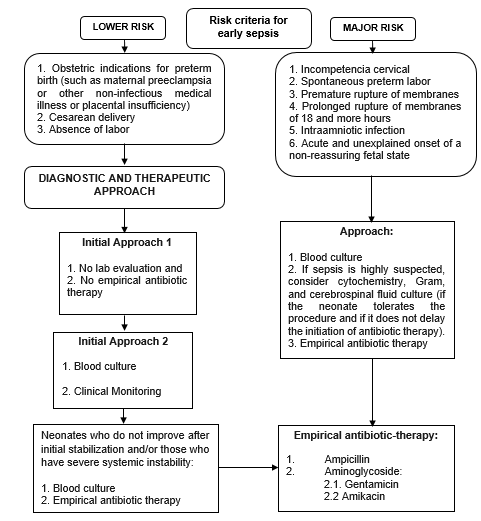
Figure 1 Risk assessment approaches for early-onset sepsis <35 weeks gestational age at birth.
Neonatal 35 weeks and older gestational age
The American Academy of Pediatrics (AAP) has defined three acceptable approaches to identify late NTRs and NTRNs at high risk of developing early sepsis.
Assessment by risk factor category: It is based on identifying neonates who meet certain criteria and accordingly, provides an evidence-based recommendation for that risk factor. Risk factors used in such algorithms include: (1) a newborn who appears ill, (2) a mother with a clinical diagnosis of intraamniotic infection, (3) a mother colonized with GBS and who received inadequate intrapartum antibiotic prophylaxis (IAP), with a duration of ovular membrane rupture of 18 or more hours, or birth before 37 weeks of gestation with spontaneous preterm labor, (4) mother who is colonized with GBS who received an inadequate IAP, but no additional risk factors. Table 4 summarizes the risk factors for early-onset sepsis as well as the recommended diagnostic approach.8,35
|
Risk category |
Recommendation |
|
Newborn who looks sick or looks sick |
Blood; If sepsis is highly suspected, consider cytochemical, Gram, and cerebrospinal fluid culture (if the neonate tolerates the procedure and if it does not delay the initiation of antibiotic therapy); Empirical antibiotic therapy |
|
Mother diagnosed with chorioamnionitis |
Blood; empirical antibiotic therapy |
|
The mother colonized with GBS who received inadequate IAP, with a duration of ovular membrane rupture of 18 hours or more or born before 37 weeks |
Blood |
|
Colonized mother with GBS who received inadequate IAP, but no additional risk factors |
Hospital observation for at least 48 h |
Table 4 Risk factors for early-onset sepsis and associated management recommendations
Abbreviations: GBS, group B streptococcus; PAI, intrapartum antibiotic prophylaxis.
Advantages: The advantage of this approach has been published with conclusive data for use where GBS disease-specific and frequency of evaluation in early neonatal sepsis are addressed.8
Limitations: In this regard, the lack of clear definitions of clinical disease of the newborn, difficulties in establishing the clinical diagnosis of maternal chorioamnionitis, inconsistent consideration of intrapartum antibiotics, and the absence of guidance about what is used to define abnormal laboratory test results in the newborn are described.8
Multivariate risk assessment: In this approach, the clinician uses an algorithm to individualize the risk level of a newborn taking into account risk factors and clinical condition during the first 6 to 24 (for another 48) hours of life. This risk assessment combines the probability of a newborn having early sepsis based on maternal risk factors and the clinical examination of the newborn according to three well-defined clinical states such as good appearance or appearance, a doubtful disease and the newborn who is clinically ill, which produces a unique risk value for early sepsis with associated treatment recommendations, as shown in Table 5.8,35
|
Category |
Recommendation |
|
Clinical disease
|
Persistent need for CPAP/HFNC/mechanical ventilation outside of the delivery room Hemodynamic instability requiring vasoactive drugs Perinatal encephalopathy/depression (seizures, 5-minute Apgar score less than 5) |
|
Doubtful disease
|
Persistent physiologic abnormality for 4 or more hours, or two or more physiologic abnormalities lasting more than 2 hours Tachycardia major: 160 beats per minute Temperature instability >38 °C or <36.4 °C Shortness of breath that does not require supplemental oxygen (nasal flaring, whining, intercostal retractions, subcostal retraction) |
|
Good appearance |
Absence of persistent physiological abnormalities |
Table 5 Signs and symptoms of clinical and equivocal disease in the neonate
Abbreviations: CPAP, continuous positive airway pressure; HFNC, high-flow nasal cannula.
Advantages: These advantages include, (1) it is used to provide differential information about the risk of an individual newborn, rather than placing them in categories with a wide range of risk, (2) it includes only objective data and not a clinical diagnosis of intra-amniotic infection, and (3) it results in relatively few good-looking neonates being empirically treated with antibiotics.8
Limitations: Requires increased clinical surveillance for some healthy patients in the nursery and/or postpartum care unit. Classification of neonates as clinically ill, with doubtful disease or with good appearance requires continuous clinical evaluation during the first 12 hours after birth, increasing the workload in intensive care units. Workflow changes may be needed to accommodate changes in vital signs frequency and other clinical assessments for infants who are identified as being at moderate risk for early-onset sepsis. However, these disadvantages do not outweigh the advantages of early diagnosis of sepsis in neonates.8
Risk assessment based primarily on the clinical condition of the newborn: A third approach is to rely on the clinical signs of the disease to identify infants with early-onset sepsis. The presentation of sepsis is usually clinically nonspecific, varying according to gestational age, clinical severity, location of infection, and causative agent. However, risk assessment presents a challenge in the preterm infant, specifically for the low birth weight infant for whom risk assessment cannot be applied. The AAP has recently suggested a more current approach to determining indications for preterm birth that may pose a risk for early-onset sepsis in this subset of the neonatal population, see Table 6.8,35
|
Indications for preterm birth |
Management recommendations |
|
Low risk Maternal indications (preeclampsia, placental insufficiency, IUGR) Cesarean delivery Absence of labor Induction of labor MRI before delivery |
Monitoring without laboratory testing Follow-up and blood culture Empirical treatment may be initiated if unstable or clinical The condition does not improve after the first hours of life |
|
High risk Corioamnionitis o IIA Premature rupture of membranes Prolonged rupture of membranes (≥18 hours) Premature Incompetencia cervical Acute onset of unsatisfactory fetal status MRI + maternal indication of IAP but inadequate treatment |
Blood Empirical antibiotics CSF culture and analysis in case of strong suspicion
|
Table 6 Risk stratification of early-onset sepsis for preterm birth and associated treatment recommendations
Abbreviations: CSF, cerebrospinal fluid; IAI, intra-amniotic infection; IAP, intrapartum antibiotic prophylaxis; IUGR, intrauterine growth restriction; MRI, rupture of membranes.
Advantages: Significant reduction in the rate of antibiotic use. It would provide a means of identifying neonates who develop early-onset sepsis despite a low risk estimate and an initially reassuring clinical condition.8
Limitations: May require significant changes in neonatal care in birth clinics, including establishing processes to ensure universal serial, structured, and documented examinations and developing clear criteria for further evaluation and empirical administration of antibiotics. Frequent medical examinations of all infants may be variably acceptable to families and may significantly increase the cost of specialized medical care.8
Sepsis calculator
The sepsis calculator is the most widely used strategy in the U.S. and has been incorporated into clinical practices around the world. Using the sepsis calculator has been shown to reduce antibiotic use, lab tests, cultures, and intensive care unit admission. The Sepsis Calculator (https://neonatalsepsiscalculator.kaiserpermanente.org/), is a tool developed by Kaiser Permanente that provides recommendations for clinical management, ranging from routine care to the administration of empirical antibiotics. It has been found to be useful in decreasing the use of empirical antibiotics in cases of suspected early-onset sepsis. Since it was designed for late preterm and term infants, the early sepsis calculator does not cover the high-risk population of vulnerable preterm infants, see Table 7.8,35,53,54
|
Risk level of the early sepsis calculator |
Recommendation |
|
< 1 per 1000 live births |
Observation only |
|
≥ 1 per 1000 live births |
Blood Culture + Observation |
|
≥3 per 1000 live births |
Blood culture + Empirical antibiotics |
Table 7 Risk of early-onset sepsis as determined by the sepsis calculator and associated management recommendations
Tables 8 and 9 provide a summary of antibiotic therapies and non-antibiotic interventions used in neonates with sepsis, paying special attention to cardiorespiratory monitoring, oxygenation, and water and nutritional support.36
|
Clinical condition |
Empirical antibiotic therapy |
|
Early onset (<72 hours) |
Ampicillin and an aminoglycoside (gentamicin or amikacin)* |
|
Late Start (≥72 hours) Community supported |
Recommended Regimen: Ampicillin and an aminoglycoside (gentamicin or amikacin)* Alternative: ampicillin and an expanded-spectrum cephalosporin (e.g., ceftazidime, cefepime, or cefotaxime [when available]) |
|
Suspected meningitis (eg, clinical, CSF pleocytosis) |
Recommended regimen: Ampicillin and a 3rd or 4th generation cephalosporin (cefotaxime or cefepime that penetrates the original nervous system)* |
|
Suspected community acquired pneumonia |
Recommended Regimen: Ampicillin and an aminoglycoside (gentamicin or amikacin)* |
|
Suspected infection of the skin, omphalo, soft tissues, joints, or bones (S. aureus is a probable pathogen) |
Vancomycin and an aminoglycoside (gentamicin or amikacin)* or Vancomycin/oxacillin and an aminoglycoside (gentamicin or amikacin)* or Vancomycin and a 3rd or 4th generation cephalosporin (e.g. cefotaxime or cefepime [when available]) |
|
Suspected infection due to microorganisms found in the gastrointestinal tract (e.g., anaerobic bacteria) |
Ampicillin and an aminoglycoside (gentamicin or amikacin)* and metronidazole Alternatives: ¶ Ampicillin and an aminoglycoside (gentamicin or amikacin)* and metronidazole or Δ Piperacillin-tazobactam and an aminoglycoside (gentamicin or amikacin)* |
Table 8 Suggested antimicrobial regimens for the treatment of neonatal sepsis in term and late preterm infants
*In centers with a high prevalence of gentamicin resistance among gram-negative isolates, an alternative aminoglycoside (e.g., amikacin) may be preferred.
¶Oxacillin (if available) may be used in the empirical regimen instead of vancomycin if the neonate is not critically ill and has a recent negative MRSA screening test.
ΔIf there is concern about meningitis caused by a multidrug-resistant gram-negative organism, a carbapenem such as meropenem is the preferred agent for empirical therapy.
|
Treatment |
|
|
General |
Early recognition and initiation of therapy are crucial. Refer the newborn to a neonatal intensive care unit. Blood cultures, as well as urine and cerebrospinal fluid if indicated. |
|
First-line empirical antimicrobials |
Penicillin or ampicillin + aminoglycoside (gentamicin or amikacin) for early-onset sepsis, and vancomycin/oxacillin + aminoglycoside (gentamicin or amikacin) for late-onset sepsis |
|
Ultimate antimicrobial therapy |
Appropriate for most narrow-spectrum antimicrobials as indicated by pathogen susceptibility testing. For meningitis, adjust antibiotic, dosage, and duration |
|
Antifungal prophylaxis |
To consider prolonged antimicrobial therapy, especially in preterm infants |
|
Treatment of the primary focus |
As needed, especially with Staphylococcus aureus infections |
|
Vascular Access |
Peripheral or central access as needed |
|
Nutritional and fluid support |
Intravenous fluids, enteral nutrition, parenteral nutrition as needed |
|
Thermal care |
Radiant heat cradle, incubator, humidity, as needed |
|
Vital parameter Monitoring |
Oxygen saturation, heart rate, breathing rate, blood pressure as needed, and frequent reassessment. |
|
Ventilation |
Mechanical ventilatory support (non-invasive and invasive), oxygen therapy, and adequate monitoring, or both, as needed. Chest x-ray if indicated. |
|
Cardiovascular support |
Resuscitation with fluids, inotropics, or both, as needed. Echocardiogram if indicated. |
|
Hematological support |
Transfusion of packaged red blood cells, platelets, fresh frozen plasma, and cryoprecipitate, as needed |
|
Immune therapies |
Intravenous immunoglobulins, hematopoietic growth factors, exchange transfusions, and granulocyte transfusions not supported by current evidence |
Table 9 General treatment of neonatal sepsis
Key points
What we know
What to study
What we can do today
Use empirical antibiotic therapy judiciously based on perinatal risks, the clinical picture of the newborn and taking into account that cultures of sterile fluids (blood, urine and cerebrospinal fluid) are the gold standard in the diagnosis of severe neonatal bacterial infection (sepsis, urinary tract infection and meningitis) and taking into account that no current biomarker will replace them.
None.
The authors declare that there are no conflicts of interest.

©2025 Mendoza, et al. This is an open access article distributed under the terms of the, which permits unrestricted use, distribution, and build upon your work non-commercially.