Journal of
eISSN: 2469 - 2786


Review Article Volume 13 Issue 3
Department of Biotechnology, Aurora Degree and PG College, Osmania University, India
Correspondence: Vasudevan Ranganathan, Department of Biotechnology, Aurora Degree and PG College, Osmania University, India
Received: October 01, 2025 | Published: October 29, 2025
Citation: Ranganathan V, Sowmya K, Haripriya D, et al. CRISPR: A comprehensive advance for gene editing. J Bacteriol Mycol Open Access. 2025;13(3):172-176. DOI: 10.15406/jbmoa.2025.13.00419
The dawn of molecular biology has disclosed allied and distinct facets at the genetic and molecular level and one of the most fascinating assets that has allowed the researchers to further explore the insights of the gene is gene editing technology which was made possible through unique sequences that are commonly affiliated to prokaryotic system as a consequence of viral invasion. These sequences that are unique to prokaryotes are referred to as CRISPR (Clustered Regularly Interspaced Short Palindromic Repeats) and have high level of research application which has in turn extended its prominence to eukaryotes from prokaryotes. CRISPR technology has set its significance in several associated domains of life sciences that has enhanced the efforts to explore genome at the sub molecular level. As a matter of fact, gene editing has been made possible through CRISPR technology which makes use of unique sequences to divulge the hidden genetic insights. The eminence of this system in modifying genes has revolutionized the field of genetic engineering which has provided solutions to several genetic consequences. This article aims to disclose the role of CRISPR in gene editing technology and its application on a broader scale that has been a fortunate breakthrough in the field of biology. The article primarily emphasizes on the significance of the CRISPR as a promising option towards cancer therapy.
Keywords: cancer, metastatis, tumor, gene editing, genome editing, CRISPR technology, bacteriophage infection in bacteria, genetic diseases and CRISPR
CRISPR is a gene editing technology that has revolutionized the field of biology allowing the scientists to modify the DNA of the living organisms. The last decade has witnessed the prominence of research in deciphering the insights at the molecular and genetic echelon through gene modification. One of the recently explored areas that have indeed revolutionized the discipline of life science is CRISPR (clustered regularly interspaced short palindromic repeats) that has revealed several facts at the genetic and molecular facet. They are unique DNA sequences found in the prokaryotic genome which includes eubacteria and archaebacteria.1 Each of these unique sequences is derived from the DNA fragment of a bacteriophage that had previously infected the prokaryote or one of its ancestors.2,3 This technology was discovered in bacteria and archeabacteria as a means of defence system towards viral infections. As a matter of fact, these sequences offer immunity to bacteria against bacteriophage and are a part of antiviral system of prokaryotes. Studies reveal the presence of these sequences up to 50% and 90% in eubacteria and archeabacteria respectively.4,5 CRISPR associated protein 9 commonly abbreviated as cas9 plays a vital role where they make use of CRISPR sequences as guide sequences to open up the DNA sequences that are complementary to the CRISPR sequences. Cas9 serves as a molecular scissors that has enhanced the curiosity investigators. CRISPR in association with cas9 commonly referred to as CRISPR-Cas9 that can be used to edit genes within living organisms.6,7 Cas9 enzymes together with CRISPR sequences form the basis of a technology known as CRISPR-Cas9 that can be used to edit genes within living organisms with an intention of a wide variety of applications in biological sciences (Figure 1).8,9
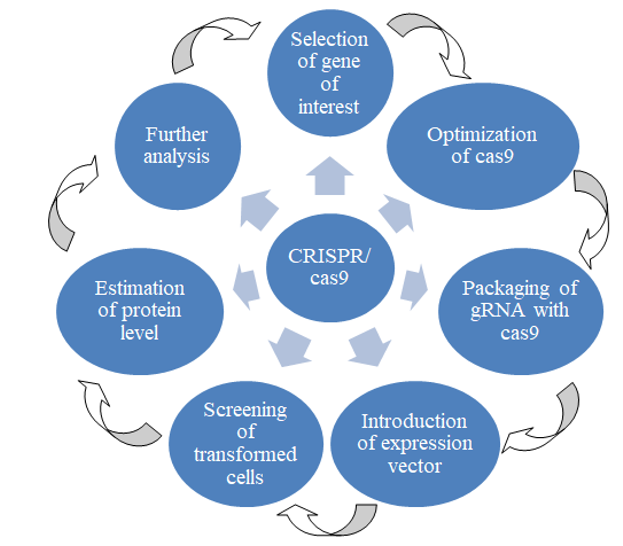
Figure 1 Depiction of CRISPR-cas9 mediated gene editing.
Studies have revealed that the cas9 protein forms a complex with the guide RNA to form a complex which causes double strand breaks in the target DNA that has to be degraded. CRISPR (short for “clustered regularly interspaced short palindromic repeats”) is a technology used by researchers and scientists selectively modify the DNA of living organisms. CRISPR was adapted for use in the laboratory from naturally occurring genome editing systems found in bacteria. Repetitive DNA sequences, called CRISPR, were found in bacteria as a consequence of bacteriophage infection. These sequences are usually found with “spacer” DNA sequences in between the repeats that exactly match viral sequences. It was subsequently discovered that bacteria transcribe these DNA elements to RNA upon viral infection. The RNA guides a nuclease (a protein that cleaves DNA) to the viral DNA to cut it, providing protection against the virus. The nucleases are named “Cas,” for “CRISPR-associated.10 CRISPR/Cas, technology allows easy disruption of a targeted gene, the method has profoundly changed biomedical research, as it greatly reduces the time and expense of developing animal models with specific genomic changes. It was in 2012 when Jennifer Doudna and Emmanuelle Charpentier simplified this technology into a two-component system. They did so by fusing the RNAs into”single-guide RNA", enabling Cas9 to target and cut specific DNA sequences.11 Despite the fact that the technology has its roots in prokaryotic cells, the prominence of this system in editing human genome cannot be denied. In the field of genome engineering, the term “CRISPR” or “CRISPR-Cas9” is often used to refer to the various CRISPR-Cas9 and -CPF1, (and other) systems that can be automated to target specific stretches of genetic code in order to edit the DNA at precise locations, as well as for other purposes, such as for new diagnostic tools. This system have allowed the researchers to permanently modify genes in living cells and organisms and, has increased the scope of this technology in correcting mutations at precise locations in the human genome in order to treat genetic causes of disease.12 CRISPR technology has its application over a broader scale which encompass from basic research to agriculture and cancer and gene therapy. Its potential application in the field of cancer biology has attracted research interest and attention due to its ability to target genetic mutations that causes the growth and spread of tumors. Gene therapy and cell therapy has been made possible through CRISPR gene editing system where CRISPR sequences can be used to target a mutated gene or can be used to make your body’s cells attack toxic cells or regenerate beneficial cells (Figure 2).13

Figure 2 Flowchart depicting the construction of gRNA and analysis through qPCR.
Gene editing through clustered regularly interspaced short palindromic repeats associated protein 9 (CRISPR-Cas9) has indeed transformed the advances of gene function through modernizing the applicative facets to derive affirmative outcomes. CRISPR came in to prominence in 2012 as a promising gene editing tools and the interesting facet was the low cost and ease of use compared to existing gene editing techniques at that time. This in turn has gained the attention of the researchers to further explore the technique for modifying target gene.14,15 The simplicity of CRISPR technology dwells in its way of targeting the DNA which makes use of guide RNA that is complementary to the target DNA for the conductance of the mechanism through the assembly of CRISPR protein complex.16,17 In comparison to the existing editing systems, CRISPR found to be more effective because DNA editing tools, like zinc-finger nucleases (ZFNs) and transcription activator-like effector nucleases (TALENS), employs proteins to target DNA sites of interest for gene editing.18 As a matter of fact, the use of RNA sequence complementary to the target DNA sequence has revolutionized the technique because of its ability of targeting the DNA of interest and designing of CRISPR guide RNAs is significantly simpler than constructing the assembly of ZFN/TALEN proteins. CRISPR, which is considered as one of the major advances in the field of biology, has been originally discovered as a bacterial defense mechanism against invading viruses (bacteriophages). Since then several research attempts have been made to apply CRISPR systems to animals of higher order including humans towards the benefit of the mankind.19 The main components of this technology are a guide RNA (gRNA) that targets the gene of interest, and a protein complex (called Cas9) that contains a nuclease. These two components act in tandem as molecular scissors to cleave the DNA in both the strands (Figure 3).20,21
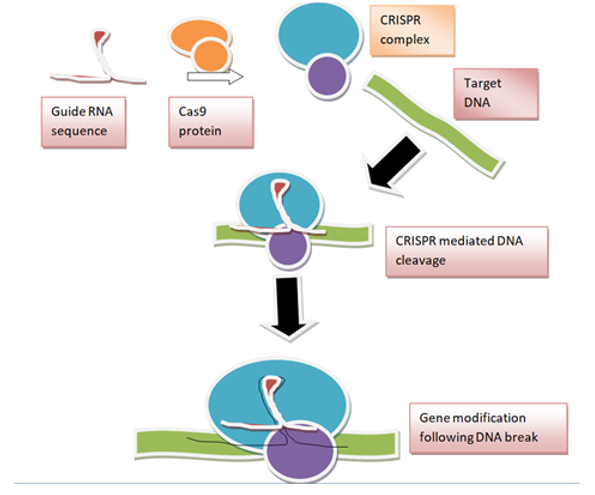
Figure 3 Diagrammatic depiction of CRISPR/cas9 mediated DNA cleavage.
Tracker RNA in association with the complementary sequence usually binds to the cas9 which in turn is directed towards the target DNA sequence causing its cleavage. Despite the fact of simplicity of this process, gene editing is a complicated process as to conclude with CRISPR-mediated DNA cleavage. Our cells are bestowed with two primary defense mechanisms against double-stranded DNA damage, known as non-homologous end joining (NHEJ) and homology-directed repair (HDR). Human cells typically undergo NHEJ, after CRISPR DNA cleavage. But this process is error prone which restores the double strand break with insertions and deletions leading to the formation of non functional gene. On the other hand, homology-directed repair exhibits higher reliability and, in the presence of a suitable donor sequence, can even establish new functional genes in place of the cleaved gene.22 Following the CRISPR gene cleavage, the action of NHEJ or HDR-assisted DNA repair eventually accomplish the desired gene-editing consequence of either gene-knockdown or complete gene replacement. Variety of cell factors decide the state of cell to either undergo NHEJ or HDR as several studies claims these processes to be highly biased and the prominence of gene knock-in via HDR in clinical applications has been validated by several researchers.23 CRISPR has its applications in several areas of biology including cancer diagnostics and treatment.
Cancer has been challenging the human fraternity over decades and is one of the leading causes of death on a global scale. However, advancements in the field of therapeutics have opened the doors for novel techniques that have resulted in suitable remedies at a feasible scale. Prevention and therapeutic approaches, resulting in longer lifetimes or even cures for certain patients with cancer was made possible through novel techniques that were effective over chemotherapy and radiotherapy that were very commonly used alternatives for cancer treatment.24,25 As a matter of fact the need for innovative strategies was fulfilled through sequencing technologies that has indeed allowed the modification of target gene to overcome and study the consequences of cancer. The use of an integrated strategy that incorporates genomic and transcriptomic advancements can provide a comprehensive view of an individual’s genome. Additionally, this method is used to make valuable decisions relating to patient therapeutic options.26 Genomic editing tools like ZFNs and TALENs have been employed in cancer therapy for targeting the DNA domain binding proteins. However, the authenticity involved in the process was questionable due to limited inability to target epigenetic modification that arises in tumorigenesis.27 Gene editing through CRISPR/cas technique has proven to be promising and efficient in targeting the DNA through tracker and guide RNA which specifically binds with the target DNA due to its complementarity. CRISPRs linked with HNH (His-Asn-His) domain protein Cas9, promises efficient, long-term safety cancer treatment.28 The CRISPR/Cas system, achieves genome editing through protein-DNA interactions to mediate sequence recognition, assisted by an RNA molecule. CRISPR loci are made of repeat-spacer units that are alternatively spaced, and CRISPR-associated (Cas) proteins, derived from a prokaryotic host defense system that protects against viral genomes and plasmids.29 CRISPR/cas technique that is used for recognition and cleavage is divided into class 1 and class 2 systems where the class 1 system with protein complexes and Class 2 systems doesn’t involve protein complex but only cleave with one protein, creating a prospect for genome editing.30 However, limitations associated with class 2 systems including type II, V and VI cannot be denied. Protospacer flanking sequence recognized by type VI system employs cas13 for cleavage. Type V recognizes the protospacer adjacent motif (PAM) which is a highly conserved sequence comprising of 2-5 bp sequence.31 In addition to cas13, proteins like cas 12 also play a vital role.
Their association with target DNA is mediated through crRNA (CRISPR RNA) which recognizes the PAM before the protospacer that are T rich sequences.32 In the contrast, types II Cas9 nuclease are acquainted with PAM sequences downstream of the protospacer as they recognize these sequences. Type II CRISPR/Cas9 system is the most well-characterized and broadly applied CRISPR system.33 The guide RNA plays a vital role in achieving the task of cleaving the target DNA as it serves as a linker between the target DNA sequence and the cas9 protein. The guide RNA comprises of sequence complementary to the target DNA sequence of interest and a tracker RNA that is conserved and binds to the cas9 complex causing the cleavage of the target DNA sequence. CRISPR technology has been employed in the clinical and preclinical research to decipher the molecular insights and the ability of this technique in mutation repair, gene editing, oncogene knockdown, and engineered T cell immunotherapy has further enhanced in prominence in genetic and molecular research. Initially, CRISPR was used to recognize a causative mutation in a model of retinitis pigmentosa (RP) by repairing possible mutations. The “rodless” mouse, is a preclinical model with two homozygous mutations that were believed to be the cause of retinal degeneration which is a nonsense point mutation and an intronic insertion as a consequence of a leukemia virus. Several demonstrative studies have been attempted to disclose the applicative facets of this technology. Wu et al.34 provided a cohesive approach for understanding CRISPR-mediated repair to demonstrate that the point mutation responsible for the causative variant of disease. The gene modification can highly regulated and progressive that was achieved in a stepwise organized manner where the affirmative impact of CRISPR application was demonstrated experimentally over generations.34 The efficacy of CRISPR/cas9 technology for gene editing was well established in oncogenic cell lines and animals models due to research attempts that were conducted with an intent of deciphering the insights of CRISPR system. In addition to gene editng, CRISPR has laid its impact on disclosing the organism’s lineage in accordance with tumor suppressor genes that have been commonly cited as genetic landmarks for instigating carcinoma in mice which has in turn extended its applications at higher echelon.35 Several research studies have genuinely claimed the importance of tumor suppressor in navigating the DNA authenticity affirmatively and mutations in this gene leads to severe clinical consequences. Studies have disclosed the prominence of carcinogenic alteration of stem cells from embryos and the loss of function of tumor suppressor genes are caused by homologous recombination-based classical cell-type-specific knockdown approaches.36 One of the interesting facets of CRISPR/cas9 is its ability to successfully target DNA sequences inducing double-stranded break sites in target genomes. Because it is more capable of understanding pathological conditions than conventional genetic manipulation models, this flexible method of genome engineering has been utilized to develop gene knockout models of both mice and rats, among other animals.37 Mouse models were used to understand the behavior of the genes that have been mutated and majority of these genes are those that are involved in tumor progression and carcinogenesis. Genetically modified mouse models were employed to decipher the consequences and were helpful in correcting the genes of vital clinical prominence.38,39 Several genes of medical prominence critical to the medication resistance in human malignancies have been identified and objectified through RNAi employing shRNA and attempts have been made to silence them through RNA intereference.40 However, this technique has resulted in off target effects with a limited usage which has showcased CRISPR system as a promising alternative due to its accuracy and efficacy due to the involvement of biomolecular complex responsible for offering the authenticity and reliability of the technique.41
Global estimations have claimed staggering stats of over 2 million cancer related deaths among men and around 1 million deaths among females since 1975 and there was a need for an alternative measure to counter acts the clinical manifestations that could otherwise lead to dire consequences. Novel techniques have garnered the attention of the researchers with the intent of curbing down the mortality rate that can be attributed towards severe clinical manifestation. United states have witnessed over 2 million new cases in 2021 among women of age groups ranging between 40 to 60 years.42 Recent years have seen the importance of immunotherapeutic techniques as a probable measure for front line clinical practices. However, the accuracy and authenticity has been questionable and has further demanded a method of high level of efficacy and efficiency. As a matter of fact, these techniques are far beyond comprehensive conclusions as their role in affiliation with programmed cell death is least understood and the intricacies associated with the conductance of the process makes it much more complicated from the context of deciphering the molecular and genetic perspectives. Current challenges include the accurate assessment of clinical outcomes that are needed to establish new criteria and tools to quantify the beneficial effects of treatment.43
Research studies and experimental demonstrations have revealed the significance of CRISPR in counteracting cancer and its role in revolutionizing the means of treating several clinical manifestations including cancer. Hale et al.44 have emphasized on the role of this technology in efficient gene manipulation and its potential application in targeting specific DNA sequences. This in turn has enhanced the use of CRISPR system in cancer research. As a matter of fact, uncontrolled cell division leading to tumor and cancer has been researched for decades and the recent past has seen the prominence of cell molecular studies to comprehend the pathways affiliated with cancer development.44,45 Evolution of CRISPR as a promising tool for addressing several diseases cannot be denied due to the ability of specifically targeting the DNA of interest through protein mediated hierarchy. The use of guide RNA and tracker sequences makes it more precise from the context of its efficacy and associated biomolecules further authenticate the genuinity of the process.46 Evolution of CRISPR as a promising alternative to counteract diseases and clinical manifestations cannot be denied because of the level of accuracy and efficacy involved. It is a well known fact that this technology makes use of components like sequence complementary to the target DNA sequence and CRISPR RNA which links the complex to the cas9 protein for the initiation of the cleavage. As a matter of fact cancer research and CRISPR technology work in tandem because this system has been extensively used to comprehend the hidden insights to understand the patter of genes in cancer.47
CRISPR system is not just confined to basic genetic research but has its role in agriculture and gene therapy with the intent of deriving affirmative outcomes. Several CRISPR based approaches have been extensively studied and demonstrated which either include the approach that specifically targets the DNA of interest inducing double strand breaks and the other approach which induces the immune system which in turn activates the immune response against cancer cells through a cascade of internal molecular pathways.48 CRISPR based genome editing can also be used to rectify genetic mutations that are inherited forms of cancer caused by the mutations of BRCA1 and BRCA 2 genes mutations. Walton et al.49 have extensively worked on the BRCA gene mutation and have disclosed the prominence of CRISPR/cas9 system in correcting BRCA1 mutations in human cells.49
On the other hand, the employment of CRISPR system as a potential tool in the field of immunotherapy cannot be denied as T cell engineering using CRISPR has been beneficial in inducing the immune system against genetic contagion. CRISPR-based gene editing can also be used in immunotherapeutic approach for cancer treatment. T cell engineering through CRISPR system has known to display receptors specific for targeting tumor cells which in turn improves the body’s immune response against cancer.50
The current review attempts to provide a comprehensive outlook on CRISPR technology and makes an effort to disclose the affirmative facets of the technique in counteracting cancer which has been an issue of severe health concern over decades. Though several techniques in the past were used as a tool for the molecular and genetic intricacies have made it a difficult option due to the involved molecular convolutions and the extent of relatedness between the molecular pathways. In addition, the lack of specificity in the earlier methods has questioned the authenticity of the techniques employed for counteracting various clinical manifestations. However, the last decade has redefined the field of genetic engineering where researchers have deduced unique sequences from prokaryotic system as a consequence of viral invasion (bacteriophage) which were referred to as CRISPR. The specificity and genuinity of the technique has in turn enhanced the research value of this technique for cancer biology and has been found to be useful for targeting specific sequences causing heritable consequences. The components like guide and tracker sequences have further narrowed the extent of specificity towards the target DNA for inducing cleavage. Despite its beneficial applications, the molecular setbacks associated with this sophisticated technique cannot be denied as additional experimental and demonstrative studies are essential to further validate the authenticity of this technology.
None.
None.

©2025 Ranganathan, et al. This is an open access article distributed under the terms of the, which permits unrestricted use, distribution, and build upon your work non-commercially.