eISSN: 2377-4304


Research Article Volume 16 Issue 2
 Muna Hassan,2 Shama Mousa,2 Ghazal Mira,2 Rahaf Eskndr,2 Lujain Aloreni,2 Kholod Alsubhi2
1Professor of Obstetrics & Gynaecology, General Medicine Practice Program, Batterjee Medical College (BMC), Saudi Arabia
2Medical Interns from the General Medicine Practice Program, Batterjee Medical College (BMC), Saudi Arabia
Correspondence: Prof. Remah Moustafa Ahmed Kamel, MD, PhD, FRCOG, FICS, MMedEd, Professor of Obstetrics & Gynaecology, General Medicine Practice Program, Batterjee Medical College (BMC), P.O. Box 6231 Jeddah 21442, Kingdom of Saudi Arabia
Received: April 28, 2025 | Published: May 9, 2025
Citation: Kamel RMA, Hassan M, Mousa S, et al. Decision to pursue a profession in Obstetrics and Gynaecology: A career choice and practice challenges. Obstet Gynecol Int J. 2025;16(2):65-86.. DOI: 10.15406/ogij.2025.16.00791
Introduction: Swotting career preferences among medical students can help in planning and delivering adequate healthcare services. Determining the preferred specialty and understanding the obligations affecting its choice will provide clues to influence such a choice and shift the balance of specialties among practitioners. The choice of obstetrics and gynecology (OB/GYN) as a medical specialty and future career for medical students is affected by many predictors, among which are gender bias and workforce needs.
Aim: To highlight predictors behind selecting and declining Obstetrics and gynecology as a medical specialty and future career among undergraduate medical students.
Subjects and Methods: A cross-sectional, survey-based study involved 166 undergraduate medical students and interns (53 males and 113 females) at one of the private medical colleges in Jeddah, Saudi Arabia, "The Batterjee Medical College."
Results: The main seven medical specialties selected by undergraduate medical students were emergency medicine, general surgery, internal medicine, neurosurgery, obstetrics and gynecology, pediatrics, and plastic surgery. The obstetrics and gynaecology were picked up (within the first three choices for future specialty and career) by 4 male students (2.52%) and by 44 female students (12.98%). Although personality traits differ between students and their selected medical specialties, the main predictors for selecting OB/GYN were gender type, private job opportunities, a limited syllabus, and the fact that most obstetric clients are healthy (Pregnancy is not an illness).
Conclusion: The selection rate of OB/GYN as a medical specialty and future career among undergraduate medical students is low. A significant correlation exists between female medical students and their choice of OB/GYN specialty. Such gender inequity should encourage attention to search for the hidden reasons deterring male students from applying for an OB/GYN residency. Supportive steps should be taken to motivate medical graduates to pursue the community's needed specialties.
Keywords: medical education in Saudi Arabia, assessment of medical education environment, personality traits of medical students, choice of medical specialty, obstetrics and gynecology (OB/GYN)
The selection process for a medical specialty is poorly understood. Many studies conducted all over the world have struggled to detect the predictors that affect students' choice of medical specialty. Nevertheless, the process by which medical students in Arabic countries choose their future medical careers requires further detailed exploration.
The internship training year is a vital component of an undergraduate medical degree in Saudi Arabia, where students are given the chance to apply their knowledge and abilities to real-life clinical settings (under supervision) after finishing their final year of medical school. The internship plan lasts twelve months and includes both core and elective rotations. Except for some variances in the length of the training cycles, internship requirements are the same locally and worldwide. It consists of two months of required training in internal medicine, obstetrics and gynecology, general surgery, and pediatrics, followed by one-month rotations in emergency medicine and family medicine. The remaining two months are devoted to an elective rotation in any specialty of choice. Most colleges require graduates to complete at least half of their internships at hospitals. Interns train at Saudi Commission for Health Specialties (SCFHS) accredited hospitals and participate in a variety of duties like assessing patients, preparing case records and follow-up notes, and ordering investigations under the supervision of departmental faculty. These activities are intended to develop interns' clinical knowledge and abilities while also providing them with the opportunity to treat patients in a supervised setting.1
Obstetrics and Gynecology (OB/GYN) is one of the four primary medical specialties (the others being Internal Medicine, General Surgery, and Pediatrics). It is a sort of combined medical and surgical specialty that deals with disorders of the female genital tract and reproductive system. Obstetrics is a unique specialty because it treats both the pregnant woman and her unborn child. Gynecology, on the other hand, is concerned with the difficulties of non-pregnant females from puberty until menopause. A doctor who selects this specialty as a profession can practice either one or both. It is an extremely difficult and demanding specialty with enormous rewards.
OB/GYN is a multidisciplinary healthcare service, with doctors working closely with anesthesiologists, intensive care physicians, internists, endocrinologists, general surgeons, urologists, neonatologists, dieticians, social workers, and psychologists. Following completion of the general OB/GYN board, there are numerous subspecialties available, including maternal-fetal medicine, adolescent gynecology, reproductive endocrinology and infertility, gynecological oncology, and urogynecology with pelvic reconstruction.
Obstetrics and gynecology (OB/GYN) is one of the most important medical specialties that medical students can pursue as a profession, yet it is also one of the least appealing. The specialty is currently undergoing a recruiting issue due to a decrease in the number of medical graduates exhibiting interest in the specialty.2 Turner et al.3 conducted a comprehensive survey in London, UK, in 2006, involving 24,623 young medical graduates between years 1974 and 2002, and discovered a significant decrease in OB/GYN selection. Accordingly, it became a major worry for medical educators, health investors, and legislators to maximize demand for this specialty.4
According to the British Medical Association research,5 about 5% of graduates expected to specialize in OB/GYN, but this had dropped down to 1% by the year 2002. Similar findings have been recorded in the United States,6–9 where specialty choice fell from 7.9% in 1993 to 5.6% in 2005. Similar findings were noticed in Germany,10 Botswana,11 Nigeria,12,13 Jordan,14–17 Egypt,18 Sudan,19 and the Kingdom of Saudi Arabia.20–29 As a result, a gap has formed between the need for OB/GYN specialists and the number of applications; this issue may result in daily practice overload and decreased quality of care offered. Consequently, patient dissatisfaction with service, medical issues, and medico-legal criticisms may rise.
Several surveys have concerned medical students' insights into the OB/GYN as a future specialty and the factors driving their attention.30–32 Morgan H2 asked medical students in London to express their ambitions for a career in OB/GYN. The involved students looked to the OB/GYN specialty as "Exciting," "Rewarding," and "combining surgery with medicine". On the other hand, the reasons for not taking a career in OB/GYN were fear of medical lawsuits, a hectic lifestyle, and on-call duties. Similarly, there is evidence in the USA, UK, and Australia that a large percentage of medical students who initially choose OB/GYN as a career planned to quit it because of extreme stress, poor support, excessive paper-work, enormous liabilities, low satisfaction, low self-confidence, and fear of litigation.33–37
In the new integrated medical curricula, practical training is integral to academic learning in all clinical specialties, among which is the OB/GYN, which involves examination of females’ breasts and pelvic organs. Therefore, adequate exposure to clinical training with guidance is vital for students’ success in these specialties.38 However, some clinical procedures, such as Pap-smear taking or digital pelvic examination, may lead to discomfort perceived by female patients39 and/or male medical students.40 This, of course, leads to gender disparities41 and a lack of training opportunities for male medical students.10 Such a case is particularly obvious in conservative societies, where cultural and religious potentials impact patients’ preferences for healthcare providers, limit male students’ tasks in the clinical setting,42 and negatively affect their learning in OB/GYN, as well as their choice of it as their specialty or future career.43 Henceforth, the teaching of intimate examinations to medical students has received a great deal of attention, focusing mostly on ethical and medico-legal issues with patient consent.44
To improve the way of selecting medical specialties among medical students, a hypothesis claimed that people have different personalities and that certain personality traits align better with some medical specialties than others. Accordingly, Alanazi SD et al.45 used the common "Big Five" personality model, which specifies five traits of human personality. It includes Openness to experience (a personality associated with creativity and a thirst for knowledge), Conscientiousness (a personality linked to being achievement-oriented and self-disciplined), Extroversion (a tendency to be active and positive), Agreeableness (a personality manifested in the form of trust, empathy, and friendship), and Neuroticism (a personality associated with negative emotions).
Clinicians score higher in conscientiousness, extroversion, and agreeableness but lower on neuroticism, comparable to the general population. Students with similar traits usually have better health outcomes and life performance, with greater satisfaction and good doctor-patient relationships, than those with high levels of neuroticism. Meanwhile, surgeons show lower levels of openness to experience and extroversion. Since human personality traits tend towards stable patterns of behavior, the detection of personality traits could enable career counseling or assist in the selection process of applicants to medical specialties beyond academic qualifications.46 However, neuroticism is the personality trait that positively influences perceptions of risks and is good for the acquisition of clinical skills.47
As the educational environment, both in the university48 and in the clinical placement,49 has a great impact on the student's academic learning, progress, and feeling of well-being, its measurement is essential as it can influence students’ attitudes towards various medical specialties and affect their career choices.
Aim of the study: The current study aims to
Study design and setting
This is a prospective, cross-sectional, observational study where data were collected online as a structured self-administered questionnaire for undergraduate medical students in their fourth and fifth years, as well as medical interns at the Batterjee Medical College (BMC) in Jeddah, Saudi Arabia. The data collection phase was over three months, from May 01 to July 31, 2023. The ethical approval number (RES/050/2023) issued from the Research Unit, Batterjee Medical College (BMC).
Criteria for selection and exclusion
The selection criteria included all undergraduate medical students (males and females) of the clinical years enrolled in the General Medicine Practice (GMP) program (the 4th and 5th medical years) as well as, the 6th year (medical interns) of the Batterjee Medical College (BMC) of any nationality (Saudi and non-Saudi), for the academic year 2022-2023. The exclusion criteria included all undergraduate medical students (males and females) of the preclinical years of the General Medicine Practice program (the 1st, 2nd, and 3rd medical years) as well as, the postgraduate doctors.
Sample size calculation
The minimal sample size required for a valid study is 131 students, which was calculated online at www.calculator.net considering the total targeted population size was 197 students and a degree of confidence of 95% with an estimated prevalence of 50% and significance of 5%.
Study tools
The study data was acquired using a semi-structured, predesigned online Google Docs questionnaire sheet. The sheet was composed of eight sections, each of which included a group of questions (items) that, after analysis, measured the specific prognosticators for the student's choice of his or her future medical specialty and career. The eight sections of the students' questionnaire were arranged as follows: sociodemographic data, student’s first three choices of medical specialties, student’s personality traits, determinants of student’s medical specialty choices, OB/GYN attractors and detractors, evaluation of the educational environment, as well as clinical placement.
The survey questionnaire was validated at the BMC by an expert reviewer, and its reliability was calculated for all the questions (Cronbach’s alpha = 0.73). For every medical student who fulfilled the study’s inclusion criteria and agreed to participate in the current survey (signed informed consent), the following data were collected:
Data analysis
The data was statistically analyzed using Microsoft Office, Excel® version 2016 (64-bit edition), and IBM's Statistical Package for Social Studies (SPSS®) version 26.0 (64-bit edition) created by IBM, Chicago, IL, USA.
The Pearson Chi-square test, Fisher's exact test for categorical variables, and Student's t-test for continuous data variables were used to analyze the impact of various socio-demographics and personal traits. Z-test was used to compare specialty choices between male and female students. A P-value of 0.05 was used as the criterion of significance. Univariable and multivariable analyses were used to examine factors. Our findings are presented as numbers, percentages, mean values, and standard deviations (SD).
The selection of a medical or surgical branch as an upcoming specialty and as a future profession is of eventual significance for medical students. We chose our study’s participants from the clinical years (the 4th, 5th, and 6th medical years). This is because undergraduate students in pre-clinical years usually have little or no background in the different clinical specialties and their scopes.
The total number of undergraduate students in the 4th year of General Medical Practice (GMP) program at the Batterjee Medical College (BMC) in Jeddah, Saudi Arabia, was 69 (22 males and 47 females). The participating students out of them were 58 students (18 males and 40 females), with percentages of 81.8% and 85.1%, respectively. The total number of students in the 5th year General Medical Practice (GMP) program at the BMC was 61 (24 males and 37 females). The participating students out of them were 51 students (20 males and 31 females), with percentages of 83.3% and 83.8%, respectively. On the other hand, the total number of students in the 6th year (medical interns) at the BMC was 67 (19 males and 48 females). The participating interns were 57 students (15 males and 42 females), with percentages of 78.9% and 87.5%, respectively (Table 1). Accordingly, the total number of undergrad students in the clinical years at the BMC was 197 (65 males and 132 females), and the number of participants was 166 (53 males and 113 females), with percentages of 81.5% and 85.6%, respectively. Thus, female students dominated males in all medical years (Figure 1).
|
Study level |
Male students |
Female students |
Total |
||||||
|
Total |
Participated |
(%) |
Total |
Participated |
(%) |
Total |
Participated |
(%) |
|
|
4th |
22 |
18 |
81.8 |
47 |
40 |
85.1 |
69 |
58 |
84.1 |
|
5th |
24 |
20 |
83.3 |
37 |
31 |
83.8 |
61 |
51 |
83.6 |
|
6th |
19 |
15 |
78.9 |
48 |
42 |
87.5 |
67 |
57 |
85.1 |
|
Total |
65 |
53 |
81.5 |
132 |
113 |
85.6 |
197 |
166 |
84.3 |
Table 1 Participated Undergraduate medical students at BMC
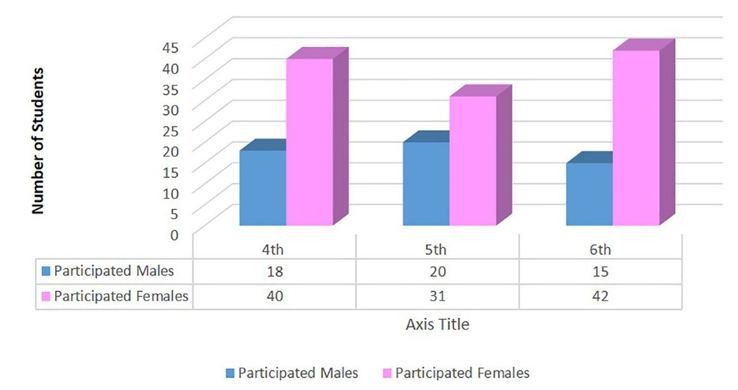
Figure 1 Medical students of the study according to the grade.
According to the collected sociodemographic data from the recruited medical students, both religious status and annual family incomes were of statistical significance when comparing male and female students, whereas all other comparing variables were statistically non-significance (Table 2). This includes the GPA of the participating students (Figure 2) and their parents’ educational levels (Figure 3).
|
Variables |
Male students |
Female students |
Chi-Square X2 |
P value* |
|||
|
Sociodemographic data |
N = 53 |
(%) |
N = 113 |
(%) |
|||
|
Age (in years) |
< 22 |
8 |
-15.1 |
18 |
-15.9 |
0.14 |
0.987 |
|
22 - < 24 |
30 |
-56.6 |
65 |
-57.5 |
|||
|
24 - < 26 |
12 |
-22.6 |
25 |
-22.2 |
|||
|
≥ 26 |
3 |
-5.7 |
5 |
-4.4 |
|||
|
Religion |
Muslim |
52 |
-98.1 |
100 |
-88.5 |
4.32 |
0.038* |
|
Non-Muslim |
1 |
-1.9 |
13 |
-11.5 |
|||
|
Nationality |
Saudi |
40 |
-75.5 |
78 |
-69.1 |
0.73 |
0.393 |
|
Non-Saudi |
13 |
-24.5 |
35 |
-30.9 |
|||
|
Studying Year |
4th medical year |
18 |
-34 |
40 |
-35.4 |
2.09 |
0.351 |
|
5th medical year |
20 |
-37.7 |
31 |
-27.4 |
|||
|
6th year (Internship) |
15 |
-28.3 |
42 |
-37.2 |
|||
|
GPA |
< 4.0 |
13 |
-24.5 |
18 |
-15.9 |
2.82 |
0.244 |
|
4.0 – 4.5 |
25 |
-47.2 |
50 |
-44.3 |
|||
|
> 4.5 |
15 |
-28.3 |
45 |
-39.8 |
|||
|
Parents’ Education |
PhD / Master |
10 |
-18.9 |
22 |
-19.5 |
2.69 |
0.442 |
|
University |
35 |
-66 |
83 |
-73.5 |
|||
|
High school (G10-12) |
5 |
-9.4 |
5 |
-4.4 |
|||
|
Intermediate (G7-9) |
3 |
-5.7 |
3 |
-2.6 |
|||
|
Primary (G1-6) |
0 |
0 |
0 |
0 |
|||
|
None (illiterate) |
0 |
0 |
0 |
0 |
|||
|
Ethnicity |
Arabic |
50 |
-94.3 |
95 |
-84.1 |
3.44 |
0.635 |
|
Non-Arabic |
3 |
-5.7 |
18 |
-15.9 |
|||
|
Living Status |
With Parents |
25 |
-47.2 |
55 |
-48.7 |
2.03 |
0.73 |
|
With Spouse |
10 |
-18.8 |
18 |
-15.9 |
|||
|
With Relative |
5 |
-9.4 |
7 |
-6.2 |
|||
|
With Friend |
10 |
-18.9 |
20 |
-17.7 |
|||
|
Alone |
3 |
-5.7 |
13 |
-11.5 |
|||
|
Marital Status |
Single |
43 |
-81.1 |
95 |
-84.1 |
0.222 |
0.637 |
|
Married |
10 |
-18.9 |
18 |
-15.9 |
|||
|
Divorced |
0 |
0 |
0 |
0 |
|||
|
Widowed |
0 |
0 |
0 |
0 |
|||
|
Number of Children |
None |
43 |
-81.1 |
95 |
-84.1 |
0.886 |
0.829 |
|
1 |
2 |
-3.8 |
6 |
-5.3 |
|||
|
2 |
7 |
-13.2 |
10 |
-8.8 |
|||
|
≥ 3 |
1 |
-1.9 |
2 |
-1.8 |
|||
|
Training Setting |
Private (SGH©) |
47 |
-88.7 |
100 |
-88.5 |
0.262 |
0.967 |
|
University |
3 |
-5.7 |
8 |
-7.1 |
|||
|
Military |
2 |
-3.8 |
3 |
-2.6 |
|||
|
MOH |
1 |
-1.9 |
2 |
-1.8 |
|||
|
Annual family income (in USD) |
< 15,000 |
1 |
-1.9 |
8 |
-7.1 |
21.39 |
0.0003* |
|
15,000 - < 20,000 |
7 |
-13.2 |
33 |
-29.2 |
|||
|
20,000 - < 25,000 |
22 |
-41.5 |
50 |
-44.3 |
|||
|
25,000 - < 30,000 |
10 |
-18.9 |
18 |
-15.9 |
|||
|
≥ 30,000 |
13 |
-24.5 |
4 |
-3.5 |
|||
|
Chronic illness |
None |
45 |
-84.9 |
88 |
-77.9 |
1.133 |
0.568 |
|
Medical |
5 |
-9.4 |
15 |
-13.3 |
|||
|
Psychiatric |
3 |
-5.7 |
10 |
-8.8 |
|||
Table 2 Socio-demographic characteristics of the study participants
©Saudi German Hospital, Jeddah, Saudi Arabia.
*Statistical significance (p < 0.05)
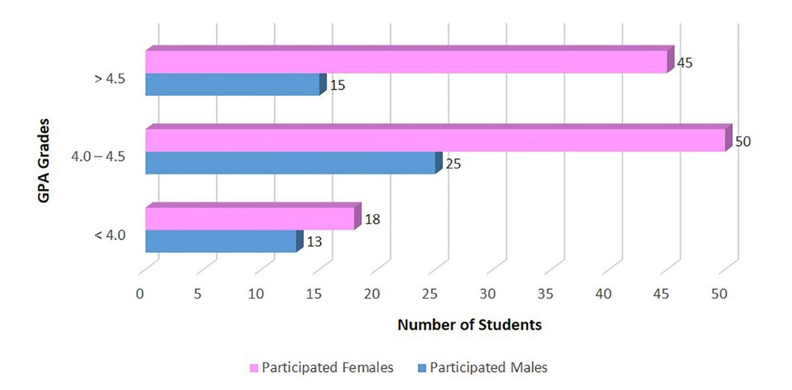
Figure 2 GPA of participated medical students.
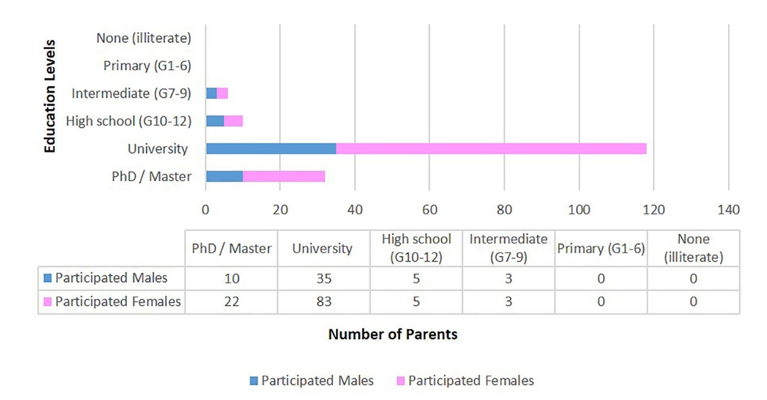
Figure 3 Parents’ education levels of participated students.
Upon collecting the responses of the participating medical students concerning their preferred first three choices of medical specialties (out of 27 different specialties) as their future career and profession, we recorded significant differences (p-value < 0.05) between male and female students regarding the highly-choice four specialties, listed alphabetically as following: general surgery, internal medicine, obstetrics and gynecology, and paediatrics. Although both emergency medicine (selected only by 6 males and 3 females) and neurosurgery (selected only by 7 males and 5 females) show significant differences. Therefore, no statistical significance difference was noticed among the remaining 21 specialties (Table 3). The three chief choices for males were general surgery (17, 32.08%), pediatrics (13, 24.53%), and equal three percentages (12, 22.64%) for each of family medicine, internal medicine, and plastic surgery. While the three chief choices for females were (68, 60.18%) for internal medicine, (66, 58.41%) for pediatrics, and (44, 38.94%) for obstetrics and gynecology (Figure 4).
|
Specialty Choices |
Males (N=53) |
Females (N=113) |
Z-Test score |
P value* |
||||||
|
Specialty choices |
Specialty choices |
|||||||||
|
1st |
2nd |
3rd |
(%) |
1st |
2nd |
3rd |
(%) |
|||
|
Anaesthesiology |
1 |
1 |
1 |
5.66 |
1 |
1 |
1 |
2.65 |
0.9672 |
0.33204 |
|
Cardiology |
1 |
2 |
1 |
7.55 |
3 |
2 |
5 |
8.85 |
-0.2815 |
0.77948 |
|
Cardio-thoracic Surgery |
1 |
1 |
2 |
7.55 |
1 |
1 |
2 |
3.54 |
1.1239 |
0.26272 |
|
Community Medicine |
2 |
2 |
3 |
13.21 |
5 |
4 |
2 |
9.73 |
0.6709 |
0.50286 |
|
Dermatology |
2 |
3 |
4 |
16.98 |
10 |
8 |
6 |
21.24 |
-0.6408 |
0.52218 |
|
Emergency Medicine |
2 |
2 |
2 |
11.32 |
1 |
1 |
1 |
2.65 |
2.2987 |
0.02144* |
|
Endocrinology |
1 |
1 |
1 |
5.66 |
3 |
2 |
2 |
6.19 |
-0.1349 |
0.89656 |
|
Family Medicine |
5 |
4 |
3 |
22.64 |
8 |
5 |
5 |
15.93 |
1.0478 |
0.29372 |
|
Gastroenterology |
1 |
1 |
1 |
5.66 |
1 |
1 |
3 |
4.42 |
0.3465 |
0.72634 |
|
General Surgery |
8 |
5 |
4 |
32.08 |
5 |
3 |
1 |
7.96 |
3.9847 |
<0.00006* |
|
Intensive Care |
1 |
1 |
2 |
7.55 |
1 |
1 |
2 |
3.54 |
1.1239 |
0.26272 |
|
Internal Medicine |
5 |
4 |
3 |
22.64 |
20 |
28 |
20 |
60.18 |
-4.5121 |
<0.00001* |
|
Nephrology |
1 |
1 |
1 |
5.66 |
1 |
1 |
2 |
3.54 |
0.6338 |
0.5287 |
|
Neurology |
1 |
1 |
1 |
5.66 |
1 |
1 |
2 |
3.54 |
0.6338 |
0.5287 |
|
Neurosurgery |
2 |
2 |
3 |
13.21 |
2 |
1 |
2 |
4.42 |
2.0371 |
0.04136* |
|
Obstetrics and Gynaecology |
2 |
1 |
1 |
7.55 |
17 |
15 |
12 |
38.94 |
-4.1588 |
<0.00001* |
|
Oncology |
1 |
1 |
1 |
5.66 |
1 |
1 |
3 |
4.42 |
0.3465 |
0.72634 |
|
Ophthalmology |
2 |
2 |
1 |
9.43 |
4 |
3 |
4 |
9.73 |
0.1224 |
0.90448 |
|
Orthopaedic Surgery |
1 |
2 |
2 |
9.43 |
1 |
1 |
1 |
2.65 |
1.9012 |
0.05744 |
|
Otolaryngology (ENT) |
2 |
2 |
1 |
9.43 |
1 |
1 |
5 |
6.19 |
0.7513 |
0.45326 |
|
Paediatrics |
4 |
5 |
4 |
24.53 |
20 |
26 |
20 |
58.41 |
-4.0746 |
<0.00001* |
|
Plastic Surgery |
2 |
4 |
6 |
22.64 |
1 |
1 |
2 |
3.54 |
0.6338 |
0.5287 |
|
Psychiatry |
1 |
1 |
1 |
5.66 |
1 |
1 |
2 |
3.54 |
0.6338 |
0.5287 |
|
Pulmonology |
1 |
1 |
1 |
5.66 |
1 |
1 |
2 |
3.54 |
0.6338 |
0.5287 |
|
Radiology |
1 |
1 |
1 |
5.66 |
1 |
1 |
2 |
3.54 |
0.6338 |
0.5287 |
|
Rheumatology |
1 |
1 |
1 |
5.66 |
1 |
1 |
2 |
3.54 |
0.6338 |
0.5287 |
|
Urology / Nephrology |
1 |
1 |
1 |
5.66 |
1 |
1 |
2 |
3.54 |
0.6338 |
0.5287 |
Table 3 Three specialty choices of participated students
*Statistical significance (p < 0.05)
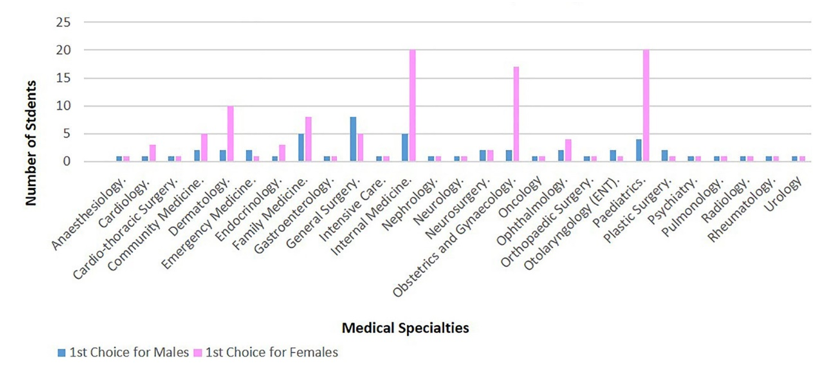
Figure 4 The 1st medical specialty choice of participated students.
The characteristics of each one of the big five personality traits and their high and low scores reflect the individual’s behavior studied before (Table 4). Upon using "Kamel’s OCEAN Test" to study the personality criteria of the participating medical students, we reported differences between male and female students (Table 5). In comparison, the openness to experience for male students was low (18.44±0.74), while for female students it was normal (20.40±0.74). The conscientiousness of male students was normal (20.96±0.72), while that of female students was high (32.64±0.75). The extroversion for male students was low (18.28±0.87), while for female students, it was high (28.96±0.90). The agreeableness for male students was low (18.12±0.67), while for female students, it was high (29.20±0.68). The neuroticism of male students was normal (20.96±0.76), while that of female students was low (18.52±0.84). The p-values for all personality traits were of statistical significance (p-value < 0.05) upon comparing both sexes (Figure 5).
|
Matching specialties |
Low score |
Personality trait |
High score |
Matching specialties |
|
Forensic Medicine |
· More Practical |
Openness to Experience |
· Artistic, Curious |
ENT, Ophthalmology |
|
Internal Medicine |
· Conservative |
(Imagination, fantasy, aesthetic, feelings, actions, idea) |
· Wide range of Interests |
Orthopaedics |
|
Obstetrics & Gynecology |
· Down to earth |
· Seeking new experiences |
Dermatology |
|
|
Paediatrics |
· Prefers routine |
· Insightful, Independent |
General Surgery |
|
|
Radiology |
· Impulsive |
Conscientiousness |
· Efficient, Hardworking |
Orthopaedics |
|
Psychiatry |
· Careless, Relaxed |
(Competence, self-discipline, thoughtfulness, goal-driven) |
· Reliable, Dependable |
General Surgery |
|
Paediatrics |
· Disorganized |
· Planning, Organized |
Obstetrics & Gynecology |
|
|
Anaesthesia |
· Quiet |
Extroversion |
· Active, Outgoing |
Orthopaedics |
|
Internal Medicine |
· Working alone |
(Sociability, assertiveness, excitement, emotional expression) |
· Energetic, talkative |
Emergency Medicine |
|
Paediatrics |
· Withdrawn |
· Sociable, Fun-loving |
General Surgery |
|
|
Radiology |
· Good listener |
· Seeks adventure |
Obstetrics & Gynecology |
|
|
Forensic Medicine |
· Self-centred |
Agreeableness |
· Forgiving, Helpful |
Dermatology |
|
Radiology |
· Uncooperative |
(Cooperative, trustworthy, altruism, good-natured) |
· Generous, Trusting |
Family Medicine |
|
Paediatrics |
· Suspicious |
· Kind, Sympathetic |
ENT, Ophthalmology |
|
|
General Surgery |
Internal Medicine |
|||
|
Psychiatry |
· Calm |
Neuroticism |
· Anxious, Tense |
General Surgery |
|
Radiology |
· Even-tempered |
(Anxiety, angry hostility, vulnerability, unstable emotions) |
· Unstable, Unhappy |
Emergency Medicine |
|
Internal Medicine |
· Secure |
|
· Prone to negative emotions |
Obstetrics & Gynecology |
Table 4 The big five personality traits (Kamel’s OCEAN)
|
Personality traits |
Male students |
Female students |
t-test value |
P value* |
|
Total N= 53 |
Total N= 113 |
|||
|
Mean ± SD |
Mean ± SD |
|||
|
Openness to Experience |
18.44 ± 0.74 |
20.40 ± 0.74 |
-3.24392 |
0.031557* |
|
Conscientiousness |
20.96 ± 0.72 |
32.64 ± 0.75 |
-19.45856 |
0.000041* |
|
Extroversion |
18.28 ± 0.87 |
28.96 ± 0.90 |
-14.77785 |
0.000122* |
|
Agreeableness |
18.12 ± 0.67 |
29.20 ± 0.68 |
-20.10341 |
0.000036* |
|
Neuroticism |
20.96 ± 0.76 |
18.52 ± 0.84 |
3.73081 |
0.020283* |
Table 5 The five major personality traits of participants according to gender
*Statistical significance (p < 0.05)
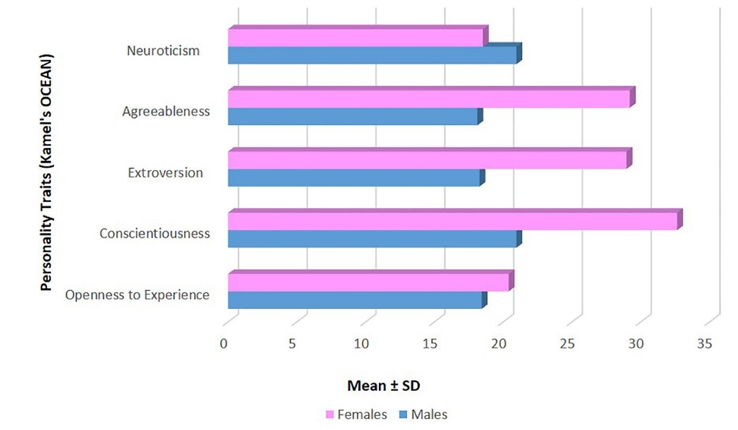
Figure 5 The five major personality traits of participants according to gender.
Upon comparing the correlation between the personality characteristics of the medical students and the six medical specialties chosen by them with significant differences (Figure 6), we found that medical branches such as internal medicine, obstetrics and gynecology, as well as, pediatrics characterized by a mix of normal openness to experience, high conscientiousness, high extroversion, high agreeableness, and low neuroticism. For the surgical branches, such as general surgery and neurosurgery, both characterized by a mix of low openness to experience, normal conscientiousness, low extroversion, low agreeableness, and normal neuroticism (Table 6). For emergency medicine, it characterized by a mix of low openness to experience, normal conscientiousness, low extroversion, low agreeableness, and high neuroticism (Figure 7).
|
Medical specialty |
Students = 166 |
Personality traits: Mean (SD) |
|||||
|
Males: N (%) |
Females: N (%) |
O |
C |
E |
A |
N |
|
|
Emergency Medicine |
6 (3.61) |
3 (1.81) |
18.92 (0.74) |
21.96 (0.72) |
18.28 (0.97) |
18.15 (0.60) |
24.20 (0.78) |
|
General Surgery |
17 (10.24) |
9 (5.42) |
18.42 (0.74) |
20.20 (0.72) |
19.24 (0.17) |
19.10 (0.17) |
20.75 (0.75) |
|
Internal Medicine |
12 (7.23) |
68 (40.96) |
22.35 (0.74) |
26.60 (0.52) |
28.96 (0.90) |
30.50 (0.08) |
18.28 (0.97) |
|
Neuro-surgery |
7 (4.22) |
5 (3.01) |
19.44 (0.74) |
21.96 (0.72) |
19.28 (0.85) |
18.89 (0.60) |
21.20 (0.95) |
|
ObGyn |
4 (2.41) |
44 (26.51) |
20.20 (0.74) |
30.60 (0.12) |
27.96 (0.99) |
29.20 (0.68) |
18.90 (0.97) |
|
Pediatrics |
13 (7.83) |
66 (39.76) |
21.40 (0.74) |
28.60 (0.22) |
28.06 (0.90) |
32.50 (0.38) |
19.08 (0.97) |
Table 6 Personality traits according to medical specialties of statistical significance
O, Openness to Experience; C, Conscientiousness; E, Extroversion; A, Agreeableness; N, Neuroticism
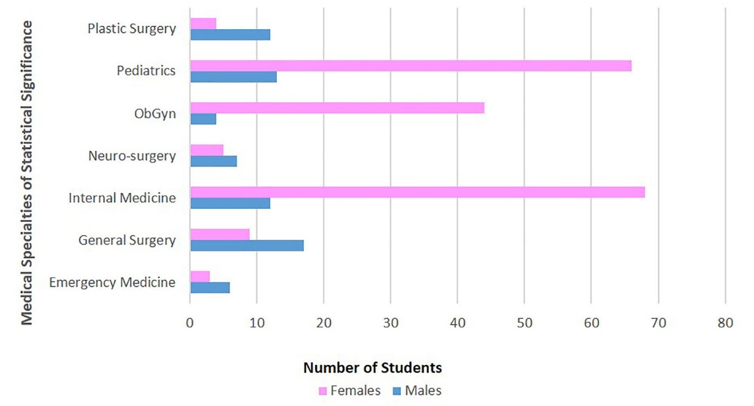
Figure 6 Students’ medical specialties of statistical significance.
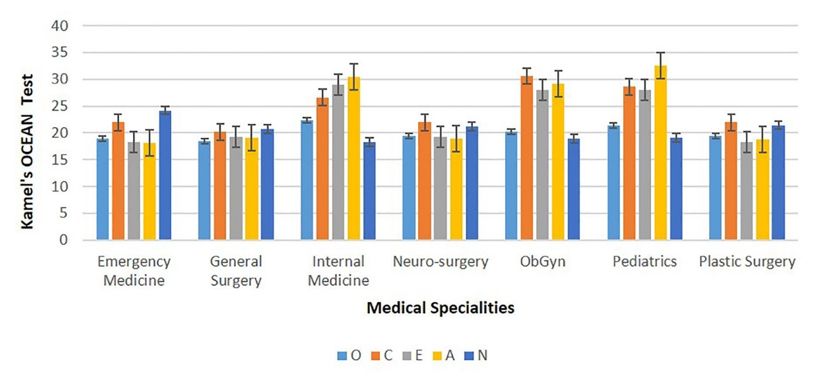
Figure 7 Students’ personality traits according to medical specialties.
To trace out the main determinants for choosing a medical specialty among undergraduate medical students, we published 27 different factors to the participating students to pick up the factors that affected their choice (Table 7). The most important factors picked up by both males and females were the working hours and lifestyle, personal interest, level of job stress, duration of residency program, and available job opportunities. There were differences of statistical significance between male and female students regarding nine factors: working atmosphere, easy decision-making, prestige and social level, duration of the residency program, communication with patients, training location, early experience, job flexibility, and its impact on people's lives.
|
Determinants of Medical Choice |
Male students |
Female students |
Chi-Square X2 |
P value* |
||
|
Total N= 53 (100%) |
Total N= 113 (100%) |
|||||
|
Number |
(%) |
Number |
(%) |
|||
|
1. Gender (Social & Cultural expectation) |
25 |
-47.17 |
64 |
-56.64 |
1.3003 |
0.254 |
|
2. Religion and beliefs |
7 |
-13.21 |
25 |
-22.12 |
1.8432 |
0.175 |
|
3. Family, Spouse, or other’s advice |
15 |
-28.3 |
35 |
-30.97 |
0.1223 |
0.727 |
|
4. Working hours & lifestyle |
53 |
-100 |
113 |
-100 |
0.3042 |
0.581 |
|
5. Marital status |
10 |
-18.87 |
18 |
-15.93 |
0.2222 |
0.637 |
|
6. Personality type & Interest |
45 |
-84.91 |
95 |
-84.07 |
0.019 |
0.89 |
|
7. Monthly income |
40 |
-75.47 |
80 |
-70.8 |
0.3937 |
0.53 |
|
8. Academic and educational determinants (GPA) |
35 |
-66.04 |
75 |
-66.37 |
0.0018 |
0.966 |
|
9. Particular teacher/mentor model |
15 |
-28.3 |
35 |
-30.97 |
0.1223 |
0.727 |
|
10. Level of job stress |
53 |
-100 |
113 |
-100 |
0.3042 |
0.581 |
|
11. Working conditions, atmosphere, colleagues |
15 |
-28.3 |
70 |
-61.95 |
16.3456 |
0.00005* |
|
12. Easy decision-making |
25 |
-47.17 |
29 |
-25.66 |
7.6028 |
0.0058* |
|
13. Prestige and Social level |
27 |
-50.94 |
30 |
-26.55 |
9.5225 |
0.0020* |
|
14. Parents’ or spouse’s medical profession |
5 |
-9.43 |
20 |
-17.7 |
1.9267 |
0.165 |
|
15. Opportunity to secure a training post |
35 |
-66.04 |
75 |
-66.37 |
0.0018 |
0.966 |
|
16. Duration of Residency program |
43 |
-81.13 |
113 |
-100 |
18.8565 |
0.00001* |
|
17. Patients’ outcome (Prognosis) |
45 |
-84.91 |
85 |
-75.22 |
1.9923 |
0.158 |
|
18. Communication with patients |
35 |
-66.04 |
25 |
-22.12 |
30.145 |
<0.00001* |
|
19. Residency location |
20 |
-37.74 |
113 |
-100 |
83.455 |
<0.00001* |
|
20. Rare specialty |
16 |
-30.19 |
27 |
-23.89 |
0.7448 |
0.388 |
|
21. Early experience or background information |
25 |
-47.17 |
32 |
-28.32 |
5.6864 |
0.017* |
|
22. Opportunity to do research and/or teach |
16 |
-30.19 |
27 |
-23.89 |
0.7448 |
0.388 |
|
23. Job flexibility (opportunity to work part-time) |
10 |
-18.87 |
113 |
-100 |
119.264 |
<0.00001* |
|
24. Available job opportunities (Secure Job) |
53 |
-100 |
113 |
-100 |
0.3042 |
0.581 |
|
25. Type and variety of patients served |
45 |
-84.91 |
85 |
-75.22 |
1.9923 |
0.158 |
|
26. Source of information about specialty |
15 |
-28.3 |
45 |
-39.82 |
2.0749 |
0.15 |
|
27. Impact on peoples’ lives |
25 |
-47.17 |
75 |
-66.37 |
5.554 |
0.018* |
Table 7 General determinants affecting specialty choice by medical students
*Statistical significance (p < 0.05)
To investigate more about obstetrics and gynaecology (OB/GYN) as a medical specialty and a future career for undergraduate medical students, we found obvious significant differences between male and female students of different clinical years (Table 8). Of the total males who picked OB/GYN as their preferred specialty were only four (one from the 4th year, one from the 5th year, and two from the 6th year), while the total females who chose OB/GYN were 44 (12 from the 4th year, 15 from the 5th year, and 17 from the 6th year) with a p-value of 0.000032 (Figure 8).
|
Medical Grade |
Male students |
Female students |
Chi-Square X2 |
P value* |
||
|
Total N = 53 (100%) |
Total N = 113 (100%) |
|||||
|
Number |
(%) |
Number |
(%) |
|||
|
4th Year Students |
1 |
-5.56 |
12 |
-30 |
17.296 |
0.000032* |
|
5th Year Students |
1 |
-5 |
15 |
-48.39 |
||
|
6th Year (Interns) |
2 |
-13.33 |
17 |
-40.48 |
||
Table 8 Distribution of participants according to ObGyn specialty choice
*Statistical significance (p < 0.05)
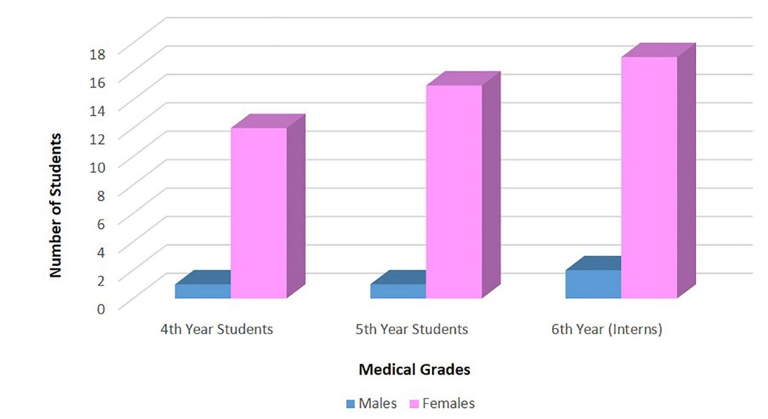
Figure 8 ObGyn specialty choice among participated students.
The main attractive factors for the OB/GYN specialty for male students were the limited syllabus (40, 75.47%), the mostly healthy patients (40, 75.47%), and the direct contact with patients (35, 66.04%). Whereas the main attractive factors for the OB/GYN specialty for female students were the private sector opportunities (113, 100%), a limited syllabus (90, 79.65%), motivation to help with emotional satisfaction (84, 74.34%), as well as for the female-oriented fields and co-workers (Table 9).
|
ObGyn attracted factors |
Male students |
Female students |
Chi-Square X2 |
P value* |
||
|
Total N= 53 (100%) |
Total N= 113 (100%) |
|||||
|
Number |
(%) |
Number |
(%) |
|||
|
1. One organ system focus (Limited syllabus) |
40 |
-75.47 |
90 |
-79.65 |
0.3702 |
0.543 |
|
2. Passion and Aptitude in Ob/Gyn |
14 |
-26.42 |
44 |
-38.94 |
2.489 |
0.115 |
|
3. Intellectual content |
20 |
-37.74 |
80 |
-70.8 |
16.4642 |
0.00005* |
|
4. Challenging specialty |
20 |
-37.74 |
44 |
-38.94 |
0.022 |
0.882 |
|
5. Involved female patients only |
4 |
-7.55 |
44 |
-38.94 |
17.296 |
0.00003* |
|
6. Narrow scope of practice (Mastering specialty) |
20 |
-37.74 |
80 |
-70.8 |
16.4642 |
0.00005* |
|
7. Mostly healthy (Pregnancy is not an illness) |
40 |
-75.47 |
80 |
-70.8 |
0.3937 |
0.53 |
|
8. Observing Obstetric deliveries |
15 |
-28.3 |
57 |
-50.44 |
7.2008 |
0.0073* |
|
9. Practical exposure to hands-on surgeries |
25 |
-47.17 |
44 |
-38.94 |
1.0065 |
0.316 |
|
10. Prestige and social image |
4 |
-7.55 |
44 |
-38.94 |
17.296 |
0.00003* |
|
11. Highly rewarding (financial prospects) |
20 |
-37.74 |
64 |
-56.64 |
5.1565 |
0.023* |
|
12. Personal preference and interest |
4 |
-7.55 |
44 |
-38.94 |
17.296 |
0.00003* |
|
13. Wide variety of subspecialties |
20 |
-37.74 |
44 |
-38.94 |
0.022 |
0.882 |
|
14. Specialty of a mix (Medicine + Surgery) |
20 |
-37.74 |
64 |
-56.64 |
5.1565 |
0.023* |
|
15. Direct contact with patients |
35 |
-66.04 |
44 |
-38.94 |
10.6229 |
0.001* |
|
16. Job opportunity |
4 |
-7.55 |
64 |
-56.64 |
35.9512 |
<0.00001* |
|
17. Motivation to help and Emotional satisfaction |
20 |
-37.74 |
84 |
-74.34 |
20.6543 |
<0.00001* |
|
18. Female oriented-field and co-workers |
0 |
0 |
84 |
-74.34 |
75.793 |
<0.00001* |
|
19. Family and partner support |
4 |
-7.55 |
44 |
-38.94 |
17.296 |
0.00003* |
|
20. Positive attitude |
4 |
-7.55 |
44 |
-38.94 |
17.296 |
0.00003* |
|
21. Good personal experience |
4 |
-7.55 |
44 |
-38.94 |
17.296 |
0.00003* |
|
22. Movies inspiration |
4 |
-7.55 |
44 |
-38.94 |
17.296 |
0.00003* |
|
23. Positive feedback |
4 |
-7.55 |
44 |
-38.94 |
17.296 |
0.00003* |
|
24. Private sector opportunities |
0 |
0 |
113 |
-100 |
156.925 |
<0.00001* |
|
25. Good patients’ prognosis |
20 |
-37.74 |
80 |
-70.8 |
16.4642 |
0.00005* |
|
26. Cutting-edge technology |
20 |
-37.74 |
44 |
-38.94 |
0.022 |
0.882 |
|
27. Coping with maternal and foetal deaths |
4 |
-7.55 |
44 |
-38.94 |
17.296 |
0.00003* |
Table 9 Merits of a future career in ObGyn
*Statistical significance (p < 0.05)
The main detractors for the OB/GYN specialty for 49 male students (92.45%) were all of the following: the long residency program, family considerations, overwhelming lifestyle (professional burnout), gender discrimination (female gender bias), workforce market requirements, two patients responsibility (mother and fetus), perception by female patients, and social perception (religion and cultural roles). Therefore, the main detractors for the OB/GYN specialty for 69 female students (61.06%) were all of the following: the long residency program, overwhelming lifestyle (professional burnout), tough specialty, high risk with poor support, apprehension of medical litigations, two patients responsibility, high-priced malpractice insurance, professional liability, out of working hours with night shifts, emotional toll, as well as the presence of choices (Table 10).
|
ObGyn detracted factors |
Male students |
Female students |
Chi-Square X2 |
P value* |
||
|
Total N= 53 (100%) |
Total N= 113 (100%) |
|||||
|
Number |
(%) |
Number |
(%) |
|||
|
1. Long residency program |
49 |
-92.45 |
69 |
-61.06 |
17.296 |
0.00003* |
|
2. Family considerations |
49 |
-92.45 |
25 |
-22.12 |
72.2289 |
<0.00001* |
|
3. Overwhelming lifestyle (Professional burnout) |
49 |
-92.45 |
69 |
-61.06 |
17.296 |
0.00003* |
|
4. Content and procedures |
40 |
-75.47 |
25 |
-22.12 |
43.0984 |
<0.00001* |
|
5. Gender discrimination and bias |
49 |
-92.45 |
0 |
0 |
107.9175 |
<0.00001* |
|
6. Stress demanding (tough) specialty |
40 |
-75.47 |
69 |
-61.06 |
3.3226 |
0.0683 |
|
7. Workforce market requirement |
49 |
-92.45 |
0 |
0 |
107.9175 |
<0.00001* |
|
8. High risk specialty with poor support |
40 |
-75.47 |
69 |
-61.06 |
3.3226 |
0.0683 |
|
9. Apprehension of medical litigations |
40 |
-75.47 |
69 |
-61.06 |
3.3226 |
0.0683 |
|
10. Direct contact with patients |
25 |
-47.17 |
45 |
-39.82 |
0.7985 |
0.3715 |
|
11. Two people’s responsibility (mother and foetus) |
49 |
-92.45 |
69 |
-61.06 |
17.296 |
0.00003* |
|
12. High-prized malpractice insurance |
40 |
-75.47 |
69 |
-61.06 |
3.3226 |
0.0683 |
|
13. Professional liability (continuing of care) |
40 |
-75.47 |
69 |
-61.06 |
3.3226 |
0.0683 |
|
14. Out of working hours and Night duties |
35 |
-66.04 |
69 |
-61.06 |
0.3817 |
0.5367 |
|
15. Difficult handling with maternal mortality |
25 |
-47.17 |
55 |
-48.67 |
0.0326 |
0.8566 |
|
16. Perception by female patients |
49 |
-92.45 |
0 |
0 |
107.9175 |
<0.00001* |
|
17. Emotional toll |
40 |
-75.47 |
69 |
-61.06 |
3.3226 |
0.0683 |
|
18. Limited posts and high competition |
25 |
-47.17 |
45 |
-39.82 |
0.7985 |
0.3715 |
|
19. Low morale (lack of confidence) |
35 |
-66.04 |
55 |
-48.67 |
4.3829 |
0.0363* |
|
20. Excessive paper work |
25 |
-47.17 |
45 |
-39.82 |
0.7985 |
0.3715 |
|
21. Lack of motivation |
15 |
-28.3 |
35 |
-30.97 |
0.1223 |
0.7265 |
|
22. Lack of clinical exposure |
40 |
-75.47 |
25 |
-22.12 |
43.0984 |
<0.00001* |
|
23. Bad personal experience or Negative feedback |
25 |
-47.17 |
35 |
-30.97 |
4.1005 |
0.0428* |
|
24. Social perception (religion and cultural roles) |
49 |
-92.45 |
0 |
0 |
107.9175 |
<0.00001* |
|
25. Presence of alternatives (other options) |
40 |
-75.47 |
69 |
-61.06 |
3.3226 |
0.0683 |
|
26. Concerns regarding personal safety |
25 |
-47.17 |
45 |
-39.82 |
0.7985 |
0.3715 |
|
27. Lack of resilience (work flexibility) |
25 |
-47.17 |
55 |
-48.67 |
0.0326 |
0.8566 |
Table 10 Demerits of a future career in ObGyn
*Statistical significance (p < 0.05)
To assess the effect of the educational environment at the Batterjee Medical College (BMC) on the student's choice of the OB/GYN specialty as a future career, we used "Kamel’s DREEM Test" (Table 11). There was no statistically significant difference between male and female students' perceptions of the educational environment. It includes the perception of learning (p=0.599), perception of teachers (p=0.756), academic self-perception (p=0.705), perception of the atmosphere (p=0.644), as well as social self-perception (p=0.252). The total score of Kamel’s DREEM Test was in the range between 167 (for males) and 174 (for females) out of a total of 200 (Figure 9). This indicates an excellent educational environment at the BMC.
|
Student’s domains |
Males |
Females |
t-test value |
P-value* |
||
|
N = 53 (31.93%) |
N = 133 (68.07%) |
|||||
|
Mean score ± SD |
(%) |
Mean score ± SD |
(%) |
|||
|
Perception of Learning (out of 48) |
38 ± 6.3 |
-79.17 |
41 ± 6.6 |
-85.42 |
-0.5695 |
0.599478 |
|
Perception of Teachers (out of 44) |
39 ± 4.5 |
-88.64 |
40 ± 2.6 |
-90.91 |
-0.33327 |
0.755666 |
|
Academic Self-perception (out of 32) |
28 ± 3.3 |
-87.5 |
29 ± 2.7 |
-90.63 |
-0.40622 |
0.705373 |
|
Perception of Atmosphere (out of 48) |
42 ± 4.6 |
-87.5 |
40 ± 5.2 |
-83.33 |
0.49896 |
0.643999 |
|
Social Self-perception (out of 28) |
20 ± 3.9 |
-71.43 |
24 ± 3.4 |
-85.71 |
-1.33905 |
0.251584 |
|
Total Score (out of 200) |
167 - 174 (83.5 - 87.0%): Excellent Education Environment. |
|||||
Table 11 Kamel’s DREEM test (Educational Environment) for ObGyn block
*Statistical significance (p < 0.05)
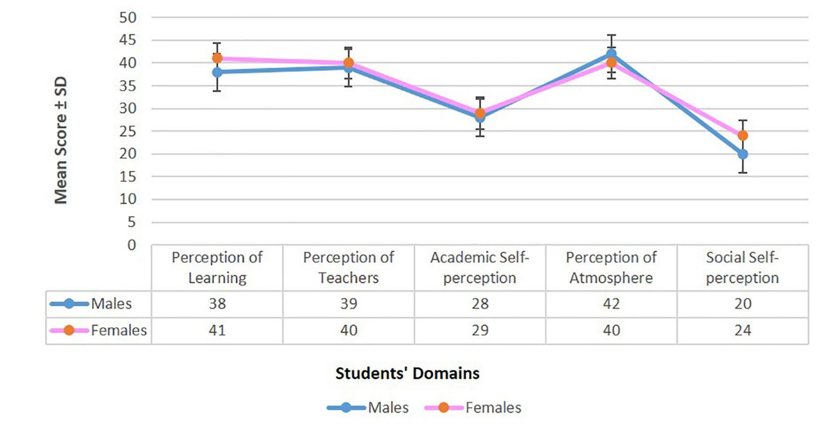
Figure 9 Kamel’s DREEM test (Educational Environment) for ObGyn block.
To assess the impact of clinical placement at Saudi German Hospital-Jeddah (SGH), on the student's choice of the OB/GYN specialty as a future career, we used the "Kamel’s MCPI Test" (Table 12). There was no difference of statistical significance between male and female students for the presence of a leader enrolled for the OB/GYN clinical rotation (p=1.000), reception (induction) of the training (p=1.000), hospital supporting people (p=0.213), presence of appropriate facilities (p=0.530), planning and organization (p=0.386), clinical instructions (p=1.000), students’ observation and evaluation by seniors (p=1.000), as well as, receiving feedback at the end of each session (p=0.630). The total score of Kamel's MCPI Test was 32 (66.67%) out of a total of 48 (Figure 10). This indicates a more positive than negative clinical placement at SGH.
|
Student’s domains |
Males |
Females |
Chi-Square X2 |
P-value* |
||
|
N = 53 (31.93%) |
N = 133 (68.07%) |
|||||
|
Mean score ± SD |
(%) |
Mean score ± SD |
(%) |
|||
|
Presence of Leadership (out of 6) |
5 ± 0.8 |
-100 |
5 ± 0.5 |
-100 |
0 |
1 |
|
Reception (Induction) (out of 6) |
5 ± 0.5 |
-100 |
5 ± 0.8 |
-100 |
0 |
1 |
|
Supporting People (out of 6) |
4 ± 1.1 |
-66.67 |
5 ± 0.4 |
-83.33 |
-1.4798 |
0.21303 |
|
Appropriate Facilities (out of 6) |
4 ± 1.4 |
-66.67 |
3 ± 2.1 |
-50 |
0.68626 |
0.53026 |
|
Planning & Organization (out of 6) |
3 ± 1.1 |
-50 |
4 ± 1.4 |
-66.67 |
-0.97282 |
0.38573 |
|
Clinical Instructions (out of 6) |
3 ± 2.1 |
-50 |
3 ± 2.1 |
-50 |
0 |
1 |
|
Observation & Evaluation (out of 6) |
3 ± 2.1 |
-50 |
3 ± 2.3 |
-50 |
0 |
1 |
|
Receiving Feedback (out of 6) |
3 ± 2.8 |
-50 |
2 ± 1.8 |
-33.33 |
0.52034 |
0.6303 |
|
Total Score (out of 48) |
32 (66.67%): More Positive than Negative Clinical Environment. |
|||||
Table 12 Kamel’s MCPI test (Clinical Placement) for ObGyn rotation
*Statistical significance (p < 0.05)
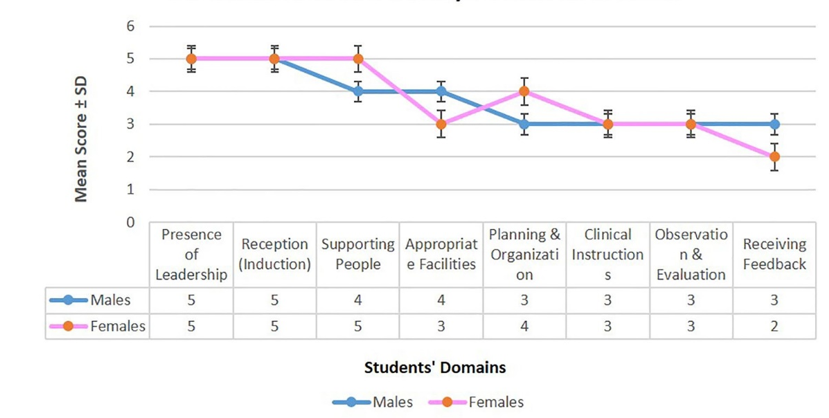
Figure 10 Kamel’s MCPI test (Clinical Placement) for ObGyn rotation.
The choice of a medical specialty as a future career and profession is of ultimate value for medical students. As the positive predictive value and the sensitivity were considered unpredictable for the choice of medical specialty among undergraduate medical students during their pre-clinical years,8 we selected our study’s participants from the clinical years (the 4th, 5th, and 6th medical years). This fact may be supportive in the timing of future specialty choice surveys and in offering specialty-specific awareness programs in medical schools and colleges.
The survey done by Gariti DL et al.50 in 2005 reported that there was no difference of statistical significance between the collected sociodemographic characteristics of medical students who chose the OB/GYN (9 students) and those who chose other medical specialties (128 students). In the current study, there were significant differences between male and female medical students regarding their religious status and annual family incomes.
Though any concerned healthcare authority targets to increase the total number of graduate medical students in some major specialties based on community needs, the undergraduate students who choose high-matriculation majors are more likely to secure their enrolment and future jobs. In general, medical students tend to favor medical specialties that do not entail emergency room calls or night shifts, leading to an unavoidable shortage of medical professionals in certain fields, such as emergency medicine and OB/GYN.
However, women's employment in Saudi Arabia currently shows a pronounced increase, especially in the healthcare sector (from 4.4% in 1981 up to 34.89% in 2012).51 However, according to the published statistics by Salma Saleh,52 in 2023, there are currently 129 non-Saudi doctors working as Obstetricians and gynecologists in the Kingdom of Saudi Arabia, compared to only 44 Saudis (almost 75% of the market workforce). Taking into consideration our concern, the current population of Saudi Arabia in 2023 is 36,947,025, with a birth rate of 15.700 births per 1000 people.
Long working hours, on-call duties, and irregular rotating shifts in some disciplines, such as OB/GYN, are typical characteristics of working in the health sector. Female doctors have traditionally taken on additional responsibilities outside their medical careers, such as caring for children and running the home. Finding a healthy balance between their work and personal lives can be difficult. It can occasionally result in a medical career break that lasts for years, a divorce, or a marriage with a poor quality of life. These challenges have a negative impact on the family lives of the female doctors who were the subject of the study.53
Studies done by El-Seifi OS and Mortada EM18 in 2011, Aslam M. et al.54 in 2011, Ossai EN et al.12 in 2016, and Rukewe A. et al.11 in 2017 found that although four major specialties were preferred (General Surgery, Internal Medicine, pediatrics, and OB/GYN), there was a significant gender difference, with female students favoring the non-surgical fields. In contrast, Khalafalla HE et al.22 revealed that surgery, pediatrics, and internal medicine were the preferred specializations. The students were more likely to choose psychiatry than community medicine, public health, or OB/GYN.
In a study conducted by Alenezi M. et al.23 in 2019, there were no gender differences in the top three preferred specialties (pediatrics, general surgery, and internal medicine) between male and female medical students at Qassim University, Saudi Arabia.
In a 2019 study in Pakistan by Bhatti MT and Ashar A,55 the students chose family medicine (18.5%), general surgery (19.4%), and internal medicine (31.5%) in increasing order. Male and female participants both preferred pediatrics (21.3%). Male students chose internal medicine at a rate of 46.2% compared to female students at 23.2% and general surgery at a rate of 33.3% compared to female students at 15.9%. In comparison to male students, more women (30.4% versus 5%) chose to study the OB/GYN.
In another study, the majority of the medical students tended to lean towards general surgery, internal medicine, and cardiac surgery, respectively, according to the study by Al-Hariri MT et al.,24 published in 2020. Pediatrics, family medicine, and community also received good marks from female students, while emergency medicine, family medicine, and community received lower marks from male students.
According to Mahfouz ME et al.,25 in 2021, the most popular fields for students to choose from were family medicine, otolaryngology, internal medicine, and pediatrics. Mohamed EY56 did a cross-sectional study in Saudi Arabia in 2022 to examine the students' preferences for postgraduate specializations at Majmaah University College of Medicine and to identify the elements that influence their decisions. Internal medicine was the most popular specialty among medical students, followed by general surgery and family medicine, while the preferred future specialty for both sexes was internal medicine.
According to Abdulrahman KA et al.,27 in 2022, there will be a considerable variation between senior and junior medical students' desire for specialties and levels of training. Following internal medicine, family medicine, dermatology, and emergency medicine as the preferred specialties among medical students was surgery. In contrast, attitudes towards leadership and administrative jobs demonstrated that medical students are eager to assume more responsibility by taking on administrative roles.
Fascinatingly, a survey done by Ezegwui CO et al.13 in Nigeria in 2022 revealed that among final-year medical students, OB/GYN and surgery were the most popular prospective specialties, with 54 (22.9%) and 44 (18.6%), respectively. Despite the fact that the study discovered gender variations in specialty preference, with a predominance of females for the OB/GYN specialty, Al Zubaidi A. et al.,57 in 2023, in the United Arab Emirates, discovered that general surgery, internal medicine, pediatrics, and dermatology were the options. According to a study by Elbashier OE. et al.,19 in 2023, male students favored orthopedics and surgery, while female students preferred dermatology, OB/GYN, otolaryngology, and pediatrics. Male medical graduates from Omani universities tended to favor emergency and pediatrics, whereas female medical graduates preferred family medicine (26.3%), pediatrics (20%), and OB/GYN (7%).14
In our study, the three chief choices for males were general surgery (17, 32.08%), pediatrics (13, 24.53%), and an equal number (12, 22.64%) for each family medicine, internal medicine, and plastic surgery. The three chief choices for females were internal medicine (68, 60.18%), pediatrics (66, 58.41%), and OB/GYN (44, 38.94%). This can be explained by medical students rotating through many specialties during their stay in medical school. However, the majority of their time is spent in the four major core courses, which include general surgery, internal medicine, OB/GYN, and pediatrics. In contrast, less time and focus is given to other subspecialties. Their own rotational experience may have an impact on their future career decisions.19,28,29
In a cross-sectional study involving medical students in their fifth and sixth years as well as interns at five different universities in Jordan, Nawaiseh MB et al.15 found a correlation between surgery and higher levels of conscientiousness, openness, extroversion, and lower agreeableness and neuroticism. On the other hand, internal medicine was linked to greater agreeableness, increased neuroticism, and less openness to experience. Internal medicine professionals' extroversion is a contentious personality attribute, with conflicting findings from various studies. Pediatrics was linked to higher extroversion, while psychiatry has been linked to higher openness, more neuroticism, and low conscientiousness.
In comparison to our findings, we found medical branches such as internal medicine, OB/GYN, and pediatrics to be characterized by a mix of normal openness to experience, high conscientiousness, high extroversion, high agreeableness, and low neuroticism. In contrast, surgical branches such as general surgery and neurosurgery are characterized by a mix of low openness to experience, normal conscientiousness, low extroversion, low agreeableness, and normal neuroticism.
Knowing medical students' and interns' preferred specialties and the factors that influence their choices would help us predict and prevent imbalances between the availability of particular medical specialties and the needs of the country, as well as assist medical students in making future career decisions based on their aptitudes.58
A prior study conducted in Jordan59 in 2008 found that "intellectual content," "individual skills," and "prestige of the specialty" were the most important variables influencing medical students' preferences for their preferred future specialties. In Saudi Arabia, a study conducted in Al-Madinah Al-Munawarah60 in 2013 concluded that personality interests and specialty faces were the most significant determinants for the choice of a medical job. Another study conducted in Riyadh61 in 2016 found that "expected income," "specialty aspiration," and "work flexibility" are the primary factors that influence future medical specialty choice.
A total of 161 students from Taif University participated in a study by Alsubaie KM et al.21 in 2016, including interns (15.5%) and 6th-year medical students (84.5%). The top two future specialties desired were pediatrics (13%) and family medicine (11%); however, 9% of respondents were still unsure. Personal interest played the largest role in determining the future specialization chosen. The most crucial factor in choosing a training facility is the caliber of the training programs.
In a 2019 study in Pakistan by Bhatti MT and Ashar A,55 the students chose medical specialties according to two major factors: "medical college experience" and "pleasant atmosphere in the OB/GYN department."
Fifty-four studies out of 751 were examined for inclusion in the meta-analysis by Levaillant M. et al.,62 2020. The most sought-after specialties were surgery and internal medicine. Lifestyle, work-life balance, and discipline interest were the key determinants of specialty choice. With 63.7% of men choosing radiology and 14.7% choosing OB/GYN, gender certainly played a role in this decision.
Alharthi NA et al.26 stated in 2021 that internal medicine was the most popular specialty among males in Tabuk, Saudi Arabia, followed by surgery, family medicine, and psychiatry. Forensic medicine, emergency medicine, otolaryngology, and ophthalmology were the least specialized fields. The majority of the participants' specialties were affected by their lifestyle and subject interests. In contrast, dermatology, pathology, and radiology were the least popular disciplines among females, who preferred surgery, internal medicine, and pediatrics in that order. Interests in the field and then the allure of the specialty had the greatest impact on the percentage.
In the Jordanian study carried out in 2021 by Al-Beitawi SN et al.,16 respondents (59.3%) expressed interest in non-surgical disciplines. The job prospects (32.5%), years needed to finish the program (27.7% each), and predicted salary (27.7%) were the three main factors that influenced the students' decision to specialize.
According to research by Khamees A. et al.17 conducted in Jordan in 2022, surgery was the medical student's chosen specialty. Neurosurgery was the second-most popular specialty after general surgery. Forensic medicine was the specialty that was least preferred. Males preferred surgical specializations, while females selected medical specialties. According to their study, the attraction of the specialty was the most appealing element, while maintaining long-term relationships with patients was the least attractive. In a study done by Elbashier OE. et al.,19 in 2023, the most determinant factor for choice of medical specialty among medical students in Sudan was family opinion and accountability towards patients’ families.
In contrast, our study revealed that the most important factors picked up by both male and female students were working hours and lifestyle, personal interest, level of job stress, duration of residency program, and availability of job opportunities. There were differences between male and female students regarding nine factors: the working atmosphere, easy decision-making, prestige, and social level, duration of residency, training location, communication with patients, residency location, early contextual experience, job flexibility, and its impact on people's lives.
Choice of OB/GYN specialty
The current alarming decline in medical school graduates choosing to pursue a career in OB/GYN necessitates action to investigate the variables influencing medical graduates' decision to chase a career in this crucial specialty and hopefully to find strategies to attract and boost recruitment of medical students into this field. Gender bias in medical education bodies can result in training environments that are only open to female students, further discouraging male medical students from exploring the field and eradicating gender-diverse viewpoints.63
Nine students (6.6%) selected OB/GYN in a 2005 survey conducted by Gariti DL et al.,50 whereas 128 students selected other specialties. Seven of these nine students were female, while two were male. About 88.9% of students selecting OB/GYN assessed their clerkship satisfaction as high, compared to 10.2% (p < 0.0005) of students who chose another specialty. In a survey conducted by Abu-Rafea et al.20 in Saudi Arabia in 2011, medical students (9.7%) listed OB/GYN as their top three choices of medical specialties. In their 2012 study, Jiang X et al.64 stated that a change in practice patterns and a different approach to providing care for women's health could result from the fall in male healthcare professionals.
In Sudan, Alawad AA et al.,65 in 2015, discovered that the OB/GYN specialty is not one of the top three career choices of medical students. A similar study in Saudi Arabia, directed by Swaid A. et al.66 in 2017, discovered a diminishing trend in medical interns choosing OB/GYN, highlighting this as a worrying scenario that required research attention to find a solution. In Germany, Riedel M. et al.10 conducted a cross-sectional survey in 2022, where 28% of female students and 9% of male students had considered OB/GYN for their future specialty training.
In our study, the total number of males who picked out the OB/GYN as the preferred specialty was only 4, 7.55% (one from the 4th year, one from the 5th year, and two from the 6th year), while the total females who chose it were 44, 38.94% (12 from the 4th year, 15 from the 5th year, and 17 from the 6th year), with a p-value of <0.00001.
On the other side, the United Kingdom is experiencing a significant excess of qualified professionals in OB/GYN by the year 2028 due to excess supply that outpaces patient demand, according to a retrospective study by Lambert TW et al.67 conducted in London in 2019. Ever since the 1970s and 1980s, the gender gap has gotten wider. It indicates that UK graduates are more interested in OB/GYN than there is a need for additional professionals.
OB/GYN attractors
Numerous studies have been undertaken over the last 20 years to determine the underlying factors that make the OB/GYN specialty particularly popular among female students. Female students were interested in this specialty due to a number of factors that influenced their choice, such as the OB/GYN staff, continuity of patient care, opportunities in primary care, surgical opportunities, and working with a healthy patient population, according to a 2003 survey done by Fogarty et al.,30 of graduates from one school over ten years.
According to the Gariti DL et al.,50 2005 survey,50 students who chose OB/GYN had a better clerkship experience. In addition, only female patients, a narrow disease focus, mostly healthy patients, and vaginal deliveries attracted students to OB/GYN as opposed to those entering other specialties.
Female doctors were more likely to practice OB/GYN comparable to male doctors in Switzerland, Canada, the United States, and New Zealand.68 Some possible explanations for this gender gap include the realization that female trainees perform better on patient assessments, the idea that female patients prefer a female doctor,69 and maybe gender bias and discrimination against men in training. While ethnicity, positive role models, a desire for a concentrated field of practice, and favorable experiences at undergraduate attachment are all predictors of choosing OB/GYN, another study found that career motivation and personal objectives are also factors that influence specialty choice.70
According to a Canadian study conducted in 2010 by Scott et al.,32 three variables influenced students' final decision to choose OB/GYN as their profession when they entered medical school: being their first choice, being female, and wanting a narrow scope of practice. Another study conducted in the United States in 2010 by Chang et al.31 found that students felt like they were part of the team and were even requested to help out in the operating room, which sparked their interest in a career in obstetrics and gynecology. However, according to a 2011 study conducted in Saudi Arabia by Abu-Rafea et al.,20 faculty interactions and the rotation of students through the OB/GYN block were the two most important variables in drawing 81.3% of the students to this specialty.
In a Jordanian study by Al-Salehi A. et al.,14 the primary criteria that attracted male graduates to the OB/GYN specialty were surgical opportunities (80.6%), intellectual content (77.3%), caring for a healthy population (54.8%), and faculty contact (54.8%). At the same time, cultural norms (100%), patients' desire for a female doctor (93.5%), stress level (71%), and husband or family attitude (64.5%) were the most discouraging factors. The intellectual substance (88.6%), patients' desire for a female doctor (85.1%), taking care of a healthy population (76.3%), and cultural expectations (69.3%) were the primary elements that attracted female graduates. Female graduates’ deterrent motives were the amount of stress (82.5%), time constraints (78.1%), evening shifts (71.9%), and the length of placement (71.9%).
A study conducted by Mahha AJ et al.71 in 2020 at Jazan highlighted the fact that gender was the only factor impacting students' opinions on the OB/GYN specialty, with more females favoring it relative to males.
Concerning our study, the main attractive factors for the OB/GYN specialty for male students were the limited syllabus (40, 75.47%), mostly healthy patients (40, 75.74), and direct contact with patients (35, 66.04%). The main attractive factors for the OB/GYN specialty for female students were the private sector opportunities (113, 100%), limited syllabus (90, 79.65%), motivation to help with emotional satisfaction (84, 74.34%), as well as female-oriented fields and co-workers (84, 74.34%).
OB/GYN detractors
According to the Saudi Commission for Health Specialties (SCFHS), there is a growing disparity between the number of candidates allocated for the OB/GYN specialty and the number of open posts in the field.72
Over many years, healthcare investigators have conducted surveys to trace the factors that deter doctors from enrolling in the specialty of OB/GYN. According to Schnuth RL et al.,73 in 2003, more women were enrolling in the OB/GYN specialty, creating what is known as a "feminine specialty." In addition, combinations of lifestyle changes, growing medical accountability costs, inadequate compensation, female patients’ preferences for female physicians, and market force factors are all to blame for this shift in provider gender distribution. Male students were more likely to encounter gender bias from patients in the OB/GYN service, according to Chang JC et al.'s 2010 study.74 In clinical teams with a predominance of women, male students also expressed feeling socially alienated. However, Lambert TW et al.67 declared in 2019 that all doctors, regardless of gender, should be allowed to pursue this field as a viable career.
Sheridan NI et al.43 reported that the restrictions in the OB/GYN clinical learning that the male medical students experienced caused them to lack confidence in their ability to manage patients and conduct proper clinical evaluations. As a result, they had little interest in pursuing OB/GYN as a career.
In the survey conducted in 2005 by Gariti DL et al.,50 when asked what the main reason was that prevented doctors interested in other specialties from selecting OB/GYN, 39.8% responded "lifestyle." 2.3% mentioned lawsuit anxiety, 35.2% mentioned content and processes, 9.4% mentioned gender workforce, and 13.2% mentioned "others like malpractice cases and high misconduct insurance."
In Islamic Middle Eastern nations, there is a correlation between religion and the gender preference of healthcare practitioners, with women generally favoring female physicians (90%) over male physicians.75 Women's preferences for same-gender OB/GYN specialists have consequences for healthcare services in our context, where religious and cultural conventions play a crucial role in social interactions.76,77 Religious authorities and the media should work to inform the public and persuade more students to major in this field.
A study conducted by Subki A. et al.78 in 2018 sought to ascertain the attitudes of female patients toward undergraduate medical students' involvement in clinical placement. Women felt more at ease having medical students perform restricted clinical care tasks like gathering patients' histories and performing general physical examinations without performing a pelvic check. In the presence of female students, particularly during pelvic examinations, women reported feeling more at ease.
In practically all medical disciplines, doctor-patient connection is one of the key elements determining the success of medical treatment. In the study of Shamrani H.,76 who looked at Saudi patient preferences for the gender of their obstetrician and gynecologist, the participants reported a strong preference for female physicians; however, some female patients preferred male surgeons with expertise, credentials, and reputation.
In 2022, Chakrabarti R. and Markless S.79 found that OB/GYN clinicians frequently experience burnout, which is characterized by a triad of depersonalization, a lack of personal accomplishment, and emotional weariness with being physically and cognitively overwhelmed. This reaction to work-related tasks often precedes the desire to quit. A thorough analysis revealed a number of stress-causing elements in the medical field, including unfavorable working circumstances brought on by a lack of workers, rising workloads as a result of rules and regulations, and an absence of work-life balance.
Obstetrics and Gynecology is a specialty that is often believed to be connected with a significant risk of lawsuits.51,80–83 The most obstetrical potential disputes are typically the result of competency issues, which can be harmful to expectant mothers and their unborn children. Obstetrics is the medical specialty in Saudi Arabia, which has the highest litigation risk, especially in smaller cities where few resources and facilities are crucial. In a 2010 study by Habib, FA,84 in Saudi Arabia, the majority of participants agreed that postpartum hemorrhage resulting in maternal death, ischemic hypoxic encephalopathy resulting in neurological deficit or death of the neonates, and birth injuries were the common causes of litigation resulting in either monetary financial compensation or claim dismissal. The adverse incidents of medical practice are inevitable, and the majority of the participating obstetricians experienced long-term anxiety, sadness, and/or insomnia. Some also experienced family issues and considered switching careers.81,85 Concerns about medical responsibility led some doctors to practice defensive medicine, such as a nonindicated Caesarean Section.83 Reduced medico-legal claims in OB/GYN should result from a focus on safety problems and an efficient risk management system. A strict and comprehensive standard of training and ongoing medical education is required to achieve a suitable general level of competence.
In our study, the main detractors for the OB/GYN specialty for 49 male students (92.45%) were the long residency program, family considerations, overwhelming lifestyle, gender discrimination, workforce market requests, two-person responsibility, perception by female patients, and social perception (religion and cultural roles). Therefore, the main detractors for the OB/GYN specialty for 69 female students (61.06%) were the long residency program, overwhelming lifestyle, tough specialty, high risk with poor support, apprehension of medical litigations, two-person responsibility, high-priced malpractice insurance, professional liability, out-of-work hours with night shifts, emotional toll, as well as the presence of choices.
Assessment of educational environment
One of the most significant variables that might encourage or discourage undergraduate medical students from choosing the specialty is their rotation through the OB/GYN department. The high caliber of instruction and interactions with qualified and enthusiastic faculty members may draw in numerous students.
To demonstrate the effect of the OB/GYN clerkship on students' choices, a study carried out by Hammoud MM et al.86 in 2006 showed that the clerkship enhanced students' interest in the specialty of OB/GYN, demonstrating the impact of the clerkship on students' decision-making. According to the study, the proportion of students who were still interested in OB/GYN at the end of the clerkship had doubled
According to Abu-Rafea et al.'s 2011 survey,42 the most important aspect in drawing 81.3% of the students to the OB/GYN program was the rotation of students through clerkship. Student engagement with faculty was a big draw, followed by resident interaction. Practical experience, such as making vaginal deliveries and carrying out other tasks, was also a strong draw.
An OB/GYN clerkship is crucial to general physician education, according to Craig LB et al.87 Male and female general practitioners will both face women for prenatal care and for the evaluation of non-obstetric problems frequently throughout their professional careers. Attaining an adequate level of skills in the field of OB/GYN requires effective education and enough practical exposure. In comparison to other alternative teaching approaches, such as simulators,77 nothing can substitute face-to-face communication. As an alternative, Khani A. and Assadollahi E88 proposed public awareness addressing religious opinion about patient-physician communication (Necessity allows the Forbidden) and the need for students' education to become more capable future doctors.
Higher gratification with resident skilled behavior and students' sense of inclusion in the clinical team are two clerkship characteristics that are connected with greater post-clerkship interest.32 More frequently than either the quality or quantity of faculty interactions, the number and kind of engagement in vaginal births and surgical procedures were consistently influential. Students' experiences of belonging to a team were a product of the resident's feelings of inclusion and friendship.31,43,89,90
The factors that had the biggest impact on postgraduate education decisions were tutors’ professional attitudes as role models (having a civilized code of behavior and knowledge in their chosen field). Students who found a supervisor's actions unpleasant consequently lost interest in their field of study.91,92
In an Irish study by Spain E. et al.,93 in 2023, both male and female students’ choices of Ob/Gyn as a first option of career increased from 6.9% pre-rotation to 19.4% post-rotation (p=0.04). Similar findings were reported by Chang JC et al. in 2010.74 Matching results were noticed in our study, where the OB/GYN specialty was selected pre-rotation by 13 students (one male and 12 females) of the 4th-year medical students (7.8%). However, it was selected by 35 students (3 males and 32 females) of the fifth and sixth medical years (21.1%) post-rotation. This illustrates how the clinical clerkship has improved the students’ perception of the OB/GYN specialty.
Producing graduates with the knowledge, clinical abilities, and professional qualities needed to become effective doctors is the aim of medical education. The educational institution that a doctor attended and the medical training they acquired both have an impact on how competent they are in these areas. As a result, it is crucial to evaluate the learning setting for medical students, including the institutional culture, academic program, and learning atmosphere.94,95
In the study carried out by Tufail S. et al.48 in 2021 using the Dundee Ready Education Environment Measure survey at the start and end of the OB/GYN clerkship, the final-year medical students perceived the learning environment to be positive. While Prashanth GP and Ismail SK94 recorded the results in 2018, in Oman, the mean total DREEM score was 130.75±12.69.
Contrary to our results at the BMC, we used " Kamel’s DREEM Test." There were noticeable high scores regarding the students’ perception of learning, perception of teachers, academic self-perception, perception of atmosphere, and social self-perception, without differences of statistical significance between male and female students' domains as they share the same educational environment. The total score of the test was 170.5±3.0, in a range between 167, 83.5% (for males) and 174, 87.0% (for females) out of a total of 200, which indicates an excellent educational environment at the Batterjee Medical College (BMC).
Assessment of clinical placement
Since students are most likely to make their specialty assortment during their internship, the student's insight into the OB/GYN experience during the clerkship (the fifth medical year) and clinical placement (the sixth medical year) plays a vital role in recruitment choice.96
Patient contact improves communication, professional competence, and contextual and clinical learning. Patients must, however, be willing to participate in their education and training in order for medical students to gain experience. Patients now have the option of having medical students present during consultations, which may make instructing students difficult when patients refuse to participate. Patients' rights and informed consent are receiving more emphasis these days.77
The OB/GYN is one of the most difficult professions with blatant gender bias.20,97 Information about Saudi male students' perceptions of and interests in OB/GYN was presented by Alotaibi MR et al.98 in 2017. If preventative steps are not taken, the gaps between male and female students can widen even further.
A study conducted in 2023 by Sein E. et al.49 to examine the effect of clinical placement attendance on choosing a career in OB/GYN revealed that students' experiences with childbirth during a clinical placement seem to influence their consideration of a career in obstetrics and gynecology. The Manchester Clinical Placement Index (MCPI), which assesses two subscales, learning environment, and training, was suggested by Hyde S. et al.98 in 2018 as a regularly used tool to assess students' perceptions of hospital placement.
To assess the impact of the clinical placement of our medical students at Saudi German Hospital (SGH) on the student's choice of OB/GYN specialty as a future career, we used the "Kamel’s MCPI Test." There were no statistical significance differences between male and female students' domains as they share the same clinical setting. There was good scoring for four domains: presence of leadership, reception (induction) of the training, availability of supporting people, and appropriate facilities. Therefore, there was moderate scoring for the other four domains: planning and organization, clinical instructions, students’ observation and evaluation by seniors, and receiving feedback. The total score of the test was 32 (66.67%) out of a total of 48 (100%). This indicates a more positive than negative clinical placement at SGH, Jeddah City, Saudi Arabia.
Strengths of the study
It is the first study to combine the choices of undergraduate medical students (of the clinical years) for their future medical specialty with the dominant predictors, including a study of their personality traits. It is considered an initial study to scope the attractors and detractors for choosing the OB/GYN as a future medical specialty and profession, paying attention to the impact of the educational environment and clinical placement on students' choices. In addition, the introduction of the new "Kamel’s OCEAN Test" as a modified Big Five Personality Test, "Kamel’s DREEM Test" as a modified Dundee Ready Education Environment Measure, and "Kamel’s MCPI Test" as a modified Manchester Clinical Placement Index with all new scoring systems for easy evaluation and interpretation.
Limitations of the study
Though the participants in this study represent a high percentage of undergraduate medical students in their clinical years (53 male students out of 65 with an 81.5% percentage and 113 female students out of 132 with an 85.6% percentage), given that they are more aware of the characteristics of various specialties than students earlier in their pre-clinical years, they may not be representative of their classmates or medical students from other medical schools. Though both educational environment and clinical setting play an important role in choosing the OB/GYN specialty, including different educational environments and clinical settings in a comparative future study may shade other affecting factors. Furthermore, our analysis excluded medical trainees in OB/GYN, which may shed light on additional determinants of choosing a career in OB/GYN.
Recommendations
To effectively apply to different residencies, medical students require accurate, trustworthy, and honest guidance from faculty advisors in their chosen profession. Students should be given surplus data about the specialty and its training prospects, as well as disclosure of areas of particular concern, in order to increase its appeal. Hence, faculty advisers must possess in-depth knowledge of the subject matter, a thorough comprehension of the application process, and a trustworthy judgment of what qualifies as a solid application for adding "Career Classes" or "Career Campaigns" to the school curriculum.
For candidates choosing between medical and surgical specialties, " Kamel's OCEAN Test" may be a helpful auxiliary in the residency selection process. Additionally, it might make early interventions easier for doctors, who are highly susceptible to burnout and job discontent. It is recommended that all medical schools enable students to recognize themselves and learn about their strengths and weaknesses concerning various medical specialties.
According to Dotters-Katz SK et al. [9] 2019, preclinical shadowing (early exposure to labor and delivery) can enhance impressions of OB/GYN, hopefully reducing misconceptions of our specialty and anxiety around the clerkship. The right of female patients to pick their healthcare providers must be recognized. However, there is a need to develop strategies to lessen the likelihood of unwanted male rejection, even though some of the causes are modifiable. The most crucial consideration when selecting whether or not to include medical students is their communication abilities. Male students were urged to research the most effective methods for making introductions, starting conversations, and listening with sensitivity to women’s health issues.
All OB/GYN practitioners at the designated hospital for clinical placement should support the undergraduate male students during their clerkship and clinical rotation, assuring them that there is a place for them in the department (to exterminate gender discrimination bias and improve mentorship) by providing them with an active and contributing role in the clinical team as well as allowing them to participate more directly in patient examinations and procedures. The postgraduate training programs in OB/GYN need to emphasize the role of residents as educators and role models for undergraduate students (by taking care of their knowledge, confidence, and attitude).
As the impact of the educational environment on students’ perceptions of medical specialties is high, it is recommended for all medical schools to use "Kamel’s DREEM Test" to assess the teaching environment at the schools and "Kamel’s MCPI Test" for evaluation of clinical placement at the nominated hospitals. Medical colleges with high clerkship gratification and clinical training achievement should share their practice and experience to ensure that the specialty can attract the best and most active students. Future studies are required to determine whether or not these numerous initiatives to enhance the students' clerkship experiences will encourage more students to choose careers in OB/GYN.
The selection of a medical specialty as a future profession is of ultimate worth for medical students. The three chief choices for males were general surgery, pediatrics, and equally for each of family medicine, internal medicine, and plastic surgery. While the chief three choices for females were internal medicine, pediatrics, and obstetrics,
According to Kamel’s OCEAN Test, the personality traits were different between male and female students, with p-values <0.0001. The personalities of students who chose medical specialties were characterized by a mix of normal openness to experience, high conscientiousness, high extroversion, high agreeableness, and low neuroticism. In contrast, those students who chose surgical specialties were characterized by a mix of low openness to experience, normal conscientiousness, low extroversion, low agreeableness, and normal neuroticism. The most important predictors for choosing medical specialties were working hours, lifestyle, personal interest, level of job stress, available job opportunities, and monthly income.
Four males chose OB/GYN as their preferred specialty, compared to 44 females. The main attractive factors for the OB/GYN specialty were the limited syllabus, mostly healthy patients, and practical exposure to surgery. The main detractors for the OB/GYN specialty were the long residency program, family considerations, overwhelming lifestyle, gender discrimination, two personal responsibilities, perception by female patients, apprehension of medical litigations, high-priced malpractice insurance, professional liability, and working hours with night shifts.
According to Kamel’s DREEM Test, the educational environment at the BMC was excellent (170.5±3.0 out of 200). The total score of Kamel’s MCPI Test was 32 out of 48, which indicated a more positive than negative clinical placement at SGH with the need to improve four domains: planning and organization, clinical instructions, students’ observation and evaluation, and receiving feedback.
The results of this study should make it easier to attract trainees to the field of OB/GYN. Our institute will be able to incorporate the key attracting features into the curriculum design, which will eventually raise interest in postgraduate studies in this specialty while overlooking gender bias.
None.
Authors’ contribution
Institutional review board statement
The study protocol was approved by the Ethical Committee of the Batterjee Medical College (BMC) Research Unit (Registration number for ethical permission: RES/050/2023). All data were collected and analysed in accordance with the Declaration of Helsinki. Participation was voluntary and unpaid, and informed, signed consent was provided by all participants.
Additional information
Human subjects: Consent for treatment and open-access publication was obtained or waived by all participants in this study. Batterjee Medical College, Research Unit issued approval RES/050/2023.
Animal subjects: All authors have confirmed that this study did not involve animal subjects or tissue.
Conflicts of interest: In compliance with the ICMJE uniform disclosure form, all authors declare the following:
Payment/services info: All authors have declared that no financial support was received from any organization for the submitted work.
Financial relationships: All authors have declared that they have no financial relationships at present or within the previous three years with any organizations that might have an interest in the submitted work. Other relationships: All authors have declared that there are no other relationships or activities that could have influenced the submitted work.
The authors declared that no financial funding or grants were involved in supporting this work.
The authors have no conflicts of interest.

©2025 Kamel, et al. This is an open access article distributed under the terms of the, which permits unrestricted use, distribution, and build upon your work non-commercially.