Journal of
eISSN: 2373-6410


Review Article Volume 15 Issue 2
Federal University of Minas Gerais - Belo Horizonte/Minas Gerais, Brazil
Correspondence: Luis Filipe Pereira Santos, Federal University of Minas Gerais - Belo Horizonte/Minas Gerais, Brazil
Received: May 31, 2025 | Published: June 13, 2025
Citation: Santos LFP. Analysis of pharmacological treatment with first and second generation dopaminergic blockers, associated with anticholinergic medication, in a crisis care service of the psychosocial network of belo horizonte. J Neurol Stroke. 2025;15(2):39-44. DOI: 10.15406/jnsk.2025.15.00620
The present work is an analytical movement of the use of first and second generation dopaminergic blockers, associated with anticholinergic medication. The article aims to build a broad and specific view of substitute services in order to point out points that can be improved by improving, for example, the use of medication. In this scenario, antipsychotics play a crucial role in clinical practice, their judicious use can positively influence quality of life, adherence to treatment and effectiveness of mental health policies in public services. The study used a cross-sectional exploratory method and was conducted in three stages: first: literature review; second: data collection in a psychiatric crisis care service in the city of Belo Horizonte in the Northwest region and third: analysis of prescriptions from all patients admitted to intensive care, evaluating the frequency of prescription of first and second generation dopaminergic blockers associated with anticholinergic medication. Analysis of the data conclusively shows that although they are comparable in terms of therapeutic efficacy, the second generation ones have a more favorable adverse effect profile, especially in relation to extrapyramidal symptoms, symptoms that favor patients abandoning treatment using the drug.
Keywords: mental health, haloperidol, risperidone, extrapyramidal symptoms, caps, belo horizonte
Psychiatric reform movement
In the bilateral paradigm between normal and pathological, psychiatric knowledge stipulated a relationship between the insane and organic functioning. In this logic, links were established between symptoms and dysfunctionality, with one of the aims being to guarantee madness the status of a disease and psychiatric knowledge the status of a therapy for this dysfunctionality.1 The treatment of people diagnosed with mental illness was mainly through medicalization by institutions whose therapeutic principle was isolation.
Over the course of a few decades, a movement of theoretical criticism of this classic psychiatric clinical logic began, known as psychiatric reform.2–5 The first and most significant reform movements took place in England, with therapeutic communities and anti-psychiatry; in France, with sector psychiatry and institutional psychotherapy; and in the United States, with preventive or community psychiatry.6,7
In Brazil, psychiatric reform began at a time when various social movements were supporting each other with the aim of ending the military dictatorship (1964-1985), opening up politics and expanding rights. It is important to note that this movement began at the end of the 1970s, a thirty-year gap in relation to the psychiatric reform movement in Europe.
At first called the Mental Health Workers' Movement (MTSM), the organization focused on the profound reformulation of paradigms about madness and its care. Basaglia8 presents the reform movement as a set of processes with ethical principles, inclusion, and the (re)construction of citizenship, which compiles in the construction of a new social identity for the insane, a citizen like everyone else.
In this sense, the understanding of psychiatric reform is based on two points: 1) the socio-cultural dimension, which brings about the deconstruction of the idea of the insane subject as dangerous to social life9,10 and; 2) the strengthening of substitute services and alternative assistance,11 building a new perception of madness and having the effect of a new social and cultural insertion of the insane in relation to society.
These new care practices gained greater strength with the 1988 Constitution, which considered health to be a right for all, with the state's duty to ensure universal and equal access to measures and services aimed at promoting, protecting and recovering health.12 In this scenario, we then had the creation of the Unified Health System (SUS), making it possible to advance the discussion on mental health, reflected in the proposal for the new National Mental Health Policy in Brazil, with the creation of substitute services (Psychosocial Care Centre) and deinstitutionalization processes.13
The Belo Horizonte Psychosocial Care Network (RAPS-BH) is structured as a model of a balanced and integrated network of community care, as proposed by Brazil's national mental health policy. This network is dedicated to promoting care, protecting rights and implementing recovery and social rehabilitation strategies for individuals facing mental disorders in their broadest spectrum.
The Psychosocial Care Center (CAPS), a device of this network, is defined by the Ministry of Health as a reference service of the Unified Health System for the treatment and monitoring of people suffering from mental disorders.14–17 In this way, care for severe and persistent mental disorders, previously provided in mental institutions, was replaced by Psychosocial Care Centers, providing the construction and expansion of services that make up the psychosocial care network for mental health, replacing the model centered on hospitalization.18–20
A fundamental characteristic of CAPS is teamwork. This way of working is also an anti-asylum proposal insofar as it seeks to articulate and aggregate knowledge. The CAPS clinic is predominantly collective and social. At Cersam (Mental Health Reference Center), the emphasis is on social spaces, workshops, assemblies and group activities. This predominance of the collective is rooted in the concept of the extended clinic.21 This term is one of the pillars that points to the way of working in the field of public health, and more specifically, in the field of mental health. 22
The expanded clinic is a clinical approach that focuses on the subject and the disease, the family and the context, with the aim of producing health and increasing the autonomy of the subject, the family and the community. Its means of working are:
"the integration of the multi-professional team, the enrolment of clients and the building of bonds, the elaboration of a therapeutic project according to the vulnerability of each case and the expansion of intervention resources in the health-disease process".23
In this sense, the meaning of the use of medication takes on new contours in mental health treatment, aimed at balancing the mental health-disease process, thus contributing to the main objective of CAPS, which is the reintegration of patients suffering from mental disorders into society by offering clinical care, thus avoiding their social exclusion through hospitalizations and recurrent psychic crises.24
In the context of this work, medication plays a significant role and its adherence in seriously ill patients is of the utmost importance if CAPS are to be able to provide effective clinical care in order to reintegrate patients into society. However, the view of medication here is critical and outside the bilateral paradigm that permeated the idea of treating madness in the early years between normal and pathological. Therefore, we will adopt the view of medication as a health technology with medical, social, economic, anthropological and epidemiological implications,25 being an efficient instrument for managing symptomatic disorders, remission of psychosis and prolonging clinical management,24 without acting as the protagonist in the treatment, as this role belongs to the patient living with mental suffering.26,27
That said, this study focuses on analyzing the use of first and second generation antipsychotics or dopamine blockers, according to the more modern nomenclature based on neuroscience,28 associated with anticholinergic medication. The work highlights the importance of evidence-based interventions to prevent the evolution of severe psychotic conditions, with high symptom levels, and at the same time to prevent treatment breakdown or the weakening of social ties.
This study used the cross-sectional exploratory method and was conducted in three stages: first: a literature review; second: data collection in a psychiatric crisis care service in the city of Belo Horizonte in the Northwest region from January to March 2024; and third: analysis of prescriptions from all patients in intensive care, assessing the frequency of prescriptions for first- and second-generation antipsychotics associated with anticholinergic medication.
This work raises as a discussion the need to reflect on the quality of the consumption of medicines, as well as the promotion of health along the lines of the CAPS policy in a way that does not harm the patient. According to the World Health Organization, the rational use of medicines involves "patients receiving the medication appropriate to their clinical needs, in the doses corresponding to their individual requirements, over an adequate period of time and at the lowest possible cost to them and to the community".29
This concept indicates that actions to promote the rational use of medicines must take into account the various factors that condition health, and must be based on a collective and multidisciplinary effort. It is known that antipsychotics play a crucial role in clinical practice, and thinking about their judicious use can positively influence good adherence to treatment, improved quality of life and better effectiveness of public health policies.
Antipsychotics
Before we begin this topic, I believe it is important to point out that all the information about the medications was consulted and reviewed on the UpTo Date medical information database, an evidence-based, peer-reviewed database published by a medical company. The material is written by medical professionals, acting as authors, editors and reviewers, including a pharmacological database updated every four months, so as this is a manuscript produced by a psychologist, the platform is justified by its potential to provide reliable and up-to-date information on medication use.
Antipsychotics or dopaminergic blockers are a pharmacological class made up of two main groups, commonly referred to as: first generation antipsychotics (APG) and second generation antipsychotics (ASG) (Stephen Marder, 2024). These subgroups of dopaminergic blockers have a similar mechanism of action, acting to attenuate dopaminergic hypersalience and are considered comparable in terms of therapeutic efficacy (Stephen Marder, 2024).
Despite sharing this main effect, APG and ASG mainly vary,
in terms of side effects, with the second-generation drugs having a more favorable profile, especially in relation to extrapyramidal symptoms, which are favorable for patients taking the drug to abandon treatment. Extrapyramidal symptoms are neuromuscular signs of altered muscle tone control which include acute manifestations such as dyskinesia, dystonia (continuous spasms and muscle contractions), hypertonia, akinesia and akathisia.30
Due to the particularities of our practice scenario, we will focus on two drugs in more detail: Haloperidol, the most famous APG and widely available in the Psychosocial Care Network (RAPS) in the city of Belo Horizonte, and Risperidone, a lower-cost ASG option that is already available in the city for people over 65.
Haloperidol
Haloperidol is a molecule that was developed in 1958 by Janssen Pharmaceuticals in Belgium. It began to be marketed in the 1960s and, together with chlorpromazine, helped to revolutionize the treatment of psychoses, especially schizophrenia, rendering obsolete attempts at treatment which, with hindsight, were inadequate to say the least: lobotomy and hot and cold baths, for example.
Haloperidol is a typical or first generation antipsychotic. Its main mechanism of action is the antagonization of dopamine (D2) receptors in the brain, particularly in the mesolimbic system.31 This blockade of dopamine reduces the hyperactive dopaminergic activity associated with the positive symptoms of schizophrenia, such as hallucinations and delusions. Haloperidol can be administered orally or injected intramuscularly (IM). It is indicated in acute states of psychomotor agitation or when the oral route is impractical.
However, due to its lack of selectivity, haloperidol also acts on other neurotransmitter pathways, such as alpha adrenergic and histaminergic receptors. This lack of selectivity is associated with the adverse side effects frequently observed with the use of haloperidol, including extrapyramidal symptoms, sedation, orthostatic hypotension and tardive dyskinesia.31
Haloperidol is undoubtedly a medication that can be effective in treating the positive symptoms of Schizophrenia. However, due to its unfavorable adverse effects profile and its high occupancy rate of dopamine receptors, it has been necessary for industry and academic researchers to search for new molecules with a more favorable adverse effects profile and greater receptor selectivity.
Risperidone
Risperidone is an atypical or second-generation antipsychotic that was developed in the 1990s by the same company that created haloperidol (Janssen Pharmaceuticals in Belgium). This drug was first marketed in the United States and has been available in Brazil since August 1990. It is currently widely used in the treatment of schizophrenia and as a therapeutic adjuvant in different disorders such as depression, bipolar disorder and Alzheimer's disease (Vermeulen, 2007).
Risperidone came about as an attempt to move towards antipsychotic medications with a more favorable adverse effect profile, with an emphasis on fewer extrapyramidal symptoms. The drug acts as an antagonist of dopamine D2 and serotonin 5-HT2A receptors in the brain. This dual action gives risperidone a broader efficacy profile, addressing both the positive and negative symptoms of schizophrenia. In addition, risperidone's affinity for 5-HT2A receptors is associated with a reduction in extrapyramidal side effects compared to first-generation antipsychotics.32
The introduction of Risperidone represented a milestone in the treatment of disorders psychotics, offering an effective alternative with a more favorable side-effect profile compared to first-generation antipsychotics. Their use has become widespread in clinical practice, playing a significant role in improving the quality of life of patients with schizophrenia and other psychotic disorders. It is essential to emphasize that the choice of Risperidone as the representative of the ASG class in this study was solely due to its availability in the RAPS-BH and not because of any possible primacy over other antipsychotics in the subclass, such as Aripiprazole, Olanzapine and Quetiapine, which are equally effective and may also be viable treatment options, taking into account the symptom profile and adverse effect profile in the uniqueness of each case.
This study used the cross-sectional exploratory method and was conducted in three stages. Initially, a literature review was carried out on the subject in question and its developments. In the search for current bibliographies on scientific article platforms, the following commands were used as descriptors: "mental health", "use of antipsychotics", "most relevant adverse effects, associated use of anticholinergics", among others.
The second stage was data collection, carried out in one of the psychiatric urgent and emergency care services of the Belo Horizonte Psychosocial Care Network (RAPS-BH), the Northwest CERSAM. At this stage, prescriptions were analyzed, with the inclusion criterion being prescriptions from patients in intensive care in that health service, assessing the frequency of prescriptions for first and second generation antipsychotics associated with anticholinergic medication. The last stage was the analysis of the data collected from the literature surveyed in the literature review stage.
It is important to bear in mind that the author of this article is a worker in the service described here, making it easier to access the data and explore the phenomena that will be described.
Population to be studied
Prescriptions of patients in intensive care treatment at CERSAM Noroeste were analyzed. This study is not intended to generalize to all patients, nor to all crisis care services in Belo Horizonte's psychosocial network, but rather to understand a phenomenon observed in this specific service.
Data collection and analysis
The data was obtained by analyzing the prescriptions of all patients in intensive care at CERSAM Noroeste on April 19, 20 and 21, 2024 following the criteria mentioned above for analyzing prescriptions. Medications prescribed for continuous use were included in the analysis, and cases where rescue medications were prescribed were excluded.
Finally, the data collected was analyzed in dialogue with the literature found in the literature review phase and in the references and recommendations of good practice in mental health care.
The total number of patients on the aforementioned modalities, on the dates of data collection, who met the aforementioned inclusion criteria, was 56. First and second generation antipsychotics were considered, and cases in which the medication, despite belonging to the class, was prescribed in a non-antipsychotic dose were excluded. The dose values considered to be antipsychotic, as well as the subclass of each drug (APG or ASG), were defined according to references in the field (UpToDate, 2024) and shown in Table 1.
|
Drug |
Minimum dose of antipsychotics (mg/dia) |
|
|
APG |
Chlorpromazine |
200 |
|
Haloperidol |
2 |
|
|
Triordazine |
50 |
|
|
Trifluroperazine |
10 |
|
|
ASG |
Aripiprazole |
10 |
|
Clozapine |
100 |
|
|
Olanzapine |
5 |
|
|
Quetiapine |
150 |
|
|
Risoperidone |
2 |
Table 1 Minimum effective antipsychotic dose per drug
Source: Prepared by the author (2024)
Of all the patients, 84% were taking antipsychotics, this being the class of most prescribed drugs in the group studied, as shown in Graph 1.
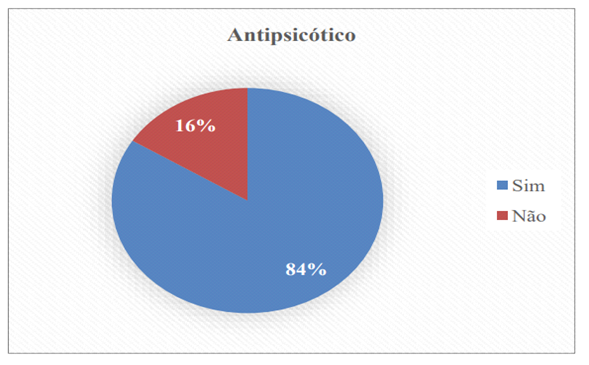
Graph 1 Use of antipsychotics in the study population.
Source: Prepared by the author (2024).
As for the use of anticholinergics, 33.92% of all patients used this class of medication, as shown in Graph 2.
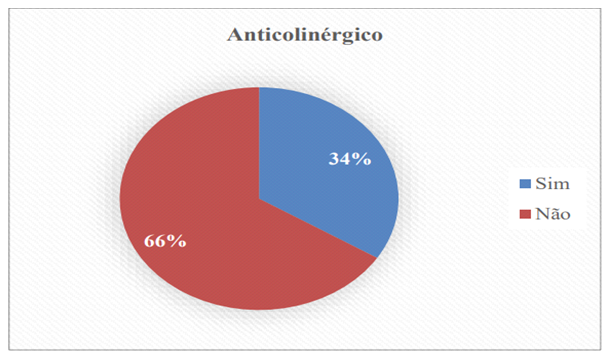
Graph 2 Use of anticholinergics in the study population.
Source: Prepared by the author (2024).
Of those taking antipsychotics, 34.04% were concomitantly taking anticholinergics. Only 3 patients used anticholinergics, but not antipsychotics; all of them were taking valproic acid. It was observed that 41 patients used only one antipsychotic drug, while 6 used a combination of two drugs from this class; 5 of them were prescribed a first-generation drug and a second-generation drug in combination. Second-generation antipsychotics were prescribed more frequently than first-generation antipsychotics in the sample studied, 29 and 24 times respectively.33 The most prescribed drug in association with anticholinergics was haloperidol, prescribed to 21 patients, which represents 44.7% of the individuals taking antipsychotics. Table 2 details the frequency of prescriptions for each antipsychotic in the study population.
|
Antipsicotico |
N of patients |
|
|
Total |
Monoterpia |
|
|
Haloperidol* |
21 |
17 |
|
Clozapine |
10 |
7 |
|
Risoperidone |
8 |
6 |
|
Olanzapine |
8 |
7 |
|
Quetiapine |
2 |
1 |
|
Aripiprazole |
1 |
1 |
|
Chlorpromazine |
1 |
1 |
|
Triordazine |
1 |
1 |
|
Trifluroperazine |
1 |
0 |
|
*Considering oral (14) and deposit (7) routes |
||
Table 2 Frequency of antipsychotic prescriptions by drug
Source: Prepared by the author (2024).
Considering the use of anticholinergics by subclass, the association with first-generation antipsychotics was significantly higher when compared to second-generation antipsychotics, as shown in Graphs 3 and 4 below.
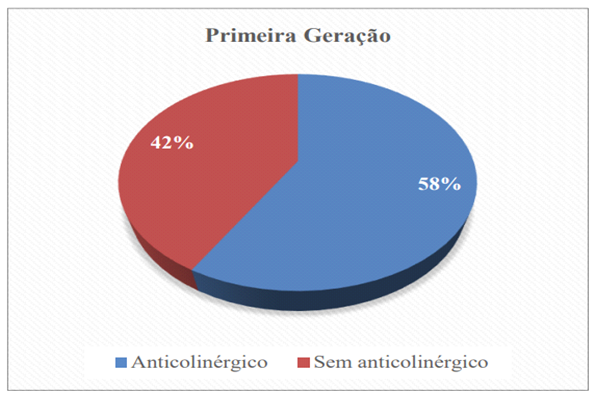
Graph 3 Use of anticholinergics associated with APGs.
Source: Prepared by the author (2024).
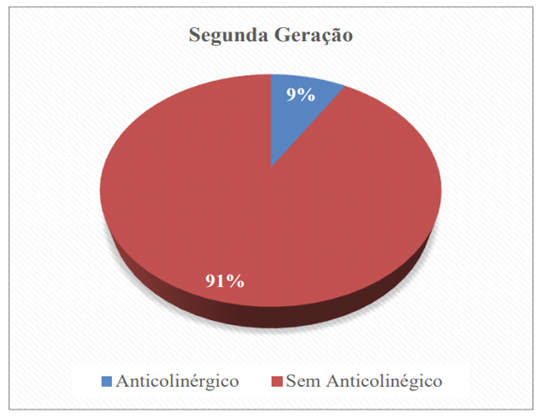
Graph 4 Use of anticholinergics associated with ASGs.
Source: Prepared by the author (2024).
Consequently, the vast majority of patients taking anticholinergics were using concomitant with first-generation antipsychotics, as shown in Graph 5. The patients taking APG and ASG concomitantly were counted in the APG group, in view of the higher frequency of adverse effects of interest in this study. Stratifying by drug, it was observed that haloperidol was the most prescribed drug in association with anticholinergics, as can be seen in Graph 6 below:
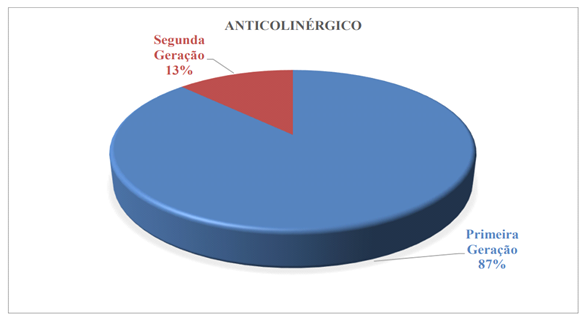
Graph 5 Anticholinergic use by antipsychotic subclass.
Source: Prepared by the author (2024).
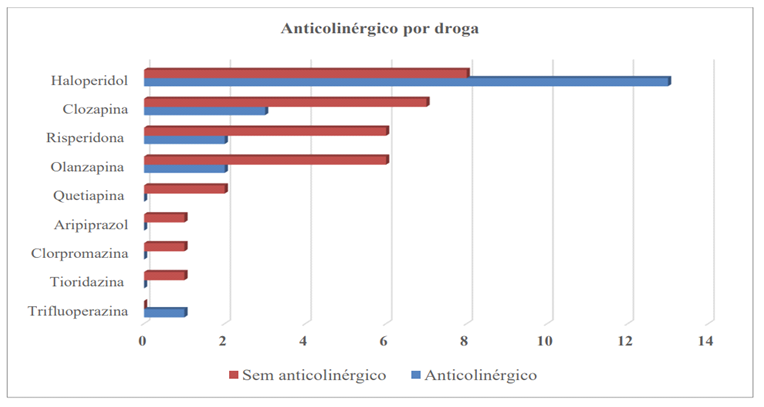
Graph 6 Use of anticholinergic by antipsychotic drug.
Source: Prepared by the author (2024).
All the Clozapine users who were taking anticholinergics were taking an APG in combination, two of them taking Haloperidol and one Trifluoperazine. Of those who used Risperidone and Olanzapine in association with anticholinergics, one used them as monotherapy and one used them in association with Haloperidol.
Antipsychotics are widely used in clinical practice and although they are comparable in terms of therapeutic effects, second-generation antipsychotics may be a more viable treatment option, given their better adverse effects profile. Comparing the use of first- and second-generation antipsychotics revealed that first-generation antipsychotics generally have more intense extrapyramidal adverse events than second-generation antipsychotics, which can lead to treatment dropouts. Therefore, this study proposes thinking about the judicious use of medication, considering its important role in patients' quality of life, adherence to treatment and the cost-effectiveness of public policies.
Regarding persistence and adherence to drug therapy, evidence indicates that they are higher with second-generation antipsychotics compared to first-generation ones (Malla and McGorry, 2021). The literature also highlights that best practices in mental health are based on leaner prescriptions whenever possible. This is justified by a series of precautions: a) the impossibility of drug interactions; b) an increase in the quantity or intensity of adverse effects; c) a reduction in treatment costs with fewer pills or drugs to be administered.34
From the data collected at the above-mentioned service, we can see a scenario that is more promising in the psychopharmacological treatment of psychosis, with the adoption of practices mostly in line with the evidence, prioritizing the use of second-generation antipsychotics, with a preference for monotherapy and a more judicious approach to the use of anticholinergics. These data may represent the prospect of better outcomes for patients. At the same time, they challenge previous conceptions and stimulate continuous reflection on how prescribing practices can be optimized to align with the best available evidence and the individual needs of patients.35–38
These practices of monotherapy and careful prescriptions, as observed in this study, are in line with the health care recommendations proposed by the World Health Organization in the rational use of medicines, understanding that: "patients receive the medication appropriate to their clinical needs, in the doses corresponding to their individual requirements, for an adequate period of time and at the lowest possible cost to them and to the community.29
In order to offer quality care to users and be more in line with what is recommended in the literature, it would be interesting for Belo Horizonte's Psychosocial Care Network to make at least one second-generation antipsychotic option available to the general public in the municipality's crisis care services. Risperidone is suggested as a reasonable option, due to its potential pharmacoeconomic cost-benefit and probable ease of implementation, since it is already available to the over-65s in the municipality's primary care units. Further studies are needed to see if this trend is repeated in the others crisis care services in the territory, and could be extrapolated to the RAPS-BH.
Care for patients with severe and persistent mental disorders, which used to be provided in hospital institutions, has been replaced by Psychosocial Care Centers, which have broad, free and multidisciplinary care at their core. The care model offered by CAPS promotes the social reintegration of patients through prevention and control activities in the management of mental health disorders, in which medication is an important technology for clinical stabilization.
In this context, this paper aims to provide a broad and specific overview of on substitute services in order to point out points that could be improved by, for example, improving the use of medication. In this scenario, antipsychotics play a crucial role in clinical practice, and their careful use can positively influence quality of life, adherence to treatment and the effectiveness of mental health policies in public services.
Although they are comparable in terms of therapeutic efficacy, the second-generation antipsychotics have a more favorable adverse effects profile, especially in relation to extrapyramidal symptoms, which are conducive to patients abandoning treatment. Therefore, based on the analysis of the data from this study, a proposal for the Belo Horizonte Psychosocial Care Network is the inclusion of at least one second-generation antipsychotic option in crisis care services, Risperidone being a reasonable option. A promising approach to the treatment of psychosis was also observed in the service studied, with a preference for the use of second-generation antipsychotics and more judicious use of anticholinergics. More studies are needed to assess whether this trend is repeated in other services and can be extrapolated to the Belo Horizonte Psychosocial Care Network.
None.
The author declares that there is no conflicts of interest.

©2025 Santos. This is an open access article distributed under the terms of the, which permits unrestricted use, distribution, and build upon your work non-commercially.