International Journal of
eISSN: 2574-8084


Mini Review Volume 12 Issue 5

Amrita Institute of Medical Sciences and Research Centre, India
Correspondence: Cherupally Krishnan Krishnan Nair, Amrita Institute of Medical Sciences and Research Centre, Amrita Vishwavidyapeetham, Kochi 682041, India
Received: September 02, 2025 | Published: September 24, 2025
Citation: Nair CKK. Boron neutron capture therapy: a novel targeted approach in cancer management. Int J Radiol Radiat Ther. 2025;12(5):101-104. DOI: 10.15406/ijrrt.2025.12.00431
Cancer is one of leading causes of morbidity and mortality worldwide with millions of new cases diagnosed annually. The development of treatment modalities selectively targeting tumors without toxicity to normal tissues is the need of the hour. Boron Neutron Capture Therapy (BNCT) is a binary therapeutic strategy that combines the selective accumulation of boron-10 within tumor cells and subsequent irradiation with neutrons, leading to the release of sub-atomic particles with high linear energy transfer (LET) within the tumor cells leading to their distraction. Recent advances in nanotechnology and boron pharmacology to produce effective boron delivery agents, accelerator-based neutron sources make BNCT s potential and viable clinical modality of oncological treatment particularly for patients with resistant or recurrent cancers.
Keywords: boron neutron capture therapy, radiotherapy, targeted therapy, cancer treatment, neutron irradiation, boron-10
Soon after the discovery of neutron in 1932 by James Chadwick,1 H.J. Tailor2 reported the propensity of boron nuclei to capture thermal neutrons and cause nuclear decay of boron nuclei (B10) into helium nuclei (He4, alpha particle) and Lithium ions (Li7). The therapeutic potential of this discovery for cancer treatment was recognized in 1936 by G.L. Locher3 at the Franklin Institute Philadelphia, Pennsylvania, USA. Boron Neutron Capture Therapy (BNCT) is a biologically targeted radiotherapeutic approach that exploits the nuclear capture and fission reactions of boron-10 upon irradiation with thermal neutrons. This interaction yields high linear energy transfer (LET) particles, specifically alpha particles (⁴He nuclei) and recoiling lithium-7 nuclei, which deposit their energy over a short range (less diameter of the cell), thereby delivering a lethal radiation dose selectively to tumor cells which have accumulated the boron-10 compound, prior to the irradiation.
The fundamental nuclear reaction between boron -10 (10B) and low energy thermal neutrons is given in Figure 1.
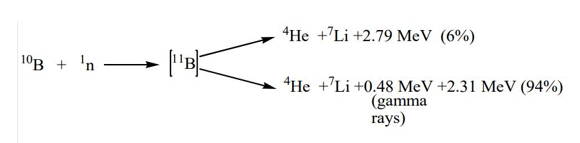
Figure 1 Boron + Thermal neutron reactions.4
The alpha particles and lithium nuclei generated exhibit high LET, traveling less than one cell diameter (5–9µm). As a result, the cytotoxic effect is restricted to boron-laden cells, sparing neighboring healthy tissues. This highly localized radiation effect is the hallmark of BNCT’s tumor selectivity.
In order for BNCT to be successful, a sufficient amount of 10B must be selectively delivered to the tumor cells (∼20 μg/g weight or ∼109 atoms/cell) with good contrast of accumulation to the surrounding normal cells, and a sufficient number of thermal neutrons must be absorbed by the tumor cells to sustain lethal damage from the 10B(n, α)7Li capture reaction. Since the high LET particles have limited path lengths in tissue (5–9 μm), the destructive effects of these high LET particles are limited to boron-containing cells.
Boron delivery agents
The success of Boron Neutron Capture Therapy (BNCT) critically depends on the efficient delivery of boron to tumor cells. An ideal boron delivery agent should exhibit low intrinsic toxicity, high tumor uptake, minimal normal tissue uptake, and a tumor-to-normal tissue concentration ratio of at least 3:1. Additionally, it should clear rapidly from blood and normal tissues while persisting in tumor tissue during neutron irradiation.
Early boron delivery agents included borax (sodium pentaborane), p-carboxyphenyl boronic acid, and sodium decahydrodecarborate, which were employed in the first clinical trials.5 However, these compounds showed significant limitations such as poor tumor selectivity, severe side effects, and damage to normal tissues.
To overcome these drawbacks, second-generation boron delivery agents were developed, including sodium mercaptoundecahydro-closododecaborate (commonly referred to as sodium borocaptate, BSH) and the boron-containing amino acid (L)-4-dihydroxyphenylalanine, known as boronophenylalanine (BPA). Because BPA is insoluble in water, it is typically administered in complex with fructose and taken up by tumor cells through amino acid transporters. BSH can penetrate tumor tissues but is less selective than BPA and thus is frequently used in combination regimens. Both BPA and BSH have been extensively studied and clinically tested in BNCT trials targeting glioblastoma, recurrent head and neck cancers, and melanoma.
Current research focuses on third-generation boron delivery agents, including nanoparticles, liposomes, dendrimers, monoclonal antibodies, and peptide-conjugated boron compounds, which are being developed to improve tumor specificity and bioavailability.5 These approaches exploit the tumor microenvironment, hypoxia, and the Enhanced Permeability and Retention (EPR) effect of nanoparticles. For example, nanoparticles can serve as carriers for boron compounds in combination with hypoxic cell sensitizers such as Sanazole (SAN), which preferentially accumulates in hypoxic tumor cells. Recent studies have demonstrated the potential of iron oxide nanoparticles co-loaded with the chemotherapeutic doxorubicin, the phytochemical beriberi, and Sanazole for chemo-directed, tumor-specific targeting.5,6 These findings suggest that by co-complexing boron compounds with nanoparticles and Sanazole, tumor-specific boron delivery can be significantly enhanced, thereby improving BNCT therapeutic outcomes (Table 1).
|
Generation |
Examples |
Mechanism / Features |
Limitations |
Clinical / research applications |
|
First |
Borax (sodium pentaborane), p-carboxyphenyl boronic acid, sodium decahydrodecarborate |
Early compounds tested in clinical trials; simple boron carriers |
Poor tumor selectivity; high systemic toxicity; severe side effects; normal tissue damage |
Initial BNCT trials (limited success) |
|
Second |
Sodium borocaptate (BSH), Boronophenylalanine (BPA, complexed with fructose) |
- BPA: Taken up by amino acid transporters in tumors |
- BSH: Low tumor selectivity |
Extensively tested in clinical trials for glioblastoma, recurrent head & neck cancers, and melanoma |
|
Third |
Nanoparticles, liposomes, dendrimers, monoclonal antibodies, peptide-conjugated agents |
Exploit tumor microenvironment (EPR effect, hypoxia); boron compounds can be co-delivered with radiosensitizers (e.g., Sanazole) or chemotherapeutics |
Still under preclinical / early clinical development; issues with stability, biodistribution, regulatory approval |
Active research: iron oxide nanoparticles with doxorubicin, phytochemical beriberi, and Sanazole for tumor-specific targeting (Sreeja & Nair)6-8 |
Table 1 Evolution of boron delivery agents for BNCT
Neutron sources
The effectiveness of Boron Neutron Capture Therapy (BNCT) relies heavily on the availability of suitable neutron sources capable of producing epithermal neutrons with the desired energy spectrum (approximately 0.5 eV – 10 keV).
Reactor-based neutron sources
Historically, nuclear reactors served as the primary neutron sources for BNCT. They provided intense neutron fluxes and enabled some of the earliest preclinical and clinical studies.9 Research reactors were adapted with beam-shaping assemblies to generate epithermal neutron beams optimized for deep-seated tumor treatment. Notable early BNCT programs were conducted in the United States, Japan, and Europe. However, the clinical translation of reactor-based BNCT was limited by several challenges:
Due to these limitations, the transition toward alternative neutron sources became imperative.
Accelerator-based neutron sources (ABNS)
Recent advances have led to the development of accelerator-based neutron sources, which represent a paradigm shift in BNCT.10-12 These systems employ proton or deuteron accelerators bombarding a suitable target (e.g., lithium or beryllium) to produce neutrons. The resulting neutron beam is moderated through beam-shaping assemblies to achieve an optimal epithermal spectrum for therapeutic use.
Key advantages of ABNS include:
Japan has been at the forefront of ABNS-based BNCT, with clinical systems developed by Sumitomo Heavy Industries and Hitachi. Finland has also implemented ABNS at the Helsinki University Hospital, making BNCT accessible in a routine clinical setting. These milestones mark a significant turning point in the clinical feasibility and global expansion of BNCT.11
Ongoing research focuses on improving neutron yield, reducing accelerator size and cost, and enhancing beam-shaping technology. The integration of ABNS with hospital-based facilities is expected to drive BNCT toward becoming a standard treatment option, especially for glioblastoma, recurrent head and neck cancers, and other radioresistant tumors (Table 2).
|
Feature |
Reactor-based sources |
Accelerator-based sources (ABNS) |
|
Neutron Flux |
High, well-established |
Moderate to high (improving with modern designs) |
|
Beam Shaping |
Established, but tied to reactor geometry |
Flexible and tunable to clinical needs |
|
Safety |
Nuclear regulatory concerns; fission by-products |
Safer, no fission products |
|
Accessibility |
Limited to research centers |
Can be installed in hospitals |
|
Cost & Maintenance |
Very high |
Lower, but still significant |
|
Clinical Implementation |
Restricted, research-focused |
Expanding rapidly (Japan, Finland, others) |
|
Public Acceptance |
Limited, negative perception of reactors |
More favorable for clinical use |
Table 2 Comparison of reactor-based and accelerator-based neutron sources for BNCT
. Glioblastoma Multiforme (GBM): Glioblastoma with a median survival of less than 15 months is among the deadliest brain tumors. BNCT, due to its highly localized effect, offers advantage in treating infiltrative GBM, sparing normal brain tissue.13
Advantages of BNCT
Boron Neutron Capture Therapy (BNCT) offers several unique therapeutic advantages compared to conventional radiotherapy and chemotherapy approaches:
Tumor-selective cytotoxicity: BNCT achieves selective destruction of malignant cells by exploiting the preferential accumulation of boron-10 in tumor tissue. Upon neutron irradiation, the high–linear energy transfer (LET) α-particles and lithium nuclei generated exert their cytotoxic effects directly within the boron-loaded tumor cells, thereby sparing surrounding healthy tissue.
Minimal damage to normal tissues: The path length of the reaction products (α-particles and lithium ions) is approximately 5–9 μm, which is comparable to the diameter of a single cell. As a result, the cytotoxic effects are confined to boron-containing tumor cells, minimizing irradiation-induced injury to adjacent normal tissues.
Efficacy in resistant or recurrent cancers: BNCT has demonstrated effectiveness against radioresistant and recurrent tumors, including glioblastoma multiforme, recurrent head and neck cancers, and melanoma. This makes BNCT particularly valuable in cases where conventional modalities fail to provide sufficient tumor control.
Reduced treatment burden: Unlike conventional radiotherapy, which typically requires multiple fractions over several weeks, BNCT can achieve therapeutic efficacy with one or two treatment sessions. This reduction in treatment frequency enhances patient compliance and quality of life.
Limitations and challenges of BNCT
Although Boron Neutron Capture Therapy (BNCT) demonstrates considerable therapeutic promise, several limitations and challenges currently restrict its broader clinical implementation:
Challenges in Boron Delivery: The therapeutic effectiveness of BNCT is critically dependent on selective and sufficient accumulation of boron-10 within tumor cells. Achieving optimal tumor-to-normal tissue uptake ratios (ideally ≥3:1) has proven difficult with currently available boron delivery agents. Variable tumor selectivity, suboptimal pharmacokinetics, and heterogeneous intratumoral distribution remain major obstacles to consistent treatment outcomes.
Restricted neutron source availability: The clinical application of BNCT has historically relied on nuclear reactors, which are limited by stringent safety regulations, high operational costs, and poor accessibility for routine patient treatment. Although accelerator-based neutron sources (ABNS) provide a safer and more clinically practical alternative, their installation and maintenance demand significant infrastructure investment, restricting their availability to a limited number of specialized centers worldwide.
Complexities in dosimetry and treatment planning: BNCT generates a mixed radiation field composed of high–linear energy transfer (LET) particles (α-particles and lithium nuclei) in addition to low-LET γ-rays and scattered neutrons. This presents substantial challenges for accurate dosimetry and treatment planning, necessitating sophisticated computational modeling, advanced detector systems, and specialized expertise to ensure safe and effective dose delivery.
Insufficient high-level clinical evidence: While phase I and II trials have provided promising results in glioblastoma, recurrent head and neck cancers, and melanoma, large-scale randomized controlled trials remain lacking. The absence of standardized protocols, uniform boron delivery strategies, and robust long-term clinical outcome data continues to limit the establishment of BNCT as a widely accepted standard of care in oncology.
Recent advances in BNCT
Over the past two decades, significant advances have been made in Boron Neutron Capture Therapy (BNCT), addressing many of its historical limitations and paving the way for its clinical translation. Key areas of progress include:
Nanotechnology-based delivery systems: The incorporation of nanotechnology into BNCT has enabled the design of boron-loaded nanoparticles with improved tumor penetration, retention, and bioavailability. Nanocarriers such as liposomes, dendrimers, and iron oxide nanoparticles can exploit the Enhanced Permeability and Retention (EPR) effect of tumors and may be co-loaded with chemotherapeutics or radiosensitizers, thereby enhancing therapeutic efficacy and tumor specificity.
Targeted molecular delivery: Advances in molecular biology have facilitated the conjugation of boron compounds with monoclonal antibodies, peptides, and other tumor-targeting ligands. These strategies improve selectivity by directing boron precisely to tumor-associated receptors or antigens, thereby increasing tumor-to-normal tissue uptake ratios and reducing systemic toxicity.
Accelerator-based BNCT (ABNS): The development of hospital-based accelerator neutron sources has been a pivotal step toward the clinical feasibility of BNCT. Japan has pioneered the clinical implementation of ABNS, and large-scale clinical trials are currently underway. Importantly, the first BNCT drug, boronophenylalanine (BPA), received regulatory approval in Japan in 2020,10 marking a historic milestone and strengthening the potential of BNCT to evolve into a standard adjunct within the modern oncology armamentarium.
Imaging-guided BNCT: Advances in nuclear imaging techniques have further enhanced BNCT by enabling personalized treatment planning. Positron emission tomography (PET) tracers such as ¹⁸F-BPA allow for non-invasive assessment of boron distribution, supporting patient selection and individualized dose optimization.16 This imaging-guided approach ensures that only patients with adequate tumor boron uptake undergo BNCT, thereby maximizing therapeutic efficacy and safety.
The future development of Boron Neutron Capture Therapy (BNCT) is expected to focus on its integration with multimodal cancer management strategies and the expansion of its clinical applications. Several promising avenues can be identified:
Combination with systemic therapies
BNCT may be combined with immunotherapies and molecularly targeted agents to achieve synergistic effects. Such combinations could enhance tumor control, overcome resistance mechanisms, and broaden the therapeutic potential of BNCT in difficult-to-treat cancers.
Personalized medicine approaches
Advances in molecular imaging, such as PET with ¹⁸F-BPA, together with pharmacokinetic modeling of boron delivery agents, will facilitate patient-specific treatment planning. These approaches are anticipated to improve patient selection, optimize boron dosing, and maximize therapeutic efficacy while minimizing normal tissue exposure.
Expansion of clinical indications
Although BNCT has primarily been studied in glioblastoma, head and neck cancers, and melanoma, future clinical research is expected to expand its indications. Potential applications include pediatric malignancies, as well as lung and liver cancers, where conventional radiotherapy is limited by organ sensitivity or tumor radioresistance.
Wider clinical accessibility
The wider implementation of hospital-based accelerator neutron sources (ABNS) will be crucial to making BNCT a broadly available treatment modality. Efforts toward cost-effective design, regulatory standardization, and international collaboration will be central to increasing accessibility and establishing BNCT as a standard component of modern oncological practice.
Boron Neutron Capture Therapy (BNCT) represents a novel and highly targeted therapeutic approach that bridges the fields of nuclear physics and oncology. By enabling the selective destruction of tumor cells while sparing surrounding healthy tissues, BNCT holds promise for patients with aggressive, recurrent, or treatment-resistant malignancies. Recent progress in boron delivery systems, accelerator-based neutron sources, and imaging-guided treatment planning has advanced BNCT closer to clinical reality. Although challenges remain—particularly in optimizing boron pharmacology, ensuring accurate dosimetry, and expanding neutron source accessibility—ongoing large-scale clinical trials and recent regulatory approvals underscore its potential. With continued innovation and integration into multimodal cancer therapy, BNCT may soon emerge as a standard adjunct in the armamentarium of modern oncology
The author expresses his special thanks to the anonymous reviewers for their valuable feedback.
None.

©2025 Nair. This is an open access article distributed under the terms of the, which permits unrestricted use, distribution, and build upon your work non-commercially.