International Journal of
eISSN: 2577-8269


Research Article Volume 9 Issue 4
 Lyvia de Nazaré de Oliveira Barros,2 Marcia Maria Pires Camargo Novelli,3 Ana Sofia Pedrosa Gomes dos Santos,4 Andrea Perosa Saigh Jurdi5
1Biologist, MSc. and PhD student. Universidade Federal de São Paulo (UNIFESP), Brazil
2Biomedical, Master’s student, Universidade Federal do Rio Grande do Sul (UFRGS), Brazil
3Occupational Therapist, PhD Professor, Universidade Federal de São Paulo (UNIFESP), Brazil
4Physiotherapist, PhD Professor, Universidade de Lisboa, Portugal
5Occupational Therapist, PhD Professor, Universidade Federal de São Paulo – UNIFESP, Brazil
Correspondence: Andréa Perosa Saigh Jurdi, Health, Education and Society, Federal University of São Paulo, Brazil
Received: August 05, 2025 | Published: August 20, 2025
Citation: Vasques VG, Barros LNO, Novelli MMPC, et al. Sociodemographic contexts of people with X-linked hypophosphatemia in Latin America. Int J Fam Commun Med. 2025;9(4):112-117. DOI: 10.15406/ijfcm.2025.09.00391
Sociodemographic profile studies are important for planning and analyzing a population’s needs. In the disability field, research on the social context and sociodemographic profile of adults with the rare disease X-linked hypophosphatemia (XLH) is still incipient. This study aimed to describe the sociodemographic profile of adults with XLH in Latin America. This quantitative study used a questionnaire with participants from eight Latin American countries. Data were analyzed using descriptive statistics from a sample of 20 individuals over the age of 18. In relation to education, 20% of participants completed high school; 45% reported higher education; and 35% had graduate degrees. Regarding employment, 65% were self-employed, suggesting the need for informal work to supplement their income. Only 25% received some form of social benefit, and 30% were employed. Experience with ableist attitudes was reported by 90% of participants, and 40% reported suffering from anxiety and depression, exacerbated by chronic pain (90%). Adults with XLH in Latin America take an average of 13 years to receive a diagnosis, hindering access to treatment, medications, and qualified professionals.
Conclusion: Understanding this reality in different countries is extremely important for strengthening the implementation of public policies aimed at equitable opportunities and rights in health, education, and employment for these individuals.
Keywords: hypophosphatemia, rare diseases, interdisciplinary, ableism, Latin America
X-linked hypophosphatemia (XLH) is considered an ultra-rare condition caused by a mutation in the PHEX gene, which is present on the X chromosome. In this condition, the body overproduces a hormone called fibroblast growth factor 23 (FGF23), which is responsible for controlling the amount of phosphate present in the blood. In XLH, there is increased activity of FGF23, impairing renal phosphate reabsorption and resulting in excessive phosphate elimination in the urine, which ultimately leads to hypophosphatemia. XLH presents with several local and systemic manifestations, including growth difficulties, rickets, osteomalacia, bone abnormalities, spontaneous dental abscesses, hearing problems, enthesopathy, osteoarthritis, and muscle dysfunction.1
People with rare conditions, such as XLH, suffer from invisibility and great difficulty in having their health rights guaranteed. In this regard, sociodemographic profile studies are important for planning and analyzing a population’s needs.2 However, in Latin America, studies that seek to understand the reality of the XLH population, their characteristics and experiences related to social inclusion, access to rights, and barriers they face in their occupations are still scarce.
International studies on XLH reveal unmet needs and significant impacts on quality of life. In Argentina, Giacoia et al.3 observed that adults with XLH face bone and systemic complications, low adherence to palliative care, and impacts on quality of life. European and North American studies4,5 support that XLH symptoms affect mental health, social life, and daily activities. Furthermore, they demonstrate that, while mild cases allow formal employment, moderate to severe cases require greater social support and face barriers to inclusion and access to psychosocial support.
However, few studies comprehensively profile the population, providing information beyond health-related data. These individuals’ life contexts, social inclusion, and participation need to be mapped and identified, as well as their real needs in terms of work, access to education, and leisure activities.
Therefore, understanding the different social and demographic contexts of people with XLH in Latin America is fundamental for the health field, as it allows us to understand their realities, experiences, and challenges. This type of survey can also contribute to developing public policies aimed at people with rare diseases (RDs), based on their needs not only related to health, but also to other domains related to quality of life. This article aimed to present and discuss the social and demographic contexts of adults with XLH from eight Latin American countries.
This is a quantitative, exploratory study, which was carried out in accordance with Resolution 466/12. Therefore, it was submitted and approved by the Research Ethics Committee under the Certificate of Presentation of Ethical Consideration 55446722.4.0000.5505.
Participants were recruited by contacting leaders of support groups and associations for people with XLH and/or rare conditions in Latin America. Inclusion criteria were residents of Latin American countries and being over 18 years of age. Exclusion Criteria: rare individuals with XLH who are illiterate or who do not have internet access and individuals under 18 years of age are not included in the scope of this study. This resulted in 20 participants from eight Latin American countries, including Argentina, Bolivia, Colombia, Chile, Peru, Mexico, Venezuela, and Brazil.
The data collection form was prepared by the researchers based on a previous bibliographic review of research on quality of life, the biopsychosocial model of disability, and considering the particularities of the population studied, such as the dimensions of life of people with XLH.
The questionnaire was divided into seven sections: 1. Education and occupation; 2. Health information; 3. Symptoms and consequences of XLH; 4. About being a rare person with XLH; 5. Mental health and discrimination: Bullying and ableism. It was made available via Google Forms and shared with participants. Each participant was identified by the letter P, an identification number (P1, P2, ..., P20), and the acronym for their respective country. Finally, descriptive statistical analysis of the collected data was performed, considering frequencies and standard deviations.
The results showed the participation of 20 people with XLH, with a predominance of women (70%) in relation to men (30%), with ages ranging from 26 to 63 years, high level of education (80%), heteroaffective majority (85%), single (45%) and white race/color (80%) (Table 1).
|
Variables |
Subcategories |
n |
|
Gender |
Female |
14 |
|
Male |
6 |
|
|
Marital status |
Single |
9 |
|
Living together |
3 |
|
|
Married |
7 |
|
|
Widowed |
1 |
|
|
Sexual orientation |
Heteroaffective |
17 |
|
Homoaffective |
1 |
|
|
I would rather not answer |
2 |
|
|
Race/color |
White |
16 |
|
Black |
1 |
|
|
Indigenous peoples |
1 (5%) |
|
|
Others |
2 (10%) |
|
|
Country |
Bolivia (P20) |
1 (5%) |
|
Brazil (P1, P5, P8, P10, P11, P12, P13, P14 and P19) |
9 (45%) |
|
|
Chile (P4 and P9) |
2 (10%) |
|
|
Colombia (P7 and P15) |
2 (10%) |
|
|
Mexico (P3 and P18) |
2 (10%) |
|
|
Peru (P6 and P16) |
2 (10%) |
|
|
Venezuela (P2) |
1 (5%) |
|
|
Age group |
20-30 |
5 (25%) |
|
30-40 |
9 (45%) |
|
|
40-50 |
2 (10%) |
|
|
50-60 |
1 (5%) |
|
|
> 60 |
3 (15%) |
|
|
Educational level |
High school |
4 (20%) |
|
Higher education |
9 (45%) |
|
|
Graduate degree |
7 (35%) |
Table 1 Frequency distribution of sociodemographic variables of the XLH group in Latin America
Concerning work, self-employment stood out (60%). Participants reported needing adaptations to their work format, such as working from home (40%) and flexible rest breaks (55%). In addition to work adaptations, they reported the need to use various assistive technologies and rehabilitation procedures, such as root canals (70%), leg or hip plates/rods/prostheses (55%), and the use of crutches or braces (50%).
Regarding the diagnostic process, the mean age it took the group to receive the diagnosis was 13.4 years. However, four people reported receiving XLH diagnosis at an age over 30 (P7-CO, P13-BR, P14-BR, P18-ME), and one of them (P13-BR) was diagnosed only at age 58.
In relation to health care professionals, the group reported having found qualified professionals (65%) to monitor XLH, with an inter and multidisciplinary team (85%) and a specialist physician (60%). Within this health team, there is a diversity of professionals, who are more present in the care of adults with XLH, such as endocrinologist (80%), orthopedist (70%), dentist (55%), and physiotherapist (45%) (Figure 1).
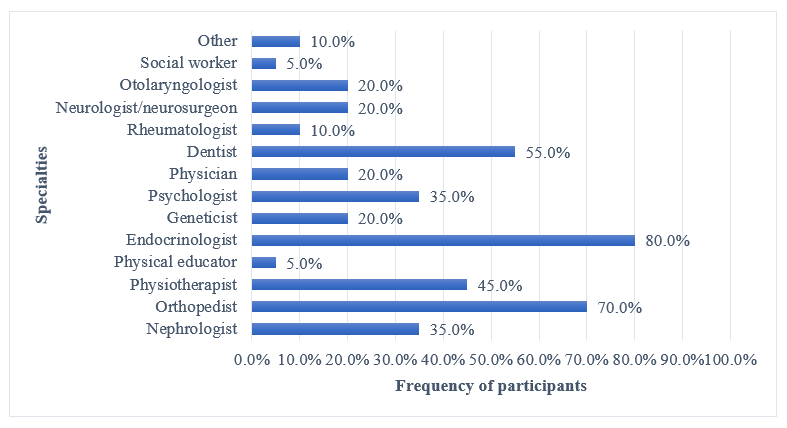
Figure 1 Health care professionals working in the care of people with XLH in Latin America .
Among the participants, 45% spent only one hour per week on treatment and therapies, while 45% spent one to 12 hours per week. Only 30% of participants were receiving treatment with biological medication, reporting access to this medication and conventional treatment, commonly known as palliative care with phosphorus replacement therapy.
Regarding the origin of the XLH condition, 75% stated that it was caused by spontaneous mutation, and 25% reported hereditary cases with a family history.
The symptoms of this condition occur primarily in sequels, with the most frequently reported complications among participants including short stature (100%), limping gait and bowed legs (85%), dental abscesses (60%), migraines and fractures (50%), scoliosis (45%), hearing loss (40%), osteoarthritis (35%), valgus feet and temporomandibular joint dysfunction (30%), osteoarthritis (20%), enthesopathy (15%), stenosis and X-shaped legs (10%), Chiari malformation (5%), and other lesions (10%) (Figure 2).
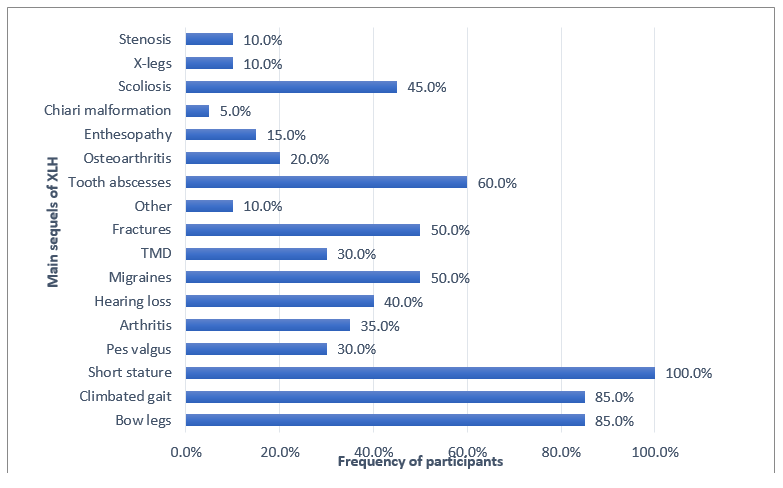
Figure 2 Main sequels of XLH progression in participants .
At the same time, when we observe the 50% ratio for migraine and 5% for Chiari malformation, it can be inferred that there is an underdiagnosis of this malformation (another rare condition) that may be correlated with XLH to a lesser extent. Unexplained migraine in XLH is very common, but without a clinical hypothesis to identify Chiari malformation, most people undergo MRI, with the results considered normal.
The largest proportion of participants (80%) reported reduced mobility, with 60% experiencing this symptom “a little” or “sometimes”, while 40% experienced it “a lot” or “always”. As for joint stiffness, 30% reported experiencing it “a little”, and 15% never experienced it. Fatigue was also a prominent symptom, affecting 55% of participants “a lot” and “always”. Due to these injuries and XLH progression, chronic pain was a common complaint, and 90% of participants underwent orthopedic surgery.
Thus, 85% of adults with XLH report living with chronic pain daily, and only 15% reported experiencing it “very little”. Furthermore, 85% also reported that, to cope with this complex phenomenon of experiencing pain, they need to resort to strong painkillers to alleviate the symptoms. However, 15% indicated that they do not use these medications.
Pain is directly correlated with participants’ mental health and is a point of concern, as 40% report anxiety; 10% report depression; and 40% fluctuate between these states. Despite this, 50% do not or have never undergone psychotherapy, and 65% do not use medication for anxiety/depression. In contrast, satisfaction with self-image is high (65%). Participants reveal that episodes of ableism are predominantly high, with 55% claiming to be familiar with the concept. The occurrence of ableism is perceived as high, both in the workplace, where 40% of participants report it occurring, and in society in general, with 60% of respondents reporting its incidence.
Physical exercise included activities of any nature, from walking, physiotherapy, Pilates, dancing, among others, and most of the group reported practicing some of these activities (80%). Only two participants (P1-BR and P12-BR) highlighted how regular physical exercise improved their mobility and reduced pain.
The data discussion was carried out according to two main contexts: 1. Social participation: education and work; 2. Access and healthcare.
Social participation: education and work
The group of participants has a high level of education; however, most do not have formal employment, as they are self-employed. It can be inferred that informal employment contributes to supplemental income, but other factors drive this group toward informal work, such as condition progression, daily life with chronic pain, lack of accessibility, and lack of flexibility in formal jobs.
These results regarding education and work are similar to the findings of Lo et al.4 in Europe, where some participants reported significant impacts on activities of daily living, such as work, caregiving, relationships, and social activities. Work-related impacts included time off work, early retirement, a desire to reduce working hours, frequent sick leave, late arrivals, and loss of concentration during the workday.
All of these different types of healthcare ultimately require self-care management, which impacts routines and the time spent on these therapies. There is heterogeneity in data and treatment time among these individuals, which is influenced by various factors such as condition severity, economic situation, and work flexibility. People with mild cases are employed in formal jobs, while those with moderate/severe cases are unable to work due to health complications.4
However, the fact that 80% of participants have higher education or graduate degrees is a very significant finding given that in Brazil, many people with disabilities (PwD) are unable to complete higher education.6 This percentage of education may be explained by the way we selected participants, most of whom were community leaders and activists who have greater access to education through their fight for access to rights for people with rare conditions. Therefore, when we look at the education and employment data, we can affirm that qualifications are not a barrier for people with XLH, but rather access to and retention in formal employment.
When analyzing the formality and labor market requirements for PwD, a clear connection is found with the standard concept of normality. This implicit, and often explicit, standard dictates that PwD should be as productive and efficient as people without disabilities. Neoliberal logic leads to a reduction in the welfare state, resulting in scarcer, more expensive, and lower-quality healthcare services. To reduce public spending, classifications of PwD are created, aiming to redefine their capabilities for paid work and benefit receipt. This burdens disability benefit applicants, requiring them to conform to a standard of normality and productivity for the labor market.7–9
Furthermore, the minority of participants stated that they had not been bullied in childhood, and most were satisfied with their self-image. However, the same does not apply to the ableist situations they face in society and at work on a daily basis. According to Gesser, Block, and Mello,10 ableism is a structural element of society and institutions. It forces people to interact based on an ideal of a “performative subject”, demanding normative capacities that consider disabled bodies as inherently deficient. This pattern creates biomedical narratives that reinforce the distinction between “normal” and “deviation”, pressuring all bodies to conform to this ableist norm and move away from what is considered “abject”.
Access and healthcare
XLH is caused by a mutation (alteration/modification) in the PHEX gene, which is present on the X chromosome. The body produces excess of a hormone (produced by bones) called fibroblast growth factor 23, or FGF23, which is responsible for controlling the amount of phosphate remaining in the blood. In XLH, individuals have increased FGF23 activity, which impairs renal phosphate reabsorption. This causes the kidneys to eliminate phosphate through the urine, leading to hypophosphatemia (low phosphate in the blood - bones).11
For XLH, the set of laboratory blood tests for diagnosis typically includes: calcium, magnesium, potassium, phosphorus, ionic calcium, alkaline phosphatase, creatinine, urea, PTH, vitamin D, CTX, P1NP, among others. A 24-hour urine sample typically measures creatinine, phosphorus, and calcium. Radiographic images may also be evaluated due to the striking features of the skeleton. In addition to laboratory tests, it is extremely important to consider family history. Currently, it is possible to perform a genetic test to identify if there is a mutation in the PHEX12 gene.12
Regarding XLH origin, 75% stated that the cause of the condition was spontaneous mutation, and 25% reported hereditary cases with a family history. In a study by Lo et al.,4 a higher prevalence of XLH of hereditary origin was observed (53%), while in the present study, we observed the prevalence of etiology by spontaneous mutation (75%).
In healthcare, the process to obtain a correct diagnosis was 13.4 years. In a study by Lo et al.,4 the average diagnosis time for the group was nine years, suggesting that people with XLH in Latin America take even longer to obtain a diagnosis, which may represent greater difficulties in accessing healthcare in Latin American countries.
For Kerr et al.,13 early diagnosis is responsible for preventing sequels. However, the search for condition diagnosis is generally a slow process, taking on average 6 to 8 years. Not receiving appropriate healthcare for the condition favors permanent sequels and worsening health. In this regard, people with late diagnoses suffer more invasive orthopedic surgeries without monitoring the metabolic component of XLH.
It is worth noting that the Latin American continent is one of the most unequal regions in the world, a result of colonization and territorial occupation processes that impact people’s living conditions. In access to healthcare, we see distinct dimensions of inequality that condition users’ experience of services. These dimensions are intertwined with various social markers and their intersections—from PwD, ethnicity/racial, gender, to socioeconomic and geospatial parameters.12
More than half of the sample found healthcare professionals they considered qualified to manage the condition. However, because it is an extremely rare condition, most healthcare professionals are unfamiliar with it and lack specific training in XLH care. They often base their actions on reported sequels and symptoms, lacking in-depth knowledge of the condition’s complexity.4 To meet the demand for qualified professionals and thus ensure comprehensive care for people with a RD, Ordinance 199 was implemented in 2014.15
This policy14 also addresses the importance of specific treatment for the condition. In the case of XLH, effective treatment is provided by the biological medication anti-FGF23 antibody (KRN23). However, only 30% of participants were receiving treatment with this medication. The remainder reported not having access to this high-cost medication, and 40% reported not receiving palliative treatment through phosphorus replacement therapy.
Regarding the treatment of XLH, Vaibish et al.11 report that conventional therapy (oral phosphate and calcitrol) improves some symptoms, but evidence shows that it is not completely effective. Clinical trials have shown that burosumab (an anti-FGF23 antibody) has been more effective in treating XLH. This evidence is demonstrated in the study by Haffner et al.,12 who initiated burosumab treatment in adult patients with XLH at a dose of 1.0 mg/kg of body weight, with a maximum dose of 90 mg every 4 weeks.
In a study by Insogna et al.,14 it was shown that the biological drug significantly reduces muscle stiffness in adults. In the 24th week of the study, 43.1% of the participants who were taking the biological drug had fully healed fractures.
Hence, the Brazilian National Commission for the Incorporation of Technologies into the Brazilian Health System (In Portuguese, Comissão Nacional de Incorporação de Tecnologias no Sistema Único de Saúde- CONITEC) incorporated the biological medication for children with XLH into the Brazilian Health System (In Portuguese, Sistema Único de Saúde - SUS) in 2021, with the Clinical Protocol of Therapeutic Guidelines published in 2022 and access established in 2023.15 However, adults with XLH still need to go to court to obtain the medication. Following a request from CONITEC, a study by Vaisbich et al.11 the authors demonstrated the efficacy and safety of the medication for adults.
A new public consultation was held in 2025, with the presentation of the required study, community participation, and a technical opinion. However, the committee denied incorporation of medication for adults that same year, recognizing the severity of the condition and its impact on adults’ quality of life as well as highlighting aspects of treatment equity within the SUS. However, the decision was based on the significant cost of treatment and the high budgetary impact on the health system, despite the medication being incorporated for children and adolescents who will continue to require it in the future. Paradoxically, without access to and free provision of effective medication for adults, there are still profound impacts on these individuals ‘health status and costs to the healthcare system as a whole. According to Cordovil,18 access to healthcare should not be a luxury or privilege. However, the current model favors the pharmaceutical industry due to the high cost of these biological medications over people in socially and economically vulnerable situations.
In other Latin American countries, Argentina was the second country to approve the use of biological medication for XLH treatment, followed by Chile, Uruguay, Peru, and Paraguay. However, access remains a challenge worldwide. Due to the high cost, countries like Russia and Spain still lack access to the medication for adults. Recently, England approved its incorporation for adults, as did Canada’s regulatory agency.19,20
Participants’ clinical characteristics also support the findings of an European study by Lo et al.,4 mainly pointing to physical disability with skeletal deformities, which is consistent with the findings of the current study, where participants presented fractures or pseudo fractures, short stature, musculoskeletal issues, and reduced mobility. Thus, people with XLH are considered people with reduced mobility according to the Convention on the Rights of Persons with Disabilities21 and the Brazilian Inclusion Law.22
The feeling of fatigue, also present in the XLH experience, is related to low energy due to hypophosphatemia, and is a clinical characteristic that negatively impacts the development of daily activities. Meanwhile, the experience of joint stiffness was generally described by people with XLH as a symptom that restricts or affects movement, using such the following terms to describe it: “locking”, “oscillating”, “frozen”, and “rusty”.4
Regarding pain, 90% of participants responded that chronic pain affects their daily activities. This strongly correlates with mental health, which is directly impacted by biopsychosocial factors, affecting daily activities and social participation. From this perspective, the pain experience is multifaceted, with chronic pain and depression being interconnected conditions. Depression can intensify pain and disability, while chronic pain can cause or worsen depression. This complex relationship requires a therapeutic approach that addresses both physical and psychological aspects.24
Coexistence with ableism is coupled with exhaustion and “access fatigue for PwD”, a concept coined by Konrad et al.25 that is defined by the constant need to justify one’s condition to gain access to various services, directly linked to bureaucracy. Thus, access often depends on good communication skills and the ability to navigate complex power relations and institutional barriers. This dynamic generates a daily emotional overload that often leads to giving up on the pursuit of access.25 The originality of the study refers to the first survey of social and demographic contexts of people with XLH in Latin America, revealing fundamental aspects of the daily life of this group.
A more inclusive and equitable society must include representative sociodemographic surveys from each continent so that strategies can be proposed to meet diverse health and social demands. One limitation of the study is the difficulty in finding people with XLH in other countries that were not included. The other concerns the instrument used, as it has not been validated.
The study's originality portrayed the first survey of the social and demographic contexts of people with hypophosphatemia (XLH) in Latin America, revealing fundamental aspects of this group's daily lives. The data showed that the majority had higher education. However, their occupations were informal and worked from home. Regarding diagnosis, there was a predominance of spontaneous XLH mutations, which is the opposite of what was found in countries in the Northern Hemisphere. Diagnosis occurs late, on average 13 years, four years longer than in European people with XLH.
Regarding mental health, half of the participants reported experiencing anxiety, depression, or fluctuating between the two, suggesting that chronic, disabling pain and mental health are closely correlated in the experience of XLH and need to be addressed jointly to minimize their suffering and achieve relief from these issues in this population.
Regarding access to treatment, only a third of the sample has access to biological medication in Latin America. Furthermore, the time spent in healthcare depends largely on the complexity of the condition, which can range from moderate to severe. In more severe cases, people will require more time, higher financial costs, and greater flexibility at work.
The group's access fatigue to enter various spaces is strongly intertwined with constant bureaucratization, coupled with structural ableism and the consequences of a neoliberal capitalist logic, which ultimately build barriers to the effective social participation of these individuals. These phenomena interact and intersect with the prevalent ableism evidenced by the participants, both in work, study, and society, which is responsible for exacerbating psychological suffering.
A more inclusive and equitable society must include sociodemographic surveys and population mapping across continents so that strategies can be proposed to ensure this inclusion and meet the diverse needs of this group. The study's limitations include the difficulty in locating individuals with XLH in other Latin American countries that were not included, and also the use of a data collection instrument developed in-house that is neither validated nor standardized. Future studies could encompass a more diverse population to further understand the lives and specific needs of this Latin American population group.
None.
This research had the contribution of two funding agencies: Coordination for the Improvement of Higher Education Personnel (CNPq) and the grant #2023/06375-8, São Paulo Research Foundation (FAPESP), which we thank for their support in carrying out this work.

©2025 Vasques, et al. This is an open access article distributed under the terms of the, which permits unrestricted use, distribution, and build upon your work non-commercially.