International Journal of
eISSN: 2381-1803


Research Article Volume 19 Issue 4
Correspondence:
Received: September 06, 2026 | Published: October 1, 2026
Citation: Teppone M. The universal treatment of acute infectious diseases. Int J Complement Alt Med. 2026;19(4):191-196. DOI: 10.15406/ijcam.2026.19.00784
Introduction: Despite advances in modern virology and pharmacology, preventing pandemics and treating new infectious diseases remain unsolved.
Objectives: This study aims to analyze the prospects of applying the Six Phases theory by Dr. Zhang Zhongjing as a universal protocol for treating patients with acute infectious diseases.
Materials and methods: The Six Phases of acute disease theory, developed by Dr. Zhang Zhongjing, was analyzed and compared with Dr. Hans Selye’s General Adaptation Syndrome. Dr. Zhang's complex prescriptions have been abridged and modified according to the availability of herbs. To facilitate understanding of the terminology used, a brief introduction to traditional Chinese medicine has been added to the article.
Results: The Six Phases theory by Zhang Zhongjing and the General Adaptation Syndrome by Hans Selye described similar pathophysiological phenomena: the organism's phasic response to new external factors. According to Dr. Zhang’s theory, most infectious cases can be divided into six phases. A phase of the disease may be diagnosed based solely on symptoms and complaints, without instrumental or laboratory tests. Patient treatment depends on the disease phase and does not require the determination of the virus or bacterial strain.
Conclusion: In the event of a new pandemic, the Six Phases of Acute Diseases theory could serve as an initial universal treatment protocol until clinical trials for the new infectious disease are completed. Since the development of a pandemic depends not so much on viral pathogenicity and virulence as on the effectiveness of treatment, to prevent new pandemics, it is necessary to improve the quality of specialized education and introduce modern analogs of the medical models and drugs used in the past.
Keywords: Zhang Zhongjing, Shang Han Lun, six phases theory, general adaptation syndrome, Hans Selye
More than six years have passed since the SARS-CoV-2 virus began its global spread. The helplessness of the medical public at the onset of the pandemic is regrettable and perplexing. All the medical advances accumulated over the centuries were forgotten, and medicine seemed to collapse. The problem stemmed from shifting the focus from patients to a new virus.
Objective
This study aims to analyze the prospects of applying the Six Phases theory as a preliminary universal protocol for treating patients with any acute infectious diseases.
The Six Phases of acute disease theory, described in the "Treatise on Febrile Diseases Caused by Cold" by Zhang Zhongjing, was analyzed. This analysis was based on a description of the theory itself, comparison with Hans Selye’s General Adaptation Syndrome, and the author’s practical experience. Dr. Zhang's complex prescriptions have been abridged and modified according to the availability of herbs.
The rich medical heritage of past years.
Over many centuries, learned men from around the world laid the foundations of modern science. The generalization of the experience of previous generations led to the development of the multiplication tables, Pythagorean theorem, Archimedes' principle, Democritus' theory of the atomic structure of matter, and so on. By this time, the general laws of medicine were also known: "to strengthen or reinforce what is deficient, and drain or sedate what is excessive," and "to warm what is cold and cool what is hot".1
The modern development of biology and medicine was accompanied by specialization and greater detail in the objects studied, leading to a weakening of consideration of general patterns of the human body. As a result, there was a shift in focus from the patient to the disease name, and from the underlying pathogenesis to the strain of the virus or bacteria.
The shift in focus from the primary facts to the secondary ones is reminiscent of a story from Hans Selye's memoirs, written in 1952. While studying at a medical University, Hans Selye was surprised by the professors' lack of attention to general symptoms that marked the onset of acute infectious diseases. He subsequently devoted his entire life to studying nonspecific symptoms and developed the General Adaptation Syndrome theory.2 Actually, he rediscovered a phenomenon of phase dynamics in the development of an infectious process, described previously as the theory of the Six Phases of acute diseases.3 The Six Phases theory, developed in the third century AD, described the general patterns of development of any acute infectious disease, enabling their effective diagnosis and treatment without knowledge of viruses and bacteria.
Basic terms used in the description of the Six Phases theory
Since the theory of the Six Phases was developed within the framework of traditional Chinese medicine (TCM), it is necessary to describe its basic terms and concepts. According to the theory of traditional Chinese medicine, energy and blood circulate throughout the human body along specific pathways known as "channels and collaterals." This circulation ensures the normal functioning and protection of individual organs and the body as a whole. Presumably, the "channels and collaterals" theory describes the physiology and pathology of the intercellular space and body cavities. In contrast, the "organs" theory describes the physiology and pathology of cells and organs.4
All etiological factors are divided into five groups: heredity, psycho-emotional stress, environmental factors, nutrition, and five fatigues. Disease pathogenesis describes the spread of the pathological process from outside to inside, from inside to outside, or between channels and organs.
Diagnosis is obtained using classical techniques taught in a modern course in internal medicine, supplemented by a more detailed study of the tongue and pulse. The diagnosis of the disease describes the location of the problem (organ or channel), the force or energy involved in the pathological process (excess or deficiency), as well as the body's heat production (heat or cold) and fluid and electrolyte homeostasis (dampness and dryness).
The diagnosis not only describes the disease but also indicates the treatment protocol, using common allopathic principles: if there is a condition determined as 'excess', it is necessary to sedate and to dispel the excess; if there is a condition determined as 'deficiency', it is necessary to stimulate or invigorate; if there is imbalance between paired organs, therapy should lead to restore the balance; if there is increased heat production (hot disease), it is necessary to cool, and if there is decreased heat production (cold disease), it is necessary to warm up, etc.
Based on their specific therapeutic effects, medicinal herbs, animal parts, and minerals are described as diaphoretic, diuretic, cleansing, tonic, calming the mind, etc. Within these groups, the herbs are subdivided into hot, neutral, and cold according to their properties. In addition, herbs have various tastes (sour, bitter, sweet, spicy, and salty) and attitudes towards certain channels and organs.
Thus, TCM is a medical system that describes a unique model of the human body, enabling one to understand and describe any disease, even a new and unknown one, and to diagnose and treat it using simple tools and methods available in both ancient and modern times.4 Since TCM is a complete system, replacing even 2-3 terms would require replacing all of the terms. Usually, it is easier for a practicing physician to learn TCM terminology than to replace original TCM terms with modern ones without losing their meaning.
Etiology of acute infectious diseases in traditional Chinese medicine
Infectious diseases, as well as epidemics, have been well-known since ancient times. Yellow Emperor's Inner Classic describes external pathogens that can cause acute illness and affect large numbers of people at once. A forecast regarding the occurrence of such diseases could be made by observing the weather of the first day of the Chinese New Year.5 According to traditional Chinese medicine, infectious diseases are caused by one or two of the six external pathogens, which have received conventional names as heat, cold, wind, dampness, dryness, and summer heat.6 In fact, they assumed that, in cases of viral or bacterial pathogens, the patient's response can vary and follow one of five-six pathways, with typical symptoms and syndromes that allow for differential diagnosis and specialized treatment.4 Based on a specific combination of nonspecific symptoms, a virtual etiological factor can be identified. For example, if the patient complains of headache, aversion to wind, and profuse sweating, he is diagnosed with wind-induced syndrome; if a patient complains of headache, aversion to cold, shivering, and absent perspiration, he is diagnosed with cold-induced syndrome; if a patient complains of headache, aversion to hot weather, and severe fever, the patient is diagnosed with heat-induced syndrome.
Without delving into the intricacies of pulse diagnosis in TCM, it is worth highlighting an essential yet straightforward criterion: the pulse-to-respiratory rate ratio, i.e., the number of heartbeats per one respiratory cycle. According to a classic work on pulse diagnosis, the normal ratio between pulse rate and respiratory rate is 4-5. If the pulse rate exceeds 5 beats per breathing cycle, it indicates a rapid pulse, which suggests the development of a heat-related disease. If the pulse rate is less than 4 beats per breathing cycle, it is a slow pulse, which indicates a cold-related disease.7 In modern research, the ratio between pulse rate and respiratory rate is called the Pulse-Respiration Quotient or Cardiopulmonary Index.8,9 Despite its simplicity, this parameter is vitally important and can be used as a predictor of mortality in critically ill patients.10
Thus, the patient's complaints and symptoms revealed during examination are used to determine the disease's etiology, while the dynamics of symptoms are used to determine its pathogenesis and disease evolution.
General pathogenesis of acute infectious diseases
As is known, despite the variety of external pathogens, represented by thousands of viruses and bacteria, the human body has a limited set of protective responses, known in modern pathophysiology as inflammation, hypoxia, necrosis, and others. The main pathogenetic mechanisms involved in the development of an infectious disease depend little on the specific pathogen. For example, although fever is present in most cases of acute infectious diseases, there are only two main mechanisms for increasing body temperature: increased heat production or decreased heat transfer.11 Similarly, 2-3 standard mechanisms are involved in the formation of each symptom or syndrome. A distinctive feature of TCM's description of external pathogens is the emphasis on the patient’s symptoms. Therefore, treatment is aimed at the patient's current condition, which is changing, rather than at the pathogen, which can remain constant.
Using modern diagnostic methods, a specific viral or bacterial strain may be identified; however, this does not change the TCM treatment protocol. If an acute bacterial infection is detected, a combination of TCM remedies targeting the disease's pathogenesis and modern antibacterial therapy targeting specific bacterial strains is recommended. If a viral infection is detected, TCM remedies targeting the current pathogenesis of the disease are sufficient. In both cases, if an immune deficiency is identified, it indicates the need to use immunomodulating drugs. For example, since the primary target of the SARS-CoV-2 virus was T-cell immunity,12 the application of thymus extract was a reasonable and effective pathogenetic treatment of COVID-19 patients.13
Evolution of acute infectious diseases in traditional Chinese medicine
In the case of acute infectious diseases, they describe the progression of disease from the outside towards the inside and recovery from the inside out. Disease severity is determined by the depth of pathogen penetration, rather than symptom expression. The deeper the affected level, the more serious the disease, and vice versa.
There are several models of disease evolution that describe progress from the outside to the inside. In the treatment of most acute infectious diseases, the Six Phases or Six-Channels theory, the subject of this article, is sufficient.3 For the treatment of acute infectious febrile diseases characterized mainly by "heat " symptoms, the Four-Levels theory is preferred.14 For the treatment of acute infectious diseases in which immunodeficiency syndrome is accompanied with the propagation of the disease from top to bottom (respiratory system → digestive system → urinary system), the Triple Burner (or Three Parts of the body) theory is used.15
The theory of the Six Phases of acute disease developed by Dr. Zhang Zhongjing
About 1800 years ago, Dr. Zhang Zhongjing related the main symptoms, diagnostics, and treatments of acute disease in his “Treatise on Febrile Diseases Caused by Cold” (Shang-Han Lun).3 In the 1930s, Hans Selye focused on the general symptoms of acute diseases and published the results of his study in the article “A syndrome produced by diverse nocuous agents”.16
According to both theories, any acute disease begins with the activation of the body's resistance: Dr. Zhang described this phase in terms of disorders of the Yang Channels;3 Dr. Selye and his followers described the Alarm Phase as characterized by activation of the sympathetic branch of the autonomic nervous system, increased corticosteroid production, and increased carbohydrate intake.2,17
At a late stage, symptoms of exhaustion can be observed: Dr. Zhang explained this phase as disorders of the Yin Channels which reside deeper than the Yang Channels;3 Dr. Selye and his followers described this condition as the Exhaustion Phase, which is characterized by a decrease in parasympathetic autonomic nervous system activity, a decrease in insulin production as well as transformation of metabolism from intake of carbohydrates to intake of lipids.2,17 Both scientists reported similar phasic dynamics, although they focused on different aspects of acute disease and presented their findings in different models.
In the 1970s, Garkavi L et al.,18 discovered changes in the neutrophil-to-lymphocyte ratio that could indicate a specific phase of stress. Thus, a simple, accessible test enabled assessment of a phase of the stress reaction and selection of appropriate therapy.18
Correlation between the Six Phases of acute disease and the Six Channels
The classical theory of the Six Phases describes three pairs of Yang channels and three pairs of Yin channels in the human body, forming a total of Six Levels located at different depths. Dr. Zhang presented the following order of the levels: The first level of Tai Yang unites the channels of the Bladder and Small Intestine; then Shao Yang – the Gall Bladder and Triple Burner; the third level of Yang Ming – the Stomach and Large Intestine; the fourth level of Tai Yin – the Spleen-Pancreas and Lung; the fifth level of Shao Yin – the Kidney and Heart; and the sixth level of Jue Yin – the Liver and Pericardium.3
However, one can assume that the Kidney and Heart channels should be located at the deepest level, and the Liver and Pericardium channels may be located at the fifth level (Figure 1). This arrangement creates a symmetrical pattern along an imaginary line between the Yang and Yin channels. The Yang channels of the Urinary Bladder and Small Intestine are most superficial. Their paired Yin channels, the Kidney and Heart, are located deepest. There is similar symmetry along the imaginary midline between the Yang pair Shao Yang [Gallbladder and Triple Burner] and the Yin pair Jue Yin [Liver and Pericardium], as well as Yang Ming [Stomach and Large Intestine] and Tai Yin [Pancreas, Spleen, and Lungs]. In routine practice, syndromes corresponding to levels one through five were quite common, while syndromes of level six were encountered only in a few cases. The alternative channel arrangement was presented in some modern books and articles.19,20
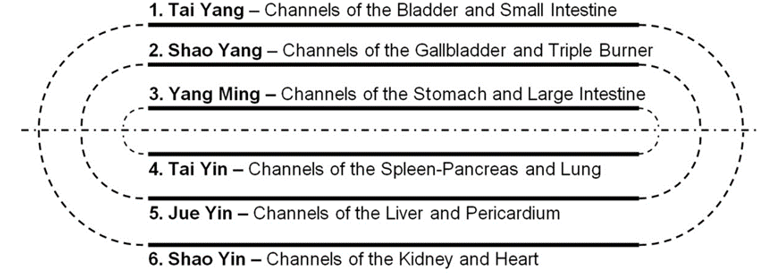
Figure 1 The alternative version of the Six Levels structure.
The main Symptoms and Complaints of the Six Phases of infectious disease
The Six Phases theory describes the progression of disease from the first level, which is outside, towards the sixth level, which is inside, and recovery from the inside out. The current phase of the disease is determined by the combination of symptoms and their prior changes.
Symptoms of the First Phase
The symptoms of the first phase are described as an initial fever caused by cold, heat, or wind. General symptoms associated with the first level include chills, fever, headache, and a floating pulse. For cold-type pathogens, patients experience aversion to cold, chills, body aches, absence of perspiration, and whitish tongue coating. For heat-type pathogens, patients have aversion to heat, pronounced fever and headache, thirst, and a rose tongue with whitish or yellowish coating. For wind-type pathogens, patients have an aversion to windy weather and drafts, profuse perspiration, muscular tension, stiff neck and spine, and white tongue coating.
Symptoms of the Second Phase
The second phase is characterized by chills and fever (cold and heat) that alternates. Additional symptoms may include unilateral headache, irritability, vertigo, blurred vision, chest fullness, bitterness in the mouth, abdominal pain, alternating vomiting and diarrhea, a red tongue, a white or yellow coating, and a tense or tight pulse.
Symptoms of the Third Phase
The third phase presents manifestations of heat and excess in the channels and organs of the Stomach and Large Intestine. Symptoms of the heat and excess in the channels are high fever with aversion to hot weather, frontal headache, pronounced thirst and a desire for cold drinks, a red, whitish-coated tongue. Symptoms of the heat and excess in the organs are: feelings of heat, afternoon fever, anxiety, possible delirium or coma, profuse sweating, abdominal pain, aggravated after food intake, constipation, bloated abdomen, dry tongue with yellow coating, rapid pulse: more than five beats per one breath.
Symptoms of the Fourth Phase
At the fourth level, there are manifestations of cold and deficiency in the Spleen-Pancreas and Lungs with the symptoms: chills, cold limbs, aversion to cold, heaviness in the body, joint pain, anorexia, nausea, or vomiting, abdominal pain, diarrhea, pale tongue, white coating, weak and slow pulse: less than four beats per one breath.
Symptoms of the Fifth Phase
The fifth phase of disease, caused by either heat or cold, presents symptoms of deficiency in the Liver and Pericardium. Heat in the Liver: fever, various hemorrhages, dysentery, bitter taste, dryness in the mouth without desire to drink, weak and rapid pulse. Cold in the Liver: Cold limbs with numbness, no appetite or thirst, vomiting with acidic contents, stomachache, strained abdominal muscles, stool includes undigested food, weak and slow pulse. Upper Heat, Lower Cold: hot and painful feelings in the chest, dry mouth without desire to drink, vomiting occurs after drinking water, cold legs, and weak pulse. Mixed Heat and Cold: alternate fever and chills, lack of energy, and weak pulse.
Symptoms of the Sixth Phase
There are two variants of the sixth phase. Deficiency and Heat: mental irritation, insomnia, dry and painful throat, feeling of warm limbs, warm and painful feelings in the chest, red tongue, weak and rapid pulse: more than five beats per one breath. Deficiency and Cold: cold limbs, aversion to cold, desire to sleep, loose stool with undigested food, moist and dark tongue, weak and slow pulse: less than four beats per one breath.
Treatment of the various phases of acute disease
This section presents simple yet the most common remedies for treating various phases of acute disease. Original complex recipes can be found in the book by Dr. Zhang3.
Treatment of the first phase of disease
The treatment objective is to eliminate pathogens at the first level through perspiration.
Treatment of the second phase of disease: The treatment objective is to balance inside and outside, and to release pathogens towards the first level: Bupleuri Radix or Xiao Yao Wan pills.
Treatment of the third phase of disease: The treatment objective is to clean heat in the Stomach and Large Intestine. Heat-excess in the channels: Rhei Radix et Rhizoma and Magnoliae Officinalis Cortex. Heat-excess in the organs: Rhei Radix et Rhizoma, Magnoliae Officinalis Cortex, Natrii Sulfas, and Powdered Gypsum fibrosum. Additionally, bowel cleansing with water via enema is recommended.21
Treatment of the fourth phase of disease: The treatment objective is to warming inside and improve digestion. Cold-deficiency in the Spleen-Pancreas and Lungs: Zingiberis Rhizoma preparatum, and Glycyrrhizae Radix preparata.
Treatment of the fifth phase of disease: At the fifth level, the most common variant is heat in the Liver. The treatment objective is to clear heat in the Liver and Blood. Isatidis Folium et Radix are recommended. Since this herb was described in the 6th century,22 it was not included in Dr. Zhang's Treatise.
Other variants of the fifth and sixth phases require urgent complex assistance, so recommendations for their treatment are omitted in the current article.
Practical notes regarding treatment of various phases of disease
As experience accumulates, some hidden patterns have emerged that warrant mention.
Differential diagnosis of various phases of the disease
Since patients usually develop only a part of the symptoms, an account should be made of the major symptom whose progression should be followed. For example, during the first and second phases of the disease, the pulse-to-respiration ratio is not a reliable sign. During the third phase, the pulse is rapid; during the fourth phase, it is slow. During the fifth and sixth phases, a rapid pulse indicates heat-related illness, while a slow pulse indicates cold-related illness.
During the second phase, there is a dry throat, but probably no thirst, and vomiting may occur after drinking water. During the third phase, the patient is thirsty and desires cold drinks. In the fourth phase, there is no thirst. In the fifth phase of heat-related illness, the patient's mouth is dry, but there is no desire to drink water. In a case of "upper heat and lower cold" syndrome, thirst may be present, but vomiting occurs after drinking water. Alternate fever and chills are possible at the second and fifth levels. At the second level, the patient is hyperactive; at the fifth level, there are manifestations of energy deficiency and low patient activity.
Treatment addresses the disease phase, but not the nosological form.
Various diseases can present similar combinations of non-specific symptoms, forming the same syndrome and corresponding to one of six phases; therefore, they require identical treatment. On the other hand, the same nosological form may manifest differently in each patient, so these patients should be treated differently. If some patients have local or specific symptoms, they may require additional herbs and a complex prescription.
If there is a suspicion of disease at multiple levels, treatment should begin at the deepest level possible. Since the acute disease is unstable and is accompanied by changes in phase and pathogenesis, one should constantly adjust the treatment protocol according to the current phase. Typically, if the treatment is effective, the protocol needs to be changed every day or two. Long-term use of the standard, non-adjusted protocol fixes the disease at a certain phase and prevents recovery.
Symptoms of the Second phase are the most uncomfortable
After treatment of the third phase of the disease, the second phase is usually observed. One should remember that, sometimes, the symptoms of the second phase can be more intense and uncomfortable than those of the third or deeper phases. This seemingly negative trend can lead to the false impression that the patient's condition is worsening. However, timely treatment of the second phase of the disease leads to recovery or the appearance of symptoms of the first phase. It is worth noting that the common symptoms during withdrawal in drug, alcohol, or smoking addiction, as well as hypertensive crisis, heart attack, Ménière’s syndrome, migraine, panic attack, mountain or motion sickness, commonly correspond to the second phase.
After treatment of the second phase, the symptoms of the first phase develop
The Six-Phases theory can be used to treat patients suffering not only from acute infectious diseases but also from acute non-infectious diseases [23]. So, one should know that when treating a non-infectious disease, for example, an exacerbation of a peptic ulcer or a hypertensive crisis, the first phase typically develops, featuring symptoms of a common cold, such as fever, chills, or increased sweating. The patient does not need to use additional anti-inflammatory drugs, but should continue treatment appropriate to the first level, taking into account the existing syndrome caused by wind, cold, or heat.
Although many centuries have passed since Dr. Zhang Zhongjing developed the theory of the Six Phases of acute diseases, it has not lost its significance even today. According to this theory, the majority of the infectious cases can be divided into 6 phases and around 12 variants. The phase and variant of the disease can be diagnosed based on symptoms, medical history, tongue examination, and pulse palpation. A limited set of medicinal herbs is enough to prepare Galenic remedies and provide effective treatment. Symptom dynamics and pulse-breath ratio are sufficient to follow up cases and predict treatment outcomes.
It should be noted that the Six Phases theory is a framework for treating various acute illnesses, both infectious3 and non-infectious,23 utilizing either medical herbs and traditional acupuncture3,19,24 or modern related techniques.23 Unfortunately, the Six Phases theory is not used widely enough, despite its great potential.25 One can suggest that a joint consideration of both Dr. Zhang's Six Phases theory and Dr. Selye's General Adaptation Syndrome, as well as designing algorithms to analyze symptoms and routine blood tests using artificial intelligence, and developing easy-to-use herbal medicines, would accelerate the implementation of the Six Phases theory in daily practice, and that this theory will find wider application than it currently does.
Throughout history, humanity has been threatened by climate change, natural disasters, and epidemics. The emergence of new viruses and bacteria has prompted the search for effective countermeasures, leading to the development of a comprehensive approach to acute infectious diseases known as the Six Phases or Six Channels Theory. The analysis above shows that the Six Phases theory provides a simple, accessible framework for addressing acute health crises in our times. The author hopes that by understanding the Six Phases theory and pursuing necessary clinical research, humans can better prepare for new pandemics and mitigate future outbreaks.
None.
The author declares there are no conflicts of interest.

©2026 Teppone. This is an open access article distributed under the terms of the, which permits unrestricted use, distribution, and build upon your work non-commercially.