International Journal of
eISSN: 2381-1803


Mini Review Volume 18 Issue 6
PM&R Therapies, UC Davis Health, USA
Correspondence: Michael Ginzburg, PsyD, CO, PM&R Therapies, UC Davis Health, USA
Received: October 29, 2025 | Published: December 17, 2025
Citation: Ginzburg M, White R. Controlled ankle motion walkers: similar, but not the same. Int J Complement Alt Med. 2025;18(6):221-222. DOI: 10.15406/ijcam.2025.18.00753
Controlled Ankle Motion walkers (CAMs) are prefabricated ankle-foot interventions commonly used to address a broad range of orthopedic and vascular diagnoses. Variants from this intervention types appear to have differing kinematic features despite being described by the same billing codes and regarded as belonging to the same intervention strategy. The relatively low application complexity, cost, and profit margins of these devices can place barriers to the detailed evaluation and device selection that would lead to optimal healthcare outcomes. Technical analysis of 4 commercially available and established CAM walkers revealed differing magnitudes of forefoot and heel rockers as well as a range of non-kinematic features that impact user acceptance and healthcare outcomes.
Controlled Ankle Motion Walkers (CAMs) are below-the-knee, solid ankle interventions that address a wide range of orthopedic and vascular conditions.1 Numerous manufacturers fabricate these interventions that can be grouped into one of four broad categories: full or low profile, pneumatic or non-pneumatic. A visual assessment, however, implies that many more than 4 variants are available on the market, each with its own target populations/diagnoses and non-kinematic considerations that impact intervention acceptance and efficacy. The goal of this technical analysis is not to promote one manufacturer/intervention over another, but rather to discuss the parameters to drive a recommendation for a particular intervention in a specific clinical consideration to be addressed.
Theoretical orientation
This investigation was conducted from the Biopsychosocial Theory perspective.
Four nationally available manufacturers of full-profile pneumatic CAMs were selected for study and acquired in the same size. Novel, prototype, and diagnosis-focused interventions such as Achilles walkers were excluded. The interventions were selected as those that are available from established manufacturers and distributors and have been PDAC approved for a HCPC code. Each of these interventions could be provided to address a same injury/diagnosis despite the visual appearance of biomechanical differences between the interventions. The magnitude of the heel and the forefoot rockers were independently manually measured by two Certified Orthotists, and inquiries as to the magnitude of the rockers were made to the representatives of the manufacturers. The magnitude of the rockers was determined by measuring the length of the foot plate, determining a mid-point to establish a horizontal reference line. The high point of the forefoot and heel were marked, referencing the horizontal baseline with angular measurements obtained with a goniometer. Measurement discrepancies that exceeded 5% were addressed by a collaborative re-measurement by both clinicians until a consensus was reached. With overall small angular measurements involved and inter-rater reliability of goniometer measurements limited, a small error would lead to a large percentage differential with initial measurement variation greater than 5% initially seen in 50% of devices investigated and consensus reached in 100% of cases.
Manufacturer 1: Heel rocker 5 degrees, forefoot rocker 5 degrees. The manufacturer’s data was not made available.
Manufacturer 2: Heel rocker 10 degrees, forefoot rocker 10 degrees. Manufacturer’s data: 10 degree heel and forefoot rockers reported.
Manufacturer 3: Heel rocker 20 degrees, forefoot rocker 14 degrees. Manufacturer’s data: 20 degree heel, 15 degree forefoot.
Manufacturer 4: Heel rocker 20 degrees, forefoot rocker 20 degrees. Manufacturer’s data was not available (Figure 1).
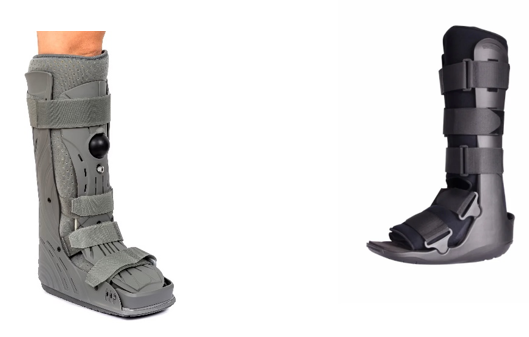
Figure 1 Sample of CAM variants by manufacturers other than those studied.
It appears important to emphasize that the device studied are described by the same billing code and any of them could be prescribed/provided to the same patient case. Nonetheless, the greater magnitude of a heel rocker facilitates the first rocker of the gait cycle and decreases pressure bearing on the hindfoot over time,2 which would be advantageous for heel injuries/wounds, but offer limited benefit to midfoot or forefoot conditions. The forefoot rocker encourages/approximates the third rocker of gait and reduces pressure bearing on the forefoot over time.3 Thus, each of the devices studied would offer differing performance at addressing hindfoot, midfoot, or forefoot conditions despite being described by the same billing code and deriving from the same ‘family’ of interventions intended to address the same diagnoses. Non-kinematic features that impact user acceptance and considerations for some diagnoses such as open toe vs. closed toe, rigid front shells vs. soft anterior overlap, window openings vs. total contact, strapping or buckling closure systems, were also evident.
Many of us who have been involved in device acquisition decisions have heard a sales professional describe their intervention as offloading better than the competition. It seems important to recognize that anti-gravity technologies and interventions have not been invented with true “offloading” not yet possible. These interventions do impact where the pressure of weight bearing is applied, and they can change the site and/or the timing of the application. How pressure-tolerant the target location of the shift may be is an indispensable component of a skilled evaluation. It is easy to appreciate that CAM walkers are a one-size-fits-many interventions that are inexpensive to purchase, low profit margin, low fitting complexity, making them amenable to ‘stock-and-bill’ strategies. Simultaneously, CAM walkers are removable, and real human users can take them off and reject them. A closed toe total contact variant is likely to offer benefit to an individual who benefits from mechanical protection, but an open toe windowed design may increase user acceptance in hot climates and by individuals not needing the protection offered by those features.
Each of our patients is a human being who is facing a healthcare challenge. They will each have their own belief systems, expectations, prior experiences, resources, stressors, and cognitive attributions. Low profit margins of these interventions can add barriers to taking the time to evaluate the locations of the injury, patients' goals, prior interventions attempted, and the terrain to be navigated, the tasks that need to be performed. Proper evaluation and assessment of the patient, their diagnosis, comorbidities, and functional goals need to be provided to make the proper decision regarding which brand and style CAM walker to provide the patient. Not all CAM walkers are created equal, offering different forefoot and heel rockers that offload and load different areas of the foot/ankle.
None.
The authors declare that there are no conflicts of interest.

©2025 Ginzburg, et al. This is an open access article distributed under the terms of the, which permits unrestricted use, distribution, and build upon your work non-commercially.