eISSN: 2576-4497


Case Series Volume 9 Issue 1

1School of Medicine, University of Galway, Ireland
2Department of Palliative Medicine, Galway University Hospital, Saolta Hospitals Group (SHG), Ireland
3Department of Post Graduate Medicine, University of Limerick, Ireland
4Department of Palliative Nursing, Galway University Hospital, SHG, Ireland
5Dublin North General Practitioner Scheme, Ireland
6General Practitioner, Aran Islands, Galway, Ireland
7Mayo Hospice, Mayo, Ireland
Correspondence: Dympna Waldron, Department of Palliative Medicine, Galway University Hospital, Saolta Hospitals Group (SHG), Ireland, Tel +0876889768
Received: February 16, 2026 | Published: March 16, 2026
Citation: Gaffney L, McDonnell T, Molony B, et al. Overriding policy on intravenous opioids versus subcutaneous route on rare occasions; ‘Rules are made to be broken’. Hos Pal Med Int Jnl. 2026;9(1):19-23. DOI: 10.15406/hpmij.2026.09.00285
Aim: The worldwide opioid crisis in recent decades has appropriately brought about much stricter rules and regulations concerning opioid use. Oral opioids remain first line unless other routes, subcutaneous or intravenous opioid are required in certain circumstances.
Methods: Hospitals now have strict guidelines for how, where and by whom intravenous opioids are administered. In Palliative Care these opioid policies do not impact on our routine work but on rare occasions the intravenous route may become priority. Service providers need to know when mandatory intravenous opioid policy may require to be overridden.
Results: Rare cases do occur when a strict policy has to be bypassed; then the policy bypass is required to be implemented appropriately; rapidly if at end-of-life to ensure patient's comfort and continuity of relief; ensure it does not put other staff in danger of breaching their scope of practice.
Conclusions: Once all agree patient’s comfort requires a once off break in policy, collaboration to achieve best outcome for the patient is pivotal. New developments in opioid drug delivery systems deserve a mention to insure awareness of novel appropriate options for our patients. The technological evolution of orally disintegrating opioid tablets, ‘orodispersible’ that; rapidly dissolve once placed on the tongue; do not require swallowing is invigorating as routes of opioid drugs delivery is a daily issue in our prescribing decisions. Policies on opioids are imperative and strict, but if a rare scenario occurs, we are required to explore, educate and override the policy if it empowers the best comfort in dying patients. Up-to-date knowledge of new developments in opioid routes of delivery and old knowledge combined with new of the pharmacology of opioids is also essential as with any debate.
“Problems are not stop signs, they are guidelines” Robert Schuller.
While the oral route (PO) of delivery of opioids is preferable, many situations occur in our patient population when PO route is not feasible. The subcutaneous (SC) route of delivery is well established and an effective way to administer opioids. It is well described in the literature and avoids the peaks and troughs of the intravenous (IV) route for once off (STAT) and/or as required (PRN) opioid use. The SC administration of an opioid demonstrates equivalent bioavailability albeit a small delayed rise to maximum plasma concentration in comparison to the IV administration.1,2 For safety reasons strict hospital policies are such that, apart from patient controlled pumps (PCA), IV opioids are not sanctioned to use, except in intensive care, or accident and emergency units. This is not generally a problem for the palliative care (PC) team as use of continuous 24 hour pumps (CSCI) are invariably used for sustained analgesia in patients unable to absorb/take drugs PO. However, there are rare and complex scenarios when this strict IV opioid policy requires to be over-ruled.
Subcutaneous tissue
Knowledge of the anatomy of the subcutaneous tissue does matter to PC as use of SC route to inject opioids is routine. (Figure 1) Skin is composed of the epidermis and dermis, with the subcutaneous tissue being beneath the dermis. (Figure 1) Essentially each layer needs to be intact to guarantee drug absorption, noting the layer of fat is paramount in drug absorption, as is the architecture of the whole tissue. What happens to the subcutaneous tissue in extreme cachexia? Subcutaneous tissue undergoes severe atrophy characterized by a massive loss of fat, structural remodelling, and, in many cases, functional transformation. Fat cells, adipocytes, undergo dramatic reduction in size, called slimmed adipocytes. This process is driven by systemic inflammation and metabolic dysfunction rather than simple starvation.3,4 If the subcutaneous fat is altered, hardened or substantially reduced in volume, what is the absorption of SC opioid like in this scenario? Consider what happens to subcutaneous tissue in the setting of Surgical Emphysema? Air or gas becomes trapped within the subcutaneous tissue layer, usually spreading along the fascial planes.5 This leads to soft tissue swelling or oedema. This trapped air produces a very characteristic crackling sound, and on touch the skin feels like a popping sensation, like an old ad for cereal ‘snap, crackle and pop’.6 The trapped air causes severe swelling, distension, compression leading to extreme dyspnoea and pain. It is virtually impossible for a drug to get through this grossly altered anatomy.
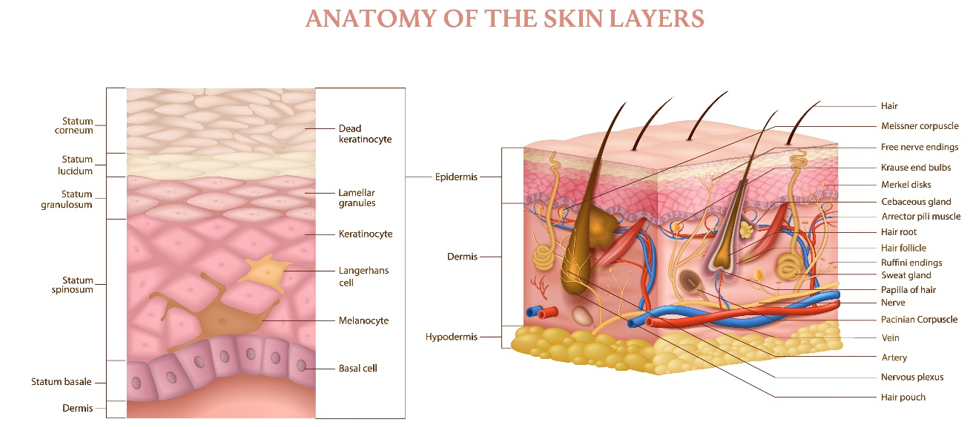
Figure 1 Anatomy of Subcutaneous Tissue.
Designed by Freepik
Orally disintegrating tablets (Oradispersa)
In earlier years, especially in the community, occasionally the rectal route (PR) was used for PRN use if PO not possible and/or SC stressful on family if no Healthcare Worker (HCW) available, however, rectal suppositories of opioids are not very accessible nowadays and PR route can be quite undignified for patients at end of life (EoL). What is often overlooked is that nowadays there is a new route that can effectively replace the PR route, that is orally disintegrating tablets (ODT) or the ‘Oradispersa’ (OD) route.7–9 The advantage of the PR route is a highly vascular environment that creates a rapid absorption akin to IV.10 The buccal mucosa is also highly vascular and has ease of delivery. Families in the community can be educated to give SC opioids, but this can be highly stressful on families, fear they might get it wrong, accelerate death and could create concerns in bereavement. The OD route is well researched for use, but to date there is little on opioid OD drugs in the PC literature. It is an exciting new delivery route and hopefully the OD route will be considered more for use in the future, then followed by prospective studies done in PC populations of patients. It is easy for families to give drugs by the OD route and this delivery would be associated with little stress, less worry and or concern as they are usually used to giving opioids by the PO route.
Intravenous opioid policies
It is now mandatory that all acute hospitals have strict IV opioid policies. Many studies have been implemented to see the effect of such policies to reduce risks of opioids and most have positive results.11–14 Policies usually confine IV opioid use to intensive care, accident and emergency and only a few wards where IV opioid use may be required. Of relevance to below cases, the nursing staff may not be technically covered and/or may not have up-to-date training to administer and monitor IV opioids. Therefore, any alteration from the policy needs a team effort involving senior management to insure agreement on decision to override policy and insurance that sufficient trained nurses are available for the continuum of the patient’s care.
Patient 1:
A young 24 year old female with very advanced metastatic melanoma became very cachectic from tumour induced cachexia. The use of CSCI and PRN, SC opioids were deemed, after months of beneficial effect, to have diminishing benefit. The aspect of opioid tolerance was initially considered but, in view of the fact that she had had many opioid rotations to eliminate tolerance that was considered to be effectively addressed with appropriate up-to-date management.15 It became apparent that her SC tissue was likely so depleted that the absorption of drugs by that route was therefore considered impaired. A 'test' dose of opioid equivalent to her baseline PRN opioid dose, at that point in time was given IV, with 100% relief observed and no side effects. A continuous infusion of IV opioid pump was commenced, a pump that is normally used for diabetic patients as it would have capacity for larger diluent volume, 50 millilitres (MLS) to avoid stasis and thrombosis of the IV line. Complete relief was observed and the patient passed away peacefully a few days later. However, the physician in charge of this patient was urgently called back by senior management, from another hospital to review decision made, as in the oncology ward where the patient was, the nursing staff were not sanctioned to care for IV opioid pump on that ward. The policy alteration was agreed by all and nursing staff reallocated to insure those with appropriate training were on duty for patient’s care. (Figure 2)
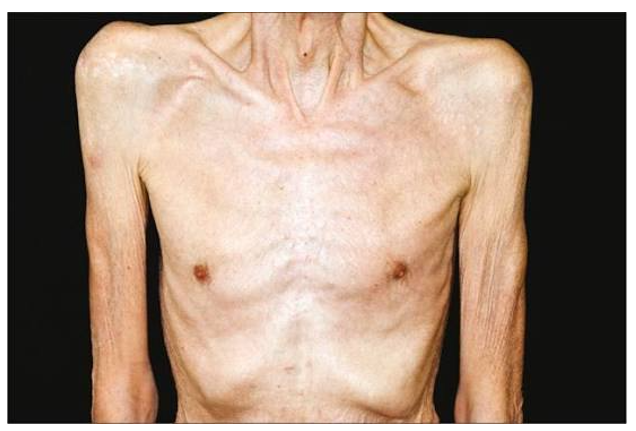
Figure 2 Image of Cachexia.
Patient 2:
A 75 year old man was referred to PC with advanced chronic obstructive airways disease and emphysema requiring multiple hospital admissions in recent years. On this admission he required the insertion of two chest drains in his right lung. Three days before referral to PC late, he developed extreme Surgical Emphysema covering his whole body, but worst in his chest, arms, face and complete inability to open his eyes. (Figure 3, 4) His condition was determined to have no medical reversibility and he was referred to PC late out of normal working hours. On assessment he had clear and obvious crepitus with extreme swelling and was in great distress. It was decided that the IV route was the only route to be used for delivery of comfort medication in this man’s dying phase due to the proliferation of air subcutaneously. He could not possibly have a CSCI, and clearly PO/SC drug would not be absorbed. A fentanyl patch was also considered inappropriate as the air, gas would hamper the transdermal delivery. The patient settled completely after IV opioid, midazolam, anti-secretory and phenobarbitone as a PRN and a continuous IV pump commenced by a senior clinician with appropriate monitoring. Having dealt with case 1 above, thereby prior knowledge of potential problems, the assistant director of nursing (ADON) was contacted. Special permission was granted by ADON to allow an IV infusion be set up on the ward. He passed away hours later and his family were so relieved to see him get into sustained comfort for hours before dying. What was heartbreaking was to see a photograph of him by the bedside before the onset of surgical emphysema, the transformation made him unrecognisable. (Figure 3 & 4)
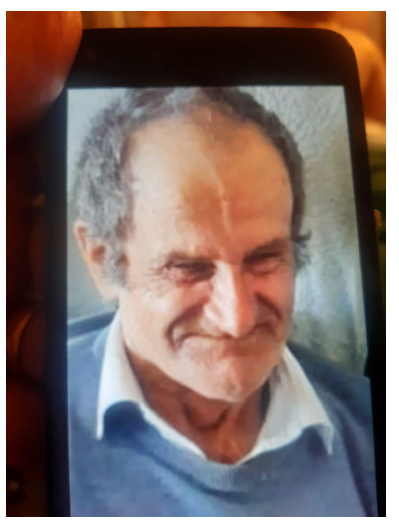
Figure 3 Before development of Surgical Emphysema.
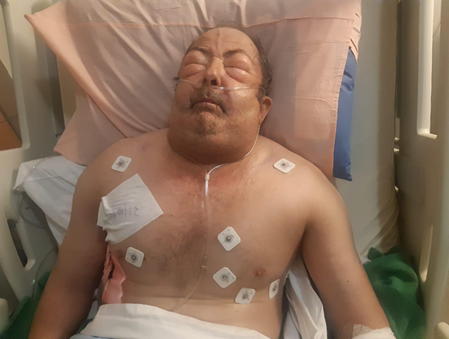
Figure 4 Extending signs and symptoms of Surgical Emphysema.
The goal of palliative care is to achieve relief of the suffering of patients by the comprehensive assessment and treatment of symptoms experienced by patients. As their condition progresses, more aggressive measures may need to be taken in order to ensure comfort at EoL. Care of patients at the EoL requires individualisation of care, keeping in mind that this may on rare occasions require modification of highly respected standard policies and practices. Knowledge of anatomy: up-to-date on pharmacology; routes of delivery of drugs; inclusive of all opioid policies in the workplace need to be kept in mind. Responsible staff are required to be involved if policy overriding is deemed necessary.
Cachexia
The first case outlined really brought to the fore the importance of the structure of the subcutaneous tissue anatomy and if it is capable or not to absorb SC opioids. Extreme cachexia is a feature worth considering if opioids are given appropriately and dramatically appears to be less effective in the presence of normal actions to eliminate tolerance,15 the actual SC route of the opioid should be reconsidered. Another similar case arose recently, a patient with extreme anorexia nervosa presented with end organ failure, requiring ventilation in intensive care. The patient was referred to PC with the question, might use of somatostatin analogues aid reduction in excessive secretions to aid discontinuation of ventilation, as all other antisecretory drugs failed? Previous success had been achieved with somatostatin analogues for cured upper gastrointestinal tumours patients who were drowning in their own secretions. 16 In this patient group there was a fear they would ‘die from the cure’ due to upper GI values gone, therefore in keeping with the World Health Organisation (WHO) guidelines,17,18 patients were referred to PC for short term symptom control. A paper is underway on a cohort of such cases over decades for publication. Somatostatin analogue, octreotide was given in CSCI with little reduction in secretions two days later. On considering first case discussed, the octreotide was changed to an IV pump, days later secretions gone, ventilation discontinued, octreotide discontinued, PC discharged patient from our service, such good recovery occurred, the patient was eventually discharged home. So, the subcutaneous route is excellent but, remember the anatomy alterations of the patient’s illness, on rare occasions the IV or OD routes may be preferable.
Surgical Emphysema
Subcutaneous emphysema is the de novo generation or infiltration of air in the subcutaneous layer of skin. However, the development of subcutaneous emphysema may indicate that air is occupying another deeper area within the body not visible to the unaided eye. Air extravasation in other body cavities and spaces can cause pneumomediastinum, pneumoperitoneum, pneumo-retroperitoneum, and pneumothorax. The air travels from these areas along pressure gradients, spreading to the head, neck, chest, and abdomen by connecting fascial and anatomic planes.5 Air will preferentially accumulate in subcutaneous areas with the least amount of tension until the pressure increases enough to dissect along other planes, causing extensive subcutaneous spread which can result in respiratory and cardiovascular collapse.5 Subcutaneous emphysema can result from surgical, traumatic, infectious, or spontaneous aetiologies. Injury to the thoracic cavity, sinus cavities, facial bones, barotrauma, bowel perforation, or pulmonary blebs are some common causes. When there is no reversibility it is essential to address distress with speed and constant monitoring as symptoms are highly likely to escalate rapidly. As outlined in above case, symptom control of extreme present and anticipated symptoms is critical and urgent.19
The everlasting legacy of our pioneers
PC is still a relatively new speciality albeit it has grown exponentially. Our initial pioneers deserve such applause for their incredible work in pharmacology as well as many other areas necessary to bring our speciality to where it is now. The initial published papers combined with the new publications on opioids still carry so much weight and require newcomers to PC to be aware off.20–24 Take for example, the importance of which opioids are ‘lipophilic’, fat loving versus those that are ‘hydrophilic’, water loving, for absorption of opioids this knowledge is essential. Thinking of the body’s anatomy and the pharmacology of the drug should always influence prescribing. This case presentation paper is to reflect the importance of all these parameters. Another consideration on understanding the properties of different opioids relates to the recent ‘Fentanyl Phase’ of the ‘Opioid Crisis’. Consider; analysis of ‘Fentanyl’ and effect on respiratory rate;15 the epidemic; renders information that could be an addition to those trying to prevent the epidemic, like the Drugs Enforcement Agency (DEA), USA, in their advertising on its danger; not only is fentanyl much stronger than morphine; it is ‘fat loving’; whereas other opioids ‘water loving’, the implications of this being; opioid naive people’s brains does not have the ‘time’ to adjust to respiratory dampening effects of fentanyl as it ‘loves fat’. It is akin to a shotgun in an opioid naive brain (not accustomed too opioids) even in tiny doses as the respiratory drive centre in the brain does not have the time to adjust to the opioid dampening effect on breathing.
Routes for drug delivery
What is often overlooked is that nowadays there is a new route that can replace the PR route, the OD route. The advantage of the PR route is a highly vascular environment that creates a rapid absorption akin to IV. The buccal mucosa is also highly vascular and has ease of delivery. OD are totally patient-centric, dissolve rapidly requiring no water and have a rapid onset of action. Families in the community can be educated to give SC opioids, but this can be highly stressful on families, fear they might get it wrong, accelerate death and could create concerns in bereavement. The OD route is well researched for use to date the literature.7–9 It is an exciting new delivery route and hopefully the OD route will be considered more for use in the future as well as future studies done in PC populations of patients. It is easy for families to give by the OD route and would impart little stress, worry and or concern as they are usually used to giving opioids by the PO route.
Orally disintegrating tablets (Oradispersa)
Our service prescribed OD medications whenever needed and/or anticipated. Patients and families are informed, it is akin to having an injection at home, due to insured, effective and fast absorption. This new development plays an important role for Palliative Care patients, as swallowing, absorption in the gastrointestinal tract can be problematic for many and having this new option is exciting, especially in the community. There are many drugs available in the OD format and it is worth researching a list of all such drugs available. OD olanzapine for nausea is used frequently in our service, using an OD format for nausea makes sense and the ‘chemoreceptor trigger zone’ (CTZ) effect covers a large population of PC patients with nausea and so easy on the patient to take it. It is also very effective as an antiemetic.25 A lot of attention is giving to de-prescribing at EoL,26 however, some essential drugs should be continued during dying phase and/or bowel obstruction; antidepressant medication is important as one would not like to think a loved one re-entered a depressive state during dying phase; thyroid replacement another important drug to consider, as well as opioids. Anticipated drugs to cover all potential symptom clustering should also be prescribed as OD if available.19 This extra aid of easily administered drugs could greatly improve patient/family/general practitioner confidence during EoL care especially at home.
Sometimes even the most strict policies need to be over-ruled when a dying patient requires sustained comfort. Review with senior management officials could be helpful to address that rarely, with appropriate senior health care professionals deciding, the strict IV opioid policy may be by-passed. Knowledge of anatomy, pharmacology and available drug delivery routes all lead to ‘Data-Driven Decision Making’ which can only empower high-quality, personalised care. Old Gaelic proverb/old sayings;
“Briseann an duchas tri shuile an chait”,
Translation; “Nature breaks through the eyes of the cat”,
Meaning ‘your natural instinct (to break the rules/be yourself) will always win out’.
Thanks to both families, next of kin, for giving written consent to use their loved one’s cases to further knowledge with the aim to improve future care. Thanks to Mattina Jennings, Mayo/Roscommon Hospice Foundation for her ongoing support; Thanks to all our Palliative Care Pioneers for all their incredible contribution to enhance patient care to such high standards. Thanks specifically to Prof Michael Kearney, Prof Declan Walsh Prof Robert Twycross, Prof Geoff Hanks, Dr Jack McCarthy (Harold’s Cross, Dublin) and Prof Andrew Hoy who had enormous influence on authors in their quest for knowledge.
The authors declares that there are no conflicts of interest..

©2026 Gaffney, et al. This is an open access article distributed under the terms of the, which permits unrestricted use, distribution, and build upon your work non-commercially.
