eISSN: 2576-4497


Review Article Volume 15 Issue 3
 Lic. Isvel Perón Carmenates2 Mantilla Pico María Alejandra,1
11st degree specialist in Otorhinolaryngology, Ecuador
2First degree specialist in Community Nursing. Master in Satisfactory Longevity, Ecuador
Correspondence: Dr. Ivonne Delgado Juan, 1st degree specialist in Otorhinolaryngology, Ecuador, Tel +53909969914 11
Received: July 13, 2023 | Published: September 1, 2023
Citation: Juan ID, Carmenates LIP. Obstructive sleep apnea syndrome. J Otolaryngol ENT Res. 2023;15(2):81-85. DOI: 10.15406/joentr.2023.15.00533
Sleep is an essential pillar for the complex development of various bodily functions, including free radical metabolism, hormone secretion, memory, mood, etc. There is growing evidence that reducing or cutting back on the number of hours of sleep may be detrimental to the cardiovascular system. For example, cohort suggest that sleeping less than 5 hours/night may increase the risk of developing systemic arterial hypertension (SAH), acute myocardial infarction (AMI) and stroke (CVA). Sleep should be restful, without awakenings, seven to eight hours a day and preferably before 11:00 p.m. There should be no urge to urinate during the night, no night sweats, no interruption of sleep by nightmares or waking up with a racing heart. It is not the same to sleep eight hours in the morning, as it is for people who have night jobs or after a party and a hangover, to sleep the indicated hours before 11:00 pm. The organs that benefit the most from sleeping before this time are the Gallbladder and the Liver, since they can correctly perform their elimination and repair processes.
Now, when you wake up, you should not be tired, but you should have the energy to start the day. It should be emphasized that rest is not only sleep. Actually, the day should have the balance 8:8:8, which means: eight hours of work, eight hours of rest, eight hours of sleep. Within which, in the eight hours of rest should be imparted activities that nurture being and not doing. That is to say, to enable a space where each person connects with what he/she likes and is passionate about, which may include self-care, physical activity, art, meditation, sports, etc. Previously we mentioned the importance of sleep, now let's get into the subject with reference to Obstructive Sleep Apnea Syndrome (OSA), which is caused by intermittent and repetitive occlusion of the airway. During sleep, resulting in complete (apnea) or partial (hypopnea) interruption of airflow. Its prevalence is considerable: 4-6% males and 2% of females.
Obstructive sleep apnea syndrome (OSAS) is characterized by recurrent episodes of partial or complete upper airway obstruction during sleep, causing sleep fragmentation and recurrent episodes of hypoxemia, which has associated with increased risk of occupational and traffic accidents, refractory arterial hypertension, nocturnal arrhythmias, cardiometabolic syndrome and serious cardiovascular events. Clinically, the patient with OSAHS is obese, short-necked, and a long-time snorer. Both obesity, with a Body Mass Index (BMI) >30, and neck measurement (>43 cm in men and 41 cm in women) are risk factors for severe sleep apnea.1
Obesity, structural anomalies of the upper respiratory tract, excess alcohol intake, smoking, macroglossia, craniofacial malformations, including hemifacial microsomia, Treacher Collins syndrome, Pierre Robin syndrome, arterial hypertension, type 2 diabetes mellitus, arrhythmias cardiac, bronchial asthma, thyroid dysfunction (Table 1). The typical triad of the patient with OSAHS is characterized by the presence of snoring, daytime hypersomnolence and frequent observed apneas. Sleepiness is a critical parameter when evaluating the apnea patient. In analyses of disease phenotypes, sleepier and more symptomatic patients have a 2-fold increased risk of cardiovascular disease and a 2.17-fold increased risk of heart failure, according to the cohort followed in the Sleep Heart Health Study.2
|
Day time |
Night |
|
Hyper somnolence |
Snoring |
|
Fatigue |
Frequent awakenings |
|
Morning Headache |
Nocturia |
|
Irritability |
Restless sleep |
|
Apathy |
Insomnia |
|
Difficulty to concentration |
Reflux gastro esophageal |
|
Pharyngeal and oral dryness |
Nasal congestion |
|
Decrease from libido |
Nightmares |
|
Decrease from memory |
Excessive salivation |
|
Depression |
Asphyxia |
|
Non-restorative sleep |
Diaphoresis |
Table 1 Symptoms of Obstructive sleep apnea-hypopnea syndrome (OSAHS)
Detailed anamnesis is vital for the suspicion of OSAHS taking account that age, weight gain, especially in men, menopause in women, the use of tranquilizing or relaxing drugs, are factors that favor the instability of the upper airway, the installation of the disease and the appearance of symptoms. In obtaining these data, the information given by the patients' partners is also a key factor.3,4 We have questionnaires that help us to determine the probability of presenting sleep apnea (Berlin, NoSAS, STOP- Bang) or to assess certain clinical aspects such as sleepiness (Epworth).5 To establish the confirmatory diagnosis, there are different diagnostic methods that identify the presence of respiratory events during sleep.
The current diagnostic procedure for OSAS is nocturnal polysomnography. Overnight PSG consists of the simultaneous recording of neurophysiological and respiratory variables that make it possible to evaluate the quantity and quality of sleep, as well as to identify the different respiratory events. The performance of the PSG can be more or less complex depending on the number of channels incorporated; generally, a minimum of twelve channels are used to perform a continuous EEG recording. (EEG) RECORDING, electrooculogram (EOG), chin electromyogram (EMG), oronasal flow, thoracoabdo minal movements, body position, snoring, electrocardiogram and arterial oxygen saturation.1 PSG should be performed during the night and the recommended duration of the studies is at least 6.5 hours, with a minimum of 180 minutes of sleep (Figure 1 & 2).
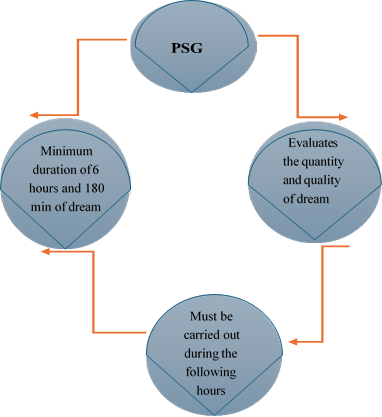
Figure 1 Overnight polysomnography (PSG).
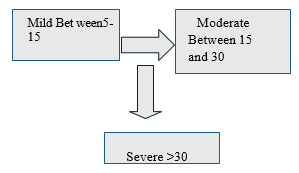
Figure 2 Severity according to the apnea hypopnea index per hour of sleep (AHI).
In general terms, treatment can be divided into four pillars: clinical follow-up, modifiable measures, CPAP and surgery. Among the factors that can be modified are: elimination of obesity, proper sleep hygiene, control of thyroid function, avoidance of sedatives, hypnotics and muscle relaxants, avoidance of supine sleeping position, avoidance of alcohol consumption. It is important to emphasize that significant weight reduction is often a key indicator of relief from OSAHS.2,6 Alcohol should be prohibited mainly at night, since it increases edema in the upper airway and reduces the action of the intrinsic muscles in that area. The diuretics and beta-blockers may occasionally worsen the severity of the syndrome. Lateral decubitus sleeping position should be recommended; sedatives and antihistamines should be contraindicated as they increase the severity of apneas.7
When no obvious surgically correctable anatomical abnormality is found, nasal CPAP is the treatment of choice for OSAS.8,9 CPAP acts as a pneumatic valve that prevents airway collapse during sleep. The pressure level necessary to achieve this goal must be determined individually for each patient in the sleep laboratory during all phases of sleep. Nasal CPAP will have reached its efficacy by achieving: 1. 2. Eliminating snoring. 3. Avoiding episodes of arterial oxygen desaturation. The system should be used during the whole night sleep period, every night of the week. Another alternative is surgical treatment, since, in OSAHS, surgery has two objectives: the first is to perform a shunt to bypass the site of obstruction: tracheotomy, and the second is to reduce the resistance of the upper airway by widening its diameter and eliminating anatomical defects that occlude the airway.
Most patients with OSAHS who require treatment will receive nasal CPAP. The response to this treatment is rapid, and daytime sleepiness improves within a few days, to such an extent that the multiple sleep latency test is normal 14 days after initiating treatment.10
Clinical manifestations, risk factors, sleep characteristics, sleep oxygenation disturbances, and questionnaire performance in OSAHS differ significantly in patient quality of life. This should be considered when planning the treatment and management of sleep disordered breathing. It is important to be alert to the symptoms that occur in OSAHS in order to begin timely and effective treatment, thus avoiding surgical procedures in a severe stage of this disorder.
None.
The authors declare that there are no conflicts of interest.

©2023 Juan, et al. This is an open access article distributed under the terms of the, which permits unrestricted use, distribution, and build upon your work non-commercially.
