eISSN: 2577-8250


Review Article Volume 8 Issue 2

Department of Textile and Fashion Design, Istanbul Aydın University, Turkey
Correspondence: H Meryem Imre, Faculty of Fine Arts, Department of Textile and Fashion Design, Istanbul Aydın University, Turkey
Received: June 25, 2026 | Published: July 9, 2026
Citation: Imre HM. Reflections of popular culture in 1960s fashion and their impact on the present day. Art Human Open Acc J. 2026;8(2):96-102. DOI: 10.15406/ahoaj.2026.8.00278
Fashion is defined as a reflection of the economic, sociological, and cultural changes and developments in society; however, due to the individual's social and cultural position, it is closely related to popular culture. Effective technological advancements pave the way for changes in popular culture in short periods of time. Within these societal changes, the 1960s, in particular, were a period of revolutionary innovations in the fashion industry. The 1960s, while reshaping popular culture with the accumulated cultural heritage of the past, also allowed for the integration of freedom with individuality. While the concept of fashion describes a period shaped by popular culture, today's fashion is undergoing rapid transformation under the influence of technology, globalization, the development of communication tools, and social awareness. Looking at this change through the lens of today's technology or the individual's understanding of fashion, fashion has gained a clearer, more digitized, and more environmentally conscious identity compared to the past, embracing sustainability principles in terms of communication. The societal change that began in the 1960s spread through trends such as the fashion movement, hippie style, miniskirts, media, and music groups, reflecting individual freedom and social identity. Today's fashion industry, while evolving with references from the past, is also evolving differently under the influence of technology, globalization, and social media. Brands, influenced by popular culture, are focusing on designing sustainable, eco-friendly, and functional products. As a result, awareness of the environmentally conscious use of resources in design and production has emerged as a significant factor in the fashion industry. Sustainable and eco-friendly designs, recycling and upcycling, and biomaterial research are among the fundamental approaches in fashion today.
Keywords: fashion, popular culture, 60s, social change, youth, present
While popular culture owes its existence to the individual, it is a distinct and significant factor that shapes and defines the individual’s social perspective, values, lifestyle practices, and identity. Just as music, art, and literature are part of this phenomenon, fashion has become even more influential in terms of its impact on the individual. When viewed through the lens of popular culture, fashion serves as a complementary form of expression; while fulfilling the individual’s need for clothing, it simultaneously reveals and clarifies their identities and social statuses within cultural and traditional contexts.
Popular culture is characterized by dynamism, variability, the renewal of social perspectives, and its influence on the shaping of perceptions. Fashion, in turn, has made this shaping process visible. It has brought to light the individual’s socialization, participation in social groups, lifestyle practices, and consumption behaviors. As popular culture and fashion influence and shape one another, they make a significant contribution to social transformation and change.
This study adopts a qualitative, conceptual, and historical research design to examine the relationship between popular culture and fashion in the 1960s and to evaluate its reflections on contemporary fashion practices. The research is based on a historical-documentary analysis approach, which enables the interpretation of fashion phenomena within their social, cultural, and historical contexts.
The primary sources of the study consist of academic books, peer-reviewed journal articles, historical fashion publications, and visual materials related to fashion, popular culture, youth movements, music, and social transformations of the 1960s. The literature selection process was guided by three criteria:
The theoretical framework of the study draws on interdisciplinary approaches from cultural studies, fashion theory, and sociology. The works of scholars such as Roland Barthes, John Fiske, Dick Hebdige, Yuniya Kawamura, Diana Crane, Jean Baudrillard, and Joanne Entwistle were selected because of their influential contributions to the interpretation of fashion as a system of communication, identity construction, consumption, and popular cultural expression. These theoretical perspectives enabled the examination of fashion not only as a material practice but also as a symbolic and cultural phenomenon.The examples discussed in the study, including the miniskirt movement, Mod and Hippie subcultures, popular music groups, film icons, and street fashion practices, were selected through purposive sampling. These examples were chosen because they represent significant cultural and social transformations of the 1960s and demonstrate the interaction between fashion, identity, youth culture, and popular media. Visual materials were included as historical and cultural evidence to support the analysis and to illustrate the dissemination of fashion trends through popular culture.
By employing a historical and interpretive approach, this study aims to provide a critical understanding of how the fashion practices and cultural dynamics of the 1960s continue to influence contemporary fashion discourse, identity formation, and sustainable fashion perspectives.
"In addition to historical-documentary analysis, selected visual materials were examined through a descriptive semiotic and visual culture analysis approach in order to interpret the symbolic meanings of fashion objects, identities, and cultural representations."
Definition of popular culture
Popular culture is a structure that encompasses a society’s social development and changes. It serves as a tool in the formation of collective memory and social memory. Popular culture can be defined as a set of values that are easily accessible, widely followed, used in daily life, and are dynamic, ever-changing, and easily consumed.1
The use of cultural heritage through a populist approach can also be understood as a form of “disposable” culture. Popular culture moves rapidly within its own era, is consumed quickly, and renews itself rapidly. Defined in this way, popular culture also gives rise to a definition of culture that is superficial, lacking depth, and has not established its own way of life.2 Cultural formation speaks to people as a structure that provides insight into the practices that shape the routines of daily life through accumulated knowledge and experiences, cultural codes, and plans for the future. While the popular culture of the 1960s was shaped by fashion and music, it made the forms of expression and protest regarding young people’s anxieties about the future visible through clothing. During this period, popular culture can be seen as a means for the younger generation to express their individual freedoms through music and fashion, without needing to speak much.
Fashion is a phenomenon that unites aesthetics, culture, the economy, and daily life without separating them. The dynamic force behind fashion is the human need to create new forms and the desire for change. Fashion finds its vitality by constantly renewing itself.
While fashion is defined as a reflection of economic, sociological, and cultural changes and developments in society, it is closely linked to popular culture due to the individual’s social and cultural position. An individual’s clothing choices, through a process of blending with popular culture, foster integration into social life, facilitate socialization, and generate responses to social issues.3
The concept of fashion and ıts relationship with popular culture
Humans have been engaged with clothing since the very beginning of their existence on Earth. Clothing culture has developed and spread over a very long period—spanning centuries—and has been shaped by experiences such as knowledge, expertise, and lifestyle practices passed down across generations. People from different geographical regions and cultural backgrounds have developed clothing styles that are highly similar and tailored to meet their needs in the face of challenging environmental and climatic conditions. As cultural phenomena take shape through traditions, their widespread adoption and acceptance by society form the foundation of social identity.4
In the formation of identity, lifestyle, consumption behaviors, cultural consumption, and forms of self-expression are defined through fashion within the context of popular culture.5 Fashion and popular culture are described as the sum of constantly renewing, changing, and consumed cultural objects and accumulations.6
As technological advancements gained momentum with the Industrial Revolution, the social and cultural structures of societies also underwent numerous changes. Production methods geared toward meeting needs began to evolve with the aim of increasing consumption. Popular culture, rooted in the phenomenon of consumption, began to dominate.
While the cultural transformations of individuals have brought society to a turning point, popular culture has systematized the spread of these transformations. Within popular culture, the expression of identity and social status has been defined through the phenomenon of fashion.7 Fashion has accelerated the process of completing individuals’ identity formation by creating various narratives through the use of popular culture.
The relationship between fashion and ıdentity
Fashion, particularly clothing, reflects people’s political, social, and cultural identities. This social position is not only related to culture and traditional identity but is also physically linked to the industry.8 Every industrial product that is designed and produced utilizes the active power of fashion and creates an image, thereby paving the way for both the individual’s quest for innovation and shifts in identity.
Fashion can be described as a rebellious, defiant tool of consumption. As fashion renews itself by destroying itself—voluntarily bringing its own activities to an end—it aids the individual’s transformation and development through the formation of popular culture. According to Jean Cocteau, fashion “dies very young” and quickly revives itself.9 By establishing an identity relationship between the individual and popular culture, fashion moves forward by rebelling against the past while embracing the present era.
Through clothing, fashion creates its own unique language, serving as a means of communication within society and among individuals. This communication is visually impactful, establishing a connection through the message conveyed to others and the individual’s self-interpretation. As individuals express themselves through their clothing, they also shape the ways in which they interact with others. As clothing gives form to identity, identity and fashion become integrated with a material reality.10
Fashion is directly linked to popular culture. While popular culture, as a culture of consumption, constantly encourages individuals to purchase and use new products, fashion brands are under constant pressure to innovate in order to meet this demand. This situation leads to changes in consumption habits and causes individuals to question their material and spiritual values.11 While fashion is defined as a reflection of a society’s economic, sociological, and cultural changes and developments, it is closely linked to popular culture due to the individual’s social and cultural position. Rapid and significant advancements in technology pave the way for popular culture to change within short time frames.
Amid social changes, the 1960s in particular were a period marked by revolutionary innovations in the fashion industry. The social changes of this era, combined with the influence of popular culture, brought about a significant shift in fashion sensibilities; this marks a noteworthy historical process, particularly due to its profound impact on young people. In the 1960s, as popular culture was reshaped by the cultural legacy of the past, the concept of freedom began to merge with individualism. With the advent of the 1960s, social change enabled individuals to express their identities and social statuses more distinctly through their fashion sensibilities and perspectives. This innovative quest had a profound impact on fashion. While the concept of fashion reflects an era shaped by popular culture, contemporary fashion is undergoing a rapid transformation driven by technology, globalization, advancements in communication tools, and social awareness.12
Social changes
Clothing in general underwent a transformation with the French Revolution, and the aristocracy’s influence on fashion began to wane. Clothing made with excessively ostentatious fabrics and precious stones gave way to styles and fabric qualities that the general public could also wear.13 With the Industrial Revolution, urbanization and the social and economic changes affecting people’s lives began to give rise to new practices.
Particularly after World War II, the impact of economic conditions on individuals led to a new wave of social change in the 1960s. This laid the groundwork for the generation of that era to analyze references from the past and play a role in shaping social developments. With the rapid advancement of technology and communication tools, fashion and identity in the 21st century influence not only the younger generation but society as a whole.
The 1960s and social changes
Social changes during this era, influenced by popular culture, transformed the way people viewed fashion. The ways in which social groups and young people communicated began to gain strength within the context of music and fashion. With the 1960s, social change enabled individuals to express their identities and social positions more clearly through their understanding of and perspective on fashion. Popular culture became less about social status and more about young people’s search for individual identity and a means of expressing it. The importance of cultural change in shaping social characteristics becomes evident when it is recognized that clothing and the principles embraced are integral components of culture. The cultural transformation of the 1960s was shaped by social movements. In particular, the post-war generation’s search for new perspectives in their daily lives was a major theme. The changes of the 1960s can be summarized under the following headings: Social changes, Women’s movements, Popular culture and music, Technological developments.
Fashion in women’s movements
The process that began with women’s efforts to take on a greater role in social life and contribute to production led to innovations in women’s clothing styles within the fashion world, resulting in the design of garments that allowed them to move comfortably and freely. The miniskirt became one of the most important symbols of this era, serving as a means for women to freely express themselves through their clothing. The rebellious fashion symbol: “The Miniskirt.” In Figure 1, the gaze of a traditional French woman looking at a woman in a miniskirt—captured in a photograph by Cartier-Bresson—reflects the rebellious nature of fashion. Figure 2, meanwhile, features model Twiggy presenting Mary Quant’s mini dress using the colors of nature.
The “Mod” movement and the hippie movement, to which Quant contributed, gave rise to a new “street style” as fashion spread from the streets to designers. The Mod movement began as a subculture of the 1950s Modernist movement and became a symbol of youth culture in the 1960s, when music and fashion developed hand in hand. In her book *Icons of Fashion*, Jane Mulvagh writes, “The period from 1962 to 1968 was a critical time when the allure and originality of street style challenged the dominance of high fashion and ultimately broke it.” (https://catalogue.nla.gov.au/catalog/2801172).
Visual analysis of the miniskirt and the representation of female ıdentity
From a semiotic perspective, the miniskirt functioned not merely as a garment but as a cultural signifier of social transformation, female emancipation, and youth identity in the 1960s. In Cartier-Bresson's photograph (Figure 1), the visual contrast between the traditionally dressed older woman and the younger woman wearing a miniskirt symbolizes the tension between conventional social values and emerging modern identities. The gaze directed at the miniskirt wearer can be interpreted as a representation of social resistance to changing gender roles and cultural norms.
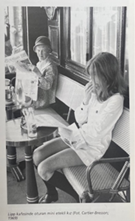
Figure 1 Woman wearing a miniskirt in Saint-Germain, photographed by Henri Cartier-Bresson.
Source: https://collections.vam.ac.uk/item/O1061462. Dated accessed: 03.02.2025.
Similarly, Twiggy's presentation of Mary Quant's designs in Figure 2 reflects the construction of a new feminine identity characterized by youthfulness, freedom, and modernity. Twiggy's androgynous appearance, slim silhouette, and unconventional beauty standards challenged traditional representations of femininity and transformed fashion into a visual language of social change. Therefore, the miniskirt became both a fashion item and a symbolic expression of cultural rebellion and individual autonomy.
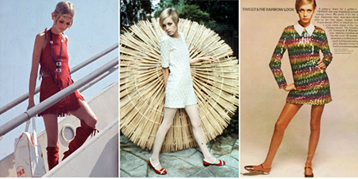
Figure 2 The model twigy in a miniskirt.
Source: https://www.vintag.es/2019/09/twiggy-in-mini-skirts.html#google_vignette. Dated accessed:20.05.2026
Visual analysis of music culture and fashion ıdentity
The visual identities created by popular music groups during the 1960s played a crucial role in the formation of youth culture and collective identity. The Beatles' costumes featured on the cover of Sgt. Pepper's Lonely Hearts Club Band (Figure 3) represent a departure from conventional menswear and symbolize experimentation, individuality, and cultural hybridity. Through vibrant colors, military-inspired garments, and theatrical styling, the band visually communicated the values of counterculture and artistic freedom.
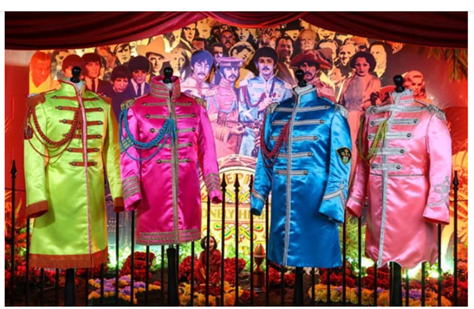
Figure 3 The Beatles, Sgt.Pepper’s Lonely Heart Club Band, costumes.
Source: https://themalestrom.com/culture/the-beatles-sgt-peppers-50/. Dated accessed:15.04.2026
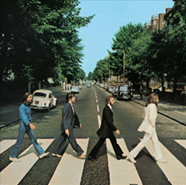
Figure 4 Beatles, abbey road LP cover.
Source: https://pitchfork.com/reviews/albums/13431-abbey-road/
Likewise, the visual style of the Rolling Stones (Figure 5) reflected rebellion, nonconformity, and urban youth culture. Their stage costumes and everyday clothing practices contributed to the emergence of street style aesthetics, which later became a significant source of inspiration for contemporary fashion designers. From a semiotic perspective, these visual representations transformed clothing into a symbolic system through which young people expressed resistance, identity, and belonging.
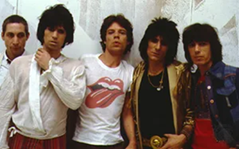
Figure 5 Rolling stones band.
Source: https://www.britannica.com/topic/the-Rolling-Stones/Sticky-Fingers-and-Exile-Ston-Main-St. Dated accessed: 23.01.2025.
Music, fashion, and youth in popular culture
Popular culture, of which fashion is a part, imbues objects with meaning, enabling them to be reinterpreted and reshaped by both cultural creators and consumers. This process, in which the music industry plays a particularly significant role, is integrated with certain garments through imagery, thereby reinforcing the symbolic meaning they convey to individuals.12 Fashion researchers and historians note that one of the most influential periods of the 20th century saw fashion trends and their impact on individuals develop in parallel with music. As a result, youth music—which resists conventional definitions of social identity—has been adopted as a means of creating new identities and as a symbol of rebellion. Through the form of communication they establish via clothing, combined with music and song lyrics, they have created meanings about themselves.14
As the 1960s were shaped by social movements, fashion gained momentum among young people through the lyrics of music groups and their clothing styles. Anti-Vietnam War protests, women’s rights movements, hippie culture, and the civil rights struggle led to fashion becoming a form of social expression, while fashion itself served as a vehicle for young people’s quest for freedom and individuality. The individual’s relationship with society began to be redefined.15 With the 1960s, social change enabled individuals to express their identities and social positions more clearly through their understanding and perspective on fashion. Popular culture became less about social status and more about young people’s search for individual identity and a means of expressing it.
During this period, young people’s clothing and accessories moved away from traditional styles to pioneer dynamic and contemporary designs. In particular, the Beatles—one of the cornerstones of pop music (see Figures 3 and 4) with their colorful outfits and accessories, as well as the on-stage and off-stage attire of bands like the Rolling Stones (see Figure 5), served as a source of inspiration for fashion designers to create new avant-garde designs. Young people reflected their youthful energy and creative power in their clothing. The interplay of music and lyrics became a symbol of the young individual’s quest for freedom—a defiant stance against the past—and was thus etched into the history of music and fashion.12
Around the world, fashion and music have the greatest impact on the younger generation. As seen in Figure 6, Joan Baez and Bob Dylan—pioneers of 1960s protest music—brought the subcultural movement initiated by young people into the mainstream through the cultural influence highlighted by fashion theorists, thanks to the harmony between their music’s lyrics and their on-stage appearances. These styles, known as “street styles,” were created by urban subcultures and pioneered a new fashion trend. Today, street fashion continues as a trend that designers and brands follow and incorporate into their collections.
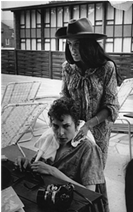
Figure 6 Joan Baez and Bob Dylan the 1960’s.
Source: https://www.reddit.com/r/bobdylan/comments/g8vmeg/the_original_duo/ Dated accessed: 12.02.2025.
Ethnic and hippie clothing are the most obvious examples of this. Thus, music and lyrics have become symbols of the younger generation’s quest for freedom, challenging the traditional norms of the past through fashion. These developments gained momentum and became more widespread thanks to technological advancements such as cinema and television, thereby increasing their visibility worldwide.
Film and television—technological developments
Popular culture, which emerged alongside social change, has become an integral part of the film and fashion cycle. The term “popular culture” is now used more frequently in society in connection with film. Along with films, movie stars have become an important part of the fashion cycle and popular culture; the clothing worn in films has been produced and incorporated into the fashion industry.16 The 1960s were a period that reflected both the women’s liberation movement and the younger generation’s expression of their concerns about education, the economy, and the future through their clothing.17
In Figures 7 and 8, Audrey Hepburn is seen wearing Givenchy outfits. Through the outfits she wore in her films, she reflected her elegance and influenced popular culture through fashion. In Figure 9, Bardot influenced young people with her free-spirited style. During this period, fashion designers such as Yves Saint Laurent and Pierre Cardin added dynamism to fashion with their designs—which expressed comfort and freedom for young people—and sometimes with experimental clothing creations.
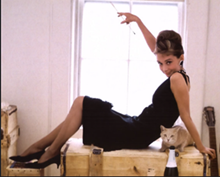
Figure 7 Audrey Hepburn “ Breakfast at the Tiffany” scened of the movie.
Source: https://www.vintag.es/2023/04/audrey-hepburn-orangey.html

Figure 8 Audrey Hepburn, Givenchy Design. Twin set, 1964.
Source: https://www.elle.com/fashion/g19422025/best-audrey-hepburn-givenchy-style-moments/
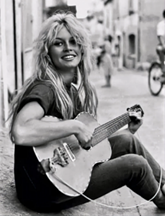
Figure 9 Brigitte Bardot, 1967, French Street.
Source:https://www.reddit.com/r/BeAmazed/comments/z2cmth/1967brigitte_bardot%20%20%20%20playing_guitar_in_the_street/?rdt=45446
Clothing now shapes and controls the dynamics among young people within society. Along with popular culture, fashion has accelerated the process of liberation and, by becoming a tool of power, has laid the groundwork for individuals to define themselves.11 Among young people, clothing has created its own language for communicating and reflecting society (McCracken, 1990: 60).
Known as a unique and libertarian movement that began in the 1960s among young people—born after World War II and who were students during that decade—with the aim of “seeking alternative lifestyles through music and fashion and using their imagination to create a new way of life,” the “Hippie” movement has gone down in history as the counterculture movement that most influenced fashion during the 1960s.9 As seen in Figure 10, this movement—which conveyed an anti-consumerist message—also led to the rise in popularity of handmade and secondhand products in the fashion world as a counterpoint to mass production and fast fashion. T-shirts featuring peace symbols and political messages became a common tool for young people to express their political stances through clothing. Today, secondhand items contribute to the concept of sustainable fashion.
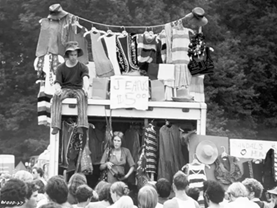
Figure 10 Second hand cloths selling in woodstock music fest.
A connection with nature, a desire for peace, and a bohemian lifestyle have emerged as a fashion trend. Long, patterned dresses, bandanas, hand-knitted sweaters, sandals, tassels, denim pants, and natural fabrics are considered the hallmarks of this unique, comfortable style. Through their hairstyles, clothing, living spaces, music, and daily practices, they expressed the rebellion of a subculture.18 The defining moment of the hippie fashion style—which still influences contemporary fashion—is widely recognized as the 1969 Woodstock music festival.19 Although the hippie movement’s presence in history was brief, its rebellion, fashion philosophy, and definition of identity continue to hold instructive value for today’s youth and the fashion industry.
Visual analysis of hippie fashion and woodstock culture
The visual imagery associated with the Woodstock Festival (Figure 10) illustrates the hippie movement's rejection of consumer society and its search for alternative lifestyles. The predominance of handmade garments, second-hand clothing, natural fibers, and ethnic-inspired designs demonstrates a symbolic opposition to industrialized mass production and standardized consumption patterns. Within the framework of visual culture studies, hippie fashion can be interpreted as a form of cultural resistance expressed through material objects. The use of natural colors, loose silhouettes, handcrafted accessories, and recycled garments established a visual language that communicated values such as peace, environmental consciousness, freedom, and anti-consumerism. These visual codes continue to influence contemporary sustainable fashion practices, particularly in the areas of slow fashion, upcycling, ethical consumption, and environmentally conscious design approaches.20,21
The relationship between popular culture and fashion reveals a complex field of interaction that shapes social dynamics and individual identities. Fashion is not merely a form of dress, but a tool through which individuals can express themselves and question social behaviors and structures. Therefore, understanding the effects of popular culture on fashion is of great importance for grasping the dynamics of contemporary society. Mechanization, which began with the Industrial Revolution, along with rising needs, urbanization, consumerism, and the world wars, instilled a different perspective in the younger generation that followed. Focusing more on movement, individuality, and freedom of expression, they developed new forms of expression through music and fashion. While these changes were taking place, environmental awareness had not yet fully taken hold. The use of synthetic materials and plastics, as well as waste, remained issues that would only come to light later, as their environmental impacts were not yet fully understood.
While the 1960s represent an era shaped by popular culture that reflected the search for freedom and identity through music and fashion, today’s fashion is shaped by the influence of technology, globalization, diversity, and social awareness. Although both eras share the common goal of reflecting social changes and creating space for individuals to express their identities, it is the rebellious spirit of the 1960s that has carried this possibility into the present day. However, today’s fashion has adopted an identity that is more inclusive, eco-friendly, sustainable, and mindful of efficient resource use compared to the past. In line with this evolution, the fashion industry is focusing on issues such as bio-based materials, recycling, improved production processes, waste management, reducing the carbon footprint, fostering consumer awareness in design, and upcycling. While values such as diversity and inclusivity rank among the fundamental elements shaping fashion, fashion has served as a mirror to social, economic, technological, and societal changes by spreading through popular culture in every era. Today’s understanding of fashion has gained momentum from references drawn from the past, combined with the influence of technology, globalization, and social media.
Fashion continues to influence individual and social identity by interpreting objects and images in everyday life from varying perspectives, creating new images that impact people’s daily lives, and serving as an indispensable part of popular culture while maintaining consumption within a framework of conscious functionality.
It is believed that this study—which examines the fashion philosophy of the 1960s that led to the reshaping of the concepts of clothing and fashion—will contribute to the fashion industry by exploring the use of materials, craftsmanship, form, pattern, identity formation, and the reinterpretation of tradition, as well as by updating the designs of that era’s fashion designers within a contemporary conceptual framework. The historical-documentary and visual analysis approach adopted in this study demonstrates that the relationship between popular culture and fashion in the 1960s continues to influence contemporary fashion discourse, identity construction, and sustainable design practices."
None.
The author declares no conflicts of interest.
None.

©2026 Imre. This is an open access article distributed under the terms of the, which permits unrestricted use, distribution, and build upon your work non-commercially.