Journal of
eISSN: 2574-8114


Research Article Volume 12 Issue 2

1Ahsanullah University of Science and Technology, Bangladesh
2Northern University Bangladesh, Bangladesh
Correspondence: Mohammad Mahbubul Alam, Ahsanullah University of Science and Technology, Dhaka-1208, Bangladesh, Tel +8801914712001
Received: March 17, 2026 | Published: March 30, 2026
Citation: Alam MM, Rafiq TB, Sakib SU, et al. Optimization of dyeing polyester-cotton blends using disperse and direct dyes: a comparison of single-bath and two-bath processes. J Textile Eng Fashion Technol. 2026;12(2):83-90. DOI: 10.15406/jteft.2026.12.00454
The increasing need for environmentally friendly and resource-efficient textile processing has made optimizing dyeing processes for polyester-cotton blends a crucial component of modern textile production. Using direct and disperse dyes in both single-bath and traditional two-bath processes, this work investigates how to optimize the dyeing of polyester-cotton (TC) blended textiles. The purpose of the study was to assess the repeatability, color strength, fastness characteristics, and dyeing efficiency of several process configurations, including the inclusion and timing of the reduction clearing (RC) phase. Five distinct approaches were examined, and colorfastness was evaluated in accordance with ISO criteria for rubbing and washing, while color strength was measured using the Kubelka-Munk K/S value. The one-bath one-step approach with post-dyeing reduction cleaning performed the best out of all the investigated processes, exhibiting a K/S value of 9.4 and outstanding fastness ratings (5 for both dry and wet rubbing). Conversely, two-bath procedures produced more staining and shade change and lower K/S values (3.02 to 4.80), especially when RC was skipped or performed incorrectly. Color homogeneity and dye fixation were negatively impacted by the lack of RC, particularly for the polyester component. The consistency of the one-bath approach was validated by reproducibility evaluations, particularly when RC applied after dyeing showed a low coefficient of variation (0.589%). These findings establish the one-bath one-step approach with efficient RC as a sustainable and effective alternative to traditional dyeing processes for TC blends.
Keywords: dyeing, disperse, one-bath, reduction clearing, process
Fabrics made of polyester and cotton are widely utilized in clothing and various technical textile applications due to their exceptional and complementary qualities. The choice of these fibers provides an adequate degree of comfort because of their various qualities.1 Cotton fibers are more pleasant, hydrophilic, reduce pilling rolls, and anti-static, but polyester fibers provide dimensional stability, crease recovery, tensile strength, easy-care properties, and abrasion resistance.2 However, some drawbacks of polyester include its low water absorption, susceptibility to producing static electricity, and strong attraction to pollutants derived from oil.3–5 Conversely, cotton is not as mechanically strong as synthetic fibers.6 The polyester/cotton combination makes textiles valuable for their simple application and aesthetic appeal. Combining these two fibers creates a solid combination by balancing their limitations.7
The hydrophobic character of polyester fibers and the hydrophilic nature of cotton provide a number of challenges for coloring TC mix fabrics, necessitating the use of a chemically unique class of dyes.8 The polyester/cotton blend dyeing process is made easier by single-bath two-stage or double-stage dyeing techniques, which usually employ the appropriate dyes and agents for each fabric.9 These dyeing procedures are quite complex and time-consuming, though. They also have issues with compatibility between the various dye classes in the dyebath and consume a lot of energy.10 The single-stage polyester/cotton dyeing process is superior to traditional dyeing techniques because it uses less energy and shortens the dyeing cycle.11 However, reduced repeatability and dyeability are shortcomings of the one-bath approach.12
A traditional technique for dying mixed materials of polyester and cotton is the two-bath, two-step approach. It optimizes the dyeing conditions for both fibers by dyeing each fiber component independently in its own solution.13 Disperse dyes are used to dye the polyester at high temperatures and pressures, producing rich, consistent colors. To avoid contamination, a reduction clearing phase is then performed. Cotton is then colored using direct or reactive dyes at lower pH and temperature levels in a second dye bath.14,15 The best color yield and fastness qualities are assured by this procedure. An environmentally friendly substitute for the two-bath method, the one-bath two-step approach uses less water and energy by progressively performing both dyeing steps in the same dye bath. Polyester is first dyed at high temperatures, and then the bath conditions are changed for cotton dyeing. Then, in order to save processing time and lessen the production of wastewater, cotton is colored using direct or reactive dyes under novel circumstances.16,17 To avoid cross-contamination and ensure adequate color fixing, this technique necessitates meticulous control over the dyeing settings. The one-bath one-step method is a straightforward and economical way to dye cotton and polyester components at the same time in a single dye bath.11,18 It saves water, energy, and processing time by using a combination of direct and disperse dyes under constrained circumstances. However, careful selection, process control, and extensive knowledge of dye chemistry are necessary for successful deployment.19
Dye molecules find it difficult to get through polyester fibers due to their hydrophobic properties and minor swelling in water. It is therefore essential to color them using a chemically distinct type of dye.20 This characteristic, together with the lack of active chemical groups in polyester's macromolecules, means that most dyestuffs, aside from disperse dyes, cannot be applied to polyester. Disperse dyes for polyester fiber and alternative dyes for cotton fibers should be used when dyeing polyester/cotton textiles in two-bath methods. These dyeing techniques are difficult and somewhat time-consuming. Around 12-14 hours is required for it.21 Although the single-stage two-bath method is faster than the double-bath double-step dyeing method, the use of different dye types in the same bath results in poor repeatability and migration problems that affect dyeability. The shade created by a single bath in a single step avoids environmental pollution and streamlines the dyeing process by utilizing a single dye for both components. Numerous research using different dyes on polyester/cotton blends at different temperatures and in acidic or neutral environments are being carried out for the one-bath one-step dyeing process.22,23
Numerous attempts have been made to switch from the conventional double-bath dyeing method to a more effective one-bath procedure in order to increase production, save energy and chemical consumption, and diminish the impact on the environment. Additionally, by reducing operating expenses and effluent, this change encourages sustainability. In this line, Maeda et al.24 studied the one-bath dyeing of polyester/cotton blends with reactive and disperse dyes utilizing supercritical carbon dioxide (SC-CO₂) as a solvent. They discovered that textiles colored with SC-CO₂ had better colorfastness qualities than textiles done using the thermosol dyeing technique. Zhou and colleagues25 also successfully attempted one-bath dyeing using reactive disperse dyes in SC-CO₂ medium. Zhang et al.26 studied low-temperature one-bath one-step dyeing of polyester/cotton fabric using cationic dyes based on β-cyclodextrin (β-CD) modification. The colorfastness of polyester/cotton textiles treated with β-CD is superior to grades 3–4, including light, perspiration, rubbing, and washing fastness. Additionally, Ristić et al.27 tried using reactive dye to color a polyester/cotton mix in a single bath following the application of chitosan and alkali. They discovered that the most successful treatment is a hybrid that combines chitosan and alkali treatments. This might open up new possibilities. Meena et al.28 showed the one-bath dyeing of polyester/cotton blends using a physical combination of reactive and disperse dyes, offering an economical and environmentally friendly solution with good fastness attributes. Koh et al.29 also attempted to dye a cotton-polyester blend in one bath. Broadbent et al.30 analyzed the feasibility of continuous dyeing of cotton/polyester blend with reactive and disperse dye. Rafikov et al.31 used a new natural dye to color cotton-polyester blend fabrics in one step process.
Previous studies have demonstrated the potential of single-bath dyeing for polyester-cotton blends, but achieving optimal color strength, fastness, and process simplicity remains challenging due to issues such as dye incompatibility, pH variations, and ineffective reduction clearing. These limitations often result in lower dye fixation and reproducibility. Notably, there is a lack of research on using both disperse and direct dyes in a one-bath process for polyester/cotton blends. This study addresses this gap by evaluating the feasibility and effectiveness of a one-bath dyeing method with disperse and direct dyes, comparing it to the conventional two-step process. It also investigates the impact and timing of reduction clearing on color strength, colorfastness, and process reproducibility to optimize dyeing performance.
Materials
A woven fabric made of 65/35 polyester-cotton (TC) blend with an ends per inch (EPI) of 133, picks per inch (PPI) of 72, and a warp and weft count of 45 Ne was sourced from Dysin Chem Limited. Disperse dye (Techcron EFBL, Techcron EFB, Techcron SE-BL), Dispersing agent (MFD Powder), levelling agent (Sinagol NAT), reduction clearing agent (Sulfolite Powder), Hydros (Na2S2O4; CAS Number: 7775-14-6), Direct dye (Moder Direct BL, Moder Direct BRN, Moder Direct–PG), Glauber's salt (Na2SO4•10H2O; CAS Number: 7757-82-6), Soda Ash (Na2CO3; CAS Number: 497-19-8), Caustic Soda (NaOH; CAS Number: 1310-73-2), Dyacetic DH-P (CH₃COOH; CAS Number: 64-19-7), manufactured by Dysin-Chem Limited, was used. Dynol TL-D H/C detergent from Dysin-Chem Limited was collected and used for the aftertreatment process. Wetting and sequestering agents were sourced locally. DW multifiber fabric and OBA-free soap manufactured by James H. Heal Co. Ltd. were used for fastness tests.
Eco Dyer Rapid, Rapid oven Dryer, Rapid Wash, manufactured by Xiamen Rapid Co., Ltd., was used for carrying out dyeing.
Direct dyes can be used in moderate alkaline settings and work well with disperse dyeing conditions in a single-bath system. Reactive dyes, on the other hand, need more regulated alkaline fixing conditions and may make simultaneous dyeing more difficult by interfering with disperse dye diffusion at high temperatures. So, direct dyes were thought to be better for testing how well a simpler one-bath dyeing method would work.
Methods
Fabric preparation: Prior to dyeing, the polyester-cotton fabric was thoroughly scoured to remove oils, waxes, and any residual processing chemicals, ensuring optimal dye uptake. Scouring was conducted in a laboratory dyeing machine using a bath containing 2 g/L detergent and 2 g/L sodium carbonate at 95 °C for 30 minutes with a liquor ratio of 1:20, following standard preparation protocols for blended fabrics. After scouring, samples were rinsed thoroughly with warm and cold water and air-dried. To ensure cleanliness prior to dyeing, fabrics stored for several days were gently re-cleaned with 2 g/L soda and 1 g/L detergent at 60 °C for 5 minutes, followed by neutralization with 0.5 g/L neutralizing agent. This process ensured consistent and even dyeing results.
Experimental details: In this study, five different dyeing processes were employed to evaluate the dyeing performance of polyester-cotton (TC) blended fabric using disperse and direct dyes. The processes varied based on the bath configuration (one-bath vs. two-bath), dyeing sequence (one-step vs. two-step), and the application of reduction clearing (RC). These variations were designed to assess the influence of each parameter on color yield and fastness properties. The process details are outlined in Table 1.
|
Process |
Method type |
Sequence |
RC stage |
|
1(a) |
One-Bath One-Step |
All chemicals applied in one bath |
With RC after dyeing |
|
1(b) |
One-Bath One-Step |
All chemicals applied in one bath |
Without RC |
|
2(a) |
Two-Bath Two-Step |
Polyester dye → RC → Cotton dye |
After polyester dyeing |
|
2(b) |
Two-Bath Two-Step |
Polyester dye → Cotton dye → RC |
After cotton dyeing |
|
3 |
Two-Bath Two-Step |
Polyester dye → Cotton dye |
No RC applied |
Table 1 Dyeing process configurations for TC fabric using disperse and direct dyes
All of these procedures are carried out again for the confirmation test in order to check the accuracy and consistency of the findings.
Dyeing process: The exhaust dyeing method was used to assess the dyeing performance of polyester-cotton (TC) fabrics. For the one-bath one-step process, all chemicals were added simultaneously according to the standardized recipe, ensuring consistent conditions across all methods for fair comparison. The bath pH was carefully maintained between 5.5 and 6.0, a range suitable for both disperse dyeing of polyester and direct dyeing of cotton, based on established industry practice. This buffered pH prevented full neutralization and provided optimal conditions for both fiber components. In the two-bath two-step method, polyester was first dyed with disperse dyes, followed by cotton dyeing with direct dyes in a separate bath. Dye and chemical concentrations were selected to reflect typical industrial usage for polyester-cotton blends, ensuring adequate dye uptake and reproducibility. Each dyeing test was performed in duplicate, with color strength (K/S) values reported as the average of three measurements and standard deviation used to assess variability (Table 2).
|
Cotton dyeing recipe |
Polyester dyeing recipe |
||
|
Chemicals |
Amount (g/L) |
Chemicals |
Amount (g/L) |
|
Moder Direct Rubine BL |
1.04%(owf) |
Techcron Blue EFBL |
0.4%(owf) |
|
Moder Direct Blue BRN |
0.052%(owf) |
Techcron Red EFB |
2.6%(owf) |
|
Moder Direct Yellow –PG |
0.052%(owf) |
Techcron Brodeaux SE-BL |
0.4%(owf) |
|
Glauber’s Salt |
20 |
Dispersing Agent |
2 |
|
Soda Ash |
0-5 |
Dyacetic DHP |
4.5-5.0 |
|
M:L |
1:10 |
Leveling Agent |
2 |
|
Time |
45 min |
M:L |
1:10 |
|
Temperature |
90ºC |
Time |
45 min |
|
|
|
Temperature |
130ºC |
Table 2 Recipe of direct dye for Cotton Part Dyeing and disperse dye for polyester part dyeing
The recipe used for the reduction clearing (RC) process is listed in Table 3.
|
Reduction clearing |
Neutralization |
||
|
Chemicals |
Amount (g/L) |
Chemicals |
Amount (g/L) |
|
Hydros |
2 |
Dyacetic DHP |
1 |
|
Reducing Agent (Siloxin DDA powder) |
2 |
||
|
Caustic Soda |
2 |
||
|
M:L |
1:10 |
||
|
Time |
20 min |
||
|
Temperature |
80℃ |
|
|
Table 3 Recipe for reduction clearing & neutralization
The process diagrams used for the one-bath one-step dyeing method are illustrated in Figure 1. Meanwhile, the process diagrams for the two-bath, two-step dyeing method are shown in Figure 2 and Figure 3. This study explores various process routes by either incorporating the reducing clearing (RC) step at different stages of the dyeing process or by omitting it entirely. These variations in the use of RC constitute the core experimental framework and comparative basis of the study.
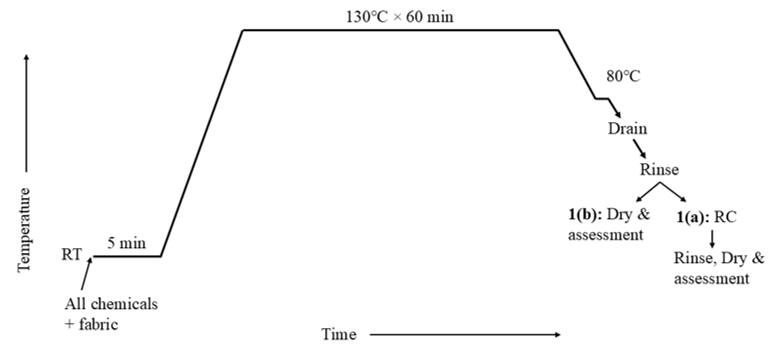
Figure 1 Process diagram used for the one-bath one-step process.
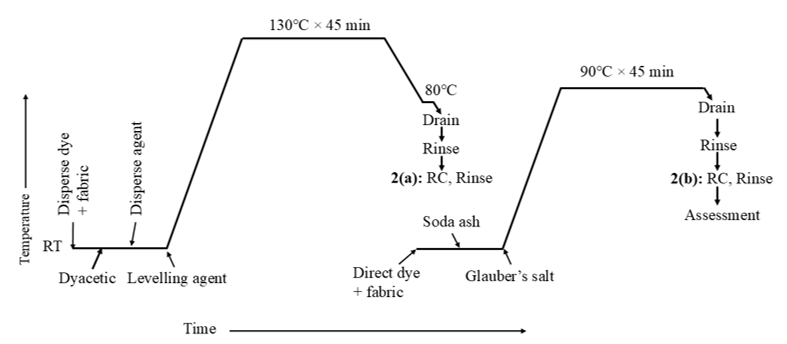
Figure 2 Process diagram used for the two-bath two-step process with RC.
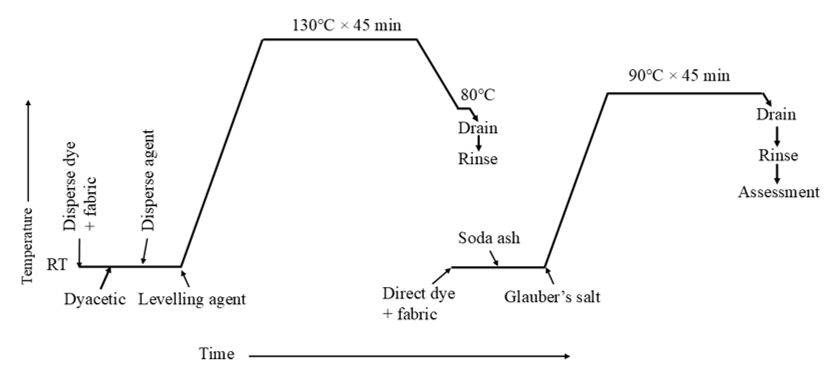
Figure 3 Process diagram used for the two-bath two-step process without RC.
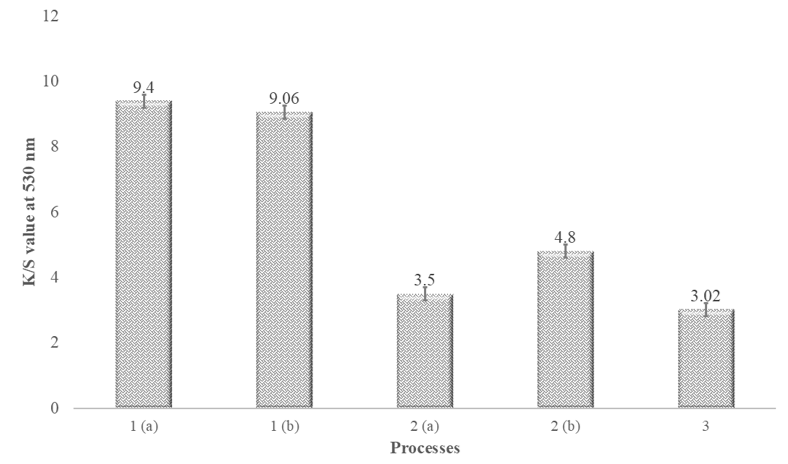
Figure 4 K/S value for different processes.
Colour yield: Datacolor 650 TM Spectrophotometer (Datacolor, USA)S, was used to assess the color strength of the dyed fabric. The Kubelka-Munk equation was used to calculate the color yields (K/S) of the dyed samples via spectral reflection of the colored textile material. The fibers in textiles scatter light after absorbing it through dye, with some rays reflecting at the surface of the colored layer and others refracted and internally reflected. A pulsed xenon lamp was utilized to create a diffuse illumination of D65, and the spectrophotometer was set up with an 8° viewing geometry to capture the sample's reflectance curve between 400 and 700 nm. Each sample was folded twice to provide a four-ply opaque view, and the spectrophotometric value was then automatically calculated. Reflectance quantifies the ratio of light emitted by a substance to the total amount of light striking it, and colorant strength is calculated using reflectance measurements at the maximum wavelength.32
(1)
Where R is the reflectance value of colored fabric, S is the scattering coefficient, and K is the absorption coefficient.
Color fastness: The ISO 105-C06 (C1S) standard was used to assess washing fastness.33 The process involves collecting a sample, conditioning it for 4-6 hours, creating a specimen (10 x 4 cm), sewing it with a multi-fiber fabric, and using a solution of detergent and steel balls, continuing to wash for 30 mins. The specimen is then rinsed, dried, and unstitched. The staining and color change are measured, and a test report is created.
The ISO 105-X12 standard was used to measure rubbing fastness.34 The specimen is conditioned for 4 hours and then rubbed in a wales-wise direction with a rubbing cloth on a rubbing finger for 10 strokes in 10 seconds in the dry state. The fabric is then rubbed with distilled water (wet rub), and the specimen is assessed for staining with a grey scale.
K/S value
The way that dye works on polyester-cotton mixed textiles is different because the two kinds of fibers have distinct physical and chemical qualities. Polyester fibers repel water and have a tightly packed molecular structure.35 This means that disperse dye molecules need high temperatures to spread into the amorphous areas of the polymer matrix. When dyeing, dispersed colors dissolve in the dye bath and move into the fiber by a process called diffusion, which is caused by differences in temperature and concentration.36 Cotton fibers, in contrast, are rich in hydroxyl groups and attract water. Direct dyes interact with cellulose mostly via hydrogen bonds and van der Waals forces between the dye molecules and the cellulose chains.37
The color strength of the dyed samples was measured using a spectrophotometer at the wavelength corresponding to the maximum absorption peak, which occurred at 530 nm on the K/S curve. The color intensity is indicated by the K/S value at this wavelength. Process 1(a), a one-bath, one-step approach with reduction clearing (RC) carried out after dyeing, demonstrated the strongest color among the various dyeing processes examined, with a K/S value of 9.4. The slightly lower K/S ratio of 9.06 for Process 1(b), which used the identical dyeing procedure but skipped the RC phase, indicates that the RC treatment had a negligible impact on color strength in the one-bath approach.
Conversely, the two-bath, two-step dyeing methods produced lower K/S values throughout. The K/S value for Process 2(a), which used RC after polyester dyeing, was 3.5, whereas Process 2(b), which applied RC after cotton dyeing, produced a value of 4.80. The lowest K/S ratio was 3.02 for Process 3, which did not use any RC treatment. Due to improved dye-fiber interaction and lower dye losses during intermediate processes, our results show that the one-bath dyeing method often yields higher color strength than the two-bath method. Furthermore, the ultimate color output is greatly influenced by the application and timing of reduction clearing.
The enhanced color strength shown in the one-bath technique might be due to ongoing dye diffusion and fewer cleaning steps in between. In the traditional two-bath procedure, some of the dye may be removed during bath change and washing. This may lower the effective dye concentration that fibers can take up. The one-bath procedure, on the other hand, keeps the dye concentration steady, which makes it easier for the dye to spread and stick to both polyester and cotton parts.
Overall, the findings show a strong correlation between the color strength that results from the dyeing process, the use of reduction clearing, and the dyeing technique. The one-bath, one-step approach seems to be more effective at creating vivid colors, whereas the two-bath procedures produce lesser color intensity, particularly when well-timed RC is not used.
Colorfastness to wash
Grey scale assessment for shade change: The assessment of shade shift in colored materials following washing is shown in Table 4 using a grayscale grading method. A score of 1 indicates a significant color shift, whereas a score of 5 indicates no discernible color shift. Processes 1(a), 1(b), and 2(a) obtained grayscale ratings of 4–5, which indicate minimal to no color change during washing and imply high dye fixing and wash fastness. Conversely, Processes 2(b) and 3 were rated lower at 4, which indicates a slight shift in color.
|
Grey scale rating |
1 |
1-2 |
2 |
2-3 |
3 |
3-4 |
4 |
4-5 |
5 |
|
Dyeing Process |
|
|
|
|
|
|
2(b), 3 |
1(a), 1(b), 2(a) |
|
Table 4 Grey scale assessment for shade change
The poor performance of process 3 is attributed to the absence of reduction clearing, a crucial step that removes unfixed dye molecules. Without this step, residual dyes adhered to the fabric surface, leading to noticeable shade change after washing. Similarly, because reduction cleaning was skipped after dyeing the polyester component, method 2(b) showed insufficient adhesion of the direct dye to the cotton substrate. As a result, the dye was more likely to wash out, increasing the hue shift.
To increase fastness, it is essential to use suitable post-dyeing procedures, such as reduction clearing, to ensure dye fixing and preserve color integrity after washing.
Grey scale assessment for staining on multi-fiber: The Grey Scale evaluation for staining on different multi-fiber components following various dyeing techniques applied to TC (polyester/cotton) fabric is shown in Table 5. The staining intensity is ranked from 1 to 5, where 1 represents strong staining and 5 represents no staining. The majority of processes produced comparatively high grey scale ratings (4-5), which showed that fibers such as DA, nylon, polyester, acrylic, and wool were not stained very much. However, two processes (2(b) and 3) have much lower scores on cotton, indicating more staining.
|
Multi-fiber DW |
Grey scale rating |
||||||||
|
1 |
1-2 |
2 |
2-3 |
3 |
3-4 |
4 |
4-5 |
5 |
|
|
DA |
1(b) |
3 |
1(a),2(a),2(b) |
||||||
|
Cotton |
2(b),3 |
1(a) ,1(b),2(a) |
|||||||
|
Nylon |
1(b) |
3 |
2(b) |
1(a) ,2(a) |
|||||
|
Polyester |
1(a),1(b),2(a),2(b),3 |
||||||||
|
Acrylic |
1(a),1(b),2(a),2(b),3 |
||||||||
|
Wool |
|
|
|
|
|
|
|
1(a),1(b),2(a),2(b),3 |
|
Table 5 Grey scale assessment for staining on multi-fiber
The dyeing sequence in Process 2(b) includes polyester dyeing, cotton dyeing, and reduction clearing (RC) as the last step. The staining that was seen on cotton indicates that residual dispersed dyes were not effectively removed by using RC following cotton dyeing. Increased staining on the cotton part of the multi-fiber was probably caused by the cotton absorbing or holding onto leftover disperse dye, which prevented the direct dye from fixing on the cotton.
Staining on cotton is once again clearly visible in Process 3, where no RC step was used. This lends support to the theory that RC is essential for eliminating unfixed dispersed dyes following polyester dyeing. Proper RC ensures cleaner results and higher grey scale ratings across all fiber types by preventing dispersed color leftovers from contaminating cotton and other hydrophilic fibers, particularly after polyester dyeing.
Rubbing test
The rubbing fastness ratings for TC cloth dyed with different process setups are displayed in Table 6. Excellent resistance to color loss or transfer is indicated by a dry rubbing fastness of 5, which is constantly present across all operations. This implies that the dye molecules on cotton and polyester components are firmly attached and resistant to being easily removed by friction. On the other hand, performance varies while rubbing in moist circumstances. Strong dye attachment and little color transfer are demonstrated by processes 1(a), 1(b), and 2(a), which all retain a high grade of 5. Effective dye-fiber bonding and appropriate reduction clearing techniques are probably to blame for this.
|
Process |
Rubbing test |
|
|
Dry |
Wet |
|
|
1 (a) |
5 |
5 |
|
1 (b) |
5 |
5 |
|
2 (a) |
5 |
5 |
|
2 (b) |
5 |
4 |
|
3 |
5 |
3 |
Table 6 Rubbing fastness ratings of TC fabric dyed using various processes
Lower wet rubbing ratings are displayed by processes 2(b) and 3, which may be related to the dyeing procedure and reduction clearing (RC) handling. The use of RC following cotton dyeing in Process 2(b) may not eliminate unfixed dispersed dye prior to cotton dyeing, which might impact the direct dye's ability to penetrate and adhere to cotton fibers. Because the residual dispersed colors on the fabric surface prevent direct dye from being absorbed and fixed, particularly on the cotton component, Process 3, which does not use RC, exhibits the poorest wet rubbing fastness. In dual-component textiles like TC, proper RC is essential for the best color fixing and resistance to wet rubbing, particularly after polyester dyeing and before cotton dyeing.
Reduction clearing (RC) effectively removes residual disperse dye from polyester fibers, which is essential for improving fastness properties. Our results show that processes omitting or incorrectly timing RC result in increased staining and lower colorfastness, confirming RC’s critical role in durable and uniform dyeing of TC blends.
Consistency test
The consistency test results from Trial 1 and Trial 2 confirm the reliability and repeatability of dyeing processes. The results of Trial 2 align closely with those of Trial 1, listed in Table 7. The one-bath one-step method with RC showed excellent consistency with a CV% of 0.589%, maintaining the highest color strength across repeated trials. Process 1(b), which omitted the RC step, had a slightly higher but acceptable CV% of 0.767%, indicating minimal impact of RC in the one-bath method.
|
Process |
K/S Value at 530 |
CV% |
|
|
Trial 1 |
Trial 2 |
||
|
1 (a) |
9.4 |
9.29 |
0.59% |
|
1 (b) |
9.06 |
9.2 |
0.77% |
|
2 (a) |
3.5 |
3.49 |
0.14% |
|
2 (b) |
4.8 |
4.61 |
2.02% |
|
3 |
3.02 |
3.18 |
2.58% |
Table 7 Coefficient of variation (CV) between K/S values of two trials
In contrast, the two-bath processes exhibited lower K/S values and slightly higher variability. Process 2(a), with RC applied after polyester dyeing, maintained near-identical results between trials, with an exceptionally low CV% of 0.143%, suggesting good reproducibility despite its lower color strength. Process 2(b), with RC after cotton dyeing, showed a slight drop from 4.80 to 4.61, and a higher CV% of 2.019%, indicating greater variability. Process 3, which involved no RC treatment, had the lowest K/S values in both trials (3.02 and 3.18) and the highest CV% of 2.581%, reinforcing its inefficiency and poor reproducibility. Overall, the Trial 2 results are consistent with the initial findings, demonstrating that one-bath dyeing methods yield not only higher but also more consistent color strength compared to two-bath methods, and that the application and timing of reduction clearing can influence both the performance and consistency of the dyeing outcome.
The dyeing processes 1(a), 1(b), and 2(a) consistently receive the highest grey scale rating of 4-5, indicating excellent color fastness with little to no noticeable shade change after washing, according to the Grey Scale assessment for shade change results of Trial 2 and the prior trial, as depicted in Table 8. This implies that these procedures are reliable and effective in properly transferring the color to the cloth. The grey scale rating for procedure 2(b) varied somewhat, though, with trial 2 receiving a little higher rating of 4, suggesting greater color retention. Better control over temperature, time, or chemical concentrations may have contributed to this little gain by allowing more color to attach or cling to the cloth. With a grey scale rating of 3, procedure 3 stayed constant and showed a greater degree of color shift, demonstrating that reduction clearing was not used in this procedure. Strict process control is crucial because the little variance in procedure 2(b) raises the possibility that operational irregularities or minor procedural changes might affect the quality of dye fixation.
|
Grey scale rating |
1 |
1-2 |
2 |
2-3 |
3 |
3-4 |
4 |
4-5 |
5 |
|
Dyeing Process |
|
|
|
|
|
3 |
2(b) |
1(a), 1(b), 2(a) |
|
Table 8 Grey scale assessment for shade change of trial 2
The staining behavior of trial 2 is listed in Table 9 shows similar staining behavior, particularly for processes 1(a), 1(b), 2(a), and 2(b). However, grey scale ratings do show some slight discrepancies, particularly for cotton, nylon, and DA fibers. These might be the result of different testing settings or differences in process repeatability. The staining of cotton does not change between Process 2(b) and Process 3, indicating that a mistimed reduction clearance leads to more dispersed dye residues on the fabric, which results in staining.
|
Multi-fiber DW |
Grey scale rating |
||||||||
|
1 |
1-2 |
2 |
2-3 |
3 |
3-4 |
4 |
4-5 |
5 |
|
|
DA |
3 |
1(b) |
1(a),2(a), 2(b) |
||||||
|
Cotton |
2(b),3 |
2(a) |
1(a),1(b) |
||||||
|
Nylon |
1(b), 3 |
2(a) |
1(a) ,2(a), 2(b) |
||||||
|
Polyester |
3 |
1(a),1(b),2(a),2(b) |
|||||||
|
Acrylic |
1(a),1(b),2(a),2(b),3 |
||||||||
|
Wool |
|
|
|
|
|
|
|
1(a),1(b),2(a),2(b),3 |
|
Table 9 Grey scale assessment for staining on multi-fiber of trial 2
Compared to trial 1, which received a rating of 3-4, trial 2 exhibits somewhat greater staining in Process 1(b) for DA fiber. Since RC was not used in this procedure, this variance may be the result of insufficient dye dispersion or rinsing. Due to minor variations in the liquor ratio, dye exhaustion rate, or mechanical agitation between the two trials, Trial 2 also returns dual ratings for nylon in Process 1(b), indicating inconsistent washing or dye migration.
With the exception of cotton, the studies demonstrate that Processes 1(a), 2(a), and 2(b) often provide higher grey scale ratings for the majority of fibers. This suggests that RC works well whether added after polyester dyeing or mixed into the dye bath. The significance of process control and repeatability in dyeing trials is highlighted by the possibility that little changes in ratings might be caused by differences in dye bath temperature, dwell duration, or washing efficiency.
Reliability and repeatability of the dyeing procedures are confirmed by the remarkable consistency of the rubbing fastness data from Trial 2 listed in Table 10 and the first trial under both dry and wet circumstances. All procedures routinely received a perfect grade of five under dry rubbing circumstances, demonstrating good dye fixing on the cloth and negligible color transfer from dry friction. The outcomes are largely identical when rubbing in wet circumstances; in both trials, procedures 1(a), 1(b), and 2(a) maintained a high grade of 5.
|
Process |
Rubbing test |
|
|
Dry |
Wet |
|
|
1 (a) |
5 |
5 |
|
1 (b) |
5 |
5 |
|
2 (a) |
5 |
5 |
|
2 (b) |
5 |
4 |
|
3 |
5 |
3 |
Table 10 Rubbing fastness ratings of TC fabric dyed using various processes in Trial 2
The small variations in processes 2(b) and 3 are within a reasonable range of variation, indicating that the reason for the decreased wet fastness in these procedures is probably inadequate or badly timed reduction clearing, which has a negative impact on the bonding of direct dyes to the cotton component. The veracity of the first observations is reinforced by the consistency of outcomes across trials, which also emphasizes how important reduction clearance time is to preserving the best possible wet rubbing fastness in TC cloth dyeing procedures.
Future scope
It is necessary to do additional research in order to verify the efficacy of the one-bath one-step dyeing process with post-dyeing reduction clearing in industrial-scale applications, despite the fact that testing in the laboratory revealed encouraging findings. The optimization of the procedure for various polyester-cotton mix ratios, as well as the utilization of alternative dyes and environmentally acceptable chemicals, should be something that is investigated in subsequent research. Improving the method's scalability, operational issues, and environmental effect, such as the amount of water and energy used and the composition of effluent, can be accomplished by expanding the trials to include pilot or mass production. It is also possible that the sustainability of this method and the industry's adoption of it might be improved by investigating advanced statistical optimization techniques and evaluating dyes that are bio-based or have a low impact.
This research methodically assessed the dyeing efficacy of polyester-cotton (TC) blended fabrics utilizing disperse and direct dyes through one-bath and two-bath techniques. The one-bath, one-step procedure with post-dyeing reduction clearing (RC) achieved the maximum color strength (K/S 9.4) and consistently superior washing and rubbing fastness, surpassing traditional two-bath methods in efficiency and sustainability. The results emphasize that both the presence and the appropriate time of RC are essential for optimal dye fixing and colorfastness, especially in preventing stains and shade alteration on cotton. Omitting or miscalculating RC resulted in diminished color strength and heightened staining, whereas the optimized one-bath approach exhibited strong reproducibility and operational convenience.
The one-bath one-step dyeing technique utilizing RC provides a practical and sustainable alternative to conventional methods, delivering enhanced dyeing efficacy and less resource utilization. Subsequent investigations should concentrate on expanding this method for industrial uses and assessing its efficacy with other fabric blends and dye types to optimize its commercial and ecological advantages.
The authors would like to express their heartfelt gratitude to the Laboratory of the Department of Textile Engineering at Ahsanullah University of Science and Technology (AUST) for providing the essential research facilities. The authors also thank the university for financial support and the collaborating textile industry for providing the necessary materials for this investigation.
Author contributions
"Conceptualization, Mohammad Mahbubul Alam (MMA) And Sonia Hossain (S.H); Methodology, Tamim Bin Rafiq (TBR), Md. Sharif Uddin Sakib (MSUS), A K M Fazlul Nayem Chowdhury (FNC), Sahanur Alam (SA).; Software, Badhon C. Mazumder (BCM); Validation, Mohammad Mahbubul Alam (MMA); Formal Analysis, Badhon C. Mazumder (BCM); Investigation, Tamim Bin Rafiq (TBR), Md. Sharif Uddin Sakib (MSUS), A K M Fazlul Nayem Chowdhury (FNC), Sahanur Alam (SA).; Resources, Mohammad Mahbubul Alam (MMA) And Sonia Hossain (S.H); Data Curation, Badhon C. Mazumder (BCM); Writing— Badhon C. Mazumder (BCM); Writing—Review & Editing, Mohammad Mahbubul Alam (MMA); Visualization, Mohammad Mahbubul Alam (MMA); Supervision, Mohammad Mahbubul Alam (MMA) And Sonia Hossain (S.H); Project Administration, Mohammad Mahbubul Alam (MMA); Funding Acquisition, Mohammad Mahbubul Alam (MMA)”.
Ethics statement
“Not applicable” for studies not involving humans or animals.
Informed consent statement
“Not applicable” for studies not involving humans.
Data availability statement
The original contributions presented in this study are included in the article. Further inquiries can be directed to the corresponding author.
This research received no external funding.
“The authors declare that they have no known competing financial interests or personal relationships that could have appeared to influence the work reported in this paper”.

©2026 Alam, et al. This is an open access article distributed under the terms of the, which permits unrestricted use, distribution, and build upon your work non-commercially.