eISSN: 2572-8474


Research Article Volume 11 Issue 3
 Ebob Bessem,1 Nana C,2 Nsagha DS3
1 Department of Nursing, University of Buea, Cameroon
2 FATSDAM Scientific Research Buea, Cameroon
3Department of Public Health and Hygiene, University of Buea, Cameroon
Correspondence:
Received: September 02, 2025 | Published: September 11, 2025
Citation: Limunga MS, Eta VEA, Bessem E, et al. Prevalence and risk factors of hypertension among type 2 diabetics in three selected hospitals in Fako Division, Cameroon. Nurse Care Open Acces J. 2025;11(3):86-91. DOI: 10.15406/ncoaj.2025.11.00325
Background: Blood pressure is the force exerted by circulating blood against the walls of the major blood vessels in the body. Hypertension (HTN) is the most common cardiovascular disorder affecting about one billion people worldwide today. It is also one of the leading contributor of global burden of disease and mortality. The prevalence of HTN in Diabetes in Cameroon is 31%.
Aim: This study sought to estimate the prevalence of HTN among type 2 diabetics in Fako Division and to determine follow up care by nurses.
Methods: The study employed a retrospective and observational study design to investigate the prevalence and risk factors, and assess follow up care amongst nurses. Purposive sampling technique was used to choose the hospitals with diabetic centers and select the nurses for the study. The hospitals included the Buea and Limbe Regional Hospitals (RHB) (RHL) and the Baptist Hospital Mutengene (BHM) Fako Division, South West Region of Cameroon. All registers for the year 2022 at the diabetic centers were studied. Patients’ information from the registers which met the inclusion criterion were extracted using an extraction sheet and entered into the Epic data spreadsheet for analysis. The participants were observed using an observational checklist. Data was analyzed using SPSS version 21.0, Chi square test was run at 95% confidence level and p-values were gotten (p>0.05 was considered insignificant and p<0.05 was considered statistically significant). Multivariate analysis was done to get critical predictors.
Results: The analysis showed that overall, the prevalence of hypertension amongst diabetics in the RHL, RHB and BHM was above 50% and was highest in Buea Regional Hospital with 78.6%, followed by Limbe Regional Hospital (49.3%) and then Baptist Hospital Mutengene (20.8%). An association done between socio-demographic characteristics of diabetics and those with hypertension, revealed that health facility, weight, sedentary nature of occupation and age were statistically significant with p-values 0.000, 0.000, and 0.000 respectively. Results of Multivariate analysis showed that sedentary nature of occupation and age were critical predictors of hypertension in diabetes. Nurses were found to follow up patients adequately.
Conclusion: This study showed a high prevalence (59.6%) of hypertension (HTN) among type 2 diabetics in the three selected hospitals in Fako Division, the risks factors of HTN among diabetics were sedentary nature of occupation and age. There was adequate follow up care of HTN in diabetics.
Keywords: Diabetes, Fako Division, hypertension, prevalence and risk factors
A patient receiving anti-diabetic medication or having sustained fasting blood sugar levels over 126 mg/dL is considered to have Diabetes. Blood pressure is the force exerted by circulating blood against the walls of the major blood vessels in the body. Hypertension is when blood pressure is too high.1 A chronic medical disease known as hypertension (HTN) causes increased blood pressure. This high blood pressure is the most common cardiovascular disorder affecting about one billion people worldwide today. It is also one of the leading contributor of global burden of disease and mortality.1
Hypertension (HTN) and diabetes are two common non-communicable diseases (NCDs) that affect millions of people worldwide. These diseases are not caused by infectious agents and cannot be transmitted from person to person. They are often chronic and require long-term management and care. Non-communicable diseases (NCDs) are currently the leading cause of death globally, especially in low & middle-income countries (LMICs), where the burden of disease is shifting from infectious diseases to NCDs. This shift poses significant challenges for health systems and policy makers in LMICs, who need to address the prevention, diagnosis, treatment and control of NCDs and their risk factors. Currently, NCDs now account for about 41 million deaths annually, corresponding to nearly 7 in 10 of all deaths worldwide.2
Every year, 15 million people of ages 30–69 years die from these diseases, more than 85% of which are people living in LMICs. Most of the deaths from NCDs are caused by cardiovascular diseases, followed by cancer and respiratory diseases. Non-communicable diseases (NCDs) affect people in all age groups, countries and geographical regions. The prevalence of NCDs such as cardiovascular diseases, cancers, chronic respiratory diseases and diabetes is rising globally. The main drivers of these diseases are unhealthy dietary patterns, sedentary lifestyles and ageing populations. These factors influence the development of metabolic risk factors for NCDs, such as high blood pressure and type 2 diabetes, which increase the risk of morbidity and mortality from NCDs.2
Type 2 diabetes is a condition in which the body either does not produce enough insulin or it resists insulin. Hypertension (HTN), among type 2 diabetics is a leading complication of the global burden of diseases and are found to co-exist. Type 2 diabetes is associated with a high risk of mortality and morbidity due to cardiovascular diseases (CVD) such as HTN.3 Hypertension is a well-known complication in diabetes and diabetes is also a well-known complication of HTN. In underdeveloped nations like Ethiopia, the first-ranked country in Africa for the number of people with diabetes mellitus (DM) patients, HTN raises mortality risks by 7.2 times, with a higher chance of death.4
Eighty percent of diabetic patients die from CVD, especially HTN and stroke. According to a study on DM patients, having HTN increases the risk of death and cardiovascular events by 44% and 41%, respectively, as opposed to 7% and 9% for those with diabetes alone.3 Hyperglycemia, insulin resistance, and dyslipidemia are to blame for the increased prevalence of HTN among diabetics. By damaging the blood vessel wall, promoting vascular inflammation and endothelial cell dysfunction, derangements of numerous cell types including platelets, and promoting coagulation, all these variables contribute to the development and progression of atherosclerosis.
All of them contribute to blood vessel narrowing and an increase in total peripheral vascular resistance, which result in HTN [3].3 Because insulin is known to encourage salt retention and increase sympathetic nervous system activity, Hyperinsulinemia and insulin resistance both contribute to high blood pressure(BP). Additionally, the improper activation of the Renin-Angiotensin-Aldosterone System (RAAS) is linked to insulin resistance.4 Multiple processes that raise blood pressure will become active if RAAS is activated. For instance, Angiotensin 2, which is produced when the RAAS is activated, increases the production of Aldosterone hormone and vasoconstriction in order to cause the kidneys to retain salt and water, which results in HTN.3
Between the year 2000 and 2030 it is predicted that, the prevalence of HTN among diabetics will increase from 171 million to 366 million, with risks factors being Age, ethnicity, genetics and duration of diabetes.4 In Iraqi the prevalence of HTN amongst patients with diabetes mellitus (DM) was at 89.6% with associated factors such as obesity and age, when the Body Mass Index (BMI) is calculated, for those with insulin use and duration of diabetes.5 While Bangladesh also had a prevalence of 67.2% with associated factors being BMI, sedentary lifestyle, age, duration of diabetes, and chronic kidney disease. The predisposing factors of hypertension amongst diabetics are however similar.6 One of the major complications of type 2 diabetes is hypertension (HTN), which affects the majority of diabetic patients in Cameroon. A recent study conducted in Yaoundé at the Etoug-Ebe Baptist Hospital revealed that 86.2% of type 2 diabetics had HTN and that different stages of HTN among diabetics were linked to various risk factors.7 These risk factors can be classified into two categories: modifiable and non-modifiable. Modifiable risk factors are those that can be changed or controlled by lifestyle changes or medication, such as obesity, diet, physical inactivity, stress, smoking, excessive alcohol consumption, and the use of certain drugs.
Non-modifiable risk factors are those that cannot be altered by any intervention, such as gender, age, race and genetic predisposition. Hypertension is a common complication of type 2 diabetes, especially in urban areas of Cameroon. A recent study found that the prevalence of hypertension among type 2 diabetics ranged from 5.7% in rural communities to 47.5% in urban ones, with a national average of 31%. The authors suggested that the increasing trend of hypertension in urban settings might be related to the changes in dietary and lifestyle patterns associated with rapid urbanization and westernization.7
However, there is little information on the prevalence and risk factors of hypertension among type II diabetics in Cameroon7 hence, this study sought to estimate the prevalence of HTN among type 2 diabetics in Fako Division and to determine follow up care.
A retrospective and an observational study was conducted from the 1st January to December, 2022 to estimate the prevalence and identify the risk factors of hypertension amongst type 2 diabetic patients. Both qualitative and quantitative approaches were employed to collect and process data. An Epic data spreadsheet consisting of variables to determine prevalence and risk factors was used. All registers at the diabetic unit for the year 2022 from three selected hospitals in Fako Division were studied. Type 2 diabetic and hypertensive patients’ information were reviewed from the RHL, RHB and BHM using an extraction sheet. Purposive sampling technique was used to choose the hospitals with diabetic centers and select the nurses caring for these patients.
A total of 292 registered patients’ information was studied from the diabetic centers of the RHL, RHB and BHM. Also, a total of 11 nurses were observed from the different hospitals using an observational checklist. Registers were reviewed for socio-demographic characteristics, risk factors and nurses were observed for the follow up care of patients who were type 2 diabetic and hypertensive.
The study was authorized by the Department of Nursing, Faculty of Health Sciences, and University of Buea, Cameroon. Administrative authorization was first obtained from the Regional Delegation of Public Health (No 110/142) and then from the Directors of the various hospitals. Before observing the nurses, we obtained written consent. Data was managed using Epic spreadsheet and the data was analyzed using SPSS version 21.0. Chi square test was run at 95% confidence level and p values were gotten; p>0.05 was considered insignificant and p<0.05 was considered statistically significant. Bivariate analysis was done to get critical predictors. Data was presented using frequency tables and charts.
A total of 292 registered patients’ information was studied from the diabetic centers of the LRH, BRH and BHM and it was found that the LRH had most 43.2% (126) diabetic individuals (Figure 1).
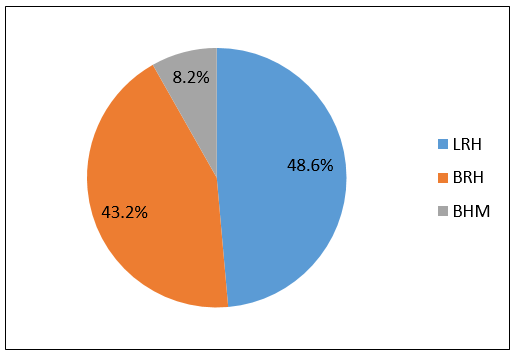
Figure 1 Percentage of diabetic patients in the LRH, BRH and BHM.
The proportion of females was 62.3% (182) and the mode for age distribution was 36-55 years with a proportion of 40.1% (117). Weight was divided into ranges and 46.6% (136) weighed between 61-80 kg. Also, most individuals were from urban areas 47.6% (139), and majority 57.5% (168) had sedentary nature of occupation as shown in Table 1.
|
Characteristics |
N (%) |
|
Gender |
|
|
Male |
110(37.7) |
|
Female |
182(62.3) |
|
Total |
292(100) |
|
Weight(kg) |
|
|
41-60 |
51(17.5) |
|
61-80 |
136(46.6) |
|
81+ |
105(36.0) |
|
Total |
292(100) |
|
Age range in years |
|
|
15-35 |
16(5.5) |
|
36-55 |
117(40.1) |
|
56-65 |
90(30.8) |
|
66+ |
69(23.6) |
|
Total |
292(100) |
|
Type of setting |
|
|
Urban |
139(47.6) |
|
Semi-urban |
88(30.1) |
|
Rural |
65(22.3) |
|
Total |
292(100) |
|
Sedentary nature of occupation |
|
|
Sedentary |
124(42.5) |
|
Not sedentary |
168(57.5) |
|
Total |
292(100) |
Table 1 Socio-demographic characteristics of registered patients in 2022
Prevalence of hypertension among type 2 diabetics
The prevalence of hypertension among type II diabetic patients in the three health facilities in 2022 from January to December was 59.6% (174) as shown in Figure 2.
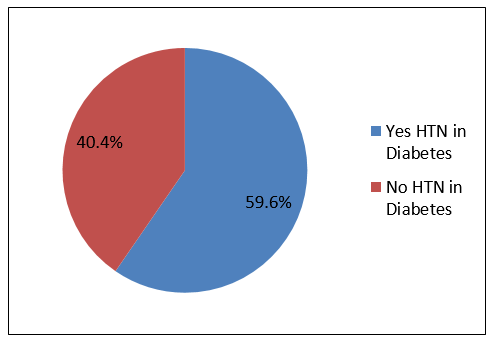
Figure 2 The prevalence of hypertension amongst type II diabetic patients.
A chi square test was run and it was found that there was a significant difference (p=0.000) in the prevalence of HTN in the 3 health facilities. The prevalence of hypertension among type 2 diabetic patients was highest in Buea Regional Hospital 78.6% (99) as seen in Table 2.
|
Health Facility |
Hypertension |
Total (%) |
||
|
Yes n(%) |
No n(%) |
95%CI |
||
|
Buea Regional Hospital |
99(78.6) |
27(21.4) |
70.2-85.1 |
126(100) |
|
Limbe Regional Hospital |
70(49.3) |
72(50.7) |
40.9-57.8 |
142(100) |
|
Baptist Hospital Mutengene |
5(20.8) |
19(79.2) |
7.9-42.7 |
24(100) |
|
Total |
174(59.6) |
118(40.4) |
53.7-65.1 |
292(100) |
Table 2 Prevalence of hypertension amongst type 2 diabetic patients layered by health facilities
χ2-test: χ2=40.072; df=2; P=0.000
Relationship between hypertension and type 2 diabetes
There were 292 patients information that were entered into the extraction form among these, the LRH had a highest percentage of type 2 diabetes 142(48.6%) with 70(23.9%) hypertensive patients as shown on Figure 3.
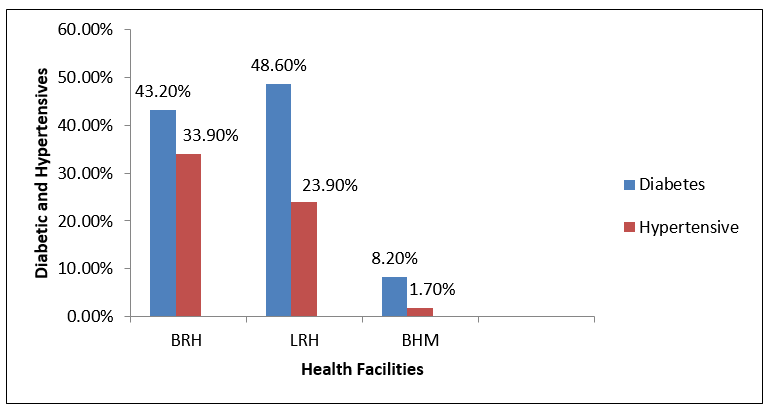
Figure 3 Prevalence of HTN among type 2 diabetics layered by health facility.
In the association between prevalence of hypertension among type 2 diabetic patients and demographic information using the Chi square test, the type of health facility was statistically significant with p=0.000. Sedentary of occupation was statistically significant p=0.000 those whose nature of occupation were Sedentary had a higher prevalence of HTN in diabetes as opposed to those whose nature of occupation was Not Sedentary. This could be attributed to the fact that those whose occupation were sedentary had a low energy expenditure which could easily lead to overweight and obesity which is a major factor of developing HTN among type 2 diabetics. Furthermore the age range of 56-65years had a higher prevalence of HTN in diabetes and age was statistically significant p=0.000, as well as a patient being on anti-hypertensive medications with p=0.000 as seen in Table 3.
|
Demographic predictors |
Categories |
Hypertensive |
N |
Chi-Square test |
||
|
Yes n (%) |
No n(%) |
p values |
||||
|
Health Facility |
Buea Regional Hospital |
99(78.6) |
27(21.4) |
126 |
χ2=40.072 |
|
|
df=2 |
0 |
|||||
|
Limbe Regional Hospital |
70(49.3) |
72(50.7) |
142 |
|||
|
Baptist Hospital Mutengene |
5(20.8) |
19(79.2) |
24 |
|||
|
Weight(kg) |
41-60 |
33(64.7) |
18(35.3) |
51 |
χ2=2.135 |
0.344 |
|
61-80 |
75(55.1) |
61(44.9) |
136 |
df=2 |
||
|
81+ |
66(62.9) |
39(37.1) |
105 |
|||
|
Type of setting |
Urban |
88(63.3) |
51(36.7) |
139 |
χ2=3.810 |
0.149 |
|
Semi-urban |
54(61.4) |
34(38.6) |
88 |
df=2 |
||
|
Rural |
32(49.2) |
33(50.8) |
65 |
|||
|
Sedentary nature of occupation |
Sedentary |
98(79.0) |
26(21.0) |
124 |
χ2=33.835 |
0 |
|
Not sedentary |
76(45.2) |
92(54.8) |
168 |
df=1 |
||
|
Gender |
Male |
63(57.3) |
47(42.7) |
110 |
χ2=0.393 |
0.531 |
|
Female |
111(61.0) |
71(39.0) |
182 |
df=1 |
||
|
Age |
15-35 |
4(25.0) |
12(75.0) |
16 |
χ2=28.708 |
0 |
|
36-55 |
54(46.2) |
63(53.8) |
117 |
df=3 |
||
|
56-65 |
67(74.4) |
23(25.6) |
90 |
|||
|
66+ |
49(71.0) |
20(29.0) |
69 |
|||
|
Is on hypertensive medication |
Yes |
174(99.4) |
1(0.6) |
175 |
||
|
χ2=287.871 |
||||||
|
df=1 |
||||||
|
No |
00(0.0) |
117(100) |
117 |
0 |
||
|
Is on diabetic medication |
Yes |
291 |
χ2=1.480 |
|||
|
174(59.8) |
117(40.2) |
df=1 |
||||
|
No |
00(0.0 |
1(100) |
1 |
0.224 |
||
Table 3 Association between prevalence of hypertension among type 2 diabetic patients and socio-demographic information
Three indicators emerged from the model as significant (p<0.05) predictors of hypertension among type II diabetic patients namely health facilities, occupation and age.
Two were critical, that is health facilities [p=0.011; Odd Ratio=3.985; (Lower Border=1.376; Upper Border=11.546] and occupation [P=0.002; OR=2.690; (LB=1.444; UB=5.013)] as shown on Table 4.
|
Predictors |
B |
S.E. |
Wald |
Df |
Sig. |
Exp(B) |
95% C.I. for EXP(B) |
|
|
Lower |
Upper |
|||||||
|
Health facilities |
1.383 |
0.543 |
6.489 |
1 |
0.011 |
3.985 |
1.376 |
11.546 |
|
Weight |
0.461 |
0.294 |
2.458 |
1 |
0.117 |
1.586 |
0.891 |
2.824 |
|
Type of setting |
0.312 |
0.269 |
1.344 |
1 |
0.246 |
1.366 |
0.806 |
2.313 |
|
Occupation |
0.99 |
0.318 |
9.713 |
1 |
0.002 |
2.69 |
1.444 |
5.013 |
|
Gender |
-0.068 |
0.277 |
0.06 |
1 |
0.806 |
0.934 |
0.543 |
1.608 |
|
Age |
-0.722 |
0.301 |
5.762 |
1 |
0.016 |
0.486 |
0.269 |
0.876 |
Table 4 Critical risk factors of HTN among diabetics
Follow up care of hypertension among type 2 diabetics
Demographic characteristics of nurses
Eleven nurses were observed and it was found that majority 45.4 %( 5) of the nurses were from the BRH. All the nurses were females and the mode for age was 31-40years 45.4% (5). Most 45.4%(5) nurses had attained Higher National Diploma and Majority 63.6%(7) of the nurses had a work experience of 4-6 years as seen on Table 5.
|
Characteristics |
n (%) |
|
Health facility |
|
|
LRH |
2(18) |
|
BRH |
5(45.4) |
|
BHM |
4(36.3) |
|
Total |
11(100) |
|
Sex |
|
|
Female |
11(100) |
|
Male |
0(0.0) |
|
Total |
11(100) |
|
Age in years |
|
|
20-30 |
3(27.3) |
|
31-40 |
5(45.4) |
|
41-50 |
2(18.2) |
|
51-60 |
1(9.1) |
|
Total |
11(100) |
|
Level of education |
|
|
HND |
5(45.4) |
|
SRN |
4(36.3) |
|
BSC |
2(18.2) |
|
Total |
11(100) |
|
Work experience (years) |
|
|
3-Jan |
4(36.3) |
|
6-Apr |
7(63.6) |
|
Total |
11(100) |
Table 5 Socio-demographic characteristics of nurses
A total of 11 nurses were observed to see how they follow up diabetic patients who have been diagnosed with hypertension. Naturalistic observations were done and it was found that in all three health facilities, the blood pressure check was done 11(100%), glycemic level was checked 11(100%), patient appointments were given 11(100%) and patient education was done 11(100%) as presented in Table 6.
|
Variable |
Yes (%) |
No (%) |
Total (%) |
|
BP check |
11 (100) |
0(0) |
11(100) |
|
Glycaemia check |
11(100) |
0(0) |
11(100) |
|
Patient appointment |
11(100) |
0(0) |
11(100) |
|
Patient education |
11(100) |
0(0) |
11(100) |
Table 6 Observational variables for the follow up care
It was observed that for each patient, the doctor then consults the patient for new individuals or do follow up check for old patients. After the consultation of a newly diagnosed, the doctor schedules an appointment. The nurse’s then take the patient’s book, and show them when next they are to visit for their follow up care and this is written in the register. During every diabetic clinic session, patient education is done where the nurses educate patients on lifestyle and diet changes amongst others. Patients are also educated on the complications of hypertension among diabetics and on the importance of adhering to their medications and follow up visits. Patients are urged to buy their glucometers and blood pressure machines so that they can do their routine checks at home after being taught how to do it at the hospitals.
The purpose of this study was to determine the prevalence of HTN among type 2 diabetics from the LRH, BHM and BRH. Data from all registers of the three hospitals in Fako Division for the year 2022 were studied. Data was collected on patient socio-demographic characteristic, diagnosis, and treatments. Also socio-demographic characteristics were collected for nurses. Association between demographic characteristics and socio-demographic data was done. The prevalence of HTN among diabetics was determined and follow up care amongst nurses were observed. The results of this study can help inform policy decisions and improve health care delivery in our Region.
The percentage of females who had type 2 diabetes and hypertension in our study was higher than males. This is similar to a study carried out bu Taheri et al.8 in which women were 1.8 times more likely to get HTN than men. Rabizadeh et al.9 reported that the prevalence of hypertension in women with type 2 diabetes is significantly higher than in men. Also the mode of age distribution was 36-55 years this is contrary to a study carried out in Ethopia were The odds of getting HTN among T2DM patients was higher in the age group of 50–59 years than the age group of <50 years and It was attributed to the vascular changes during aging. As age increases, arterial stiffening and thickening will be triggered by a complex change in each layer of blood vessels.3
More than 50% of the participants with hypertension among type 2 diabetics were from urban areas this is similar to a study by Tharkar et al.10 who had an urban prevalence of 63.2% and the rural prevalence of 36.8%. A sedentary lifestyle and changes in dietary habits following increasing urbanization are the main contributors to the rise of hypertension in urban areas11,12 especially in Africa. Hypertension among type 2 diabetes in our study had a prevalence of 59.6%(174) which was lower than prevalence of previous study in Jordan where almost all the individuals had HTN in type 2 diabetes.13 The high prevalence in Jordan was associated with medical history, socio-demographic data and family history.
There was significant difference in the prevalence of hypertension among diabetes in the different health facilities with BRH having the highest prevalence. The high prevalence in the Regional Hospitals could be attributed to the high intake of patients because of its affordable nature in terms of expenditure. More specialists are found in these Regional Hospitals as opposed to the private hospitals. The higher prevalence in BRH could result from its strategic location and close nature to other towns like Kumba and Muyuka also it has a dialysis center and since there is a direct relationship between diabetes and HTN most diabetic individuals prefer to go to the BRH so if there is need for dialysis it can easily be done.
In this study demographic characteristics were used to find association between HTN and diabetes. The Chi square test was used to check the significant factors and the health facility, age, sedentary nature of occupation were seen to be statistically significant. HTN among diabetes was prevalent in the age group 56-65 years, this finding is in line with that of Akalu3 and co-workers which showed that individuals who were between the ages 50-59 years were more likely to get HTN than those who were less than 50years.14 The reason for these could be attributable to the vascular changes during aging. As age increases, arterial stiffening and thickening will be triggered by a complex change in each layer of blood vessels.15 Aging induced thickening of the intima compromises endothelium integrity and decreases the availability of vasodilators like nitric oxide. Stiffening of the arterial walls disturbs the normal blood flow, creating favorable conditions for calcium and fatty deposits to accumulate on the inside of the arteries to narrow the artery further and cause hypertension.3 The findings in our study are similar to that of Choukem16 in Sub- Saharan Africa where the odds of hypertension in the age groups of 45–55, 55–64 and > = 65 years was 4, 6.5 and 8.1 times that of the age group of 35–44 years, respectively.
The sedentary nature of occupation was statistically significant in our study those whose nature of occupation was sedentary implied they had low energy expenditure levels. These included retired individuals, house wives and office workers. Not sedentary were those whose jobs had high energy expenditure like nurses, teachers, tailors, fishermen and farmers. In our study sedentary nature of occupation had a higher prevalence of HTN among diabetics as opposed to those whose occupation was not sedentary this could be attributed to the fact that a low energy expenditure could lead to overweight and obesity which is a major risk factor of HTN in diabetes
Similar findings were reported by Abdelbagi17 and co-workers were obesity was a significant risk for developing hypertension than those with normal or overweight subjects. Obesity is not only linked to the risk of hypertension, but it can also predict uncontrolled hypertension.
For the follow up care of HTN among type 2 diabetics, all the nurses in the different hospitals were seen to carry out the different aspects of follow up care, such as regular checks of blood pressure. This is similar to a study by William et al who found that regular checks were done in the nursing management of hypertension.18,19 Also, patient education was given, this finding is similar to that of a study by Flood et al where the frequency of follow-up visits, or specific task-sharing processes such as a visit with a diabetes educator, measurement of glycemic level and blood pressure were done.20-22 This is consistent with a study carried out in China where adequate follow up care of patients was done and the level of education of physicians influenced the degree of care received.12 Waleed et al.21 advised on lifestyle changes.
The prevalence of HTN among type 2 diabetics was high and among the three health facilities, it was highest amongst individuals from Buea Regional hospital diabetic center. This high prevalence at Buea was associated with the dialysis unit. The risk factors of HTN among type 2 diabetics are known to be Age and sedentary nature of occupation. However, gender and weight were tested in this study but were not statistically significant. There is adequate follow up care of HTN among type 2 diabetics in the three health areas. The nurses were found to give patients follow up appointments and call them when necessary.
Alcohol consumption, smoking rate, feeding rate, duration of diabetes, activity rate, sedentary nature of occupation, weight, age, level of education were factors tested in other studies but in our study only the weight, age, nature of occupation, activity rate health facility were tested. However if all the factors were tested, it would have affected the prevalence of HTN among type 2 diabetics.
Also, there were incomplete data found in the registers making it impossible to enter all patients’ information from January to December 2022. If data was complete, it might have increased the prevalence of HTN among diabetics.
It is not applicable.
The study was reviewed and received Ethical Clearance from the Institutional Review Board of the Faculty of Health Sciences, University of Buea.
Our gratitude goes to all the participants of this study and the administrative authorities of the Buea and Limbe Regional Hospitals, and Baptist Hospital Mutengene.
Authors have declared that no competing interests exist.

©2025 Limunga, et al. This is an open access article distributed under the terms of the, which permits unrestricted use, distribution, and build upon your work non-commercially.