MOJ
eISSN: 2379-6383


Review Article Volume 14 Issue 3
 Ibeneme Georgian C,3,5 Ogbonna Chigozie A,3 Folaranmi Nkeiruka5
1Department of Clinical Pharmacy and Pharmacy Management, Faculty of Pharmacy,Veritas University, Abuja, Nigeria
2Department of Clinical Pharmacy and Pharmacy Practice, Faculty of Pharmacy, David Umahi Federal University of Health Sciences, Uburu, Nigeria
3International Institute for Pharmaceutical Research and Innovations (IIPRI), David Umahi Federal University of Health Sciences, Uburu, Ebonyi State, Nigeria
4International Institute for Health Policy Research and Translation (IIHPRT), David Umahi Federal University of Health Sciences, Uburu, Ebonyi State, Nigeria
5Faculty of Dentistry, College of Medicine, David Umahi Federal University of Health Sciences, Uburu, Nigeria
Correspondence: Ogbonna BO, Department of Clinical Pharmacy and Pharmacy Practice, Faculty of Pharmacy, David Umahi Federal University of Health Sciences, Uburu, Nigeria, Tel +2348037794206
Received: August 25, 2025 | Published: September 15, 2025
Citation: Theodora OC, Brian OO, Georgian IC, et al. Leveraging peer-network interventions to increase the uptake and continuation of pre-exposure prophylaxis by adolescent girls and young women at high risk of HIV in low and middle-income countries. MOJ Public Health. 2025;14(3):224-227. DOI: 10.15406/mojph.2025.14.00494
Background: Adolescent girls and young women (AGYW) in low- and middle-income countries (LMICs) continue to bear a disproportionate burden of new HIV infections, driven by structural, social, and behavioral vulnerabilities. Although oral pre-exposure prophylaxis (PrEP) is an effective biomedical prevention method, its uptake and continuation among AGYW remain suboptimal. This narrative review explores the effectiveness of peer-network interventions in improving PrEP uptake and continuation among AGYW at high risk of HIV in LMICs.
Methods: A comprehensive search of PubMed, Embase and Google Scholar databases was conducted to identify peer-reviewed articles published between January 2010 and October 2024. Eligible studies involved AGYW aged 15–25, the studies were conducted in LMICs, and evaluated peer-based interventions with outcomes related to PrEP uptake, adherence, or continuation.
Results: Eleven studies which met the inclusion criteria, spanning sub-Saharan African countries were selected from 1003 references. Peer-network strategies ranged from peer outreach and education to adherence clubs and behavior-centered social marketing. Initiation rates ranged from 28.1% to 95%, with significantly higher uptake reported in peer-supported interventions compared to standard approaches. However, continuation rates remained modest (<30%). Peer strategies were found to be acceptable and feasible, especially when integrated into youth-friendly settings, though challenges with sustainability and system integration persist.
Conclusion: Peer-network interventions offer a promising approach to enhance PrEP uptake among AGYW in LMICs. However, sustained continuation will require multi-layered support, digital innovations, and integration into broader adolescent health platforms. Strategic investment in peer-led models could strengthen HIV prevention efforts and reduce incidence in this high-risk population.
Keywords: pre-exposure prophylaxis, HIV prevention, adolescent girls, young women, peer-network interventions, PrEP uptake, low- and middle-income countries, implementation strategies
Globally, adolescent girls and young women (AGYW) between the ages of 15 and 24 face a disproportionately high risk of HIV infection, particularly in sub-Saharan Africa. This vulnerability is influenced by biological, social, structural, and behavioral factors including engagement in sex work or transactional sex, unequal gender power dynamics, and lack of youth-friendly sexual and reproductive health services.1–5 While transactional sex differs from commercial sex work, both increase susceptibility to HIV acquisition due to overlapping risk factors such as inconsistent condom use, multiple sexual partners, and limited negotiating power.3,6–8
PrEP is a scientifically proven biomedical intervention involving the use of daily oral antiretrovirals by individuals at high risk of HIV, offering up to 99% protection when adherence is optimal.9–13 However, real-world implementation has revealed significant gaps in uptake and adherence, especially among AGYW in LMICs. Societal and systemic barriers such as stigma, clinic-level factors, legal restrictions, and fear of identification as high-risk individuals deter young women from initiating and continuing PrEP.14–22 The intersection of adolescent risk behaviors, peer influence, and emerging autonomy adds another layer of complexity in delivering sustained prevention efforts to this population.23–25
Peer-network interventions are gaining recognition as culturally acceptable and potentially scalable strategies to increase PrEP engagement. These approaches harness the power of peer influence, leveraging trust and relatability to bridge information and access gaps.
This narrative review synthesized existing evidence on peer-network interventions aimed at increasing the uptake and continuation of pre-exposure prophylaxis (PrEP) among adolescent girls and young women (AGYW) at high risk of HIV infection in low- and middle-income countries (LMICs). The review primarily draws from studies identified in a comprehensive literature search using structured methodologies to ensure the relevance and comprehensiveness of the evidence included. A systematic search was conducted using three databases: PubMed, Embase, and Google Scholar for studies published between January 2010 and October 2024. This time-frame was chosen to reflect data generated after the:
U.S. Food and Drug Administration (FDA) approved daily oral PrEP in 2012 and to capture insights from the global expansion of PrEP programs. The search strategy included both Medical Subject Headings (MeSH) and free-text keywords such as “PrEP,” “peer support,” “peer network,” “adolescent girls,” “young women,” “HIV prevention,” and “low-income countries. “Inclusion criteria were: (1) studies conducted in LMICs as defined by the WoBank, (2) participants aged 15–25 years, (3) studies evaluating interventions that involved a peer component (e.g., peer educators, peer support groups, peer marketing), and (4) outcomes related to PrEP uptake, continuation, or adherence. Eligible studies comprised randomized controlled trials, observational studies, implementation research, and mixed-methods evaluations. Studies such as commentaries, editorials, and those that did not focus on adolescent girls and young women (AGYW) or did not involve peer-led interventions were excluded.
Key data were extracted from each study, including country, study design, target population, type of intervention, primary outcomes, and implementation outcomes. The review applied Proctor’s Implementation Outcomes Framework to organize the findings, evaluating each intervention across dimensions such as acceptability, adoption, feasibility, penetration, and sustainability. Findings were synthesized thematically, emphasizing patterns, gaps, and lessons relevant to the design and implementation of peer-led or peer-supported PrEP interventions in real-world settings.
Characteristics of included studies
A total of 1003 references were retrieved by the database searches on 13 March 2025, resulting in 405 unique results for the title and abstract screening. Fifty-five of the retrieved references were judged to be appropriate after screening their title/abstract against the eligibility criteria. A total of 11 studies were included in the review after the screening of the full manuscripts against the eligibility criteria (Figure 1 & Table 1).
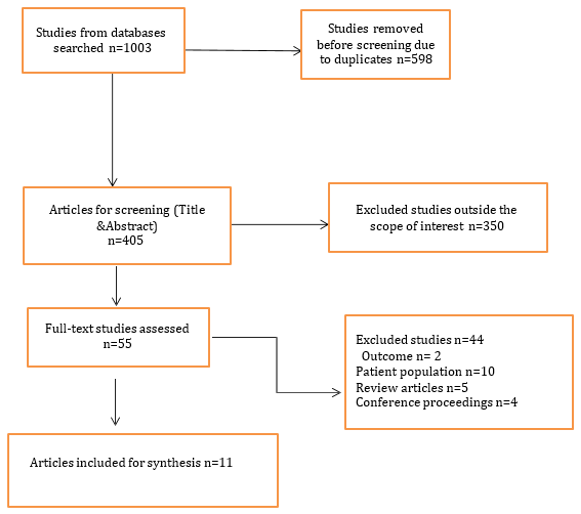
Figure 1 Study articles selection process flowchart.
|
Study / Project |
Country |
Design |
Target population |
Intervention |
Key findings |
Implementation outcomes |
|
HPTN 082 |
South Africa, Zimbabwe |
RCT + Qualitative |
AGYW 16–25 yrs |
SMS + Peer Clubs + Feedback |
95% initiation; ~20% continuation |
High adoption; Low sustainability |
|
POWER |
Kenya, South Africa |
Cohort + Qualitative |
AGYW 16–25 yrs |
Youth- friendly clinics |
94% initiation; 20% continuation |
High adoption; Feasible; Low penetration |
|
DREAMS |
Zimbabwe |
Non- randomized |
Young women who sell sex |
Peer outreach + support |
28.1% vs 0.6% uptake (intervention vs control) |
High adoption |
|
DREAMS (SA) Chimbindi,31 |
South Africa |
Mixed- methods |
Young women who sell sex |
Hospital + Peer outreach |
0% uptake; awareness ↑ 2% → 9% |
Low adoption; awareness improved |
|
MPYA |
Kenya |
RCT |
AGYW (VOICE score ≥5) |
Daily SMS |
No significant effect on continuation |
Low sustainability |
|
South Africa |
RCT + Mixed |
AGYW sexually active |
Marketing + Incentives |
56% interested; 56% vs. 41% adherence (p=0.067) |
Moderate adoption; borderline sustainability |
Table 1 Evidence-based table of the selected studies
Peer-network interventions and demand creation
Effective demand creation is pivotal in encouraging AGYW to consider and initiate PrEP. In high HIV-incidence settings such as South Africa, peer-driven social marketing has shown promise in increasing awareness and intent. A culturally resonant campaign, which incorporated messages like “PrEP enhances the power you have” and “PrEP protects those you love,” was disseminated via peer influencers and youth social networks.26–27 Following the intervention, over 56% of AGYW expressed a definitive interest in initiating PrEP, highlighting the potential of targeted communication through trusted peer channels.27 Such demand-generation strategies are grounded in behavior-centered design, where peers act not only as conduits of information but also as social proof that reinforces PrEP as a normative and empowering health choice.27
Peer support for PrEP initiationBeyond generating interest, peer support structures can influence the transition from intent to actual PrEP initiation. In some studies, peer educators embedded within community-based HIV programs identified eligible AGYW and linked them to PrEP services through youth-friendly entry points such as schools, mobile clinics, or adolescent health centers.26–27
Evidence from Zimbabwe demonstrated significantly higher PrEP uptake in sites where peer outreach was integrated into DREAMS programming (28.1% vs. 0.6% in control sites; adjusted OR 63.82, 95% CI 19.78 to 205.90).26 Similarly, peer mobilization within existing social structures improved the identification and referral of AGYW who otherwise might not have accessed prevention services.
Peer Strategies for PrEP continuation and adherence supportWhile uptake is crucial, maintaining adherence to PrEP over time presents an even greater challenge. Peer adherence clubs and digital peer-led support mechanisms have been tested to address this gap.
In the HPTN 082 trial, AGYW was offered standard adherence support plus two-way SMS messaging and the option to join peer-led adherence clubs. Although initiation rates were high (95%), only 20.9% of participants remained on PrEP at six months, with no statistically significant difference between enhanced support and control groups.30 Similarly, in the MPYA trial, SMS reminders alone did not significantly improve continuation rates (27.0% vs. 26.7%; adjusted IR 1.16, 95% CI 0.93 to 1.45).28–29 These findings suggest that peer engagement, while helpful, must be embedded in broader structural and emotional support systems to impact sustained use. Nevertheless, AGYW reported that peer adherence clubs reduced feelings of isolation, enhanced privacy, and mitigated stigma—factors known to influence long-term engagement.22
Peer influence in combination interventionsThe DREAMS initiatives in Zimbabwe and South Africa employed multi-layered strategies that included peer-led services alongside economic empowerment, social protection, and gender- based violence prevention.26,27,31 In South Africa, although no participants initiated PrEP during the evaluation period, awareness increased over time, suggesting a cumulative effect of peer engagement and education.31
Notably, in Zimbabwe, the involvement of young women who sell sex as peer educators contributed significantly to higher PrEP initiation, emphasizing the role of relatable messengers in reaching hidden or stigmatized populations.27
Implementation outcomes and real-world considerationsAssessing peer-network interventions through an implementation science lens reveals insights into their potential for scale-up:
Acceptability: Peer-led interventions are generally well-received, particularly when they mirror the age, gender, and lived experiences of AGYW.32
Adoption: Studies with peer components report initiation rates between 56%–95%, far above national averages in many LMICs.26,28,33
Feasibility: Peer-based delivery was more effective in youth-friendly settings, such as private clinics than in traditional family planning settings.32
Sustainability: Continuation rates remain low, often under 30%, indicating that peer influence must be continuously nurtured and supplemented with system-level support.28,29
Penetration: Integration into routine services remains limited. For example, in some hospital settings, non-study staff viewed PrEP as outside their scope, limiting program reach.32
Challenges and future directionsDespite their promise, peer interventions face several challenges:
Resource intensity: Sustaining trained peer educators and ensuring quality delivery requires consistent investment.
Structural barriers: Legal and policy restrictions around adolescent consent, stigma, and criminalization of sex work continue to undermine peer strategies.
Fragmented service delivery: Without integration into existing health systems, peer programs may remain siloed and unsustainable.
Future directions include: Digital peer models, such as WhatsApp groups or virtual adherence buddies; Peer-facilitated differentiated service delivery, including PrEP delivery through pharmacies and mobile units; Evaluation frameworks that capture cost-effectiveness and real- world fidelity.33–35
Peer-network interventions hold substantial potential to improve PrEP uptake and continuation among AGYW at high risk of HIV in LMICs. When designed with youth-centric principles and embedded in broader structural support, peer strategies can drive demand, foster trust, and support adherence. However, their success depends on integration into sustainable, scalable health systems and consistent evaluation of impact. Future programming should aim at strengthen peer networks as an essential pillar in adolescent HIV prevention
None.
The authors declare there is no conflict of interest.
None.

©2025 Theodora, et al. This is an open access article distributed under the terms of the, which permits unrestricted use, distribution, and build upon your work non-commercially.
