MOJ
eISSN: 2379-6383


Research Article Volume 8 Issue 3
1Institute of Tropical Medicine and Infectious Diseases (ITROMID), Jomo Kenyatta University of Agriculture, Kenya
2Central and Southern African Health Community (ECSA-HC), Tanzania
Correspondence: Esther Ndonga, Institute of Tropical Medicine and Infectious Diseases (ITROMID), Jomo Kenyatta University of Agriculture and Technology (JKUAT), Nairobi, P.O. Box 62000-00202, Kenya
Received: February 02, 2019 | Published: May 13, 2019
Citation: Ndonga EM, Matu MN. Factors affecting uptake of prevention of mother to child transmission of HIV by women attending antenatal clinic in Pumwani Maternity Hospital, Nairobi, Kenya. MOJ Public Health. 2019;8(3):90-96. DOI: 10.15406/mojph.2019.08.00290
Objective
Mother-to-child transmission (MTCT) occurs when a woman with Human Immunodeficiency Virus (HIV) passes the virus to her unborn baby. Many health institutions have initiated programs on Preventions of Mother-to-Child Transmission of HIV (PMTCT), however the uptake of these services is still low. The purpose of the study was to determine factors that contribute to low uptake of PMTCT by women attending antenatal clinic in Pumwani Maternity Hospital, Kenya.
Methods
This was a hospital-based cross sectional study enrolling 161 antenatal (ANC) mothers aged between 18-49years. Data was collected using a semi-structured pre-tested questionnaire. Data was recorded and analyzed for significance at p<0.05 level of significance using Fisher Exact and Chi square for categorical data and logistic regression for comparing PMTCT uptake and independent variables.
Results
The mean age of the participants was 27years (range, 18-39years). Among the women, 85% were married, 91% belonged to a religious group and 99% had attended school. One hundred and thirty six (84%) women had been tested for HIV and 48(35%) of them were HIV-positive. Out of the 48 HIV positive women, 35(73%) had joined PMTCT. Religion was the only socio-cultural factor that was independently associated with PMTCT uptake. Knowledge of HIV and AIDS, MTCT and PMTCT was high among the women.
Conclusion
PMTCT uptake was high with quality of counseling being considered as good. The study encourages religious leader’s participation in PMTCT and preventive activities for HIV transmission.
Mother-to-child transmission (MTCT) occurs when an HIV-positive woman passes the virus to her unborn baby. There is congenital transmission of the virus from mother to child during the last weeks of pregnancy. Transmission may also occur during labour and delivery, and breastfeeding.1 In the absence of any intervention, transmission rate is estimated to be 20-50%. However, when the mother has access to antiretroviral therapy and gives birth by caesarean section, the rate of transmission is reduced to 1-2%. Breastfeeding increases the risk of transmission by 5–20%.2
Over the past few years, considerable efforts have been made to introduce and expand programmes to prevent mother-to-child transmission of HIV. These programmes provide HIV testing and counseling in antenatal (ANC) care settings and serve as a unique entry point for women with HIV to access the services they need in order to improve their own health and prevent transmission of HIV to their infants. Despite these efforts, there has been low uptake of the PMTCT in the prenatal settings.3 Including Pumwani Maternity Hospital which is the largest maternity hospital in East Africa and yet experiencing inadequate PMTCT uptake. This study was to assess the factors affecting the uptake of PMTCT among antenatal women in Pumwani Maternity Hospital, Nairobi Kenya.
Study design and site
A cross-sectional study conducted in Pumwani maternity hospital Nairobi Kenya.
Sampling
This study employed systematic random sampling method to select 161 participants.
Data collection
Semi-structured pre-tested questionnaires were used to collect the data such as quality of counseling, knowledge on HIV and AIDS, MTCT and PMTCT, socio- cultural and socio-economic factors affecting PMTCT uptake.
Data management and analysis
Data was entered, verified and analyzed using SPSS version 17. Associations between cultural factors and uptake of PMTCT were analyzed using Fisher Exact and Chi Square tests for categorical data and Cox and Snell Multinomial logistic regression was used to compare quantitative independent variables such as age and gravidity with PMTCT uptake.
Ethical consideration
The proposal was approved by Pumwani Maternity Hospital Ethics and Research committee and Maseno University, School of Graduate Studies. Each participant was requested to give informed written consent to participate in the study and participation was voluntary.
Demographic characteristics of the study population
A total of 161 ANC women were included in the study to determine proportion of women enrolled in the PMTCT programme. The mean age of the women in the study group was 27(range=18-39) years. A summary of the demographic characteristics is given in Table 1. The study population was predominantly Christian (88%) with the rest being of Muslim religion or persons with no religious affiliation. Most of the women were married (85%) and 80% had attained secondary or post secondary education with few people who never attended school.
|
Individuals n=161 |
Percentage (%) |
Religion |
||
Protestants |
98 |
61 |
Catholics |
44 |
27 |
Muslims |
8 |
5 |
No religious affiliation |
11 |
7 |
Marital status |
||
Married |
137 |
85 |
Not married |
24 |
15 |
Level of education |
||
None |
2 |
1 |
Primary |
30 |
19 |
Secondary |
70 |
43 |
Post-secondary |
59 |
37 |
Table 1 Summary of demographic characteristics
Different demographic characteristics were used to characterize the study population; data is shown in number and percentage of persons in each category
Women enrolled in PMTCT
Among the 161 women in this study, majority 136(84%) had been tested for HIV. Majority of women (>50%) were self motivated to get tested for HIV in order to plan for their future or due to engagement in risky sexual behaviour in the past. Other women who were tested for HIV had their decision influenced by various factors including antenatal clinic (ANC) requirements, due to illness and wedding. Among the women who were tested for HIV, 48(35.5%) were positive while the rest were HIV-negative.
Among the 88 HIV-negative women, 48.9% were tested to help them plan for their future while 31.8% were tested as part of ANC requirements. Women who indicated that they were tested in order to plan for future were significantly more than women who gave other reasons in both HIV positive and negative groups (X2=15.309, df = 7, P=0.0322; Table 2).
Reasons for testing |
HIV positive n=48(35.3%) |
HIV negative n=88(64.7%) |
Total n=136(100%) |
Plan for future |
27(56.3) |
43(48.9) |
70(51.5) |
ANC requirements |
7(14.6) |
28(31.8) |
35(25.7) |
Previous sexual risky behaviour |
2(4.2) |
7(8.0) |
9(6.6) |
Sick |
4(8.3) |
3(3.4) |
7(5.1) |
Wedding |
6 (12.5) |
1(1.1) |
7(5.1) |
Blood donation |
1(2.1) |
3(3.4) |
4(3.0) |
Asked by spouse |
0 |
2(2.3) |
2(1.5) |
Decline to answer |
1(2.1) |
1(1.1) |
2(1.5) |
Table 2 Reasons that motivated ANC women to test for HIV
Chi square test was used to test for the statistical differences in the reasons given by the women motivating them to be tested for HIV. There was a significant difference in the number of women who gave various reasons between the HIV positive and negative women(X2=15.309, df = 7, p=0.0322).
The le the rest weregave reason for self motivation as a reason for taking a HIV test, xual behaviour n Twenty five pregnant women were not tested for HIV. Most participants declined to answer the question why they had not been tested for HIV, of those who answered; the majority (56%) indicated they feared the outcome while few lacked information about HIV and its importance with one indicating that she did not see the usefulness of being tested (Table 3).
Reasons for not testing |
Individuals |
Percentage |
n=25 |
100(%) |
|
Decline to answer |
14 |
56 |
Fear of outcome |
8 |
32 |
Lack of information on HIV testing |
1 |
4 |
No need of testing |
1 |
4 |
Trusted herself |
1 |
4 |
Table 3 Reasons for declining HIV testing by ANC women
The data is shown in number and percentage. Most of the participants who were not tested for HIV failed to give reasons why they had not been tested category
Women attending antenatal clinic took HIV test from different centers; most were tested at health facilities (hospital, health centre or clinics) or at VCT centers, while some were tested at research institutes.
Socio-cultural and socio-economic factors affecting PMTCT Uptake
Socio-cultural factors: Forty eight of the 136 pregnant women who had been tested were HIV-positive. Among them, 35(73%) had joined PMTCT programme while 13(27%) had not. Male partner involvement in PMTCT was assessed to evaluate their influence in women joining PMTCT. Among the women who had joined PMTCT, 26(74%) of their spouses had also been tested as compared to 11(85%) women who had not joined PMTCT. Of those women who had not joined PMTCT, 9(26%) had their spouses tested as compared to 2(15%) of the women not in the PMTCT programme. There was no significant association between being tested together with the spouse and being in the PMTCT programme (Fisher Exact test; P=0.38, Odds Ratio =0.5253; 95% Confidence Interval: 0.09721-2.838 using the approximation of Woolf; (Figure 1).
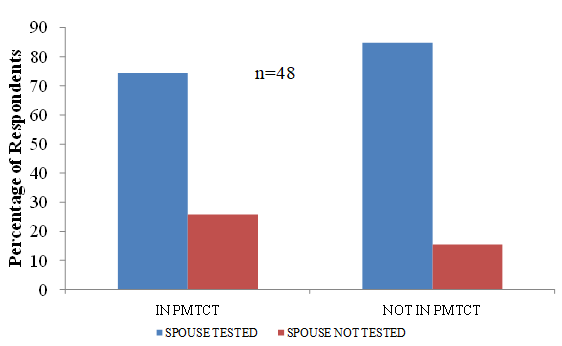
Figure 1 Association between Women joining the PMTCT Programme and being tested for HIV together with their Spouses.
Fisher exact test was used to test for significant difference in joining PMTCT by women whose spouses had been tested for HIV or those who had not been tested. This test was selected because in this was discrete data summarized in a 2x2 table i.e In PMTCT or Not in PMTCT against spouse tested or spouse not tested and one value was less than 5 (2 women had not joined PMTCT and their spouses had not been tested; (p=0.38; OR=0.5; 95%CI=0.097-2.82).
Age was evaluated to test whether it affected PMTCT uptake. Out of 35 HIV-positive pregnant women who had joined the PMTCT programme, majority (37.1%) were aged between 26-30 years, few women (5.7%) were over the age of 35 years. All women aged 30 years and above had joined PMTCT, however the association between age and number of women who joined PMTCT was not statistically significant (Chi square test; P =0.12; Cox and Snell Multinomial logic regression; R2=0.282; (Table 4). Of the 41 married women with HIV, majority (88.6%) had joined PMTCT compared to others who were single and widowed. There was no statistical significant difference between PMTCT uptake and marital status (Chi square test; P=0.35; (Table 4). Gravidity was assessed against PMTCT uptake among the HIV positive women. Although, majority of the women 48.6% were primigravida, there was no association between gravidity and uptake of PMTCT (Chi square test; P=0.44; Cox and Snell Multinomial logic regression; R2=0.334, Table 4). Religion was evaluated to identify if there is any association with the HIV status and PMTCT uptake. It was found that majority, 18(51.4%) of the HIV-positive women who joined PMTCT were protestants while the rest were Catholics and Muslims. None of the women with no religious affiliations joined PMTCT. There was significant difference between uptake of PMTCT and religion (Chi square test; P=0.01; (Table 4).
|
No. (%) of Women |
|||
Did not join PMTCT |
Joined PMTCT |
Total n (%) |
p |
|
n=13 |
n=35 |
n=48 |
|
|
Age (years) |
||||
<20 |
1(33.3) |
2(66.7) |
3(6.3) |
0.12 |
20-25 |
4(40) |
6(60) |
10(20.8) |
|
26-30 |
8(38.1) |
13(61.9) |
21(43.8) |
|
31-35 |
0 |
12(100) |
12(25) |
|
>35 |
0 |
2(100) |
2(4.2) |
|
Marital status |
||||
Married |
10(24.4) |
31(75.6) |
41(85.4) |
0.35 |
Single |
3(50) |
3(50) |
6(12.5) |
|
Widowed |
0 |
1(100) |
1 (2.1) |
|
Gravidity |
||||
1 |
9(43.6) |
17(65.4) |
26 (54.2) |
0.44 |
2-3 |
4(23.5) |
13(76.5) |
17(35.4) |
|
4-5 |
0 |
4(100) |
4(8.3) |
|
>5 |
0 |
1(100) |
1(2.1) |
|
Religion |
||||
Catholic |
1(6.7) |
14(93.3) |
15(31.3) |
0.01 |
Protestant |
10(35.7) |
18(64.3) |
28(58.3) |
|
Muslim |
0 |
3(100) |
3(6.3) |
|
None |
2(100) |
0 |
2(4.2) |
|
Table 4 Associations between Various Socio-cultural Factors and HIV Status and PMTCT Uptake
Chi square test was used to compare the associations between different variable and uptake of PMTCT. Age of the women were stratified to test whether advancement in age influenced uptake of PMTCT (p=0.12); whether being married or not influenced uptake (p=0.35); gravidity (p=0.44) and affiliation to religious groups(p=0.01).
Socio-economic factors: When association of income and PMTCT uptake was assessed, majority (80%) of the HIV-positive women were in low income group. There was no statistical significant association in the PMTCT uptake and the amount of income earned by the respondent’s family (Chi square test; P=0.21; (Table 5). A higher number (45.7%) of the HIV-positive women in secondary school had joined the PMTCT programme as compared to those who had only attained primary education and post secondary school education. There was no association between level of education attained by the respondents and uptake of PMTCT by the HIV-positive ANC women (Chi square test; P=0.49; Table 5). Majority (62.56%) of the women who lived a short distance from the study area had joined PMTCT compared to middle and long distance. There was no significant association between distance where the participants resided and PMTCT uptake (Chi square test; P=0.53; Table 5).
|
No. (%) of Women |
|||
Did not join |
Joined PMTCT |
Total n (%) |
p |
|
n=13 |
n=35 |
n=45 |
||
Education level |
||||
Primary |
2(18.2) |
9(81.8) |
11(22.9) |
0.49 |
Secondary |
5(23.8) |
16(76.2) |
21(43.8) |
|
Post secondary |
6(28.6) |
10(47.6) |
16(33.3) |
|
Income |
||||
Low |
10(26.3) |
28(73.7) |
38(79.2) |
0.21 |
Middle |
3(50) |
3(50) |
6(12.5) |
|
High |
0 |
4(100) |
4(8.3) |
|
Distance |
||||
Short(fare<30) |
8(12.1) |
22(33.3) |
30(62.5) |
0.53 |
Middle(fare - 30-50) |
2(18.20 |
9(81.20 |
11(22.9) |
|
Long(fare>50) |
3(42.9) |
4(57.1) |
7(14.6) |
|
Table 5 Associations between various social-economic factors and HIV status and PMTCT uptake
Chi square test was used to compare the associations between different socio-economic variables and uptake of PMTCT. Income was categorized as indicated in the table above; income was not found to be significantly associated with PMTCT uptake (P=0.21); level of education(P=0.0.49); distance where the respondents resided(P=0.53)
Low income means Mother earning 100$ and below per month.
Middle income earners- earning $101- 300 per moth
High income earners - $301 and above.
Level of knowledge on HIV and AIDS, MTCT and PMTCT among the ANC Women at Pumwani Maternity Hospital
Sources of HIV-related information among the respondents: All the 161(100%) women enrolled had heard about HIV previously. Forty three (26.7%) heard the information on HIV through health workers as whilst 39(24.2%), 37(23%) and 20(12.4%) who had been informed through radio, multiple (combined) sources and television respectively. Other women, heard about HIV through other sources such as church, schools, newspapers and support groups (Figure 2).
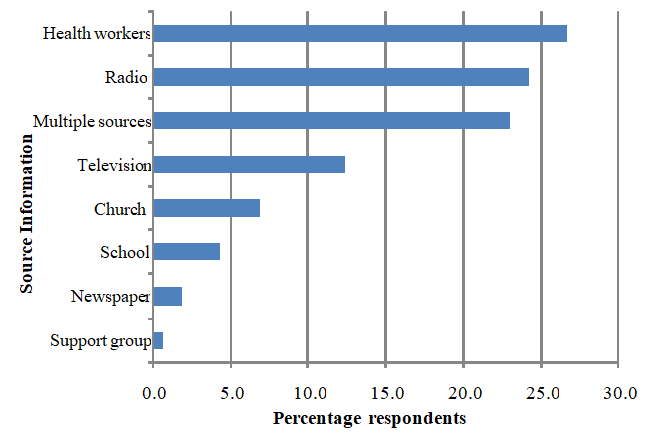
Figure 2 Sources of Information about HIV.
Health workers were reported to be the highest source of information on HIV and PMTCT, radio was also a large source of information. Many people indicated having received information from multiple source including radio, television, health workers and television.
Knowledge of HIV and AIDS, MTCT: The influence of age on the knowledge about HIV transmission and prevention was evaluated among the ANC women. The respondents were found to have a high level of knowledge with more than 93% correctly responding to the following questions; transmission of HIV, HIV prevention measures, methods of transmission of HIV from the mother to her child (MTCT) and prevention of PMTCT. However, when they were asked about how they could identify persons at risk for HIV infection, only 55.9% of the women gave correct responses as compared (Table 6).
Item |
Correct n (%) |
Incorrect n (%) |
Modes of transmission |
156(96.9) |
5(31) |
HIV prevention |
90(55.9) |
71(44.1) |
Identifying people at risk of HIV infection |
150(93.2) |
11(6.8) |
Modes of mother to child transmission of |
156(96.9) |
5(3.1) |
Methods of prevention of mother to child |
152(94.4) |
9(5.6) |
Table 6 Assessment of Knowledge of HIV, MTCT and PMTCT
Knowledge of HIV was assessed by asking the above questions; some respondents gave multiple overlapping responses and therefore the responses were classified into correct and incorrect responses
Quality of counseling
Responses to questions on counseling: The quality of counseling was evaluated on basis of whether the counselor was polite to the participants, had sufficient time with them and whether the information given was useful. One hundred and eighteen (73.3%) women indicated that the counselors were polite while the others disagreed with this view. One hundred and eleven (68.9%) felt that the time spent with the counselor was sufficient while the rest indicated that the time was insufficient. Similarly, 111 (68.9%) of the respondents indicated that the information given was useful while the rest felt otherwise (Figure 3). The rating on the three questions on the politeness of the counselors, time and usefulness of information, was presented as percentage of the respondents rating to each question.
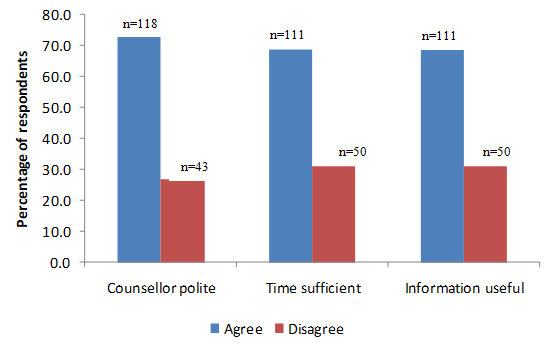
Figure 3 Quality of counseling offered to the respondents.
Effect of quality of counseling on PMTCT uptake
Effect of quality of counseling was assessed by comparing variation in the PMTCT uptake between the women responses to questions on counseling quality. Among the 48 HIV-positive women, 37 (77%) indicated that the counselor was polite, among these, 72.2% had joined PMTCT. Of those who indicated that the not polite and among them, only 25.7% joined PMTCT. There was no statistical difference between those who agreed or disagreed that the counselor was polite and the uptake of PMTCT (Chi square test; P=0.71; Table 7). Thirty five (73%) indicated that time spent with the counselor was sufficient, majority of whom (68.5%) had joined PMTCT. There was no significant difference between those who agreed or disagreed and the uptake of PMTCT (Chi square test; P=0.45; Table 7). Thirty six of the women (75%) agreed that information that was provided by the counselor was useful, out of these, 71.4% had joined PMTCT. Twelve respondents said the information was not useful, and among them 28.5% joined PMTCT, there was no statistical significance between uptake of PMTCT and the feeling about the usefulness of the information provided by the counselors (Chi square test; P=0.57; Table 7).
|
Joined PMTCT |
Did not join PMTCT |
|||
Number (%) |
n=35 |
n=13 |
p |
||
Counselor was polite |
Agree |
37(77) |
26(72.2) |
11(84.6) |
0.71 |
Disagree |
11(23) |
9(25.7) |
2(15.4) |
|
|
Counseling time was sufficient |
Agree |
35(73) |
24(68.5) |
11(84.6) |
0.45 |
Disagree |
13(27) |
11(31.4) |
2(15.4) |
|
|
Information was useful |
Agree |
36(75) |
25(71.4) |
11(84.6) |
0.57 |
Disagree |
12(25) |
10(28.5) |
2(15.4) |
|
|
Table 7 Quality of Counseling and PMTCT
Quality of counseling was analyzed using Chi square test based on the response to the three questions above. The responses were categorized on basis of those who agreed to the above statements and those who did not.
Religion was found to influence PMTCT uptake. Religion in this study was the only social cultural factor that had statistical significance difference with uptake of PMTCT.
Marital status, age, gravidity and male involvement had no statistical significance difference, and therefore did not influence the uptake of PMTCT.
Level of education, cost of transport and income status did not influence uptake of PMTCT. In this study none of the socio-economic factors had statistical significant difference with uptake of PMTCT by ANC women attending Pumwani Maternity Hospital.
There was high knowledge of HIV and AIDS, MTCT and PMTCT among the ANC women; all participants had heard about PMTCT from various sources. Health care workers were the main sources of information on HIV and AIDS.
The quality of counseling given to the women was good as rated by the women themselves. Approximately 70% of participants had opinion that counselors were polite, spent enough time during counseling session and they gave useful information about HIV and AIDS, MTCT and PMTCT.
Our appreciation goes to Pumwani Maternity Hospital administration headed by Hospital Superintendent, Hospital Matron, MCH Matron and other Medical personnel in MCH department and the 161 study participants for their support in collection of data.
This was a self-sponsored study.
Author declares there is no conflict of interest.

©2019 Ndonga, et al. This is an open access article distributed under the terms of the, which permits unrestricted use, distribution, and build upon your work non-commercially.
