Journal of
eISSN: 2373-4426


Research Article Volume 16 Issue 2

Neonatal Unit, Centro Médico ABC-Campus Santa Fe, Mexico
Correspondence: Dr. Diana Mónica García Añorve, Neonatal Unit, Centro Médico ABC-Campus Santa Fe, Mexico, Tel +525548480561
Received: June 03, 2026 | Published: June 18, 2026
Citation: Añorve DMG. The most common neurodevelopmental disorders in neonates discharged from the NICU at 2 years of age. J Pediatr Neonatal Care. 2026;16(2):92-98. DOI: 10.15406/jpnc.2026.16.00626
Introduction: Advances in neonatal intensive care have increased the survival of high-risk newborns; however, a high frequency of neurodevelopmental disorders persists. The objective was to identify the most common neurological disorders and associated factors in newborns discharged from a neonatal intensive care unit (NICU) with follow-up at 24 months of age.
Materials and methods: Observational, cross-sectional, and comparative study. We reviewed medical records of patients treated in the NICU at the Federico Gómez Children’s Hospital of Mexico between 2010 and 2014, with follow-up until 24 months of age. Perinatal characteristics, neonatal comorbidities, and neurodevelopmental disorders in the motor, visual, auditory, and language domains were analyzed. Odds ratios (OR) with 95% confidence intervals were calculated.
Results: A total of 119 patients were included. Neonates with a birth weight <2500 g (64.7%) and late preterm infants (47.1%) predominated. The most frequent comorbidities were sepsis without an isolated pathogen, hyperbilirubinemia, and nosocomial infection. Newborns with a birth weight <1500 g and gestational age <34 weeks had longer hospital stays and required mechanical ventilation and oxygen therapy for longer periods. The most common impairment was language impairment, primarily in the groups with birth weight <1500 g, followed by hearing, motor, and visual impairments. Neonatal sepsis was associated with a higher risk of hearing (OR 4.6; 95% CI 1.63–12.9; p=0.011) and visual impairments. Conventional mechanical ventilation was associated with a higher risk of visual impairment (OR 9.6; 95% CI 1.74–53.3; p=0.017) and language impairment (OR 2.9; 95% CI 1.2–6.9; p=0.047). Intraventricular hemorrhage was associated with impairments in multiple domains of neurodevelopment.
Conclusions: Language impairments were the most common neurodevelopmental sequela at two years of follow-up. Preterm birth, low birth weight, neonatal sepsis, and mechanical ventilation were associated with an increased risk of neurological impairments, highlighting the importance of strategies aimed at preventing infections and reducing prolonged exposure to mechanical ventilation.
Keywords: neurodevelopmental disorders, neonatal intensive care units, prematurity, low birth weight, neonatal sepsis, language development disorders
Advances in neonatal intensive care unit (NICU) management have altered mortality and morbidity patterns among high-risk neonates, with a marked decrease in mortality as a result.1 Mortality rates (which ranged from 74% to 80% in the 1960s) fell to 45% to 50% in the 1970s; however, neurological defects in survivors were more severe in the last decade and were more frequently associated with serious neurological sequelae. In Mexico, one in five disabilities is related to brain damage during the prenatal or perinatal period. Severely ill newborns rarely present with a single disorder to which the cause of the injury or neurological sequela can be directly attributed.2 Several studies document the various impairments observed at the 24-month follow-up of these patients, which may manifest in motor, auditory, visual, or language domains-either in isolation or in combination, ranging from subtle to severe, and in some cases resulting in disability. Consequently, controversy has arisen regarding the management of newborns at the limit of viability (25 weeks’ gestational age) who require costly and long-term treatments. This reminds us that a high survival rate does not mean that a high percentage of survivors are normal.1
The main objective of this study is to describe the neurological status and development of a group of neonates treated in the neonatal intensive care unit (NICU) of this institution over a 2-year period, in order to identify the most common clinical manifestations, comorbidities, and outcomes in our population.
Background
Over the past 25 years, advances in maternal-fetal medicine, neonatology, and developmental research have enabled the survival of preterm newborns <28 weeks’ gestational age and weighing <1000 g who require intensive neonatal care.3 There is controversy regarding the viability of this population and the neurological impairment they present, as 15–46% have an IQ below 70 or a Bayley score below 70, while cognitive and learning deficits are observed in preterm patients with higher birth weights.4 The prevalence of neurological sequelae is very similar across different countries, with cognitive sequelae being the most frequent.4
Known risk factors for a poor neurological prognosis include lower gestational age, male sex, bronchopulmonary dysplasia, brain injury (intraventricular hemorrhage or periventricular leukomalacia), retinopathy of prematurity, and infections during the neonatal period.5–7
Using the Schreiber cohort, Soll, Hintz, and Mestan found that the fewer comorbidities-such as ECN, sepsis, and lung injury-that were present, the lower the reported rates of mortality, chronic lung disease (CLD), severe HIV, and periventricular leukomalacia. In addition, the risk of neurodevelopmental abnormalities in survivors decreased by 53% compared to controls, with a significant impact on cognitive development.3
Neonatal sepsis is responsible for high morbidity and mortality in preterm patients; the Swiss multicenter study by Luregn et al.,8 demonstrates that sepsis significantly contributes to neurodevelopmental impairment in extremely preterm patients, independent of other associated factors; therefore, it is crucial to have strategies that help reduce the incidence of sepsis and, consequently, further compromise of this vulnerable population.
In the case of bronchopulmonary dysplasia, little research has been conducted regarding long-term neurological prognosis, which is influenced by lung disease, days on mechanical ventilation, or inhaled oxygen therapy. Mechanical ventilation acts as an aggravating factor for already established lesions. It is known that during mechanical ventilation, effects such as hypoxia or hyperoxia may occur. The main neurological lesions resulting from this cerebral insult are selective cerebral necrosis, parasagittal brain injury, and periventricular leukomalacia, leading to sequelae such as cerebral palsy, epilepsy, speech and language problems, hearing difficulties, and impairments in functions such as attention, memory, and executive functions.
The Denver Scale was first published in 1967 as a tool to detect developmental problems in young children. The Denver Scale allows us to assess clinical risk factors during the first six years of life for those at highest risk, enabling the effective detection of the most subtle early abnormalities to provide timely management.
Despite the large number of studies on the sequelae of perinatal hypoxia, little is said about the importance of early diagnosis and treatment of these sequelae. Typically, parents of affected children seek help only after the child has developed symptoms secondary to the initial event, particularly during the school-age years. Currently, there are few institutional programs focused on the early diagnosis and treatment of these sequelae;9 therefore, it is of great importance to create tools that enable timely detection and, consequently, the implementation of measures that allow affected patients to be assisted in a timely manner in order to safeguard their quality of life.
Problem statement
In Mexico, one in five disabilities is related to brain damage during the prenatal or perinatal period.2 Currently, advances in neonatal care allow a greater number of critically ill newborns to survive; however, the interventions provided to ensure their survival expose them to a higher risk of neurodevelopmental impairments in motor, auditory, visual, or language functions, many of which are disabling.
Research question
What are the most common neurodevelopmental disorders in a newborn at the two-year follow-up?
Rationale
In addition to improving our patients’ survival, it is necessary to understand the main sequelae they experience and their possible causes in order to prevent them and improve follow-up and quality of life. Few studies describe the current short- and medium-term situation of our population; therefore, describing the clinical course, comorbidities, and risk factors is essential for adjusting prevention and treatment strategies.
Objectives
Main objective
To identify neurodevelopmental disorders in newborns treated at the Federico Gómez Children’s Hospital of Mexico (HIMFG) between 2010 and 2014.
Secondary objectives
Hypothesis
Neonates discharged from the NICU are at increased risk of neurodevelopmental abnormalities related to the presence of associated comorbidities.
Methodological design: comparative cross-sectional observational study.
Sample population
Newborns treated at HIMFG between 2010 and 2014.
Inclusion criteria
Patients discharged from the HIMFG NICU between 2010 and 2014.
Exclusion criteria
Statistical analysis plan
Descriptive statistics will be used, including measures of central tendency and dispersion. Risk factors will be calculated using odds ratios with 95% confidence intervals. A p-value will be considered statistically significant if it is less than 0.05. The SPSS 20 for Windows program will be used.
Description of variables
Independent variables
Dependent variables
A total of 119 medical records of newborn patients treated between 2010 and 2014 in the Neonatology Unit of the Federico Gómez Children’s Hospital in Mexico were reviewed. These patients were classified into two groups based on birth weight and gestational age; the largest group consisted of low birth weight infants (<2500 g, n=77) and late preterm infants (34–36+6/7 weeks’ gestational age, n=56). Regarding the group classified by birth weight, 17 had a weight <1500 g, comprising the extremely low birth weight group (4 patients) and the very low birth weight group,10 while the remaining 102 patients had a birth weight >1500g, comprising those born with low birth weight,11 normal birth weight,12 and high birth weight.11 Regarding gestational age at birth, 16 patients had a gestational age <34 weeks, of whom 4 were extremely preterm, 12 were early preterm, and 103 had a gestational age >34 weeks, including 56 late preterm and 24 term newborns. In both classifications, there is a predominance of male over female (Figures 1 & 2). Furthermore, it was found that among the predominant pathologies is sepsis without an isolated pathogen, followed by hyperbilirubinemia and nosocomial infection.
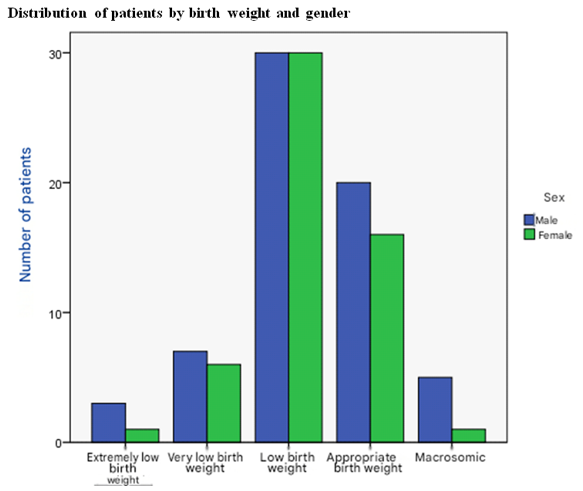
Figure 1 There is a predominance of males in most of the groups analyzed based on birth weight.
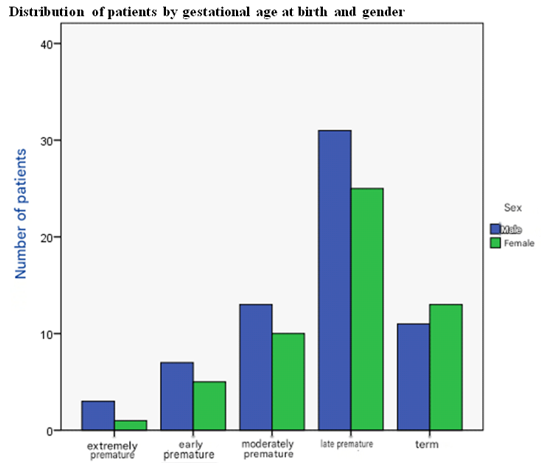
Figure 2 A higher number of male patients is observed in the preterm groups compared to those born at term.
It is observed that in the group corresponding to infants weighing less than 1500 g and with a gestational age of 28 weeks or less, there is a longer duration of hospital stay, conventional mechanical ventilation (39 ± 13 days), supplemental oxygen (81.5 ± 26.3 days), length of stay in the neonatal intensive care unit (65.5 ± 26.4 days), and duration of parenteral nutrition support (10.2 ± 20.5 days) (Tables 1 & 2).
|
Variable |
Extremely at birth |
Very low birth weight |
Low at birth |
Normal birth at birth |
High birth weight |
|
n=4 |
n=13 |
n=60 |
n=36 |
n=6 |
|
|
MOM, mean (SD) |
100 (28.1) |
61 (25.5) |
38.8 (39.5) |
21.5 (15) |
20.6 (13) |
|
Average NICU days (standard deviation) |
65.5 (26.4) |
33.6 (20) |
19.4 (30.3) |
10.3 (10.3) |
11.3 (12.9) |
|
VMC Day, average (std dev) |
39 (13.3) |
15 (16.2) |
9.9 (27.7) |
2.5 (3.9) |
1.8 (4.4) |
|
NPT days, average (std dev) |
10.2 (20.5) |
19 (14.9) |
11.9 (16) |
7.3 (9.8) |
7.5 (12.3) |
|
Days O2, average (standard deviation) |
81.5 (26.3) |
35.7 (31.8) |
18.1 (35.7) |
4.8 (6.3) |
4.5 (8.4) |
|
Grade I-II intraventricular hemorrhage, n (%) |
3 (75) |
4 (30.8) |
5 (8.3) |
1 (2.8) |
0 (0) |
|
Grade III-IV intraventricular hemorrhage, n (%) |
0 (0) |
3 (23.1) |
9 (15) |
0 (0) |
0 (0) |
|
Periventricular leukomalacia, n (%) |
1 (25) |
0 (0) |
4 (6.7) |
0 (0) |
0 (0) |
|
Retinopathy of prematurity, n (%) |
1 (25) |
1 (7.7) |
1 (1.7) |
2 (5.6) |
0 (0) |
|
Seizures, n (%) |
0 (0) |
1 (7.7) |
12 (20) |
3 (8.3) |
0 (0) |
|
Conventional mechanical ventilation, n (%) |
4 (100) |
7 (53.8) |
29 (48.3) |
8 (22.2) |
1 (16.7) |
|
Sepsis without isolated pathogen, n (%) |
2 (50) |
6 (46.2) |
32 (53.3) |
12 (33.3) |
4 (66.7) |
|
Neuroinfection with isolated pathogen, n (%) |
0 (0) |
0 (0) |
2 (3.3) |
1 (2.8) |
0 (0) |
|
Nosocomial infection, n (%) |
4 (100) |
3 (23.1) |
2 (3.3) |
3 (8.3) |
2 (33.3) |
|
Hyperbilirubinemia, n (%) |
4 (100) |
10 (76.9) |
29 (48.3) |
12 (33.3) |
4 (66.7) |
|
Necrotizing enterocolitis , IA-IB, n (%) |
1 (25) |
2 (15.4) |
6 (10) |
2 (5.6) |
1 (16.7) |
|
Necrotizing enterocolitis prior to IIA-IIB, n (%) |
1 (25) |
2 (15.4) |
4 (6.7) |
2 (5.6) |
0 (0) |
Table 1 Patients treated in the NICU-HIMFG between 2010 and 2014 by birth weight group and associated comorbidities, n=119
The behavior of the study population is described based on birth weight. HOS: hospital stay (days), NICU: neonatal intensive care unit, NITU: neonatal intermediate care unit, CMV: conventional mechanical ventilation, PN: parenteral nutrition, O2: oxygen, HC: head circumference. * Kruskal-Wallis test
|
Variable |
Preterm extreme |
Preterm early |
Preterm moderate |
Preterm late |
Full-term |
|
n=4 |
n=12 |
n=23 |
n=56 |
n=24 |
|
|
EDD, mean (SD) |
100 (28.1) |
57.9 (27.4) |
42 (30) |
33.7 (38.5) |
19.7 (12.4) |
|
Average NICU days (standard deviation) |
65.5 (26.4) |
38.4 (15.5) |
18.3 (18.1) |
15.7 (30) |
11.5 (12.4) |
|
Daily VMC, average (std dev) |
39 (13.3) |
14.7 (16.2) |
5.2 (5.5) |
9.6 (28.7) |
2.4 (4.6) |
|
NPT days, average (standard deviation) |
10.2 (20.5) |
18.5 (14.9) |
12.7 (15.1) |
10.2 (14.9) |
7.6 (10.3) |
|
O2 days, average (std dev) |
81.2 (26.3) |
33.5 (27.7) |
15.1 (19.4) |
15.9 (37) |
4.6 (6.6) |
|
Grade I-II intraventricular hemorrhage, n (%) |
3 (75) |
4 (33.3) |
3 (13) |
2 (3.6) |
1 (4.2) |
|
Grade III-IV intraventricular hemorrhage, n (%) |
0 (0) |
1 (8.3) |
7 (30.4) |
4 (7.1) |
0 (0) |
|
Periventricular leukomalacia, n (%) |
1 (25) |
0 (0) |
2 (8.7) |
2 (3.6) |
0 (0) |
|
Retinopathy of prematurity, n (%) |
1 (25) |
1 (8.3) |
1 (4.3) |
2 (3.6) |
0 (0) |
|
Seizures, n (%) |
0 (0) |
1 (8.3) |
3 (13) |
11 (19.6) |
4.2 (1) |
|
Conventional mechanical ventilation, n (%) |
4 (100) |
9 (75) |
14 (60.9) |
16 (28.6) |
6 (25) |
|
Sepsis without isolated pathogen, n (%) |
2 (50) |
8 (66.7) |
12 (52.2) |
25 (44.6) |
9 (37.5) |
|
Neuroinfection with isolated pathogen, n (%) |
0 (0) |
0 (0) |
0 (0) |
3 (5.4) |
0 (0) |
|
Nosocomial infection, n (%) |
4 (100) |
1 (8.3) |
2 (8.7) |
4 (7.1) |
3 (12.5) |
|
Hyperbilirubinemia, n (%) |
4 (100) |
7 (58.3) |
15 (65.2) |
26 (46.4) |
7 (29.2) |
|
Necrotizing enterocolitis IA-IB, n (%) |
1 (25) |
2 (16.7) |
4 (17.4) |
3 (5.4) |
2 (8.3) |
|
Necrotizing enterocolitis IIA-IIB, n (%) |
1 (25) |
2 (16.7) |
2 (8.7) |
3 (5.4) |
1 (4.2) |
Table 2 Patients treated in the HIMFG NICU between 2010 and 2014 by gestational age at birth and associated comorbidities, n=119
The behavior of the study population is described based on gestational age. HOS: hospital stay (days), NICU: neonatal intensive care unit, NITU: neonatal intermediate care unit, CMV: conventional mechanical ventilation, PN: parenteral nutrition, O₂: oxygen, HC: head circumference. * Kruskal-Wallis test
Overall, the group with the highest incidence of language impairments was that of infants weighing less than 1500 g at birth (PEBN n=3/4, 75% and PMBPN n=6/13, 46%, respectively); it is noteworthy that those weighing more than 3500 g (n=4/6, 66%) also exhibited impairments at this level in relation to the presence of seizures. This was followed by auditory impairments, which were predominant in the group of early preterm infants (32 to 33 6/7SDG, n=4/12, 33%) and moderate preterm infants (34 to 36 6/7SDG, n=8/23, 35%). Regarding motor impairments, the group of extremely preterm infants with extremely low birth weight was the most affected (n=2/4, 50%), respectively (Tables 3 & 4).
|
Variable |
Lowest at birth |
Very low birth weight |
Low at birth |
Normal birth at birth |
High birth weight |
|
n=4 |
n=13 |
n=60 |
n=36 |
n=6 |
|
|
Language disorder, n (%) |
3 (75) |
6 (46.2) |
9 (15%) |
10 (27.8%) |
4 (66.7) |
|
Hearing impairment, n (%) |
1 (25) |
4 (30.8) |
15 (25) |
8 (22.2) |
1 (16.7) |
|
Visual impairment, n (%) |
1 (25) |
2 (15.4) |
1 (1.7) |
1 (2.8) |
0 (0) |
|
Motor impairment, n (%) |
2 (50) |
1 (7.7) |
3 (5) |
4 (11.1) |
1 (16.7) |
Table 3 Neurodevelopmental impairments by birth weight groups (language, hearing, visual, and motor)
It is observed that in the groups studied by birth weight, the predominant neurological impairment is language-related, followed by hearing impairments.
|
Variable |
Preterm extreme |
Preterm early |
Preterm moderate |
Preterm late |
Full-term |
|
n=4 |
n=12 |
n=23 |
n=56 |
n=24 |
|
|
Language impairment, n (%) |
3 (75) |
3 (25) |
5 (21.7) |
15 (26.8) |
6 (25) |
|
Hearing impairment, n (%) |
1 (25) |
4 (33.3) |
8 (34.8) |
13 (23.2) |
3 (12.5) |
|
Visual impairment, n (%) |
1 (25) |
2 (16.7) |
0 (0) |
1 (20) |
1 (20) |
|
Motor impairment, n (%) |
2 (50) |
1 (8.3) |
0 (0) |
6 (10.7) |
2 (8.3) |
Table 4 Neurodevelopmental impairments by gestational age group (language, auditory, visual, and motor)
It is observed that, in the groups studied by gestational age, the predominant neurological impairment is language-related, followed by hearing impairments.
In the classification by gestational age, a higher risk of hearing and language impairment is observed in the presence of HIV I-II (OR 2.5 (0.35–18.6; p=0.559), OR 5.1 (0.83–31.5; p=0.111), respectively), with the <34 weeks’ gestational age group being the most affected (n=3/16, 20%) as well as visual impairment in the group with IIA-IIB enterocolitis OR 9.65 (1.74–53.3; p=0.333), sepsis without isolated pathogen OR 4.6 (0.31–12.9; p=0.328), and with conventional mechanical ventilation OR 9.6 (1.74–53.3; p=0.017). Meanwhile, the group with sepsis without an isolated pathogen also conferred an OR of 4.6 (1.63–12.9; p=0.011) for hearing impairment (Tables 5 & 6).
Regarding the correlation between birth weight groups and associated central nervous system comorbidities, there is a higher risk of hearing impairment in presence of intraventricular hemorrhage (IVH) grade I-II OR 2.57 (95% CI 0.35–18; p = 0.559), IVH grade III–IV OR 6 (95% CI 0.8–44; p = 0.127), visual impairment IVH grade III–IV OR 6 (95% CI 0.8–44; p = 0.375), language impairment with IH grade I–II OR 5.1 (0.8–32; p = 0.29), motor impairment with IH grade I–II OR 2.57 (95% CI 0.35–18; p = 0.559). In the presence of seizures, there is an increased risk of hearing impairment OR 3 (1.4–6.1; p=0.375), language impairment OR 3.7 (1.6–8.6; p=0.313), and motor impairment OR 15 (2.2–99; p=0.125). Meanwhile, among those with hyperbilirubinemia, greater visual impairment was observed (OR 4.8; 0.8–26; p=0.081) and language impairment (OR 2.14; 1.1–4.1; p=0.53). Furthermore, an increased risk of visual impairment was found in the group with sepsis without an isolated pathogen, as well as language impairment OR 6 (0.4–86; p=0.268) in the group on conventional mechanical ventilation OR 2.14 (1.2–6.9; p=0.047) (Tables 7 & 8).
A cross-sectional cohort was analyzed for the period 2010–2014, comprising a total of 119 patients under 28 days of age who were treated in the neonatal intensive care unit and followed up at two years of age in the outpatient clinic to describe the most common neurological impairments (visual, auditory, motor, or language impairments) most frequently observed. It was found that the predominant impairment in both the group weighing less than 1500 g and the group with a gestational age of less than 34 weeks was language-related, followed by auditory, motor, and visual impairments in descending order. It was also observed that the presence of neonatal sepsis without an isolated pathogen is associated with a higher risk of neurological impairments, primarily visual and auditory, which is consistent with the findings described by Msall et al.,3 who note that a large proportion of patients with sepsis, sepsis and ECN, or meningitis have neurological sequelae at their 5-year follow-up. Luregn et al.,8 describe the association between the presence of sepsis and neurodevelopmental impairment in extremely preterm patients, independent of other associated factors. In their multicenter study of 541 newborns between 2000 and 2007 at 24–27 weeks’ gestational age, 136 (25%) had confirmed sepsis, 169 (31%) had suspected sepsis, and 44% showed no signs of infection. They were subsequently assessed using the Bayley scale and categorized as having mental or psychomotor developmental delay, cerebral palsy, or visual or hearing impairment. This multivariate analysis confirms that confirmed sepsis is an independent risk factor for developing CP and neurodevelopmental impairment.8 Sepsis is associated with a poor neurodevelopmental prognosis due to various mechanisms. First, bacterial products and the cytokine storm during the systemic inflammatory response directly damage the premature infant’s brain and other organs such as the lungs and retina, leading to an increased risk of developing bronchopulmonary dysplasia and/or retinopathy of prematurity. Second, arterial hypotension during sepsis causes cerebral ischemia and reperfusion injury, which is associated with the presence of periventricular or diffuse leukomalacia and varying degrees of hypoxic-ischemic encephalopathy. Third, sepsis is a marker of severity in preterm infants, associated with longer durations of mechanical ventilation and associated infections. Finally, susceptibility to sepsis reflects the biological immaturity of these patients, which in itself leads to greater vulnerability to developing brain injury.8 Furthermore, Vohr et al.,13 describe an association between HIV grades III to IV and male gender with a higher risk of neurological abnormalities at 18 and 22 months of corrected age. In our case, the presence of grade I and II intraventricular hemorrhage was associated with abnormalities in all four areas studied, with language impairment being up to five times more frequent.14–30
Research has sought to establish an association between the number of days on mechanical ventilation and long-term neurological prognosis; however, it has not yet been demonstrated that a longer duration of ventilation leads to a worse prognosis. It should also be noted that the need for mechanical ventilation is often related to the patient’s severity of illness and higher mortality rates. Gaillard et al.,12 found that among patients ventilated for more than 27 days but less than 50 days, 54% of survivors had normal neurological development and 15% had mild impairment, whereas among those ventilated for more than 50 days, only half survived to 3 years, and of these, less than half had normal neurodevelopment. In the results observed in our population, an OR of 9.6 (1.74–53.3; p=0.017) was reported for the presence of visual impairment and 2.9 (1.2–6.9; p=0.047) for language impairment.
The objective of this study is to identify the most frequent neurodevelopmental impairments and their associated risk factors in neonates treated at our institution during the two-year follow-up. We observed that gestational age, birth weight, neonatal sepsis, and the use of mechanical ventilation influence impairments in skill acquisition and neurodevelopment, which is consistent with the findings in the English-language literature. This compels us to strengthen measures to prevent infections and minimize, as much as possible, the duration of mechanical ventilation in these patients.31–35
None.
None.
The author declares that there are no conflicts of interest.

©2026 Añorve. This is an open access article distributed under the terms of the, which permits unrestricted use, distribution, and build upon your work non-commercially.