Journal of
eISSN: 2379-6359


Case Report Volume 17 Issue 2
Correspondence: Dr. Orietta Calcinoni, Department of ENT specialist, Milan, Italy, Tel +3902653952
Received: May 01, 2025 | Published: May 26, 2025
Citation: Calcinoni O. Pharyngolaryngeal mycosis.
The case of a persistent VADS inflammation at first non responding to steroid plus antibiotics treatments is discussed. Repeated non targeted antibiotics may elicit resistance as well as coupling with steroids may favor fungal superinfection, mostly if in predisposed subjects. An impromptu treatment must be thoroughly reconsidered when not fully effective. Accurate multisystemic diagnosis requiring thorough clinical evaluation and appropriate interventions must be planned to seek hidden superinfection sites, before worsening of patient conditions.
Keywords : pharyngeal mycosis - dysgeusia - pseudowintera colorata
A 45-year-old woman presented in October 2024 with a persistent VADS non febbrile inflammation starting after a refrigeration episode in July 2024 and not responding to assumed treatments. She reported progression of significant dysgeusia characterized by recognition of salty flavors, desserts perceived as “unsalty”, doubtful recognition of acidic tastes, complete inability to recognize bitterness. Additionally, the patient experienced both ortho- and retronasal hyposmia, indicating a reduced but not abolished ability to smell. The combination of these symptoms raised concerns about the underlying etiology, which might include infectious or inflammatory processes affecting the olfactory system and taste perception.
Before ENT consulting, in the two months following the beginning of symptoms, the patient underwent multiple courses of antibiotics and steroids prescribed by her GP and other Specialists, “without notable improvement”. In detail she assumed a 6 days azithromycin cycle followed by amoxicillin for two cycles of 10 days each and ciprofloxacin prescribed for 12 days for burning pharyngodynia. Apparently none consideration about a potential resistant infection or a misdiagnosis of the underlying condition.
Prolonged courses of steroids were administered in the same time, but did not provide relief for either the pharyngeal symptoms or the chemosensory disturbances.
Further investigations revealed no significant findings, culture swabs negative and non-significant values of infective parameters (white cells, PCR, VES…). At last the patient decided on her own a referral for ENT specialist evaluation to explore potential underlying causes of her persistent symptoms, to ask if persistent symptoms and lack of improvement despite extensive antibiotic and steroid treatments might suggest a complex underlying issue that may require a multidisciplinary approach for effective management.
Besides culture pharyngeal swabs and blood exames, within the first month of symptoms was performed an esophagogastroduodenoscopy (EGDS) to investigate potential reflux issues, which returned negative results.1 The persistent dysgeusia and hyposmia observed in this patient may suggest a complex interaction between the underlying infection and the pharmacological treatments administered, as drug-induced taste disturbances are well-documented.2 In such cases evaluation by an ENT specialist is crucial to address the multifaceted nature of symptoms and optimize management plan.
The ENT performed videoendoscopy with 0° rigid and flexible optic fibers. The findings from the videoendoscopy revealed significant abnormalities at the inner third of nasal fossae, pharynx, left tonsillar pillar, left part of soft palate, uvula, (Figure 1) epiglottis (Figure 2) but still sparing glottal and tracheal regions.
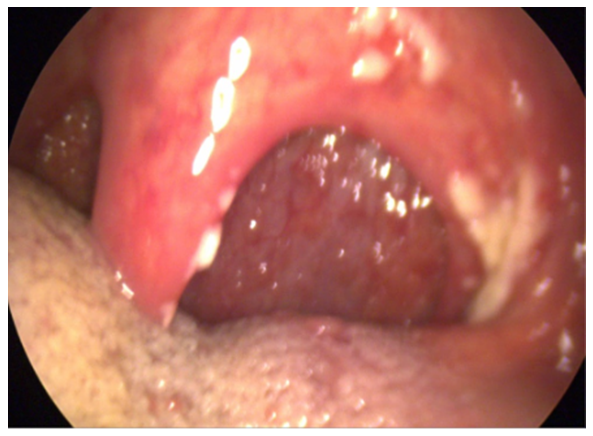
Figure 1 Mycosis involving istmus fauci, from left amygdala till soft palate and uvula.
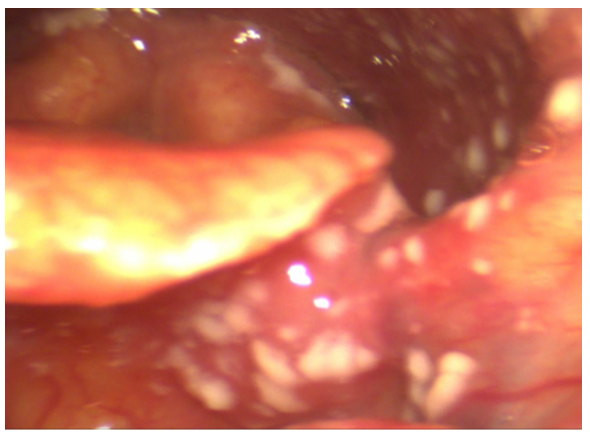
Figure 2 Mycosis involving tongue base, left glossoepiglottic vallecula , epiglottis, hypopharynx.
The patient exhibited signs of inflammation and evident widely spread fungal involvement. Requested, she admitted recurrent genitourinary candidiasis but not known immunodeficiency hints. Following the diagnosis, the patient was started on a regimen of antifungal therapy, specifically targeting the identified micosis, to alleviate her persistent symptoms and promote recovery. The treatment plan involved close monitoring of the patient's response to antifungal therapy and potential adjustments based on her clinical progress. Was prescribed miconazole oral gel, 4 in die, after each meal and before going to sleep plus Polygodial (from Pseudowintera colorata)3 for two weeks and strict stop to steroids. In the meantime sent to the Dentist to sanify her dental prostesis. At the 15th day control fungal deposits disappeared, (Figure 3 & 4) chemosensory symptoms mildly reduced. The same was true at the check-up after a month without other antifungal therapies.4 However, recurrent genitourinary candidiasis reported may suggest a possible connection between the patient's oral symptoms and systemic candidiasis, highlighting the need for comprehensive evaluation and management of recurrent fungal infections.5
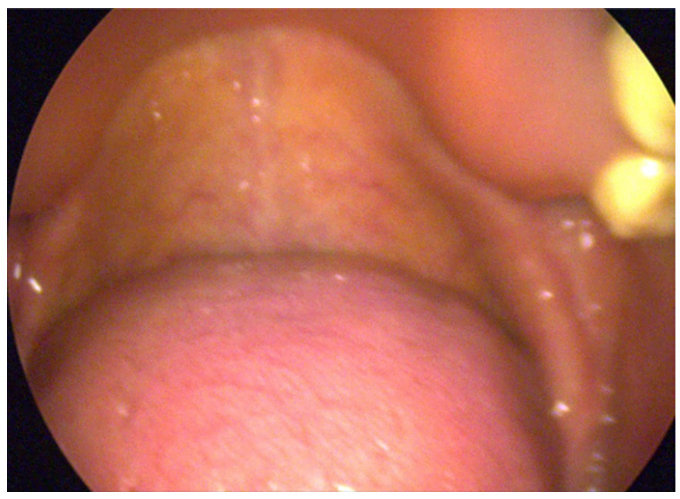
Figure 3 After 2 weeks treatment, no more signs of mycosis in mouth.
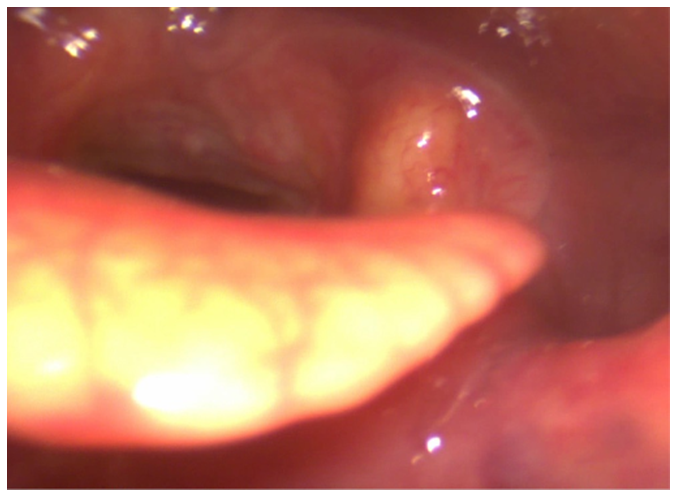
Figure 4 After 2 weeks treatment, no more signs of mycosis in larynx and hypo pharynx.
The combination of dysgeusia and hyposmia, alongside the ineffective response to antibiotics and steroids, raises the suspicion of a pharyngolaryngeal micosis, which may not have been adequately addressed with the initial treatment regimen. After thorough evaluation, should have been evident that the patient's symptoms could be linked to an underlying infectious or non-infectious cause, necessitating further investigation. Repeated cycles of antibiotics and subsequent cycles of cortisone in the absence of benefit probably favored the spread of candida even in a subject without known immune deficits (HIV, white series neoplasms, RT results …). Even if in orthodontic therapy, diet very rich in sugars, increased during the pathology - emollient tablets6 so Patients should be instructed to avoid this behaviors.
This case highlights the complexity of diagnosing pharyngolaryngeal conditions, particularly when traditional treatments fail. A multidisciplinary approach involving otolaryngology and infectious disease specialists may be beneficial for comprehensive management. Further diagnostic testing, including fungal cultures or imaging, may be necessary to confirm the diagnosis and guide treatment. Additionally, the potential link between recurrent genitourinary candidiasis and oral symptoms emphasizes the need for a holistic approach in managing fungal infections and their systemic implications. The case underscores the importance of accurate diagnosis before prescribing many different cycles of antibiotics and timely diagnosis and management of fungal infections, particularly in individuals with possible recurrent candidiasis.
None.
The author declares that there are no conflicts of interest.

©2025 Calcinoni. This is an open access article distributed under the terms of the, which permits unrestricted use, distribution, and build upon your work non-commercially.