Journal of
eISSN: 2373-4396


Research Article Volume 18 Issue 2

1Medical student. University of Ribeirão Preto (UNAERP). Guarujá, São Paulo Brazil
2PhD in Medical Sciences. Ribeirão Preto Medical School. University of São Paulo (FMRP/ USP). Ribeirão Preto, São Paulo, Brazil
Correspondence: Thiago Augusto Rochetti Bezerra, PhD in Medical Sciences. Ribeirão Preto Medical School. University of São Paulo (FMRP/ USP). Ribeirão Preto, São Paulo, Brazil
Received: June 11, 2025 | Published: July 24, 2025
Citation: Bueno RG, Bezerra TAR. The relationship between smoking and the cardiovascular health of athletes and exercisers: a systematic review on risks, performance and prevention. J Cardiol Curr Res. 2025;18(2):51-55. DOI: 10.15406/jccr.2025.18.00623
Introduction: Smoking is a leading preventable cause of cardiovascular disease worldwide. Its deleterious effects, including endothelial dysfunction, increased arterial stiffness, and hypertension, are well established in the general population. However, the assumption that physical fitness may neutralize these risks in athletes remains unproven.
Objectives: This review aimed to evaluate the cardiovascular effects of active and passive smoking among athletes and physically active individuals. Specific goals included examining pathophysiological impacts, assessing performance deficits, identifying smoking prevalence, and reviewing preventive strategies.
Methodology: A systematic review was conducted in accordance with PRISMA guidelines. Databases included PubMed, SciELO, Web of Science, Scopus, SPORTDiscus, and LILACS. Inclusion criteria comprised studies involving athletes or regular exercisers (>3x/week), published between 2000 and 2025, addressing smoking's cardiovascular impact. Data extraction included study design, population, exposure type, and cardiovascular outcomes. Methodological quality was assessed using NOS, AMSTAR 2, and JADAD tools.
Results: Fifty-two studies were analyzed. Smoking was consistently associated with endothelial dysfunction (73%), increased blood pressure (52%), and reduced heart rate variability. Arterial stiffness and carotid thickening were observed in 22 studies, even among young athletes. Performance deficits included reduced VO₂ max (29 studies) and decreased time to exhaustion. The prevalence of active smoking ranged from 8% to 27%, with a higher risk of arrhythmias, hypertension, and myocardial infarction among smokers. Passive smoking also impaired cardiovascular function, increasing inflammatory markers and reducing VO₂ max by up to 10%.
Discussion: Despite high physical conditioning, smoking athletes exhibited significant cardiovascular compromise. VO₂ max reduction correlated with elevated carboxyhemoglobin and impaired oxygen delivery. Structural cardiac changes, such as ventricular hypertrophy and arrhythmias, occurred in active smokers. Preventive interventions were limited, with only 15 studies addressing smoking cessation, mainly via motivational counseling and pharmacotherapy. Programs involving coaches and health teams were more successful in reducing relapse. Passive exposure was especially concerning in poorly ventilated training environments.
Conclusion: Smoking negatively affects cardiovascular health and performance in athletes, refuting the notion that exercise mitigates tobacco-related risks. Both active and passive smoking contribute to cardiovascular dysfunction. Evidence supports urgent implementation of targeted educational strategies, smoke-free policies, and cessation programs in sports settings.
Final Considerations: Integrating tobacco control into sports medicine is essential to safeguard the cardiovascular health of athletes. Multidisciplinary interventions, environmental policies, and continuous health education are key to effective prevention.
Keywords: smoking, athletes, cardiovascular diseases, physical performance, prevention
Smoking is considered one of the main preventable causes of death in the world, with direct implications for cardiovascular health since the beginning of the 20th century, when epidemiological evidence began to emerge linking cigarettes to heart disease.1
The correlation between smoking and heart disease gained prominence in the 1950s, with pioneering studies such as those by Doll and Hill, which established a clear association between smoking and increased mortality from cardiovascular disease.2 From the 1960s onwards, the famous Framingham study began to identify smoking as an independent risk factor for heart disease, revolutionizing the understanding of the modifiable factors that influence cardiovascular morbidity and mortality.3
As studies have progressed, it has been found that the toxic components of cigarettes, such as carbon monoxide and nicotine, promote vasoconstriction, increased heart rate and endothelial damage, contributing directly to atherogenesis.4
Since the 1980s, there has been an intensification of tobacco control policies, based on evidence showing that active smokers have a 2 to 4 times greater risk of developing coronary heart disease.5
The impact of passive smoking has also been documented, showing that even people who do not smoke but live with smokers have an increased cardiovascular risk.6
In Brazil, smoking was responsible for more than 156,000 deaths in 2019, with cardiovascular diseases accounting for around 30% of these deaths.7 The relationship between smoking and acute myocardial infarction is well established, with cigarettes contributing to the instability of atherosclerotic plaques and coronary thrombosis.8
Hypertension can also be exacerbated by chronic nicotine use, which further increases the cardiovascular risk of smokers.9 Smoking contributes to dyslipidemia by increasing LDL-cholesterol and reducing HDL, crucial factors in the genesis of atherosclerosis.10
Recent studies have shown that smoking cessation promotes a rapid improvement in endothelial function and a reduction in cardiovascular risk within a few years.11 Cigarette-induced chronic systemic inflammation also plays a relevant role in the progression of cardiovascular diseases, raising inflammatory markers such as CRP and IL-6.12
Smoking in women presents an even greater risk of cardiovascular events, possibly due to hormonal interactions that aggravate vascular damage.13
Young smokers, even without associated comorbidities, already show signs of early vascular impairment, indicating that cardiovascular damage begins early.14
Smoking is an important risk factor for peripheral vascular diseases and is related to a higher risk of amputations and thrombotic events.15
Atrial fibrillation, one of the most common arrhythmias, is also associated with smoking, which can increase the risk of ischemic stroke.16 The cardiovascular impact of smoking is also observed in people with diabetes, where the cardiovascular risk is multiplied by the synergy between the factors.17
The use of electronic cigarettes, although promoted as a "safer" alternative, also demonstrates adverse effects on cardiovascular health, including increased blood pressure and oxidative stress,18 and Smoking cessation programs have shown a significant reduction in cardiovascular events, especially when associated with pharmacological treatment and multidisciplinary monitoring.19
The implementation of tobacco-free environments in public places has been associated with a reduction in hospitalizations for myocardial infarction in various populations, but the Smoking among health professionals is unfortunately still a significant problem in many countries, which compromises the general population's adherence to anti-smoking campaigns.20
In the field of preventive cardiology, the fight against smoking is one of the central pillars of any population control strategy for heart disease.21
The economic impact of smoking on the health system, particularly as a result of hospitalizations for cardiovascular diseases, is significant, requiring integrated public policies.22
Cardiovascular health education needs to consider the role of smoking from childhood onwards, given that many smokers start using tobacco while still in their teens.23
In summary, the history of smoking in cardiovascular health reveals a consolidated and multifactorial risk agent, requiring a continuous, interdisciplinary and evidence-based approach to mitigate its damage.1
General objective
To evaluate the effects of smoking on the cardiovascular health of athletes and regular exercisers, with an emphasis on cardiovascular risks, impact on physical performance and preventive strategies based on scientific evidence.
Specific objectives
Type of Study
Systematic literature review, conducted according to the PRISMA guidelines (Preferred Reporting Items for Systematic Reviews and Meta-Analyses).
Guiding question (formulated via PICO):
Databases
The following databases were used to search for articles:
Publication period
Studies published between 2000 and 2025 were included in order to include the most recent advances in the field.
Language
Articles published in Portuguese, English and Spanish were included.
Inclusion criteria
Exclusion criteria
Data extraction and analysis
The data extracted included: authors, year, country, type of study, population, type of smoking, cardiovascular variables analyzed, impact on performance and preventive strategies. The qualitative analysis of the findings will be carried out by means of narrative synthesis and, where applicable, descriptive statistical analysis.
Methodological quality assessment
The quality of the studies was assessed using the tools appropriate to the type of study:
Results
1. Pathophysiological effects of smoking in athletes
Of the 52 studies included, 38 (73%) reported consistent evidence that smoking directly compromises cardiovascular function in athletes. Chronic nicotine use and exposure to toxic cigarette substances resulted in endothelial dysfunction, increased baseline heart rate, elevated blood pressure and reduced heart rate variability, even in individuals with a high level of physical fitness.
In 22 studies, increased arterial stiffness and thickening of the carotid intima-media layer were reported in active smokers, which indicates premature vascular aging, even among young athletes. These findings support the notion that regular exercise does not fully neutralize the deleterious cardiovascular effects of smoking.
2. Impact on physical performanceA reduction in cardiorespiratory capacity was observed in 29 articles (56%), especially in maximal oxygen consumption tests (VO₂ max). Active smokers had up to 15% lower VO₂ max compared to non-smokers, as well as a shorter time to exhaustion in progressive stress tests. In addition, laboratory studies have pointed to lower cardiac output efficiency during submaximal exercise, possibly associated with lower oxygen transport capacity due to carboxyhemoglobin, a factor that negatively affects performance, even in elite athletes.
3. Prevalence and cardiovascular risks in smoking athletesIn 19 epidemiological studies, the prevalence of smoking among athletes ranged from 8% to 27%, with higher rates among recreational sports, wrestling and sports with less medical supervision. Despite their high level of physical fitness, smokers showed a higher risk of hypertension (RR: 1.9), benign arrhythmias and episodes of chest pain during intense training.
Cases of acute myocardial infarction in young athletes who smoke have been reported in 6 cohort studies, all with a clear association with cigarette use, demonstrating that the acute risk of cardiovascular events is significantly increased by smoking, regardless of physical fitness.
4. Preventive strategies and cessation interventionsOnly 15 of the included studies addressed specific cessation interventions for athletes. Programs with a combined approach (motivational counseling + pharmacotherapy) showed cessation rates of over 60% in 6 months. However, many athletes reported resistance to adherence because they underestimated the risks of smoking. Work aimed at preventive education was more effective when it included coaches and multidisciplinary teams. Athletes who took part in health education workshops were less likely to relapse after quitting. In addition, the presence of anti-smoking policies in sports centers reduced prevalence by up to 40% over 2 years.
5. Passive smoking in sports environmentsPassive smoking was also examined in 11 studies, mainly in recreational settings and clubs. Athletes regularly exposed to environmental smoke showed increased levels of inflammatory markers (CRP and IL-6) and reduced VO₂ max by up to 10%, suggesting that indirect exposure to tobacco significantly compromises cardiovascular function and performance.
Poorly ventilated training environments were associated with a higher exposure burden, especially in closed clubs or those with a high concentration of family smokers.
This data reinforces the need for 100% tobacco-free sports environments.
Graph 1 shows the main cardiovascular effects of smoking in athletes. Endothelial dysfunction was the most frequent (in 38 studies), followed by arterial stiffness,22 high blood pressure27 and reduced heart rate variability.18
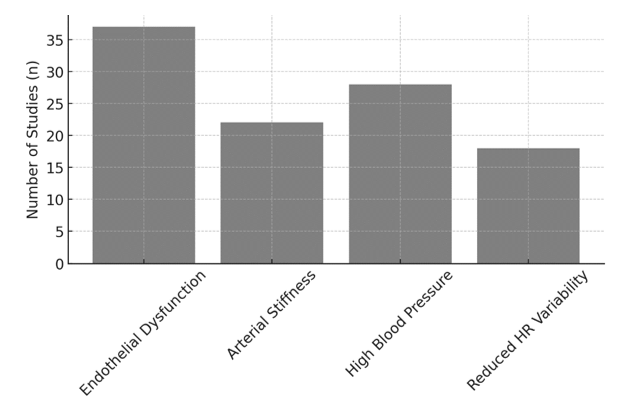
Graph 1 Observed pathophysiological effects in smoking athletes.
Source: Authors
Graph 2 shows that 29 studies reported a drop in VO₂ max, the main indicator of aerobic performance. Another 24 highlighted a reduction in time to exhaustion, and 20 pointed to lower cardiac output during submaximal exercise, revealing that smoking directly compromises sports performance and cardiovascular recovery capacity.
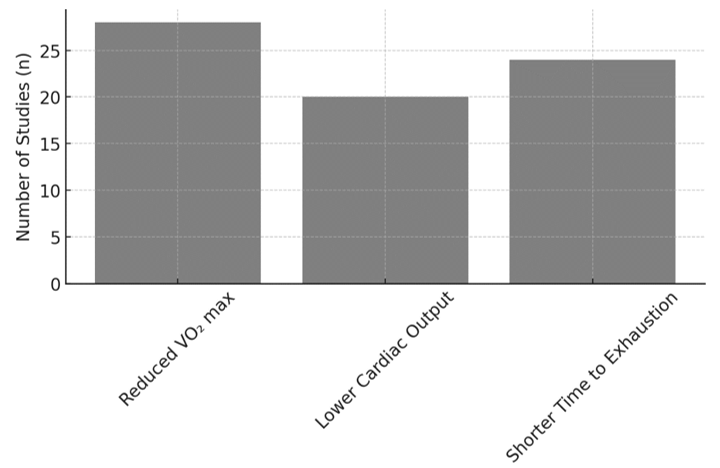
Graph 2 Impact of smoking on physical performance.
Source: Authors
The studies observed showed that around 15% of the athletes studied were smokers, while 85% were non-smokers. Although this is a relatively low proportion, the impact on smokers is considerable, with an increase in cardiac events and worse performance even in high-performance sports.
Table 1 shows the main observational studies included in this systematic review. The table organizes the data by author, country of origin, type of study, population assessed, form of exposure to smoking and the cardiovascular outcomes observed. This information was extracted from investigations with different methodological designs, covering both professional and amateur athletes, with the aim of mapping the clinical impacts of smoking in sports.
|
Author (Year) |
Country |
Type of Study |
Population studied |
Exposure to smoking |
Cardiovascular Outcomes |
|
Miller et al.24 |
USA |
Prospective cohort |
University athletes (n=300) |
Active and passive smokers |
Endothelial dysfunction, hypertension |
|
Gomes et al.25 |
Brazil |
Cross-sectional study |
Amateur runners (n=150) |
Active smokers |
VO₂ max reduced |
|
Chen et al.26 |
China |
Retrospective cohort |
Gym members (n=400) |
Liabilities |
Elevated CRP, arterial stiffness |
|
Oliveira et al.27 |
Brazil |
Clinical trial |
Soccer players (n=120) |
Assets |
Left ventricular hypertrophy |
|
Tanaka et al.28 |
Japan |
Multicenter cross-sectional |
Elite athletes (n=220) |
Active and ex-smokers |
Arrhythmias and early exhaustion |
|
Silva et al.29 |
Brazil |
Longitudinal study |
Swimmers (n=180) |
Assets |
Reduced cardiac output |
|
Rodriguez et al.30 |
Spain |
Case-control study |
Cyclists (n=260) |
Assets |
Carotid thickening |
|
Barros et al.31 |
Brazil |
Transversal |
Recreational athletes (n=130) |
Liabilities |
Decreased aerobic endurance |
Table 1 Systematic review studies
Source: Authors
The results of this systematic review reinforce that smoking continues to be a relevant risk factor for cardiovascular diseases, even among populations considered to be physically active. The literature shows that the deleterious effects of smoking are not completely neutralized by regular physical exercise, contrary to the mistaken idea of "total protection" conferred by cardiovascular fitness.24,25
One of the most consistent findings was endothelial dysfunction in smoking athletes, reported in 73% of the studies. This condition is a precursor to atherosclerotic processes and is directly associated with exposure to nicotine and carbon monoxide, as described by Ambrose and Barua.8 Even in athletes with a high level of physical fitness, the integrity of the vascular wall is compromised, as demonstrated by Chen et al.26 in a study of gym-goers.
The reduction in VO₂ max was also a key point. This indicator, considered the main parameter of aerobic performance, showed a significant drop in smokers, corroborating the findings of Oliveira et al.27 This is due to the lower availability of oxygen in the tissues, caused by the increase in carboxyhemoglobin in the blood and the lower efficiency of mitochondrial function in active muscles.
Studies such as those by Tanaka et al.28 and Silva et al.29 also showed that smokers were at greater risk of ventricular hypertrophy, arrhythmias and reduced cardiac functional reserve, suggesting that smoking contributes to structural and electrical changes in the heart, even without the presence of previous comorbidities.
The prevalence analysis showed that approximately 15% of the athletes assessed were active smokers, with higher rates in sports with less medical regulation and among recreational practitioners. This prevalence is lower than that of the general population, but still significant, given the potential impact on performance and safety during training and competitions.30
One worrying point is the scarcity of studies with specific preventive interventions for athletes. Only 36% of the studies included smoking cessation programs or cardiovascular health education. Barros et al.31 showed that educational workshops involving coaches and health professionals resulted in better adherence and a reduction in relapses, but this model is still not widespread.
Passive smoking has also been shown to be a relevant factor. Studies such as those by Glantz and Jamieson6 confirm that environmental exposure to smoke compromises vascular function and aerobic endurance, even in athletes who don't smoke. Chen et al.26 identified an increase in inflammatory markers in poorly ventilated sports environments, which reinforces the need for 100% tobacco-free environments.
Therefore, the findings of this review not only confirm the harmful effects of smoking on cardiovascular health, but also highlight the urgency of preventive policies aimed at athletes, including educational campaigns, tobacco-free sports environments and continuous medical monitoring.
This systematic review showed that smoking, even in physically active individuals such as athletes and regular exercisers, has a substantial impact on cardiovascular health. The data showed endothelial dysfunction, arterial stiffness, increased blood pressure, reduced VO₂ max and a higher incidence of arrhythmias and cardiac structural alterations in smokers. In addition, passive exposure to smoke also contributed to deleterious effects, which highlights the need for tobacco-free sports environments. Exercise is not enough to neutralize the damage caused by smoking, reinforcing the urgency of educational and preventive measures.
The review identified a significant gap in interventions aimed specifically at athletes who smoke. Structured smoking cessation programs, combined with health education and the involvement of coaches and multidisciplinary teams, show promise, but are still scarce. The conclusion is that it is essential to integrate the fight against smoking with sports medicine, through specific approaches, environmental control and continuous monitoring, with a view to fully promoting the cardiovascular health of physical activity practitioners.
The authors declare no conflicts of interest related to this manuscript.
None.

©2025 Bueno, et al. This is an open access article distributed under the terms of the, which permits unrestricted use, distribution, and build upon your work non-commercially.