Journal of
eISSN: 2572-8466


Review Article Volume 13 Issue 1
1Extended University MS Biotechnology, California State University Channel Islands, USA
2Department of Bioengineering, University of California, Los Angeles (UCLA), USA
Correspondence: Bill Tawil, Department of Bioengineering, UCLA School of Engineering, 420 Westwood Plaza, Room 5121, Engineering V. P.O. Box: 951600, Los Angeles, CA 90095-1600, USA
Received: February 02, 2026 | Published: February 13, 2026
Citation: Sophie H, Bill T. The presence of heavy metals in California water. J Appl Biotechnol Bioeng. 2026;13(1):13-19. DOI: 10.15406/jabb.2026.13.00411
Heavy metals are currently measuring at increasingly high levels in California’s drinking water sources. Multiple factors contribute to these surges of metals including wild fires, old plumbing materials, erosion, mining, along with many others. This paper explores these multiple causes of drinking water contamination in the state, as well as the impact that toxic metals have on the human body. Having access to clean drinking water is a basic human right in the state of California. However, multiple communities within the state do not have access to clean water that is free of heavy metals. This paper discusses the socioeconomic correlations between readily available clean drinking water and rural communities. There is also a clear correlation between contaminated drinking water and communities with high percentages of people of color. The human right to have access to clean drinking water is not fully followed in the state of California because multiple communities depend on personal wells for water. In addition, state government officials do not prioritize maintenance of plumbing lines to ensure certain communities are safe from toxic metals contaminants. This paper discusses the importance of clean drinking water to ensure organ failure and diseases such as cancer stop increasing in number. ICP-MS instrumentation offers a way for scientists to test drinking water metal levels and determine which areas in California suffer from toxic water the most.
Keywords: contamination, toxic, ICP-MS instrumentation, arsenic, lead, chromium
ICP-OES, inductively coupled plasma- optical emission spectroscopy; ICP-MS, inductively coupled plasma- mass spectrometry; EPA, environmental protection agency; USGS, United States geological survey; EWG, environmental working group; CRLA, California rural legal assistance
The level of heavy metals in water is a rising issue that individual states across the country need to deal with because metals are toxic and can lead to many health issues for those who are exposed to them. Metals are present in both drinking water and in faucet water that is used for bathing and everyday life. Instrumentation, such as ICP-OES and ICP-MS, can be used to assess the level of metal content in water samples. The reason toxicity levels have increased so much throughout the years is because heavy metals can leach into drinking water from household plumbing and service lines, mining operations, petroleum refineries, electronics manufacturers, municipal waste disposal, cement plants, and natural mineral deposits.1 They also contaminate private wells through groundwater movement and surface water seepage and run-off.1 The effect of this can be catastrophic on one’s health because high levels of metals in the body can lead to issues such as acute and chronic toxicity, liver, kidney, and intestinal damage, anemia, and cancer.1
Examples of metals in water
Environmental example
Metals can increase in the environment after natural disasters such as wildfires. California suffers from wildfires on a yearly basis with some destroying thousands of acres of land while also demolishing many homes and whole entire communities. After fires burn, vegetation is no longer there and soil composition changes. This means that storms that take place after a wildfire can lead to flooding, erosion, and the spread and ash and pollutants.2 It is important to keep in mind that older homes may have asbestos and paint that can be loaded with metals such as lead and arsenic. Once these homes burn down in a fire, these metals are present in debris and can be pushed into water sources after rainfall. Asbestos can remain airborne for 4 to 80 hours after being disturbed.3 It is extremely dangerous for the human body to be exposed to chemicals and metals present in such materials. It is important to keep in mind that drinking water can get contaminated in the water source itself or the system that delivers it.4 This means that if local water treatment plants are damaged in a fire, then contaminated water can flow right into people’s homes.
Infrastructure example
Metals contamination in water does not only occur after wildfires. There are many sources of metals contamination. In Fresno California, it was reported that 14% of children had high levels of lead in their systems and 25% of schools had lead present in their drinking fountain water.5 Lead can leach into water systems because of corroded old plumbing pipes. This emphasizes the importance of infrastructure being maintained within cities. As seen in Figure 1, a large amount of California’s drinking water infrastructure is in desperate need of replacement.5 Arsenic is another dangerous metal that has also been measured at high levels in drinking water in certain communities within California. Almost one million people are served by water systems within the state that do not pass requirements for safe and clean drinking water.6 Specifically, Latino farm communities are some of the most affected groups of people.6 So, it can be concluded that rural and poorer areas seem to be hit with dirtier water at a higher rate. Toxic metal contaminants are present in areas where infrastructure is not treated with the importance that it should be.
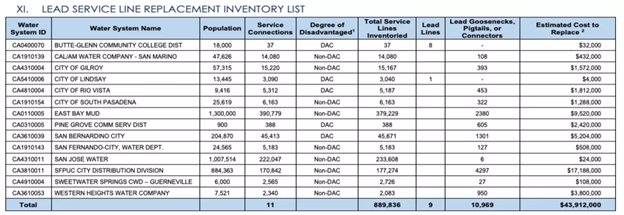
Figure 1 List of water systems in California in need of plumbing replacements.5
The image shows multiple water systems across the state of California that need their plumbing pipes replaced due to corrosion. Corrosion leads to lead contamination in water.
Private wells
In 2012, it was announced by the state of California that the right to clean drinking water is a basic human right.7 This means that community water systems must regularly be tested for metals and other harmful contaminants. It has been concluded that many systems in the state do not pass the guidelines required for safe drinking water, while rural communities get water from private wells that are rarely ever regulated or tested.7 Scientists have been studying levels of arsenic in individual counties in California. The image on the left of Figure 2 shows arsenic levels in drinking water from ground water contamination while the image on the right shows arsenic contamination in both community water systems and private wells.7 Ingesting arsenic is a serious health problem because arsenic has been proven to pose a risk to cancer.8 Lung and urinary bladder cancers show a direct correlation to this metal, highlighting just how dangerous it can be.8
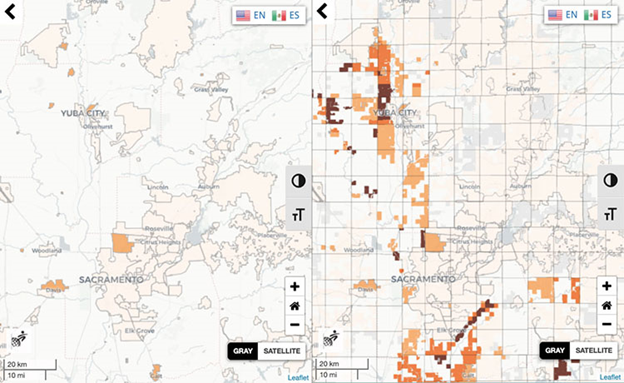
Figure 2 Arsenic levels in ground water & community water systems and wells.7
The image shows a map marking areas with high levels of arsenic. Ground water arsenic contamination is seen on the left while community water systems and private wells suffering from arsenic contamination is seen on the right.
Effected states
The Environmental Working Group uses data collected from across the country to see what areas test high for contaminants such as arsenic and chromium. California, Arizona and Texas are hot spots as some of the worst areas in the country for such dangerous metals.9 Figure 3 shows these three states as testing positive for chromium and arsenic metals as well as nitrate. The EWG wants it to be known that the implementation of reverse osmosis systems or ion exchange could easily solve this contaminant issue.9 It can be inferred that there are many other dangerous metals also present in these areas, outside of the ones that were tested for.
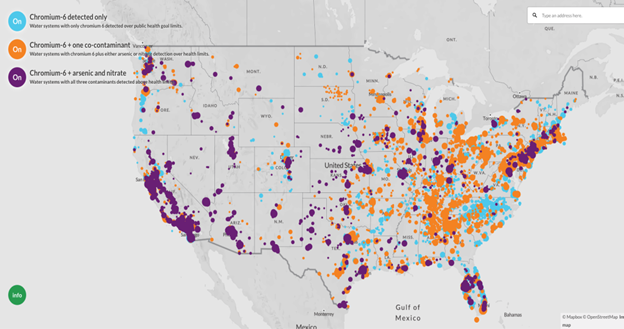
Figure 3 CA, NV and TX water contamination levels.9
The image shows a map of the United States while demonstrating how California, Nevada, and Texas have the highest levels of chromium 6, arsenic and nitrates (seen in purple).
Socioeconomic correlation
Agricultural communities and people of color
Certain areas seem to be more susceptible to dirty water compared to others. Poor quality water- specifically waters with high levels of arsenic and chromium- impact communities of color in California.10 In major agricultural regions within the state, one in ten Californians pay large amounts of money for well water that is actually contaminated with pollutants such as metals.11 Many people in these agricultural communities are Spanish Speaking Latinos who are not being treated properly. They have the right to clean water under California law, but the wells their water is coming from are not regulated or being properly tested/purified to ensure the water is safe. In addition, as stated above, old and non-maintained infrastructure also leads to metals leaching into residential water supplies.5 Many households do not have the resources or funds to do full renovations and replace their whole plumbing pipeline systems.
It is not only Latinos that are disproportionally affected by dirty drinking water within the state of California. African American communities, in cities such as Allensworth, are also facing difficulties regarding the cleanliness of their drinking water.12 There is only one spigot in this whole town that provides clean water to community members.12 Figure 4 shows a resident of the town filling up her water from the one clean source that is free of metals.
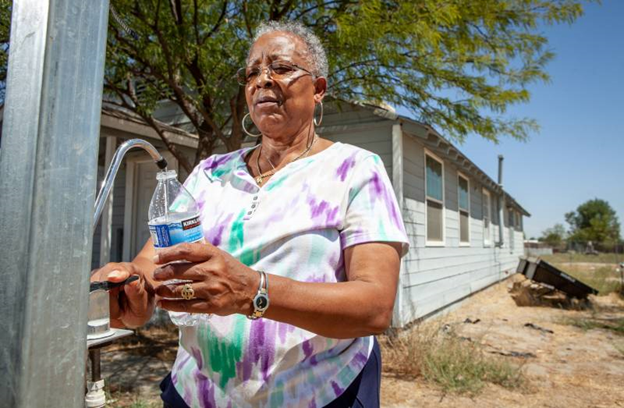
Figure 4 Denise Kadara of Allenstown using the only clean water source spigot in town.12
The image shows a California resident filling up her water bottle at the one clean water source spigot in her town.
Latino population
The central coast of California has a large Latino population. The fact that many members of this community are isolated because of language barriers, poverty and high numbers of nonwhite community members means that they are not able to advocate for themselves and fight for the basic human right of access to clean water.13 It is important to note that nitrates are just as dangerous as toxic metals in water. Figure 5 is a map that clearly displays the levels of nitrate ground water contamination in the central coast of California.13 Clean water is a basic human right and it should be a number one priority of legislators and government officials to work on the implementation of water systems within communities with high numbers of people of color. Everyone should have the right to access safe and clean water sources within the state of California. Rural farming communities and low income areas are disproportionally affected by dirty water and it is time that these areas gain access to proper filtration systems.
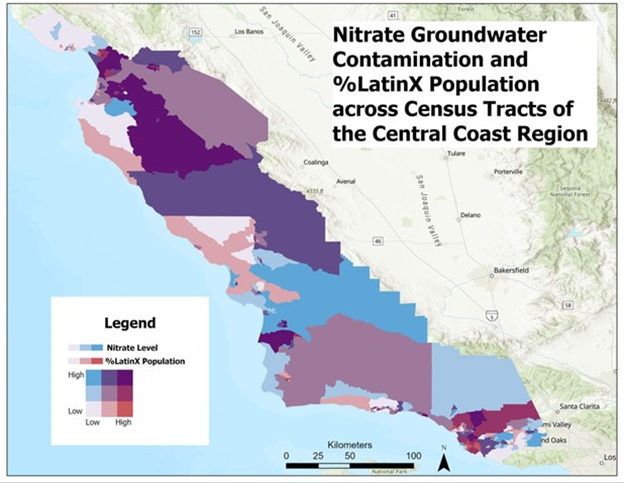
Figure 5 Nitrate Contamination in Latino Communities.13
The image shows how certain communities along the central coast of California test for high levels of nitrates in their groundwater. Many communities in this central coast area are made up of rural Latino residents.
Health implications on the human body
Organ damage
Heavy metals are highly toxic and it is important to not consume them because they have adverse effects on the body. When metals enter the system (through drinking water for example) they attach to our cells and prevent the cells from carrying out their normal functions.14 Exposure to metals, such as lead and arsenic in water, can ultimately damage one’s organs because they will stop carrying out their regular tasks. This can lead to issues such as brain damage, kidney damage, liver damage and so on.14 Organ damage can be irreversible and cause long term issues for one’s body. Therefore, if someone is exposed to contaminated water and drinks from it for an extended amount of time, their chances of developing health issues from organ failure increases at a much higher rate than someone with access to clean water.
Cancer
Cancer has a strong correlation to heavy metals exposure.15 Specifically, long term exposure to metals in drinking water has a correlation to cancers of the skin, lungs, and kidneys.15 Dangerous metals such as arsenic, cadmium, chromium and nickel are considered category one metals according to the International Agency for Research on Cancer. This is because they have a direct correlation to disruptions of tumor suppression genes and damage repair processes.16 The body has a natural genetic response to fight against tumors and genetic disruptions. Metals in the biological system take away this natural response, and the chance of cancer development therefore increases drastically.
Ongoing research
The EWG (environmental working group) has done research to show just how much cancer rates could decrease if contaminants in water were properly filtered out/extracted from water systems. The map in Figure 6 above is a prediction of the amount of cancer cases that could be reduced in the country if chromium and arsenic were no longer present in drinking water sources.17 Researchers are now realizing that metals should be studied in groups, not just individually.18 In California, more metals than just lead, arsenic and chromium are being discovered in water sources. Radioactive elements such as uranium and radium are also being discovered.18 Radioactive elements like these can settle into body tissues and over time will effect organ function (specifically for the kidney).19 Also, prolonged exposure to radioactive elements through water consumption can have long term effects on the body. Radium specifically can settle into bones and cause an increased risk of osteosarcomas.20 Toxic metals pose a dangerous threat to everyone. Consumption of metals has a proven correlation with organ failure and certain cancers.
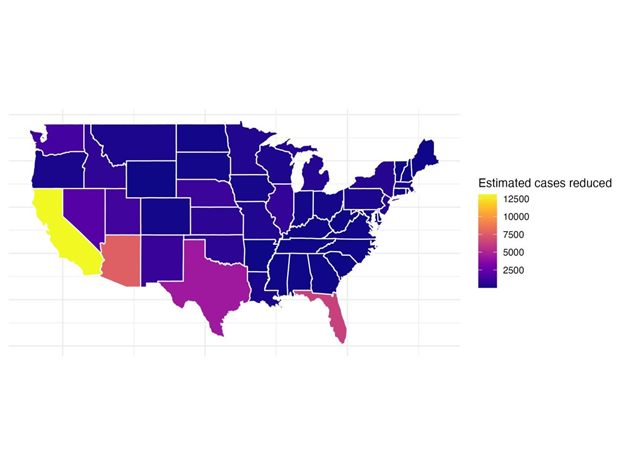
Figure 6 Prediction of cancer reduction with arsenic and chromium removal from water sources.17
The image shows how many cancer cases would decrease across the United States if arsenic and chromium were no longer present in water sources. California alone has the potential to see over 10,000 decreased cancer cases
Heavy metals are extremely dangerous for the human body. In present day society, an estimated 900,000 United States citizens in California alone lack access to clean drinking water.21 Exposure to metals is catastrophic for one’s health due to the correlation between toxic metals and health issues such as cancer. Scientists must continue to work on testing water sources to ensure the cleanliness of drinking water. It is up to government officials to work on the implementation of filtration systems to strip drinking water of contaminants. Figure 7 shows ICP-MS instrumentation that can be used to run trace metal elemental analysis and accurately detect the levels of metals in drinking water samples.22 It is important that scientists learn how to properly operate such instrumentation because it can be used as tool to ensure that drinking water is safe to consume within the state. Some metals occur naturally within the environment. But, their levels can become dangerously high due to wildfire run off, drought, rusty pipes and much more. Ensuring every person in California has access to clean water is an issue that should be treated with great care. Metals contamination will happen no matter what. It is our job to figure out how to ensure systems are put in place to keep water clean while actively testing toxicity levels.
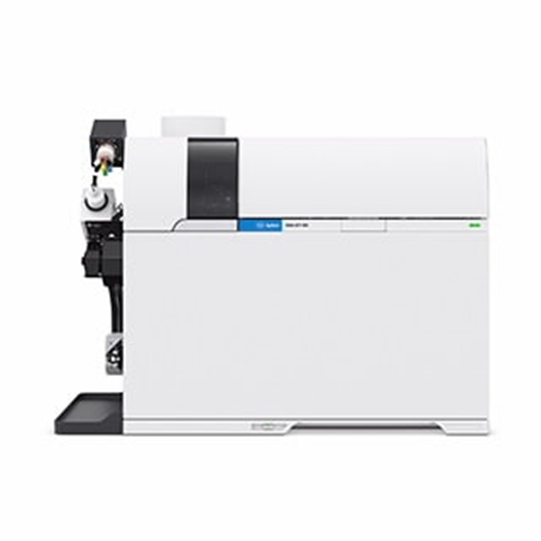
Figure 7 Agilent ICP-MS used for drinking water metals testing.23
The image shows an Agilent 7800 ICP-MS instrument which can be used to test drinking water for metals contaminants.
Sophie Hamilton expresses appreciation to Professor Bill Tawil for overseeing the creation of this scientific review on heavy metals in California water sources as well as the extremely informative lectures and advice about careers in the scientific industry which contributed to the creation of this paper.
There is no funding to report for this study.
There is no funding to report for this study.

©2026 Sophie, et al. This is an open access article distributed under the terms of the, which permits unrestricted use, distribution, and build upon your work non-commercially.