eISSN: 2574-9838


Research Article Volume 10 Issue 3
 Joana Gomes,1 Ana Mafalda Cunha,1 Ana Luísa Alves,2 Margarida Ferreira,2 Maria Conceição Figueiredo,2 Mariana Saavedra,1 Bruna Melo1
1Doctor, Physical Medicine and Rehabilitation Department, Unidade Local de Saúde do Alto Ave, Portugal
2Physiotherapist, Physical Medicine and Rehabilitation Department, Unidade Local de Saúde do Alto Ave, Portugal
Correspondence: José Pedro Pimenta, Doctor, Physical Medicine and Rehabilitation Department, Unidade Local de Saúde do Alto Ave, Guimaraes, Portugal
Received: November 29, 2025 | Published: December 31, 2025
Citation: Pimenta JP, Gomes J, Cunha AM, et al. Extracorporeal electromagnetic stimulation for stress urinary incontinence: a prospective single-arm study. Int Phys Med Rehab J. 2025;10(3):108-112. DOI: 10.15406/ipmrj.2025.10.00409
Background: Stress urinary incontinence (SUI) is a prevalent health condition that substantially impairs quality of life. Extracorporeal electromagnetic stimulation (EES) has emerged as a non-invasive therapeutic option for pelvic floor rehabilitation, though supporting evidence regarding its efficacy remains limited. This study aimed to assess the safety and effectiveness of high-intensity focused electromagnetic technology (HIFEM) in women with SUI.
Materials and Methods: A prospective single-arm study was conducted at a Portuguese hospital, enrolling eleven women, diagnosed with SUI. Participants underwent six sessions of HIFEM treatment using an electromagnetic chair. Outcomes were evaluated at baseline, post-treatment, and at three-month follow-up using the International Consultation on Incontinence Questionnaire - Short Form (ICIQ-SF) and King’s Health Questionnaire (KHQ).
Results: Baseline ICIQ-SF scores (11.70 ± 3.09) decreased post-treatment to 9.30 (± 2.79), reflecting a subjective improvement. However, scores rose again at three months to 10.40 ± 2.21. Similarly, KHQ scores showed an immediate reduction, followed by a return to near-baseline levels by the three-month follow-up. No statistically significant differences were observed at any time point (ICIQ-SF baseline vs. post-treatment: Z = -1.82, p = 0.07), a finding attributed to the limited statistical power. Nevertheless, the mean ICIQ-SF improvement was within the Minimum Clinically Important Difference (MCID) range. The intervention was well-tolerated, with no reported adverse events or withdrawals due to discomfort.
Conclusions: HIFEM therapy was found to be a safe and well-tolerated approach in this pilot cohort. While no statistical significance was achieved, the observed short-term clinical improvement was patient-meaningful. These findings, however, highlighted the transient nature of the treatment's effect. Definitive conclusions regarding sustained efficacy cannot be drawn based on this single-arm pilot study.
Keywords: stress urinary incontinence, pelvic floor, electromagnetic stimulation, quality of life, HIFEM
Urinary incontinence (UI) is defined by the International Continence Society (ICS) and the International Urogynaecological Association (IUGA) as an involuntary loss of urine.1 Portuguese epidemiological data reports that 21.4% of the female population over 40 years of age,2 experience UI, with prevalence increasing with age and lower educational attainment.3 It is a highly prevalent condition with significant social and psychological repercussions,4,5 with quality-of-life effects comparable to chronic diseases such as diabetes, dyslipidaemia or chronic kidney disease.6 Although common, UI remains frequently underdiagnosed and underreported.7 The most frequent types of UI are stress, urge or mixed UI. Stress urinary incontinence (SUI) refers to an involuntary loss of urine which occurs during physical exertion, coughing or sneezing.8 Recent studies have shown that UI is associated with other comorbidities, particularly cardiovascular (hypertension, obesity and diabetes) and cognitive conditions (depression, feelings of worthlessness and guilt).3,9 The UI pathophysiology is related to the integrity of the pelvic floor structures, such as muscles, ligaments, nerves, and fascia, which support the pelvic organs in their proper position, increase abdominal pressure, and contributes to urethral closure pressure.10 Conservative treatment of SUI may include behavioural and lifestyle changes,11 pharmacological treatment, pelvic floor muscle training (PFMT),12–14 biofeedback, manual therapy, endo vaginal electrostimulation,15 tibial nerve stimulation, ventilatory dynamics re-education, laser and topical oestrogen treatments. Lifestyle adjustments may include weight control,16,17 low-impact physical activity,11 bowel regularisation, smoking cessation and moderation of caffeine intake, particularly in cases of urge incontinence.18 PFMT consists of exercises to improve the strength and endurance of the pelvic muscles and to re-educate breathing dynamics and is currently the first line conservative treatment for SUI.12–14 Other conservative modalities such as vaginal cones19 or electrostimulation20,21 may also be options in the treatment of SUI.
Surgical interventions, including sub urethral sling or tension-free vaginal tape, may present as second-line therapeutic options, however, they carry the risks of surgical complications such as infections, urethral or bladder perforation, or haematoma.22 Recently, high-intensity focused electromagnetic (HIFEM) technology has emerged. This technology generates a pulsed electromagnetic field capable of penetrating approximately 10 centimetres, stimulating the pudendal nerve and triggering repeated supramaximal contraction of the pelvic floor muscles.23 Previous studies, with low methodological rigour, reported an improvement in UI symptoms with this new technology.24 The 5th International Consultation on Incontinence emphasised the impossibility of making recommendations regarding HIFEM based on the available evidence.25 Later, in 2021, the 7th International Consultation on Incontinence mentioned that HIFEM appeared to be superior to placebo, suggesting, however, caution in interpreting this information until further investigations with larger samples were conducted.26 Given the scarcity of robust evidence, this study sought to generate preliminary data for future research regarding the safety and effectiveness of HIFEM in female individuals over the age of 18 with SUI, regarding pelvic floor function and quality of life.
Study design
A prospective, single arm study was conducted at a Portuguese hospital to initiate the evaluation of safety and preliminary efficacy of HIFEM treatment in women with a clinical diagnosis of SUI, who were followed via pelvic floor consultation. The study was undertaken over the period from September 2022 to February 2023. International ethical standards, according to the General Assembly of the World Medical Association (WMA), were followed during the study, which was approved by the hospital Ethics Committee (Ref: 73/2022). All participants provided written informed consent prior to enrolment.
Study population
Enrolled participants were required to fulfil all inclusion criteria and none of the exclusion criteria. Eligible individuals were women aged over 18 years with a clinical diagnosis of stress urinary incontinence (SUI) who agreed to participate and provided written informed consent. Participants were excluded if they presented with fever or any acute or decompensated medical condition, active urinary tract or vaginal infection, coagulation disorders, or active neoplasms. Additional exclusion criteria included the presence of metallic or electronic implants such as cardiac pacemakers or intrauterine devices, a personal history of neurological disorders, including stroke, Parkinson’s disease, multiple sclerosis, or diabetes mellitus with target organ damage such as diabetic cystopathy or neuropathy, and severe psychiatric conditions requiring antipsychotics or associated with cognitive impairment that could hinder adherence to the protocol. Pregnancy or breastfeeding, previous surgery for SUI or pelvic organ prolapse, prior pelvic radiotherapy, and grade III or IV pelvic organ prolapse with an obstructive pattern were also grounds for exclusion. Individuals who had completed a pelvic floor rehabilitation programme within the preceding three months, or who had initiated or modified pharmacological treatment for urinary incontinence or psychiatric illness within the same period, were likewise excluded. Eleven women were enrolled, aged between 30 and 71 years (mean 46.00±10.35 years) with a mean body mass index (BMI) of 25,85±4,55 kg/m2.
Treatment protocol
The participants completed six sessions of HIFEM treatment (two 28-minute sessions per week for three weeks), supervised by a physiotherapist familiar with the device and intervention protocol. The BTL EMSELLA® device (BTL Industries Inc, Boston, MA) was used in all treatment sessions. The device consists of a chair-based electromagnetic stimulator, capable of delivering magnetic pulses up to 2.5 Tesla, targeting the pelvic floor. The participants were fully clothed with the pelvis aligned in the centre of the chair to maximize the effect of the pulsed magnetic field on the pelvic floor. Stimulation intensity was increased incrementally, starting at 20% of the maximum intensity in the first session, followed by 20% increments during the session, up to 100% intensity (2.5 Tesla) or the maximum tolerated by the participants. 11 participants were evaluated before and after treatment, as well as at a follow-up consultation held three months after the end of the sessions. After the follow-up period, all participants were re-evaluated at a medical pelvic floor consultation and, if they showed no clinical improvement, a new therapeutic intervention was proposed, according to their clinical condition.
Measuring Instruments
Initially, participants completed a characterisation and sample selection questionnaire. The participants then completed the International Consultation on Incontinence Questionnaire - Short Form (ICIQ-SF) and the King's Health Questionnaire (KHQ), validated for the Portuguese population, which were administered at three points during the study: at baseline, at the end of the six treatment sessions, and at the three-month follow-up.
International consultation on incontinence questionnaire - short form
The ICIQ-SF was originally developed by Avery, Donovan, and Abrams,27 translated and validated into Portuguese. The internal consistency assessed in the three questions, using Cronbach's alpha, was 0.88.28 This questionnaire is self-administered and specific to UI, comprising three questions addressing symptom frequency (scale of 0 to 5 points), severity (scale of 0 to 3 points), and impact of UI on quality of life (0 to 10 points). The overall ICIQ-SF score is the sum of the scores for the three questions, ranging from 0 to 21 points. Higher scores are associated with a greater impact of UI on quality of life. The cut-off points for the impact of UI on quality of life in the ICIQ-SF can be defined in four categories: mild (1–5), moderate (6–12), severe (13–18) and very severe (19–21). The severity of UI can be determined by the first two questions of the ICIQ-SF, which assess the amount and frequency of UI, with the cut-off points divided into four categories: slight (1–3), moderate (4–5), severe (6–9) and very severe (10–11). The Cohen`s kappa weighted by four types of impact of UI on quality of life and UI severity was 0.61 and 0.74, respectively. 29
King's health questionnaire
This questionnaire, developed by Kelleher, Cardozo, Khullar and Salvatore in 1993 and published in 1997,30 assesses the impact of lower urinary tract symptoms, including UI on health-related quality of life. It was validated for European Portuguese in 2015,31 with high internal consistency (Cronbach's alpha >0.7). The KHQ consists of 21 questions, divided into eight domains: general health perception, impact of UI, limitations in activities of daily living, physical limitations, social limitations, personal relationships, emotions, sleep/mood. In addition to these domains, there are two other independent scales: one assesses the severity of UI, and the other assesses the presence and intensity of urinary symptoms. These Likert-type scales are graded on four response options, except for the general health perception domain, which has five response options. The KHQ is scored for each of its domains, with a total score ranging from 0 to 100, where lower values indicate a better quality of life.
In the present study, a set of assessments and procedures were performed during a total of ten visits. On the first visit, participants were recruited for the study by the assistant physiatrist based on clinical records, a characterisation questionnaire, ICIQ-SF, and according to the exclusion and inclusion criteria. After the participants were selected, the physician informed them about the study and assessed their interest in participating. In cases of greater interest and availability, informed consent was signed, and a subsequent visit was scheduled. At the second visit, the participants completed the KHQ questionnaire. Between visits three and eight, the therapeutic intervention was performed by an independent physiotherapist, lasting three weeks, for a total of six visits. At the ninth (at the end of treatment) and tenth (three months follow-up) visits, the participants completed the ICIQ-SF and KHQ again. At the reassessment consultation (tenth visit), after the end of the intervention and if the participants presented with persistent symptoms, a new therapeutic intervention was proposed, individualised according to the clinical condition. A schematic representation of the study procedures can be found on Figure 1.
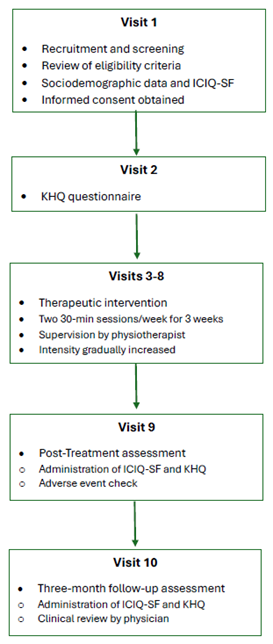
Figure 1 Schematic representation of study procedures.
Safety and side effects
Participants' comfort and safety were continuously monitored during treatment to document any potential adverse events. Possible side effects associated with this technology are typically mild and transient, including muscle soreness, spasms, menstrual irregularities, erythema, or fatigue.
Withdrawal from the study
Participation in the study was voluntary, with informed consent signed. Participants could withdraw from the study at any time or be withdrawn at the discretion of the investigators if the criteria below were met. The reasons for exclusion from the clinical study were investigated and recorded. Possible causes for withdrawal from the study included a voluntary decision by the participant to discontinue participation, the occurrence of intolerable side effects, the development of any condition that met the exclusion criteria for HIFEM treatment, or failure to attend more than two consecutive treatment sessions.
Data collection involved the use of computer software, namely Microsoft Excel®, and the Statistical Package for the Social Sciences (SPSS), version 28.0 (IBM, Armonk, NY). The research team specifically developed a Microsoft Excel® database for the study and a coding system for the instruments used. Descriptive statistics were expressed as means ± standard deviation. Normality was assessed using the Shapiro-Wilk test. Considering the small sample size (n = 11) and distribution of variables, non-parametric infere
Eleven women with SUI were initially recruited according to the inclusion and exclusion criteria. Only one participant discontinued the study after missing two consecutive treatment sessions, leaving ten participants who completed the full intervention protocol and follow-up period. It is important to note that this small sample size (n = 10) limits the statistical power of the analysis, precluding robust clinical recommendations or a definitive assessment of safety and efficacy. The subjective assessment of the participants is summarised in Figure 2.
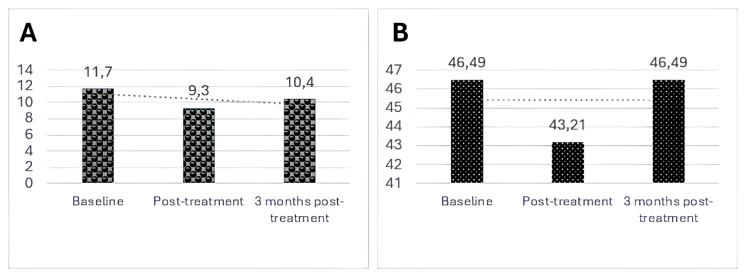
Figure 2 Subjective assessment of the participants in the ICIQ-SF (A) and KHQ (B) questionnaires.
International consultation on incontinence questionnaire - short form
Baseline mean scores of the ICIQ-SF were 11.70 ± 3.09, reflecting moderate symptom severity. In the post-treatment assessment, scores decreased to 9.30 ± 2.79, indicating a subjective improvement. However, in the final assessment, at the three-month follow-up, the mean score rose to 10.40 ± 2.21, suggesting a partial regression of symptoms. Although numerical reductions were observed between baseline and post-treatment, as well as between baseline and follow-up, these results did not reach statistical significance (baseline vs. post-treatment: Z = -1.82, p = 0.07; baseline vs. 3 months: Z = -1.02, p = 0.31). While the average improvement of 2.40 points falls within the Minimum Clinically Important Difference (1.4–3.0 points) reported in the literature, the lack of statistical significance is likely attributable to the limited sample size, which precludes a definitive confirmation of efficacy.
King’s health questionnaire
The KHQ results demonstrated a distinct pattern of transient improvement followed by a return to baseline. Mean scores decreased from 46.49 ± 6.09 at baseline to 43.21 ± 4.56 after six treatment sessions, but reverted to near-baseline levels (46.49 ± 4.57) at the three-month follow-up. The respective p-values (Z = -1.81, p = 0.07 and Z = -0.14, p = 0.89) confirmed the absence of statistically significant differences, reinforcing that while immediate benefits were observed, they were not sustained in this small cohort.
Adverse events and tolerability
No adverse effects were documented during or after the treatment sessions. All participants tolerated the HIFEM treatment well, reporting only transient pelvic muscle fatigue. No participant withdrew due to discomfort or adverse reactions.
The present study aimed to generate preliminary data for future research concerning the safety and short-term effectiveness of HIFEM treatment in women over the age of 18 with SUI, regarding pelvic floor function and quality of life, focusing on subjective outcomes measured by the ICIQ-SF and KHQ. Although improvements were observed in symptom severity and quality of life scores following treatment, these changes did not reach statistical significance, a finding likely attributable to the limited sample size and consequent reduced statistical power. For the ICIQ-SF, the literature establishes that the Minimum Clinically Important Difference ranges between 1.4 and 3.0 points.29 The average improvement of 2.40 points observed is firmly within this range, which indicates that the perceived symptom improvement reported by participants was not only measurable but also meaningful from a patient-centred perspective. A recent meta-analysis reported significant reductions in ICIQ-SF scores among HIFEM-treated participants (mean difference −3.03; 95% CI −3.27 to −2.79),32 comparable to the findings of the present study. However, the transient improvements observed in the KHQ immediately after treatment, followed by a return to baseline at three months, may indicate that the benefits of HIFEM require periodic reinforcement to be sustained.
From a safety standpoint, the intervention was well tolerated, with no reported adverse effects or participant withdrawals due to side effects, consistent with the favourable safety profile documented in the literature. Available literature such as the study by Tosun et al. demonstrated significant improvements in ICIQ-SF and pad use in 35 women after HIFEM treatment without notable adverse effects,33 reinforcing the suitability of HIFEM as a low-risk, non-invasive therapeutic option. Although HIFEM was applied as a standalone therapy in the present study, the physiological effects of HIFEM raise the hypothesis of potential synergistic effects when combined with conventional PFMT or behavioural interventions. This hypothesis is supported by previous studies demonstrating that HIFEM combined with PFMT can enhance adherence and improve functional outcomes.34 Therefore, future high-quality trials should evaluate the efficacy of this intervention within a combined therapy regimen to determine the optimal therapeutic role of HIFEM. Nevertheless, trials directly comparing HIFEM alone with HIFEM + PFMT are still underway (for example, the pilot randomized protocol NCT06638489).
The primary limitations of this investigation include its small sample size, lack of a control group, and relatively short follow-up duration. These factors limit the generalizability of the findings, making it difficult to draw definitive conclusions about sustained efficacy. Specifically, the small cohort size (n = 10) resulted from challenges in patient recruitment within the defined pilot phase timeline, limiting the statistical power available to confirm the observed clinical trends. Additionally, given the inherent limitations of the small sample size and the single-arm design, a meaningful comparative sub-analysis was deemed statistically unfeasible, reinforcing the necessity for larger trials. The exclusive reliance on subjective measures, although clinically meaningful, limits the ability to verify outcomes with objective functional assessments. Prior studies have demonstrated measurable improvements in urethral function after HIFEM, including increases in maximum urethral closure pressure and changes in urethral angle,35 supporting the value of incorporating such measures in future trials. Future studies should focus on randomized controlled trials with larger cohorts, extended follow-up periods, and multimodal intervention designs to clarify the therapeutic role of HIFEM in the management of SUI. Such studies could also help determine optimal treatment parameters to maximize clinical benefits.
HIFEM therapy appears to be a safe, well-tolerated, and non-invasive approach for women with SUI. No adverse events were documented, supporting its safety profile. Although the observed numerical improvements in symptom severity and quality of life scores (ICIQ-SF and KHQ) did not reach statistical significance, the magnitude of the improvement was within the Minimum Clinically Important Difference range, suggesting a potential short-term clinical benefit from a patient-centred perspective. These findings, however, highlight the transient nature of the observed effect. Therefore, based on this pilot data, definitive conclusions regarding sustained efficacy cannot be drawn.
The authors would like to thank all study participants for their cooperation and commitment throughout the research process.
All interventions were conducted in accordance with relevant laws and institutional guidelines, including the General Assembly of the World Medical Association. Reference number for the ethical committee approval: Ref 73/2022.
The authors declare that they received material support from BTL Industries in the form of access to the BTL EMSELLA® device. The company had no role in study design, data collection, analysis, or manuscript preparation. The authors further confirm that no additional funding or financial support was obtained from public agencies, commercial entities, or non-profit organizations.

©2025 Pimenta, et al. This is an open access article distributed under the terms of the, which permits unrestricted use, distribution, and build upon your work non-commercially.