eISSN: 2373-6372


Review Article Volume 17 Issue 2
 Joel Eloi Belo Junior,8 Nicole Mioto edeiros10
1Medical student, Cesumar University, Brazil
10Doctor, Graduated in Medicine from the University of Vale do Sapucaí (UNIVÁS), Pouso Alegre, Minas Gerais, Brazil. Residency in Hematology and Hemotherapy at Amaral Carvalho Hospital, Jaú, São Paulo, Brazil. Doctor at Beneficência Portuguesa Hospital in Santos, Santos, São Paulo, Brazil. Professor of Medicine at the University of Ribeirão Preto (UNAERP), Ribeirão Preto, São Paulo, Brazil
2Medical student, University of Ribeirão Preto, Brazil
3Medical student, Nove de Julho University (UNINOVE), São Bernardo do Campo Campus, Brazil
4Doctor, Graduated in Medicine from from Ingá University Center, Completed a residency in Family and Community Medicine at the Maringá Municipal Health Department, Holds a postgraduate degree (lato sensu) in Health Auditing from UniBF College, Holds a postgraduate degree in Quality Management and Health Accreditation, Brazil
5Medical graduated from Cesumar University Center, Completed residency in General Surgery at the University Hospital of Londrina (UEL) and in Coloproctology at Santa Rita Hospital in Maringá, Brazil
6Medical student, University of Taubaté (UNITAU), Brazil
7Ph.D. in Medical Sciences, Ribeirão Preto School of Medicine, University of São Paulo, Brazil
8PhD in Technological Innovation – UNIFESP, Professional Postgraduate Program in Technological Innovation, Brazil
9Doctor, Graduated in Medicine from São Judas Tadeu University, Residency in Family and Community Medicine through the Praia Grande Municipal Government, Brazil
Correspondence: Thiago Augusto Rochetti Bezerra, Ph.D. in Medical Sciences, Ribeirão Preto School of Medicine, University of São Paulo, Brazil
Received: June 15, 2026 | Published: July 31, 2026
Citation: Tanaka APL, Pedriali LH, Tavares MF, et al. Ulcerative colitis in the unified health system: organization of care and analysis of theoretical treatment costs. Gastroenterol Hepatol Open Access. 2026;17(2):55-62. DOI: 10.15406/ghoa.2026.17.00636
Ulcerative colitis (UC) is a chronic inflammatory bowel disease that requires continuous monitoring and the use of healthcare resources at different levels of complexity. The objective of this study was to analyze the structure and theoretical cost of the care pathway for Ulcerative Colitis in the Unified Health System (SUS), integrating the recommendations of the current Clinical Protocol and Therapeutic Guidelines (PCDT) with the values listed in the SUS Table of Procedures, Medications, Orthoses, Prostheses, and Special Materials (SIGTAP). This is a documentary, descriptive, and analytical study based exclusively on official secondary sources. The study analyzed the PCDT recommendations for Ulcerative Colitis, approved by Joint Ordinance SAES/SECTICS No. 9, dated September 12, 2024, as well as the procedures, tests, consultations, hospitalizations, and medications related to the disease’s care pathway. The respective funding amounts were obtained through SIGTAP and the panel of the Drug Market Regulation Chamber (CMED), using the Maximum Government Purchase Price (PMVG) to estimate drug costs. The results demonstrated that the RCU care pathway is structured in a tiered manner, encompassing outpatient follow-up, laboratory monitoring, drug therapy, and hospital care for severe cases. It was observed that consultations and tests have a low individual financial impact, while hospitalizations and advanced therapies represent the main cost components. Biological therapies and small molecules are the major determinants of the budgetary impact, especially in patients with moderate-to-severe disease. It is concluded that the care pathway for ulcerative colitis in the SUS is aligned with contemporary scientific recommendations; however, it exhibits increasing financial complexity resulting from the incorporation of high-cost technologies , reinforcing the importance of care planning and the rational use of public resources.
Keywords: Ulcerative Colitis, Unified Health System, Clinical Protocol and Therapeutic Guidelines, SIGTAP, Health Economic Evaluation, Health Costs
Ulcerative colitis (UC) is a chronic, immune-mediated, and multifactorial inflammatory bowel disease (IBD) characterized by continuous inflammation of the colonic mucosa, invariably affecting the rectum and extending proximally in a continuous and variable manner along the colon. Although its etiopathogenesis is not fully understood, current evidence suggests a complex interaction between genetic predisposition, alterations in the gut microbiota, epithelial barrier dysfunction, and an exaggerated immune response to environmental stimuli, resulting in persistent inflammation of the intestinal mucosa.1–3 In recent decades, UC has become a major public health problem due to the progressive increase in its incidence and prevalence in developing countries. Although historically considered more common in North America, Western Europe, and Oceania, recent epidemiological studies show a substantial increase in cases in Latin America, including Brazil, in tandem with urbanization, the Westernization of dietary habits, and environmental changes. National data suggest a continuous increase in the disease’s incidence, reflecting not only improved diagnostic capabilities but also changes in the epidemiological profile of the Brazilian population.4–6 UC can manifest at any age, with a higher incidence between the second and fourth decades of life, although a second peak is frequently observed in older adults. The disease affects both sexes, with no definitive consensus regarding gender predominance, which varies depending on the population studied. In addition to its clinical impact, its occurrence in economically active individuals amplifies its socioeconomic relevance, as it is associated with reduced productivity, work absences, and increased use of healthcare resources.1,4
From a clinical perspective, hematochezia associated with diarrhea is the most characteristic manifestation of the disease. Other frequently observed symptoms include colicky abdominal pain, urgency to defecate, tenesmus, mucus in the stool, and a sensation of incomplete bowel movement. In more severe cases, systemic manifestations such as fever, anemia, weight loss, hypoalbuminemia, and impaired general condition may occur. The severity of symptoms is directly related to the anatomical extent and inflammatory activity of the disease, with extensive disease being associated with higher morbidity and a poorer prognosis.7–9 In addition to intestinal involvement, approximately one-third of patients develop extraintestinal manifestations, which may involve the musculoskeletal, dermatological, ophthalmological, hepatobiliary, and hematological systems. These manifestations often affect quality of life, increase treatment complexity, and may occur independently of intestinal inflammatory activity, requiring multidisciplinary care and continuous monitoring.10,11
The natural history of UC is characterized by alternating periods of inflammatory activity and clinical remission. Despite therapeutic advances observed in recent years, the disease remains associated with high rates of recurrence, progression of colonic involvement, and the need for therapeutic escalation over time. Studies show that a significant proportion of patients experience frequent relapses, while others progress to extensive or refractory forms, requiring more complex immunosuppressive and biologic therapies.12–14 In recent years, the concept of UC treatment has evolved substantially, shifting from an approach focused exclusively on symptom control to “treat-to-target” strategies, in which mucosal healing, sustained clinical remission, and the prevention of structural damage have become priority therapeutic goals. Evidence shows that patients who achieve endoscopic healing have lower hospitalization rates, reduced need for corticosteroids, a lower risk of colectomy, and better long-term clinical outcomes.3,12,15
However, a subset of patients may develop severe forms of the disease, including severe acute colitis, toxic megacolon, intestinal perforation, and massive hemorrhage—conditions associated with high morbidity and mortality and the need for specialized hospital care. In these scenarios, clinical management requires integrated care involving gastroenterologists, colorectal surgeons, nutritionists, and other healthcare professionals, as well as timely access to advanced therapies and surgical procedures when indicated.7,16,17 Alongside the clinical challenges, the growing use of biologics, small molecules, and advanced diagnostic technologies has significantly increased the economic impact of the disease on healthcare systems. International studies show that the highest costs associated with UC are related to hospitalizations, surgical procedures, and the use of high-cost biologic therapies, especially in patients with moderate-to-severe disease or those refractory to conventional treatments.>18–20
In the Brazilian context, the Unified Health System (SUS) organizes care for patients with UC through the Clinical Protocol and Therapeutic Guidelines (PCDT), which establishes diagnostic criteria, care pathways, therapeutic strategies, and clinical monitoring mechanisms. In addition, the SUS Table of Procedures, Medications, and OPM (SIGTAP) serves as a fundamental tool for estimating care costs related to the diagnosis, follow-up, and treatment of the disease. Thus, understanding the structure of the ulcerative colitis care pathway and its respective theoretical costs is essential for informing care planning, the rational allocation of resources, and the financial sustainability of the public health system.21–23
Clinical Protocols and Therapeutic Guidelines (PCDTs) are strategic regulatory instruments of the Unified Health System (SUS), developed by the Ministry of Health through the National Commission for the Incorporation of Technologies in the SUS (CONITEC), with the aim of standardizing health care, promoting the rational use of public resources, and ensuring the provision of treatments based on the best available scientific evidence.21 These documents play a fundamental role in organizing care pathways, contributing to the improvement of care quality and the reduction of variability in clinical practices throughout the country.
The PCDTs establish diagnostic criteria, therapeutic guidelines, clinical monitoring strategies, parameters for evaluating treatment response, and mechanisms for longitudinal patient follow-up. In addition, they guide clinical decision-making at different stages of the disease, ranging from conventional therapies to alternatives for situations of treatment failure, drug intolerance, or the occurrence of relevant adverse events. Thus, the protocols promote greater uniformity in care, fostering comprehensive care and equity in access to health technologies provided by the SUS.21,23 The development and updating of the PCDTs are grounded in the principles of Evidence-Based Medicine, incorporating systematic reviews of the scientific literature, real-world effectiveness studies, economic evaluations, and budgetary impact estimates. In this context, criteria related to efficacy, safety, effectiveness, cost-effectiveness, and financial sustainability are considered essential for the incorporation and maintenance of medications, procedures, and technologies in the public health system.18,19 This approach seeks to ensure that available resources are directed toward interventions capable of generating the best clinical and population-level outcomes.
In addition to their clinical relevance, PCDTs play an important regulatory and legal role, serving as a reference for managers, healthcare professionals, regulatory agencies, and the judiciary. These documents contribute to the transparency of decision-making processes related to technology incorporation, establish technical parameters for audits and performance evaluations, and assist in resolving legal disputes related to access to medications and specialized treatments.21 At the same time, they function as instruments to guarantee the rights of SUS users, making explicit the criteria for access and the therapeutic alternatives available for each clinical condition.
In the specific case of ulcerative colitis, the current PCDT plays a central role in organizing the care pathway for the disease, defining diagnostic criteria, classification of clinical activity, indications for the use of aminosalicylates, corticosteroids, immunosuppressants, biologic therapies, and small molecules, as well as parameters for clinical and laboratory monitoring of patients. Given the significant economic impact associated with moderate and severe forms of the disease—particularly due to the use of high-cost medications and the need for hospitalizations—the protocol serves as an essential tool for promoting the rational use of resources and ensuring the sustainability of the SUS.15,20,21
The Management System for the List of Procedures, Medications, Orthoses, Prostheses, and Special Materials of the Unified Health System (SIGTAP) is one of the main tools for managing, planning, and financing health care within the SUS. Developed by the Ministry of Health, the system provides standardized access to information regarding outpatient and inpatient procedures, medications, orthoses, prostheses, and special materials financed by the public health system, playing a fundamental role in the administrative and operational organization of the Brazilian healthcare network.22 Established through the unification of the former outpatient and inpatient procedure schedules via GM Ordinances No. 321/2007 and No. 2,848/2007, SIGTAP was designed to promote greater uniformity in healthcare records, improve billing mechanisms, and expand the capacity to monitor the delivery of health services. Since then, it has become an essential tool for the operation of the SUS information systems, enabling greater integration among clinical, administrative, and financial processes.22
The table’s structure is organized hierarchically into groups, subgroups, and organizational categories, allowing for the systematic classification of procedures according to the area of care, medical specialty, level of complexity, and type of care. Each procedure has a unique identifier code, associated with specific information related to financing, reimbursement amounts, the International Classification of Diseases (ICD), the Brazilian Classification of Occupations (CBO), the qualifications required for its performance, and the technical compatibility requirements necessary for its registration and processing.22 In addition to its operational function, SIGTAP serves as an important tool for health economic evaluation, as it provides the official rates used by the SUS to reimburse procedures and services rendered. Consequently, the table is widely used in cost studies, budget impact analyses, health technology assessments, and investigations related to the efficiency of public resource management. In the context of Clinical Protocols and Therapeutic Guidelines (PCDTs), the data provided by SIGTAP allow for the estimation of direct costs associated with the diagnosis, monitoring, and treatment of the various clinical conditions covered by the system, including highly complex chronic diseases such as ulcerative colitis.18,21
Within the care pathway for Ulcerative Colitis, the use of SIGTAP makes it possible to identify and quantify the healthcare resources employed throughout the patient’s therapeutic journey, encompassing specialist consultations, laboratory and endoscopic tests, hospital procedures, drug therapies, and hospitalizations resulting from complications. This approach facilitates more precise analyses of the disease’s economic impact on the SUS, allowing for an assessment of cost distribution across different levels of care and informing strategies for the efficient planning and allocation of available resources.19,20 However, despite its relevance to health system management, SIGTAP is frequently the subject of debates regarding the updating of procedure reimbursement rates, as several studies point to discrepancies between the actual costs of providing services and the amounts officially funded by the SUS. This situation can impact the financial sustainability of service providers and influence the capacity to expand and improve specialized care. Nevertheless, the fee schedule remains the primary national reference for economic analyses and healthcare planning in public health, and is indispensable for studies evaluating costs and care pathways within the context of the SUS.18,22
Analyze the structure and theoretical cost of the RCU care pathway in the SUS, incorporating the recommendations of the current PCDT and the figures listed in the SIGTAP Table.
Specific objectivesThis study is characterized as a documentary, descriptive, and analytical research project with both qualitative and quantitative approaches, conducted exclusively using official secondary sources, without the collection of primary data or direct participation of individuals. This is a cross-sectional analysis based on information available in institutional documents and official systems of the Unified Health System (SUS), specifically the Clinical Protocol and Therapeutic Guidelines (PCDT) for Ulcerative Colitis, approved by Joint Ordinance SAES/SECTICS No. 9, dated September 12, 2024, and the SUS Management System for the Schedule of Procedures, Medications, Orthoses, Prostheses, and Special Materials (SIGTAP), consulted in their versions in effect during the research period.
The documentary design is justified by the use of regulatory, technical, and administrative documents as the primary sources of information, enabling a systematic analysis of the healthcare organization and financing mechanisms related to the management of Ulcerative Colitis within the SUS. The descriptive nature of the study consists of characterizing the care pathway recommended by the PCDT, covering diagnostic criteria, care pathways, recommended diagnostic and therapeutic procedures, medications made available by the public health system, and the respective clinical monitoring mechanisms.
Additionally, the study has an analytical component by correlating the care recommendations established by the PCDT with the economic and operational data provided by SIGTAP. To this end, the main procedures, tests, specialist consultations, pharmacological therapies, and hospital interventions envisaged throughout the disease’s care pathway were identified, and the respective funding amounts recorded in the official SUS table were analyzed. Based on this information, a theoretical estimate was developed of the healthcare costs associated with the follow-up and treatment of ulcerative colitis at different levels of clinical complexity, allowing for an assessment of the compatibility between therapeutic recommendations and the financial resources made available by the public health system. Data collection was conducted through direct consultation of official documents made available by the Ministry of Health, the National Commission for the Incorporation of Technologies into the Unified Health System (CONITEC), and the SUS Information Technology Department (DATASUS). Subsequently, the data were organized into thematic categories related to diagnosis, drug treatment, clinical monitoring, specialized procedures, hospital admissions, and healthcare costs. The results were analyzed through descriptive and comparative interpretation, seeking to identify potential challenges, limitations, and economic implications of implementing the Ulcerative Colitis care pathway within the context of the SUS.
Since this study used exclusively secondary information in the public domain, without access to individual data, medical records, identifiable information, or any form of interaction with human subjects, this research complies with the ethical guidelines established by National Health Council Resolution No. 466, dated December 12, 2012, as well as by CNS Resolution No. 510, dated April 7, 2016. Therefore, the study is exempt from review and approval by a Research Ethics Committee (CEP), since it does not involve human participants or the use of information capable of identifying individuals. Finally, it should be noted that the costs estimated in this study are purely theoretical and for reference purposes only, based on the values recorded in SIGTAP at the time of data collection. Thus, the results do not necessarily reflect the actual costs incurred by health services but represent a standardized estimate of the funding allocated by the SUS for the different components of the ulcerative colitis care pathway.
Stages of the studyThe following were used as the main references:
First, a detailed review of the PCDT was conducted, listing all tests, procedures, consultations, and medications recommended for each clinical scenario, including screening steps (e.g., colonoscopy), monitoring tests, induction and maintenance therapies, as well as other planned interventions.
Each identified item was searched for individually in SIGTAP using the search field by name, code, or related ICD code. For each item, the following were recorded:
Based on this, a table was created containing the aforementioned fields and listing the estimated total cost. The frequency of use for each item was defined according to the PCDT’s recommendations for patient follow-up, breaking down the different clinical scenarios (mild, moderate, or severe)—that is, according to the intensity of the resources and interventions required for each clinical profile. The total cost was calculated by summing the values of all recommended items for each scenario, enabling a comparative analysis and the identification of items with the greatest financial impact.
As for medications, the data collection process was conducted differently, in addition to the search on the SIGTAP web. For medications recommended by the RCU’s PCDT that did not have a defined financial value in SIGTAP (zero code), a supplementary search for official prices was conducted using the Medication Price Inquiry Panel, provided by the Medication Market Regulation Chamber (CMED, available at https://www.gov.br/anvisa/pt-br/assuntos/medicamentos/cmed/precos), focusing on the list of Maximum Government Purchase Prices (PMVG).
For each medication, the reference price corresponding to the standardized formulation was identified, taking into account the minimum and maximum amounts permitted for public procurement, adjusted according to the different regional ICMS tax rates, as published by CMED. These values were used to estimate the theoretical cost of each item in the calculation of the cost of the care pathway.
Figure 1 schematically presents the methodological steps followed in conducting this study. Initially, the main reference sources used in the research were consulted, namely the Clinical Protocol and Therapeutic Guidelines (PCDT) for Ulcerative Colitis and the SUS Management System for the Table of Procedures, Medications, Orthoses, Prostheses, and Special Materials (SIGTAP).
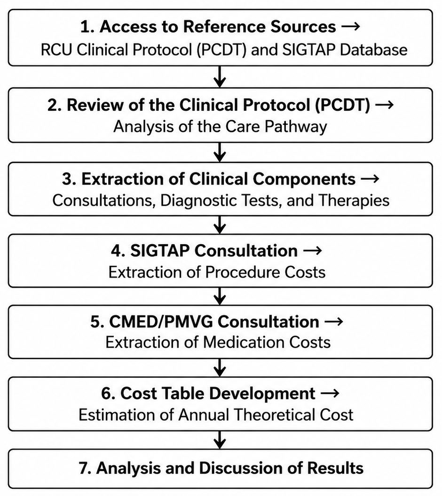
Figure 1 Methodological flowchart of the study.
Source: Authors
Next, the care pathway recommended by the PCDT was analyzed, identifying the main components of care related to the diagnosis, monitoring, and treatment of the disease. Subsequently, the recommended procedures, consultations, tests, and therapies were extracted, and the respective funding amounts were consulted in the SIGTAP. For medications, reference values from the Medicines Market Regulation Chamber (CMED) were used, based on the Maximum Government Purchase Price (PMVG). Using this information, a table was created containing estimates of the theoretical annual costs of the ulcerative colitis care pathway within the Unified Health System
(SUS), culminating in a critical analysis and discussion of the results obtained
Table 1 presents the main procedures related to consultations and outpatient and inpatient follow-up for patients with ulcerative colitis (UC), as recommended by the current Clinical Protocol and Therapeutic Guidelines (PCDT), correlated with the respective codes and reimbursement amounts listed in the Unified Health System’s Table of Procedures, Medications, and OPM (SIGTAP). It is observed that the care pathway encompasses different modes of care, including specialized medical consultations, urgent care in specialized settings, and multidisciplinary follow-up—all of which are fundamental elements for clinical monitoring, assessment of disease activity, therapeutic adjustment, and prevention of complications. Identifying the SIGTAP codes and their corresponding reimbursement amounts provides insight into the funding structure of these services within the SUS, constituting an essential step for estimating the theoretical costs associated with the follow-up of patients with UC and for analyzing the economic sustainability of the care pathway recommended by the PCDT.
|
PCDT Item |
SIGTAP Code |
Type |
Total Outpatient |
|
Medical Consultation |
03.01.01.007-2 - Medical consultation in specialized care |
Outpatient |
R$ 10.00 |
|
Specialized |
|
|
|
|
Medical consultation specialized |
03.01.06.002-9 - Urgent care with observation for up to 24 hours in specialized care |
Outpatient |
R$ 12.47 |
|
Medical consultation specialized |
03.01.06.006-1 - Services de emergency em care Specialized |
Outpatient |
R$ 11.00 |
|
Multidisciplinary consultation |
03.01.01.004-8 - Consultation with professionals with advanced degrees in specialized care (excluding physicians) |
Outpatient Inpatient Day Hospital |
R$ 6.30 |
Table 1 Care procedures related to consultations and follow-ups for ulcerative colitis as outlined in the PCDT and corresponding records in SIGTAP
Source: Authors
Table 2 presents the main hospital procedures recommended for the management of patients with ulcerative colitis in more clinically severe cases, correlating the recommendations of the Clinical Protocol and Therapeutic Guidelines (PCDT) with the respective codes and reimbursement amounts listed in the SIGTAP Table. It is observed that the procedures include hospital admissions for clinical treatment of the disease and stays in intensive care units (ICU), resources that are frequently necessary in cases of severe acute colitis, infectious complications, toxic megacolon, significant bleeding, or treatment failure with conventional therapy.
|
PCDT item |
SIGTAP code |
Type |
Hospital hospital |
Service professio Nal |
Total hospital |
|
Hospital Admission |
03.03.07.009-9 - Treatment of enteritis and colitis non- infectious |
Inpatient |
R$ 167.10 |
R$ 37.05 |
R$ 204.15 |
|
Hospital admission to intensive care |
08.02.01.010-5 - Daily rate for adult intensive care unit (ICU I) |
Inpatient |
R$ 119.10 |
R$ 19.90 |
R$ 139.00 |
|
Inpatient Intensive Care Hospitalization |
08.02.01.008-3- Daily rate of Adult Intensive Care Unit (ICU II) |
Inpatient |
R$ 510.00 |
R$ 90.00 |
R$ 600.00 |
|
Hospital admission to intensive care |
08.02.01.009-1- Daily rate for adult intensive care unit (ICU III) |
Inpatient |
R$ 595.00 |
R$ 105.00 |
R$ 700.00 |
Table 2 Hospital procedures related to the management of ulcerative colitis included in the PCDT and their respective amounts recorded in SIGTAP
Source: Authors
Analysis of the financial components highlights the breakdown of costs between hospital services, professional services, and diagnostic and therapeutic support services (SADT), providing insight into the financing structure of these hospitalizations within the Unified Health System. Thus, the data presented contribute to estimating the healthcare costs associated with severe forms of the disease, highlighting the economic impact of hospitalizations on the overall care pathway for ulcerative colitis within the SUS.
Table 3 presents the main laboratory tests recommended by the Clinical Protocol and Therapeutic Guidelines (PCDT) for Ulcerative Colitis for diagnostic evaluation, monitoring of the disease’s inflammatory activity, and monitoring of patients’ therapeutic safety. The tests were correlated with their respective codes and reimbursement amounts available in the Table of Procedures, Medications, and OPM of the Unified Health System (SIGTAP), allowing for a view of the diagnostic and monitoring resources covered by the SUS. Among the procedures presented, hematological, biochemical, and liver function tests stand out; these are frequently used to identify anemia, inflammatory changes, metabolic disorders, and possible adverse events related to the use of immunosuppressants and advanced therapies.
|
PCDT item |
SIGTAP code |
Modality |
Total Outpatient |
|
Complete blood count |
02.02.02.038-0 - Complete blood count |
Outpatient Inpatient Day Hospital |
R$ 4.11 |
|
TGO/AST |
02.02.01.064-3 -Assay of glutamic-oxaloacetic glutamic-oxaloacetic (GOT) |
Outpatient Inpatient Day Hospital |
R$ 2.01 |
|
TGP/ALT |
02.02.01.065-1 -Dosage of glutamic-pyruvic transaminase (GPT) |
Outpatient Inpatient Day Hospital |
R$ 2.01 |
|
GAMA GT |
02.02.01.046-5- Dosage of gamma-glutamyl-transferase (GAMA GT) |
Outpatient Inpatient Day Hospital |
R$ 3.51 |
|
Alkaline phosphatase |
02.02.01.042-2 - Alkaline phosphatase assay |
Outpatient Inpatient Day Hospital |
R$ 2.01 |
|
Bilirubin |
02.02.01.020-1 - Total and Fractional Bilirubin Assay |
Outpatient Inpatient Day Hospital |
R$ 2.01 |
|
Urea |
02.02.01.069-4 - Urea Assay |
Outpatient Inpatient/ Day Hospital |
R$ 1.85 |
|
Creatinine |
02.02.01.031-7 - Creatinine Assay |
Outpatient Inpatient/ Day Hospital |
R$ 1.85 |
|
C-reactive protein |
02.02.03.008-3 - Quantitative determination of C-reactive protein |
Outpatient Inpatient Day Hospital |
R$ 9.25 |
|
C-reactive protein |
02.02.03.020-2 - C-reactive protein assay |
Outpatient Inpatient Day Hospital |
R$ 2.83 |
|
IGRA (tuberculosis) |
02.02.03.136-5 - Interferon-gamma release assay for ILTB (IGRA) |
Outpatient Inpatient Day Hospital |
R$ 0.00* |
|
Test (tuberculo sis) |
02.02.03.024-5 - Intradermal reaction with (PPD) |
Outpatient Inpatient Day |
R$ 0.00** |
|
|
|
Hospital |
|
|
Cyclosporine (assay) |
02.02.07.018-2 - Cyclosporine Assay |
Outpatient Inpatient Day Hospital |
R$ 58.61 |
|
* The IGRA test for latent tuberculosis is included in SIGTAP (code 02.02.03.136-5), but no funding has been allocated for it, which prevents routine outpatient billing for the test within the SUS. The IGRA test is performed, when available, through special projects, research initiatives, or centralized distribution by the Ministry of Health; there is no funding for individual tests. |
|||
|
** Although the tuberculin test is included in SIGTAP (code 02.02.03.024-5), no financial value is assigned for for the test, since funding comes from the Primary Care funding block or through supplies distributed directly by the Ministry of Health, rather than through services recorded in the SIA/SUS. |
|||
Table 3 Laboratory tests recommended by the PCDT for monitoring ulcerative colitis and their corresponding records in SIGTAP
Source: Authors
Analysis of these procedures demonstrates that, although they have a low unit cost individually, their periodic performance throughout clinical follow-up represents an important component of the care pathway for ulcerative colitis, contributing to the assessment of therapeutic response, early detection of complications, and clinical decision-making based on objective parameters. Thus, the data presented in the table allow for an estimate of the share of laboratory tests in the overall healthcare costs related to the management of the disease within the Unified Health System.
Finally, Table 4 presents the medications recommended by the Clinical Protocol and Therapeutic Guidelines (PCDT) for Ulcerative Colitis, correlating them with their respective entries in the Table of Procedures, Medications and OPM of the Unified Health System (SIGTAP), and to the reference values obtained from the panel of the Medicines Market Regulation Chamber (CMED), using the Maximum Government Purchase Price (PMVG) as a benchmark.
The inclusion of this information makes it possible to estimate the theoretical costs associated with the pharmacological treatment of the disease at its various severity levels, thereby enabling an assessment of the economic impact of conventional medications, immunosuppressants, and advanced therapies incorporated into the SUS. Thus, the table contributes to understanding the share of drug costs in the overall cost structure of the ulcerative colitis care pathway, especially given the growing use of high-cost therapeutic technologies.
To estimate the cost of the RCU care pathway in the SUS, this study adopted an approach based on theoretical patient models, structured around the three main clinical profiles described in the current protocol: mild, moderate, and severe. According to the PCDT 2024, the mild form of the disease is characterized by limited intestinal symptoms, generally confined to the rectum and distal colon, without significant systemic manifestations, and with an adequate clinical response to oral and/or topical mesalazine. The moderate form, on the other hand, includes patients with more extensive inflammation of the colon, persistent symptoms, and a need for treatment with oral corticosteroids or immunomodulators, such as azathioprine. Finally, the severe form is characterized by cases with intense inflammatory activity, refractoriness to conventional treatments, and the need for advanced therapies with biologics (such as infliximab or vedolizumab), frequent hospitalizations, and a risk of complications.
Based on these definitions, three patient profiles were simulated, each with a typical set of clinical, laboratory, and therapeutic interventions recommended over the course of one year of follow-up. This modeling allowed us to construct scenarios for resource utilization and estimate the theoretical annual cost per patient according to disease severity, in accordance with the clinical guidelines established by the Ministry of Health.
The present analysis showed that the care pathway for ulcerative colitis (UC) in the Unified Health System is structured in a manner consistent with international recommendations for the management of inflammatory bowel diseases, covering clinical remission has been associated with slowed disease progression, a reduced need for colectomy, and a lower number of hospitalizations. Thus, although advanced therapies may initially increase healthcare costs, their appropriate use can result in long-term economic benefits by preventing serious complications and reducing the use of highly complex hospital resources.3,12,15 The analysis also highlighted the strategic importance of the PCDT as a tool for organizing care and rationalizing public resources. The existence of well-defined criteria for diagnosis, treatment indications, monitoring, and evaluation of treatment response promotes the standardization of clinical practices and reduces variability in care across services. Furthermore, the protocol contributes to a more efficient use of available resources, especially in a context of increasing incorporation of high-cost technologies into the SUS.21,23 However, some challenges remain evident. Using SIGTAP values as a reference for economic estimates allows for methodological standardization but may not fully reflect the actual costs incurred by health services. Several authors point out that the historical lag in SUS reimbursement rates may result in discrepancies between the actual costs incurred and the amounts financed by the system, especially for specialized procedures and highly complex hospital admissions.18,22
Among the limitations of this study is the theoretical nature of the economic estimates, since the calculations were based exclusively on official figures recorded in SIGTAP and CMED’s PMVG, without an analysis of actual costs or an evaluation of patient care data. Despite this, the methodology adopted allows for a comprehensive understanding of the financing structure of the ulcerative colitis care pathway in the SUS and provides relevant insights for future economic evaluations and budget impact studies. Overall, the results reinforce that care for ulcerative colitis in the SUS is aligned with contemporary scientific recommendations; however, it faces increasing financial complexity due to the expansion of advanced therapies and rising demand for care. In this context, strategies focused on early diagnosis, adequate monitoring, treatment adherence, and prevention of complications are essential for optimizing clinical outcomes and promoting greater economic sustainability of the public health system.2,3,15
Ulcerative colitis is a chronic inflammatory bowel disease of significant clinical, epidemiological, and economic importance, requiring continuous follow-up and access to different levels of health care. An analysis of the care pathway recommended by the current Clinical Protocol and Therapeutic Guidelines (PCDT) demonstrated that the Unified Health System has an organized care structure aligned with the main international recommendations for the diagnosis, monitoring, and treatment of the disease.
The results showed that care for patients with ulcerative colitis involves multiple components, including specialized consultations, multidisciplinary follow-up, periodic laboratory tests, hospital procedures, and pharmacological therapies of varying levels of complexity. It was observed that the costs related to outpatient follow-up and monitoring tests have a relatively low financial impact when compared to the costs associated with hospitalizations and advanced therapies.
An analysis of the medications included in the PCDT showed that aminosalicylates remain cost-effective treatment options for patients with mild to moderate disease, while immunosuppressants, small molecules, and biologic therapies are the main drivers of increased healthcare costs in moderate to severe forms of the disease. Despite the high initial cost of these technologies, their appropriate use can help reduce complications, hospitalizations, and surgical procedures, leading to better clinical outcomes and potential long-term rationalization of resources.
The integrated use of the PCDT and the SIGTAP Table provided insight into the financing structure of the ulcerative colitis care pathway within the SUS, highlighting the importance of regulatory and managerial tools in organizing care. However, it should be noted that the figures used represent theoretical financing estimates and may differ from the actual costs observed in healthcare services.
Thus, it is concluded that the care pathway for ulcerative colitis in the Unified Health System (SUS) is based on adequate technical and scientific evidence and features a care structure compatible with patients’ needs. However, the growing economic impact of advanced therapies and hospitalizations related to severe forms of the disease reinforces the need for strategies focused on early diagnosis, continuous monitoring, treatment adherence, and the rational use of health technologies, with the aim of ensuring the financial sustainability of the SUS and maintaining the quality of care provided.
None.
None.

©2026 Tanaka, et al. This is an open access article distributed under the terms of the, which permits unrestricted use, distribution, and build upon your work non-commercially.
