eISSN: 2473-0815


Research Article Volume 14 Issue 1
 Zara Martinez2
1Clinics of Hospital, Medicine of School, Metabolism and Endocrinology of Unit Academic, Assistant, Montevideo, UdelaR, Uruguay
2Academic Unit of Endocrinology and Metabolism, Faculty of Medicine, UdelaR, Uruguay
Correspondence: Gabriela Mintegui, UdelaR, Clinics of Hospital, Medicine of School, Metabolism and Endocrinology of Unit Academic, Assistant, Montevideo, UdelaR, Uruguay
Received: February 28, 2026 | Published: March 10, 2026
Citation: Mintegui G, Martinez Z. Thyroidectomy adverse events for differentiated thyroid carcinoma. Endocrinol Metab Int J. 2026;14(1):16-21. DOI: 10.15406/emij.2026.14.00384
Introduction: postoperative complications after thyroidectomy for differentiated thyroid carcinoma (DTC) can affect endocrine function and quality of life. Knowing its frequency and pattern is essential to optimize clinical follow-up.
Objective: to describe post-thyroidectomy morbidity in patients with DTC, emphasizing the endocrinological and functional implications.
Material and methods: were included 100 patients with DTC (92% women; 95% CI accurate: 84%–96%), mean age 41.7 ± 15.4 years. The 95% had total thyroidectomy. Postoperative complications, pattern (reversible functional, permanent structural, mixed) and number per patient were recorded. Associations with type of surgery, age, and sex were analyzed using χ², t-test, RR, OR with 95% CI, and Fisher exact test when appropriate.
Results: the 60% had at least one complication, mainly transient hypoparathyroidism (43%; 95% accurate CI: 33–53%) and permanent (8%; 95% CI accurate: 3–15%). Recurrent laryngeal nerve injury occurred in 2% (95% CI: 0.2–7%) and surgical wound infection in 1% (95% CI: 0%–5%). Most events were reversible functional (72%). Age and sex were not associated with the presence of complications. No significant association was found between type of surgery and complications (RR = 1.53; OR = 2.32 [95% CI: 0.53–10.1]; Fisher p = 0.24). The average number of complications per patient was 0.7 ± 0.9.
Conclusions: in this series, most post-thyroidectomy complications were mild and reversible, mainly affecting parathyroid function. The findings underscore the importance of endocrinological and functional follow-up after DTC surgery, offering relevant data for clinical management and follow-up planning.
Keywords: differentiated thyroid cancer, total thyroidectomy, postoperative complications, hypoparathyroidism
TC, thyroid cancer; DTC, differentiated thyroid carcinoma; SLN, superior laryngeal nerve; TT, total thyroidectomy.
Thyroid cancer (TC) is the most common endocrine neoplasm and its incidence has increased worldwide in recent years, a phenomenon largely attributed to the widespread use of imaging studies, especially ultrasound, and the improvement in their diagnostic resolution. It makes up about 1-2% of all cancers. In Uruguay, the incidence is 13.2 per 100,000 inhabitants.1 It presents benevolent behavior, but in isolated cases it may have a poor prognosis2 that depends on several elements and among them the anatomopathological variants.3
In our center, it was found that in differentiated thyroid carcinoma, 89% of patients were diagnosed based on a thyroid nodule reported by the patient or found on physical examination, while 11% presented incidentalomas.4
There is risk factors associated with the development of TC such as radiation, mainly in the head and/or neck, a more clearly defined environmental factor; a sedentary lifestyle, linked to overweight or obesity, produces a pro-inflammatory state and oxidative stress and has been related to an increased risk of TC. Other factors such as smoking, in which it is postulated that the components of tobacco cause rearrangements in the DNA that would determine genetic changes that predispose to tumors. Gender: They occur about three times more in women than in men for reasons that are unclear. Age: although thyroid cancer can occur at any age, in women it most often appears between 40 and 59 years of age, but in men the risk has its peak incidence between 60 and 79 years of age. There is also a history of TC in first-degree relatives, but the genetic basis for these tumors is not entirely clear.5
Differentiated thyroid carcinoma derived from the follicular epithelium is the most common and constitutes approximately 95% of cases. It affects all ages, but predominates between 25-65 years of age and in women with a ratio of 4 to 1.2 It is usually asymptomatic, usually presenting as a thyroid nodule detected on physical examination or by different radiological methods requested for another reason. The evaluation of thyroid nodules is performed with ultrasound and, according to the characteristics and size, a cytological study is performed, by fine needle aspiration (FNA).6 Regarding the anatomopathological variants of CDT, they include several types, papillary carcinoma represents 80% and follicular carcinoma is the second in frequency, 6-10%.3
Treatment is individualized, including thyroidectomy, radioiodine in some cases, and hormone replacement therapy with levothyroxine.7 The main objective of surgery is to eliminate the gross primary tumor and this procedure requires the skill of the surgeon to perform it and reduce the postoperative complications that seal the prognosis.8 In addition to identifying the recurrent laryngeal nerve and the superior laryngeal nerve (SLN), normal variations in the location and number of the parathyroid glands should be taken into account to avoid postoperative hypoparathyroidism.9
Uruguay is a small country in which we do not have high-volume surgeons, considered those with an average of approximately 150 neck surgeries per year and for this reason morbidity may be higher.
There are two possible surgical approaches to DTC: total thyroidectomy (TT) and unilateral lobectomy and isthmectomy. A third option, subtotal thyroidectomy, is considered an inappropriate procedure and is not recommended. TT involves the removal of all thyroid tissue while attempting to identify and preserve the RLN, SLN, and vascularization of the parathyroid glands.9
Complication rates vary by region and are lower when surgery is performed by high-volume surgeons or centers.10,11 One study found that the likelihood of experiencing a complication after a total thyroidectomy decreased when the surgeon performed 25 total thyroidectomies per year.12
Transient or permanent hypoparathyroidism is the most common complication of TT or almost total. Transient or permanent hypoparathyroidism is the most common complication of TT. Its incidence varies widely (6.9%–46%) depending on the definition used and the time considered to define permanence.6,12 Permanent hypoparathyroidism is reported in 0.8%–3% of cases.10,13
Another of the most feared complications of thyroidectomies is RLN injury, with an incidence of 3 to 4%.14 Occasionally, these nerves must be intentionally sacrificed due to direct tumor invasion into the nerve or surrounding tissues. Postoperative unilateral paresis of the recurrent laryngeal nerve was diagnosed in 3.9% and bilateral paresis in 0.2%.15 The injury causes the ipsilateral vocal cord to be paralyzed in a paramedian or lateral position. The intrinsic muscles of the larynx, except for the cricothyroid muscle, are denervated and the patient may have difficulty swallowing and an increased risk of aspiration.16
In the present study, the incidence of postoperative complications associated with thyroidectomy as the initial treatment of DTC was determined, since they constitute a relevant cause of morbidity and deterioration in quality of life. In our environment there are no recent publications that analyze these results in other centers in the country. In addition, lobectomy or even active follow-up is currently proposed for tumors ≤1.5–2 cm, considering that more extensive procedures could increase morbidity without significantly impacting mortality.
Statistical analysis
An observational, retrospective, and descriptive study was conducted at the Academic Unit of Endocrinology and Metabolism of the Hospital of Clinics "Dr. Manuel Quintela", Montevideo, Uruguay, between January 2011 and January 2021. The sample included 100 patients over 18 years of age with differentiated thyroid carcinoma (papillary or follicular) undergoing initial surgery, selected from a cohort of 207 patients after excluding those with no follow-up or incomplete data.
Clinical variables and definitions
Demographic data and postoperative complications were extracted: transient or permanent hypoparathyroidism and recurrent laryngeal nerve injury.
Statistical procedures
Burden and severity of complications
Power and ethical considerations
A total of 100 patients with differentiated thyroid carcinoma (CDT) were included, of whom 92% were women (95% accurate CI: 84%–96%), and the mean age at diagnosis was 41.7 ± 15.4 years (median: 42 [13–73]). Age at the time of the study was 49.3 ± 15.4 years (median: 48 [13–73]) (Table 1).
|
Variable |
N |
% |
IC 95% |
|
Female sex |
92 |
92 |
87 – 97 |
|
Male gender |
8 |
8 |
3 – 13 |
|
Average Age ± DE |
49,3 ± 15,4 |
– |
– |
|
Median age [min – max] |
48 [13 – 73] |
– |
– |
|
Mean age at diagnosis ± SD |
41,7 ± 15,4 |
– |
– |
|
Median age at diagnosis [min – max] |
42 [13 – 73] |
– |
– |
|
Type of surgery: total thyroidectomy |
95 |
95 |
91 – 99 |
|
Type of surgery: lobectomy |
2 |
2 |
0,2 – 7 |
|
Type of surgery: lobectomy + isthmectomy |
3 |
3 |
0,6 – 8,5 |
Table 1 Demographic characteristics and type of surgery (n = 100)
Regarding the type of surgery, 95 patients (95%; 95% accurate CI: 88%–98%) received total thyroidectomy, 2 patients (2%; 95% accurate CI: 0.2–7%) lobectomy and 3 patients (3%; 95% accurate CI: 0.6%–8.5%) lobectomy plus isthmectomy (Table 1).
At least one postoperative complication occurred in 60 patients (60%; 95% CI accurate: 50%–70%). The most frequent complication was transient hypoparathyroidism (43%; 95% accurate CI: 33%–53%), followed by permanent hypoparathyroidism (8%; 95% accurate CI: 3%–15%), recurrent laryngeal nerve injury (NLR) (2%; 95% accurate CI: 0.2%–7%) and surgical wound infection (1%; 95% accurate CI: 0–5%) (Table 2). Combined complications were rare: transient + NLR in 5 patients (5%; 95% accurate CI: 2–11%) and permanent + NLR in 1 patient (1%; 95% CI accurate: 0–5%).
|
Complication |
N |
% |
IC 95% |
|
At least one complication |
60 |
60 |
50 – 70 |
|
Transient hypoparathyroidism |
43 |
43 |
33,3 – 52,7 |
|
Permanent hypoparathyroidism |
8 |
8 |
2,7 – 13,3 |
|
Recurrent laryngeal nerve injury |
2 |
2 |
0 – 4,7 |
|
Wound infection |
1 |
1 |
0 – 2,9 |
|
Combined (transient + NLR) |
5 |
5 |
0,7 – 9,3 |
|
Combined (permanent + NLR) |
1 |
1 |
0 – 2,95 |
Table 2 Postsurgical complications (n = 100)
The distribution by number of complications showed that 40% of the patients had no events, 56% had a single complication and 6% had two events. The average number of complications per patient was 0.7 ± 0.9 (Table 3) (Figure 1).
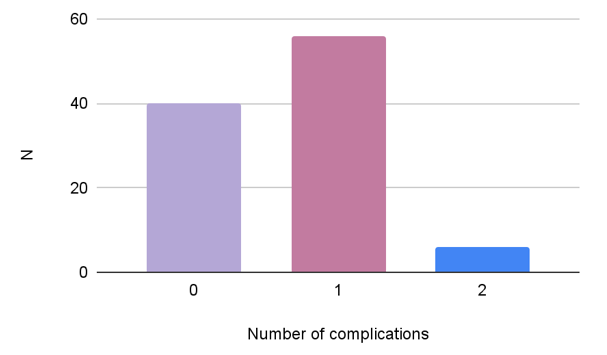
Figure 1 Burden of complications per patient.
|
Number of complications |
N |
% |
|
0 |
40 |
40 |
|
1 |
56 |
56 |
|
2 |
6 |
6 |
Table 3 Burden of complications per patient
Analysis by pattern and severity showed a predominance of reversible functional events (71.7% of patients with complications), while moderate (permanent hypoparathyroidism) and severe (NLR lesion) events were rare. Combined complications represent 10% of cases (Table 4) (Figure 2).
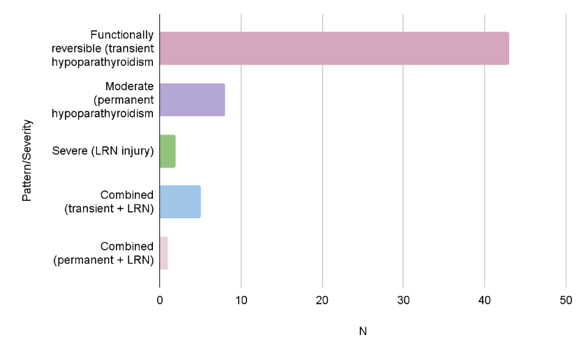
Figure 2 Distribution of complications according to pattern and severity.
|
Pattern/Severity |
N |
% (out of 60 patients with complications) |
|
Reversible functional (transient hypoparathyroidism) |
43 |
71,7 |
|
Moderate (permanent hypoparathyroidism) |
8 |
13,3 |
|
Severe (NLR injury) |
2 |
3,3 |
|
Combined (transient + NLR) |
5 |
8,3 |
|
Combined (permanent + NLR) |
ç |
1,7 |
Table 4 Distribution of complications according to pattern and severity
The bivariate analysis between type of surgery and presence of complications showed a tendency to higher frequency in total thyroidectomy (61.1% vs 40% in partial surgeries), although it did not reach statistical significance (χ² = 3.08; p = 0.21; RR = 1.53; OR = 2.32 [95% CI: 0.53–10.1]; Fisher exact p = 0.24).
No significant differences were found in age between patients with and without complications (mean 50.2 ± 15.1 vs 48.1 ± 15.7; t-test p = 0.45) or association with sex (χ² = 0.62; p = 0.43).
The heterogeneity analysis showed concentration of mild events and limited dispersion of severe events. Post hoc power analysis indicated sufficient capacity to detect moderate differences in complication rates, but limited for rare events (<5%), explaining the lack of statistical significance in some comparisons.
Finally, the relationship between age and number of complications and the total distribution by type of complication were visually analyzed (Figure 3), completing the endocrinological and functional characterization of postoperative morbidity in the cohort.
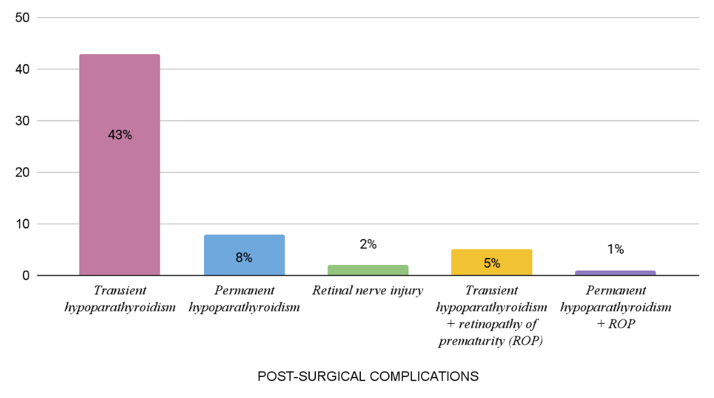
Figure 3 Type of complication per patient.
In our cohort of patients with differentiated thyroid carcinoma (DTC), the marked female predominance (92%) and the mean age at diagnosis (42 years) faithfully reproduce the epidemiological pattern described internationally, where a higher incidence is observed in women and a peak of presentation in the fourth and fifth decades of life. This demographic profile is consistent with European and Latin American series, which suggests that our population does not present substantial epidemiological particularities, but is inscribed within the global biological behavior of the disease.5,17–19
There was a high proportion of total thyroidectomy (95%); similar results were found in the study by Andrés Chala et al.,20 where 94% underwent TT, but differ from the study conducted by Vidaurri21 where this type of surgery was performed on 63% of patients with thyroid cancer. This treatment reflects a surgical strategy oriented towards a radical approach, in line with current recommendations for patients with intermediate- or high-risk disease. However, this predominance also implies a greater exposure to the risk of complications, which reinforces the importance of analyzing not only the frequency of adverse events, but also their severity, pattern, and clinical burden. In this sense, the high rate of total surgery should be interpreted as a structural factor that conditions the observed postoperative morbidity profile.
In patients with CDT, TT is the surgery of choice in many cases, because the procedure provides a lower percentage of recurrence, better survival and greater effectiveness in radioiodine therapy, facilitating follow-up with biochemical markers such as thyroglobulin and antithyroglobulin antibodies. However, the surgical approach depends on the extent of the disease (size of the primary tumor, extrathyroidal extension, or lymph node metastases), the age of the patient, and the presence of comorbid diseases.9
In tumors 1 to 4 cm without extra thyroid extension and without lymph nodes, the initial surgical procedure may be total thyroidectomy or a lobectomy. TT is chosen based on patient preference, the presence of thyroid nodules in the contralateral lobe, metastatic nodes, or the treating team's decision that radioactive iodine therapy may be beneficial as adjuvant therapy or to facilitate follow-up.9
For tumors ≥4 cm, extra thyroid extension, or distant metastasis, a total thyroidectomy is recommended. However, for patients with a history of radiation to the head and neck in childhood, regardless of tumor size, TT should be performed given the high rate of tumor recurrence when smaller surgeries are performed.9,22
Transient hypoparathyroidism was the most frequent complication (43%), making it the main determinant of postoperative morbidity in the cohort. The figure is different from what was found in the study by Joao Goncalvez et al.,23 carried out in Sao Paolo, Brazil, with a follow-up period similar to ours, which reported transient hypoparathyroidism in 13.1% of cases, but in this case benign and malignant pathology was included and does not indicate the cut-off point taken for hypocalcemia. Our value also differs from that found in the study by Mintegui et al.,24 carried out in our hospital between 2011 and 2019 with a total of 202 thyroidectomy patients, in which 75.7% of participants presented this complication. In turn, there was another study in our center in 2020 of the previous 6 years and 95% presented hypocalcemia in the first 72 hours and 6% permanent hypoparathyroidism.25 This finding is consistent with the literature, where it is described as the most common adverse event after extensive thyroid surgery. However, it is relevant that the observed rate is in an intermediate range with respect to previous series of the center itself and regional publications, which suggests a possible progressive improvement in surgical results. This phenomenon could be linked to institutional factors such as the implementation of a multidisciplinary Endocrine Surgery Unit, the standardization of perioperative protocols, and the greater accumulated experience of the surgical team, all elements recognized as determining factors in the reduction of reversible functional complications.
From a clinical perspective, the predominance of transient hypoparathyroidism over permanent hypoparathyroidism configures a predominantly reversible morbidity pattern, which has direct implications on the patient's quality of life and long-term care burden. This profile suggests that, although the rate of events is relevant, most correspond to complications of temporary resolution, which attenuates their overall clinical impact.
Permanent hypoparathyroidism occurred in 8% of cases and there was no significant association with age or sex and RR/OR according to type of surgery; a figure slightly higher than that reported in some regional series. In the study by Mintegui,24 with an incidence of permanent hypoparathyroidism of 7.3% and the report by Pitoia26 carried out in Argentina with a geographical area and population similar to ours, which found permanent hypoparathyroidism in 5.7% of patients. We believe that the increase in the frequency of this complication in our same center may be due to the size of the sample and also because in the previous study patients with TT due to benign and malignant pathology were included, however, in this study only patients with CDT are patients who require more extensive surgeries, of greater complexity and generally with the need for lymph node dissection, which can increase the risk of this complication. It also differs from what was shown by the study by Chala,19 in Colombia of 12 years of thyroidectomies due to CDT, in which definitive hypoparathyroidism was 1.1%.
This finding becomes relevant when considering the surgical complexity of the population studied, which predominantly underwent total thyroidectomy and, in many cases, associated procedures such as lymph node dissections. These interventions significantly increase the risk of parathyroid injury or devascularization, which allows us to interpret this rate not only as a technical result, but as an expected consequence of the surgical complexity profile of the cohort.
Iatrogenic injury to the recurrent laryngeal nerve is one of the most concerning complications of thyroid surgery. In several studies, rates ranged from 0 to 7.1% for transient injury and from 0 to 11% for permanent injury; surgeons with higher volume achieved lower injury rates. If the vocal cord remains immobile for more than a year, permanent paralysis is likely to occur.16
The NLR lesion causes paralysis of the ipsilateral vocal cord and remains in a paramedian or lateral position. Medialization of the affected vocal cord improves both swallowing and phonation by allowing the contralateral functional vocal cord to close the larynx. However, bilateral vocal cord paralysis due to recurrent lesions in both nerves is an uncommon (0.4%) but devastating complication of total thyroidectomy that occurs more frequently in reoperations.9 There were no patients with bilateral paralysis in our sample.
Recurrent laryngeal nerve injury (2%) remained within the ranges described in centers of intermediate to high experience, suggesting adequate control of serious strutural complications. This data is clinically relevant, since nerve injuries are events of high functional impact, with potentially permanent consequences on quality of life, phonation and swallowing. The low incidence observed reinforces the importance of systematic anatomical identification and nerve preservation techniques as essential surgical standards.
Combined complications were infrequent, indicating that the coexistence of serious events is rare, leading to a predominantly simple rather than complex morbidity profile. This pattern suggests a low concentration of severe events per patient, reinforcing the idea of a distributed and non-cumulative clinical burden.
From a structural perspective, the analysis of the distribution of complications shows a predominance of reversible functional events, followed by permanent low-frequency events and a small number of major structural complications. This severity gradient configures an acceptable surgical risk profile for a cohort mostly undergoing radical surgery, and allows the results to be interpreted not only in terms of frequency, but also in terms of clinical impact and functional prognosis.
Finally, the histological distribution observed, with a predominance of papillary carcinoma (89%), is consistent with the epidemiological pattern described in iodine-sufficient regions, such as Uruguay, which reinforces the biological and epidemiological coherence of the study and validates the representativeness of the cohort analyzed.
Taken together, these findings allow us to interpret that the observed complication profile not only reflects the surgical complexity of the population, but also an organizational and technical structure that allows maintaining low levels of serious events, with a predominance of reversible complications and low permanent functional impact. This positions the cohort as clinically comparable to international series, providing robust and updated local evidence on surgical outcomes in differentiated thyroid carcinoma.
International comparative discussion
The observed results are within the ranges reported in international series of intermediate and high experience centers. The rate of transient hypoparathyroidism is comparable to that described in European and Latin American studies, while the incidence of recurrent laryngeal nerve injury remains within accepted standards in modern thyroid surgery. The proportion of permanent hypoparathyroidism, although slightly higher than some regional series, can be explained by the surgical complexity of the cohort and the high proportion of total thyroidectomies. Together, these data position the cohort as clinically comparable to international populations, providing regional quality evidence and reinforcing the external validity of the study.
Limitations of the study
This work has some limitations inherent to its design. First, its retrospective nature implies dependence on the quality and completeness of clinical records, which can introduce information biases. Secondly, as it is a single-center study, the results may reflect specific characteristics of institutional functioning, partially limiting generalization to other healthcare contexts. Likewise, the absence of a comparative group (for example, between different types of surgical approach or different time periods) prevents establishing causal relationships or inferences of adjusted risk. Finally, the lack of some relevant clinical variables (such as tumor extension, TNM stage, systematic lymph node dissections, surgical volume per surgeon, or use of neuromonitoring) limits the possibility of performing multivariate analyses of predictive factors of complications.27–30
Differentiated thyroid carcinoma occurs predominantly in women, with diagnosis in the fourth and fifth decades of life. Total thyroidectomy was the main surgical approach, reflecting a therapeutic approach in accordance with current recommendations. Transient hypoparathyroidism was the most frequent postoperative complication, forming a predominantly reversible morbidity pattern. The low incidence of serious structural complications and the low frequency of combined events suggest an acceptable surgical risk profile for a highly complex cohort. These results provide relevant, updated and clinically significant local evidence on the epidemiological, surgical and complication profile of CDT, contributing to the optimization of surgical management and the continuous improvement of the quality of care in our setting.
None.
The authors declare that there are no conflicts of interest regarding the publication of this study.
None.

©2026 Mintegui, et al. This is an open access article distributed under the terms of the, which permits unrestricted use, distribution, and build upon your work non-commercially.